


Social media has revolutionized the fashion industry, shifting authority from traditional runway shows to digital platforms. Fashion authority was once easy to locate. It lived in the pages of print magazines, on the runways of Paris and Milan, and within a tightly controlled circle of editors, designers, and critics who decided what the world would see and when. For decades, this structure felt fixed. Trends moved downward: from runway to editorial, from editorial to consumer. Authority was centralized, controlled, and slow. But not anymore.
That system has not disappeared entirely, but it has been fundamentally disrupted. Social media did not simply add another layer to fashion; it redistributed power. It collapsed timelines, blurred roles, and opened access to voices that were once outside the frame. What was once dictated is now negotiated in real time. Fashion authority no longer belongs to a single institution. It exists as a network of influence—fluid, reactive, and constantly shifting.
How Social Media Transformed Fashion Authority: From Gatekeepers to Feeds
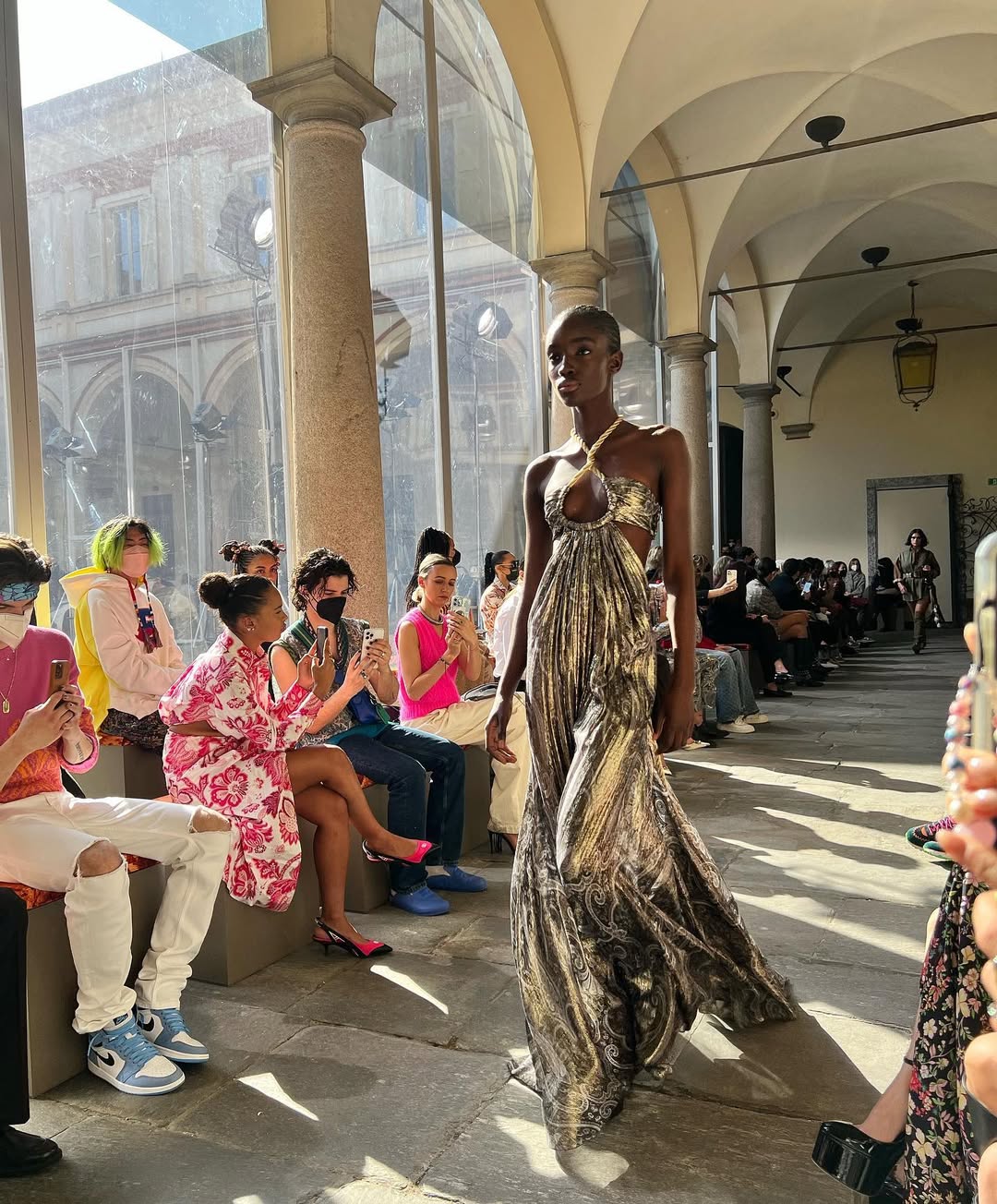
Traditional fashion authority was built on control. Editors at publications like Vogue, Elle, and Harper’s Bazaar determined what was relevant each season. Runway collections were revealed months before reaching the public, interpreted through a curated editorial lens.
Then came digital disruption. Fashion blogs in the early 2000s began to challenge that hierarchy, introducing personal style as a legitimate form of commentary. For the first time, authority was no longer limited to institutions. It could be self-published.
The arrival of platforms like Instagram accelerated everything. Runway imagery became instantly accessible. Street style became content. Fashion shows transformed into global moments rather than closed industry events. Instagram and TikTok are now central to how fashion is consumed, shifting authority away from traditional structures. The distance between creator and audience collapsed, and so did the monopoly on interpretation. Authority began to fragment.
The Rise of Individual Influence
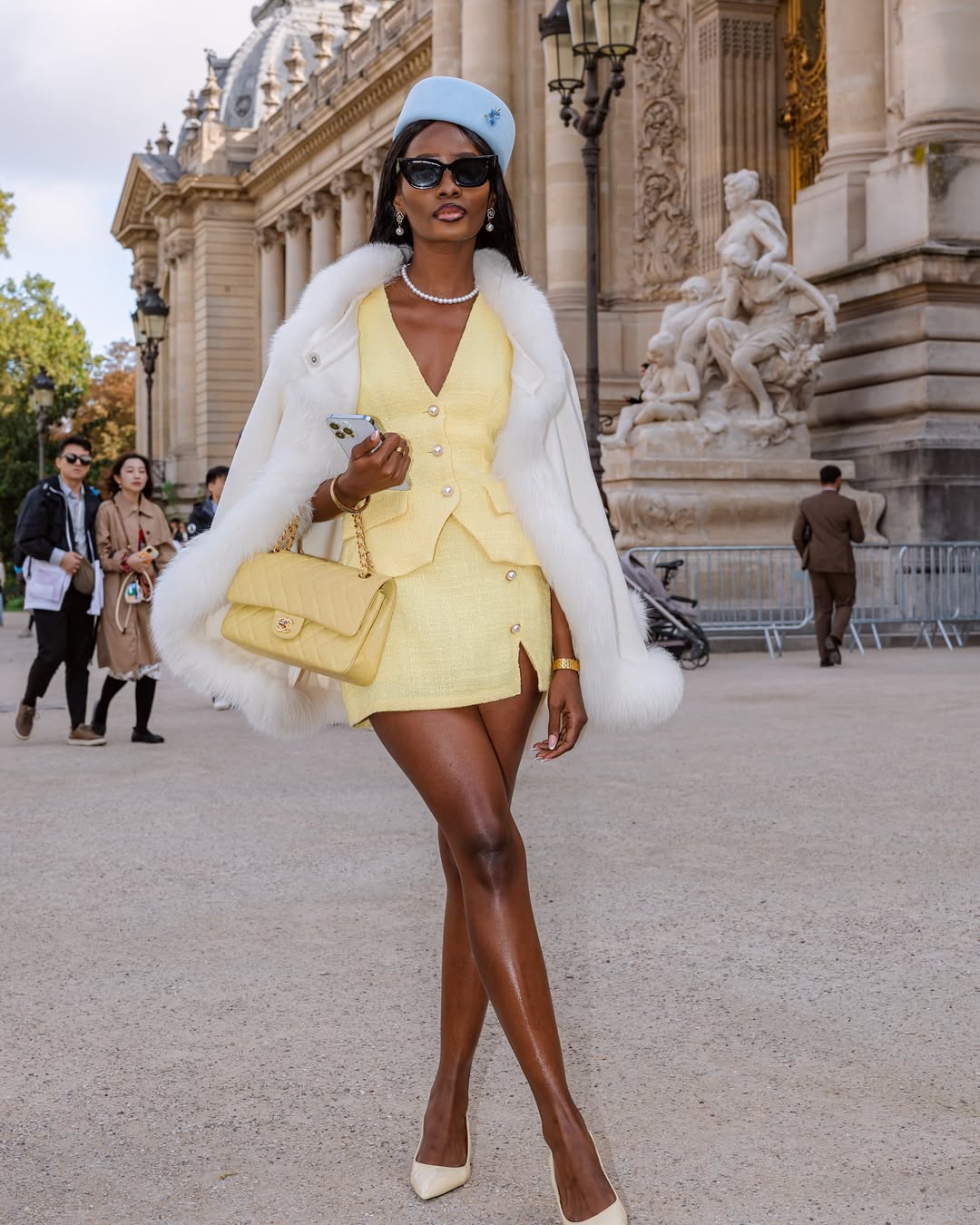
Social media introduced a new form of fashion authority, one rooted not in institutional approval, but in visibility, consistency, and cultural resonance. Influencer marketing now sits at the center of how brands reach audiences, turning creators into powerful distribution channels for style and identity.
Creators began shaping trends directly from their personal feeds. Figures such as Chiara Ferragni of The Blonde Salad marked a turning point: influence no longer required proximity to fashion houses; it only required the ability to capture and sustain attention.
In this structure, authority is no longer defined by position, but by presence. It is distributed across influencers, stylists, models, and everyday users whose aesthetics gain traction through repetition and engagement. What matters is not just what is created, but what is seen, saved, and shared. Authority becomes less about hierarchy and more about networked visibility.
How Social Media Transformed Fashion Authority: Algorithms as the New Editors
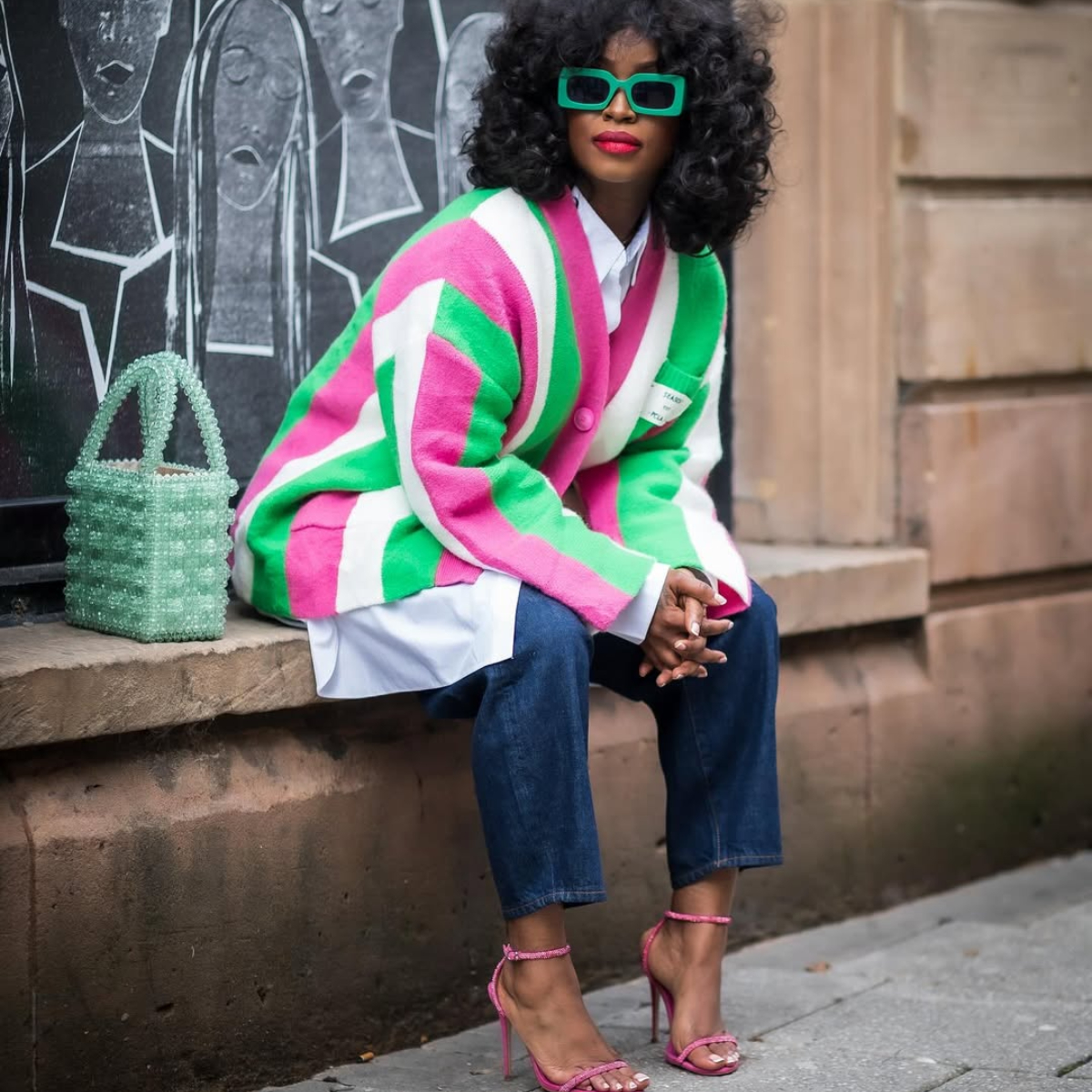
If editors once decided what mattered, algorithms now determine what becomes visible. Platforms like TikTok and Instagram operate on engagement rather than editorial judgment. What people watch, like, and repost shapes what spreads. In this environment, popularity can quickly resemble authority.
A single post can initiate a trend. Repetition amplifies it. Mass engagement legitimizes it. This has fundamentally altered the rhythm of fashion influence. Authority is no longer slow and directional; it is immediate, reactive, and data-driven. The question now is who creates and what the algorithm chooses to elevate.
The Democratization of Taste
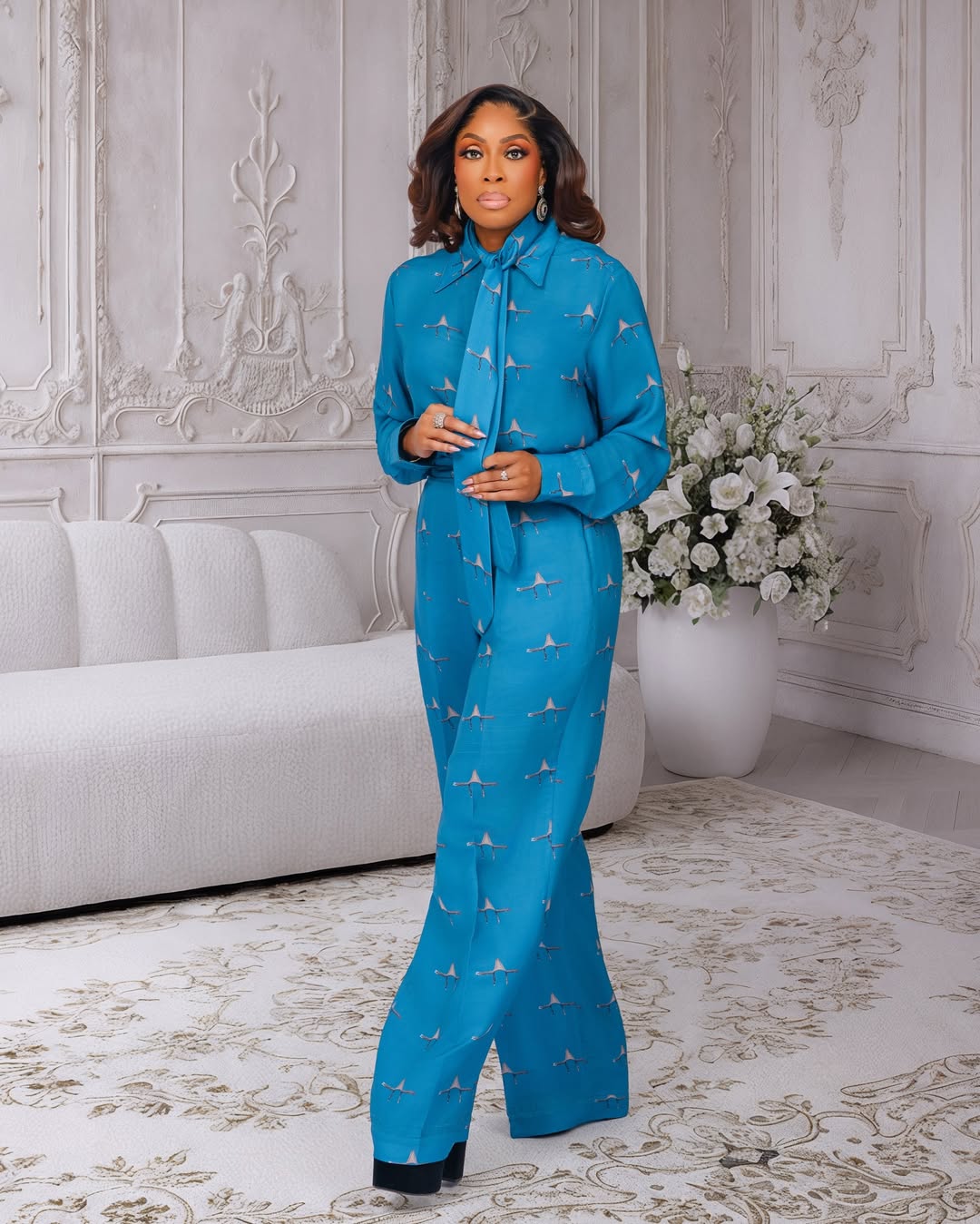
One of the most significant shifts brought by social media is access. Fashion is no longer geographically or institutionally limited. A creator in Lagos, Seoul, London, or New York can contribute to global style conversations without formal entry points.
This has expanded what fashion can look like and who gets to define it. Aesthetic diversity has increased. Cultural expression is more visible. Personal styling has evolved into a form of global participation rather than purely local expression. Authority has shifted from prescribing taste to reflecting it.cs of digital platforms.
Conclusion: Authority, Rewritten
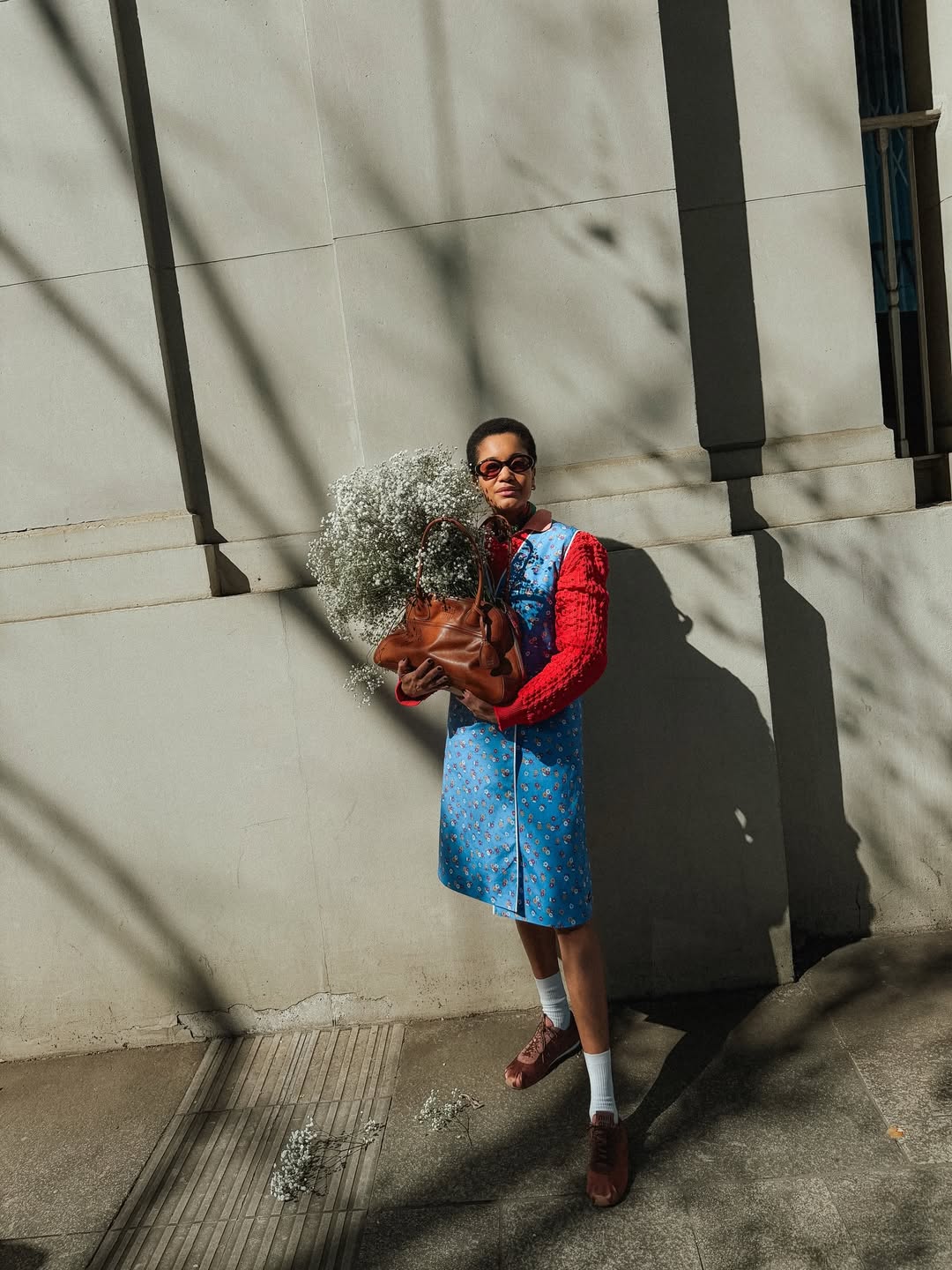
Social media did not eliminate fashion authority. It redistributed it. What was once centralized within institutions is now shared across individuals, platforms, and algorithms. Authority no longer resides in one place; it moves continuously between creators and audiences, shaped by engagement and interpretation.
Fashion influence today is less about command and more about connection. Less about gatekeeping and more about visibility. Less about singular voices and more about collective participation. In this evolving system, authority is negotiated in real time across feeds, cultures, and millions of individual choices.
In that constant exchange, fashion becomes more immediate, more democratic, and more reflective of the world that consumes it.
Featured Image: @cherifaakili/Instagram
See More

