


Every morning, before the world has had a chance to form an opinion about you, you form one about yourself. You stand before a wardrobe and make a series of small, seemingly mundane decisions: this shirt, not that one; these shoes, not those—and in doing so, you author the first sentence of the day’s story. The connection between fashion and identity has never been about clothes alone. It is about fluid, contested, and deeply personal selfhood.
Long before fashion became an industry, before runway seasons, trend cycles, and the commodification of style, dress functioned as a language. A Roman senator’s toga, a geisha’s kimono, a Victorian widow’s black crepe: each garment spoke with clarity. Each one communicated belonging, status, mourning, desire, or defiance. Fashion, in this sense, has always been identity made visible.
“Fashion is not something that exists in dresses only. Fashion is in the sky, in the street; fashion has to do with ideas, the way we live, what is happening.” — Coco Chanel
The Social Skin
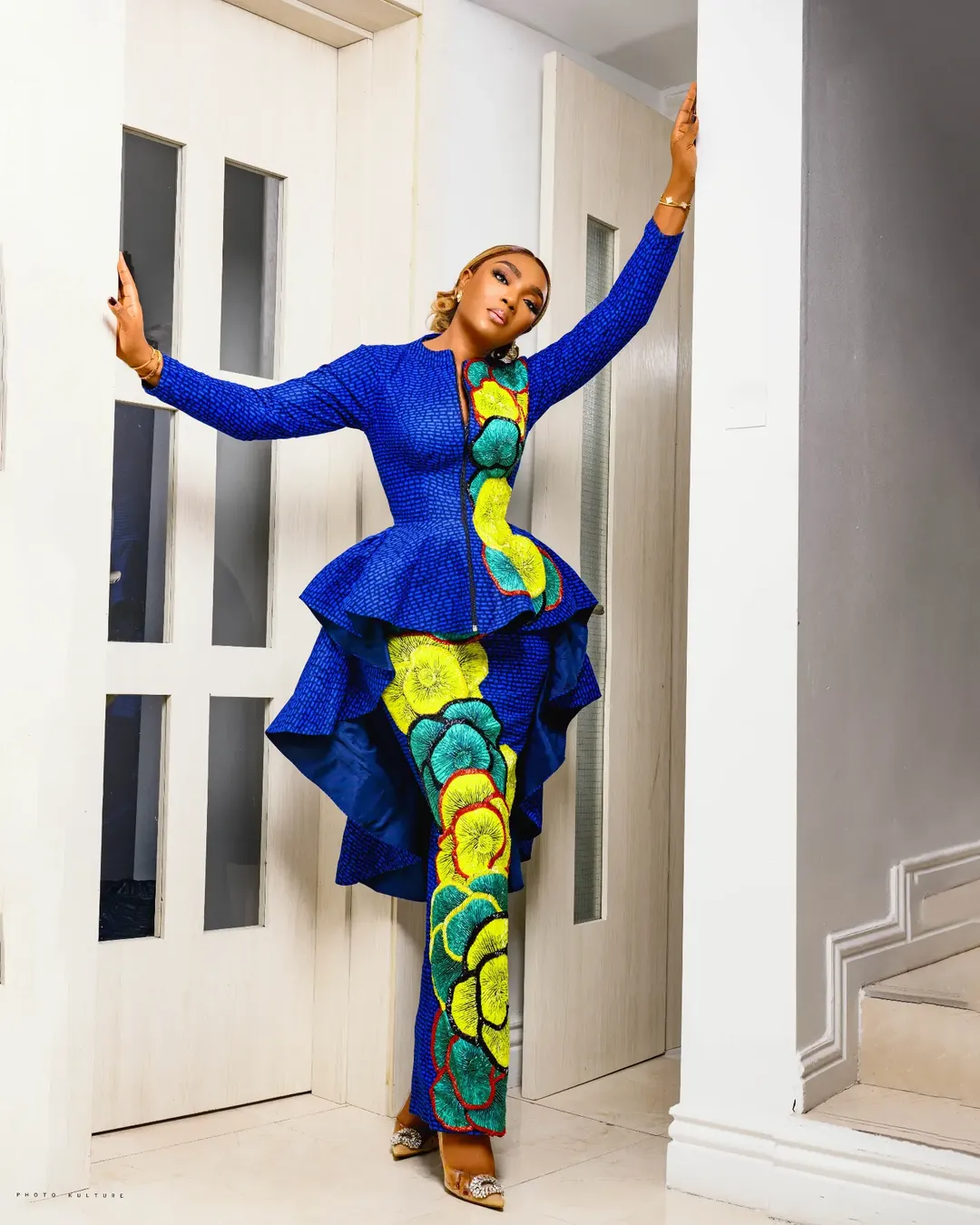
Psychologists have long understood that fashion and identity are inseparable. Clothing functions as what sociologist Charles Cooley called the “looking-glass self”—we dress not only for how we see ourselves, but for how we wish to be seen. The garments we choose become a kind of social skin, mediating between our interior life and the external world.
When a young woman in Lagos wraps herself in Ankara print for a family gathering, she is not simply getting dressed. She is placing herself within a lineage, declaring a cultural inheritance, and saying: I come from somewhere, and I am proud of it.
This is why dress codes have always been instruments of power. Sumptuary laws in medieval Europe dictated that only nobility could wear certain colors. Purple and crimson were reserved for kings, not commoners. In colonial contexts, indigenous people were often forced to abandon traditional dress as a mechanism of cultural erasure. To control what people wear is to shape how they understand themselves. Conversely, to reclaim dress, as the Black Power movement did with the Afro, as queer communities did with the pink triangle, and as hijab-wearing women continue to do in the face of bans, is to reclaim identity itself.
Performance and Truth
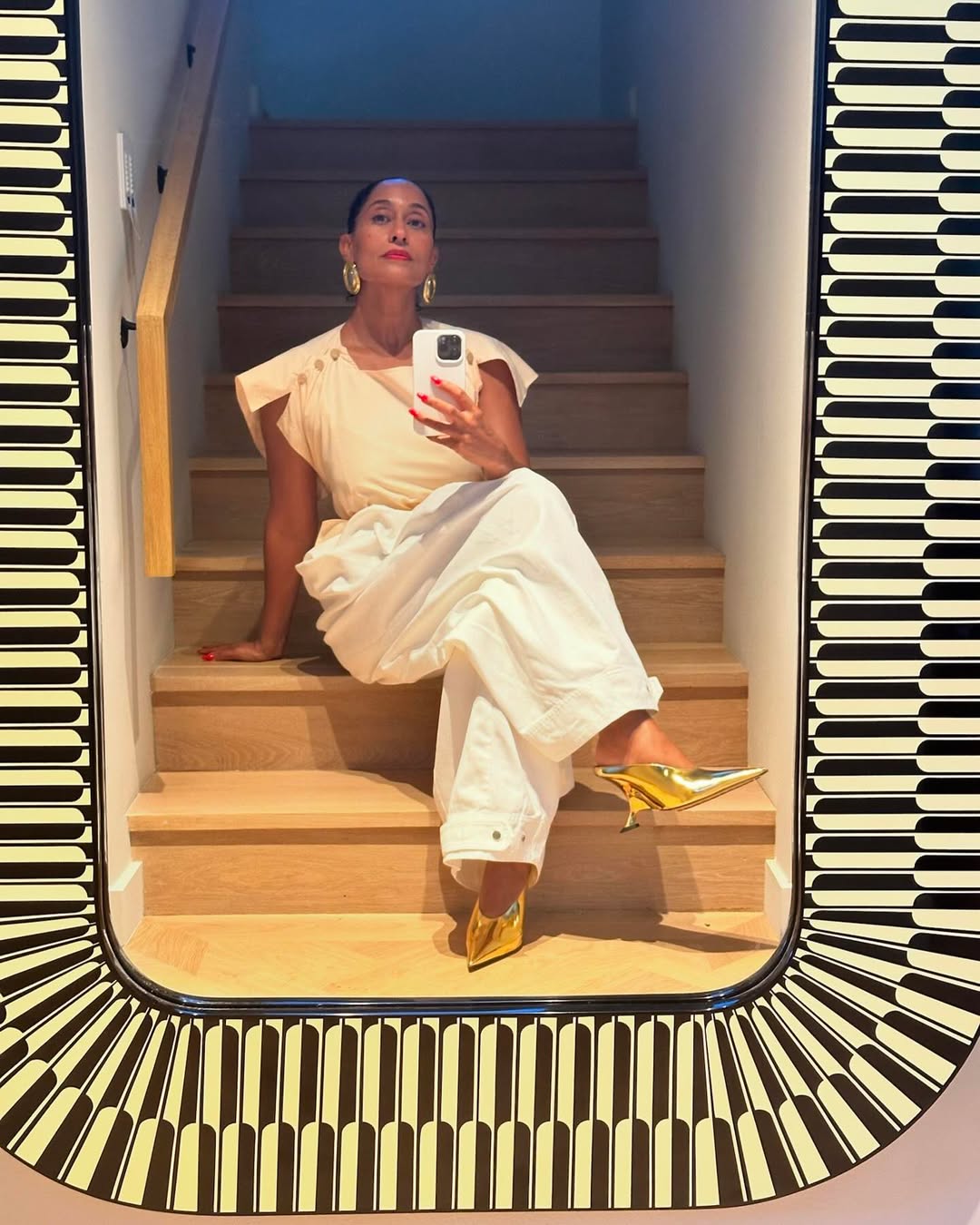
There is a tension at the heart of fashion and identity that has never been fully resolved: is dressing a performance, or an expression of truth?
Sociologist Erving Goffman argued that all social life is performance, that we are constantly managing impressions. On this reading, fashion is costume, and identity is the role we play. But this feels incomplete. Anyone who has ever put on an outfit that felt exactly right, that altered the way they walked, breathed, and occupied space, knows that fashion can be something deeper than theatre. It can be revelation.
The contemporary conversation around gender and dress has made this tension newly urgent. For trans and non-binary individuals, clothing is often the first, most accessible site of self-declaration, a way of asserting identity before the law, before medicine, before family has caught up. In this context, fashion is not performance in any trivial sense. It is survival. It is the body made legible on its own terms.
“What you wear is how you present yourself to the world, especially today, when human contact is so quick. Fashion is instant language.”—Miuccia Prada
The Algorithm and the Self
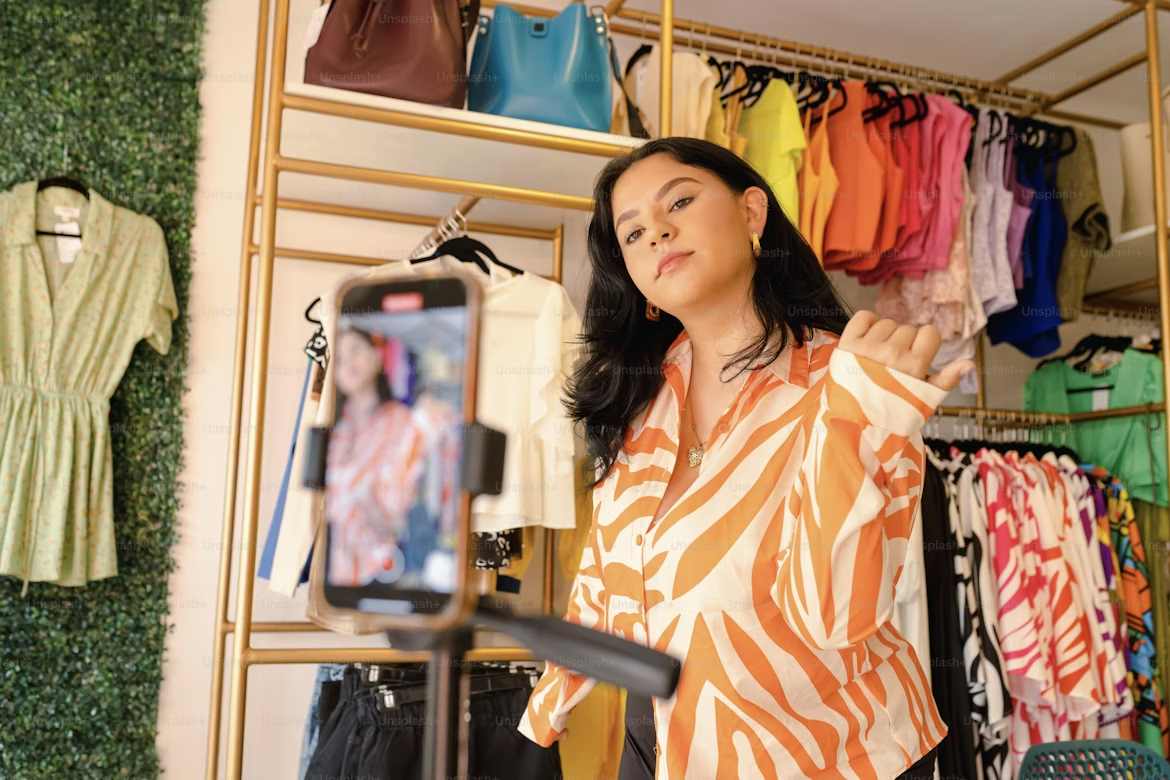
The digital age has complicated fashion and identity in ways we are still learning to understand. Social media has expanded access to style. A teenager in Kano can discover a subculture in Seoul, adopt its aesthetic, and find community across borders. Fashion is no longer confined by geography or gatekeeping. But this access comes with pressure.
Algorithms reward visibility, repetition, and engagement. Trends move at a speed that leaves little room for reflection. What feels personal can quickly become performative. The result is a subtle tension: a generation with more exposure to fashion than ever before, yet often less clarity about personal style.
The response is already emerging—a shift toward slower fashion, a return to thrifted pieces, and a growing resistance to trend cycles dictated by platforms. Increasingly, people are reclaiming fashion as something internal rather than algorithmic. Fashion and identity, once entangled with visibility, are being redefined through intention.
Dressing As A Radical Act
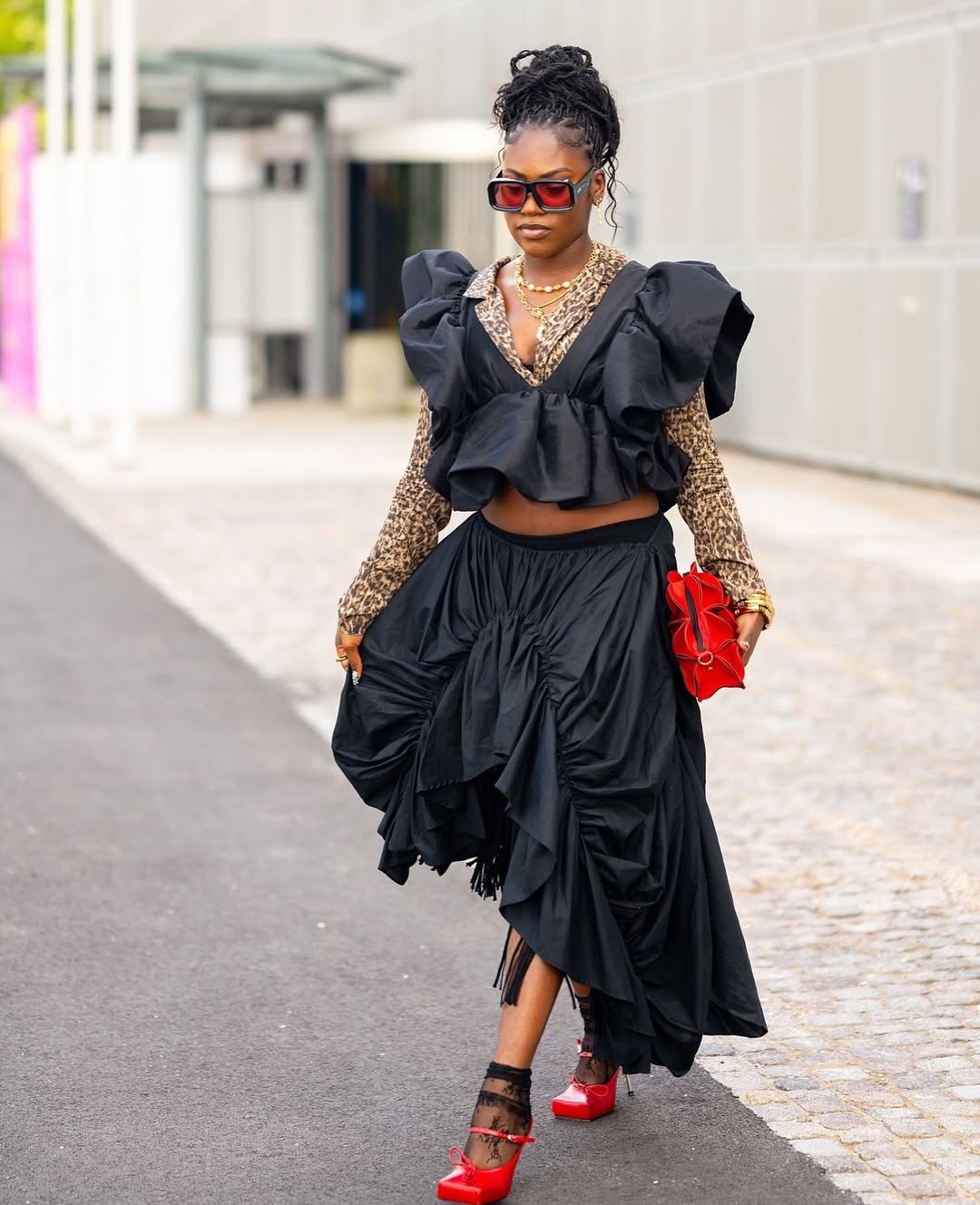
A new generation of designers understands that fashion and cultural identity are inherently political. From Telfar Clemens’s democratically priced bags—“not for you, for everyone”—to designers reclaiming African textile traditions on international runways, the most vital work in fashion today insists on the dignity of identities the industry once ignored. These designers are not simply making clothes. They are making arguments.
“Clothes mean nothing until someone lives in them.”—Marc Jacobs
Conclusion: Identity, Worn Daily
In the end, the relationship between fashion and identity is most visible in the ordinary. Fashion is never neutral. Every hem, every silhouette, every choice to cover or reveal carries the weight of history, culture, politics, and desire.
To understand the connection between fashion and identity is to recognize that getting dressed is never a small act. It is, quietly and persistently, one of the most human things we do.
Featured image: Seye Kehinde

