


Most of us have experienced that moment when our skin suddenly stops responding the way it used to. You’re using the same cleanser, the same moisturizer, the same routine that normally keeps everything in check, and then something shifts. Dry patches linger. Irritation appears out of nowhere. A mark that should have faded weeks ago is still there.
At first, it’s easy to explain away. Maybe the weather changed. Maybe stress is catching up with you. Maybe your skin has finally had enough of a product you’ve been relying on for months. Sometimes that’s exactly what it is. But sometimes it isn’t. When your skin keeps reacting in ways that don’t align with your usual patterns, it’s worth taking a closer look.
When Your Go-To Skincare Routine Stops Delivering

Usually, it starts quietly. A moisturizer that once worked perfectly suddenly barely gets you through the day. A serum you swore by no longer seems to make much difference. Your routine hasn’t changed, but your skin looks duller, feels more reactive, or simply never seems fully settled.
Most people respond in the most logical way possible. They switch products, add another step, or strip everything back and try to “reset” their skin. That’s normal. Skin changes constantly in response to stress, hormones, sleep, climate, and countless other factors that rarely announce themselves clearly.
Still, some skin concerns don’t behave like ordinary skincare issues. The dryness keeps returning. The sensitivity refuses to calm down. One area looks weaker than the rest or takes far too long to recover. When that happens, it helps to stop thinking only in terms of products. Sometimes the issue isn’t that your skincare routine needs tweaking. Sometimes your skin is asking for a completely different kind of attention.
The Difference Between Surface Issues And Deeper Skin Concerns
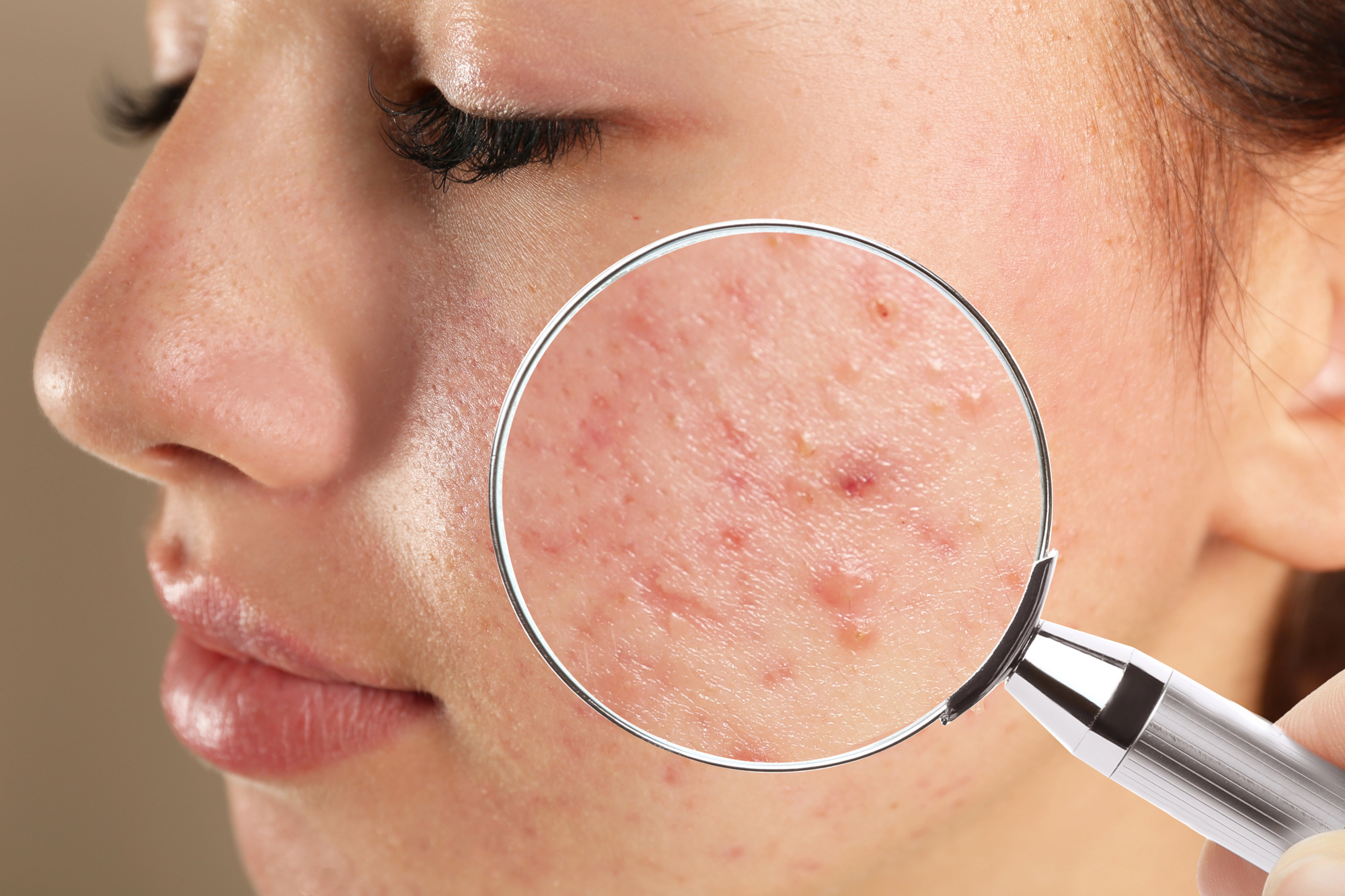
Not every skin concern means the same thing. Some are temporary and frustrating. Others are quieter, slower-moving, and far more serious than they initially appear.
A surface-level issue usually gives some indication that it’s improving. A breakout begins to settle. Dryness eases once the skin barrier gets support. Mild irritation fades after the trigger is removed. It may take time, but the skin gradually starts moving in the right direction.
Deeper concerns tend to behave differently. They linger. They spread. They become more tender or more visible over time. The skin may begin to look unusually thin, fragile, or worn down. Instead of repairing itself, it appears to struggle more the longer the issue continues.
That’s when the question changes. You’re no longer asking which product to add next. You’re asking why the skin isn’t recovering the way it normally would.
Signs Your Skin Issue May Be Getting Worse, Not Better

Skin often tells you when something isn’t right, but it doesn’t always do it dramatically. Sometimes the warning signs build so gradually that they’re easy to dismiss. What starts as mild dryness or irritation can slowly turn into something more persistent, more uncomfortable, and much harder to ignore.
One of the clearest red flags is simple: the skin isn’t improving. If you’ve been consistent with care and nothing seems to be getting better, that matters. Discoloration that deepens instead of fades, patches that widen, or areas that become increasingly sensitive over time can all point toward progression rather than recovery.
Texture can also be revealing. Skin may begin to feel thinner, weaker, or more delicate than usual. In some cases, it starts breaking down rather than bouncing back. Once pain, tenderness, or pressure sensitivity enters the picture, it becomes far more difficult to dismiss as a routine flare-up.
Skin damage becomes even more serious when movement is limited, or pressure is placed on one area of the body for extended periods. In those situations, damage can worsen faster than many people realize. It can also be overlooked in care environments where attention is divided. Understanding how that kind of breakdown develops, including what happens during advanced pressure sore stages, can help make sense of warning signs that might otherwise go unnoticed. The sooner that shift is recognized, the better the chances of addressing it before it becomes significantly harder to manage.
When Skin Health Becomes More Than Personal Care
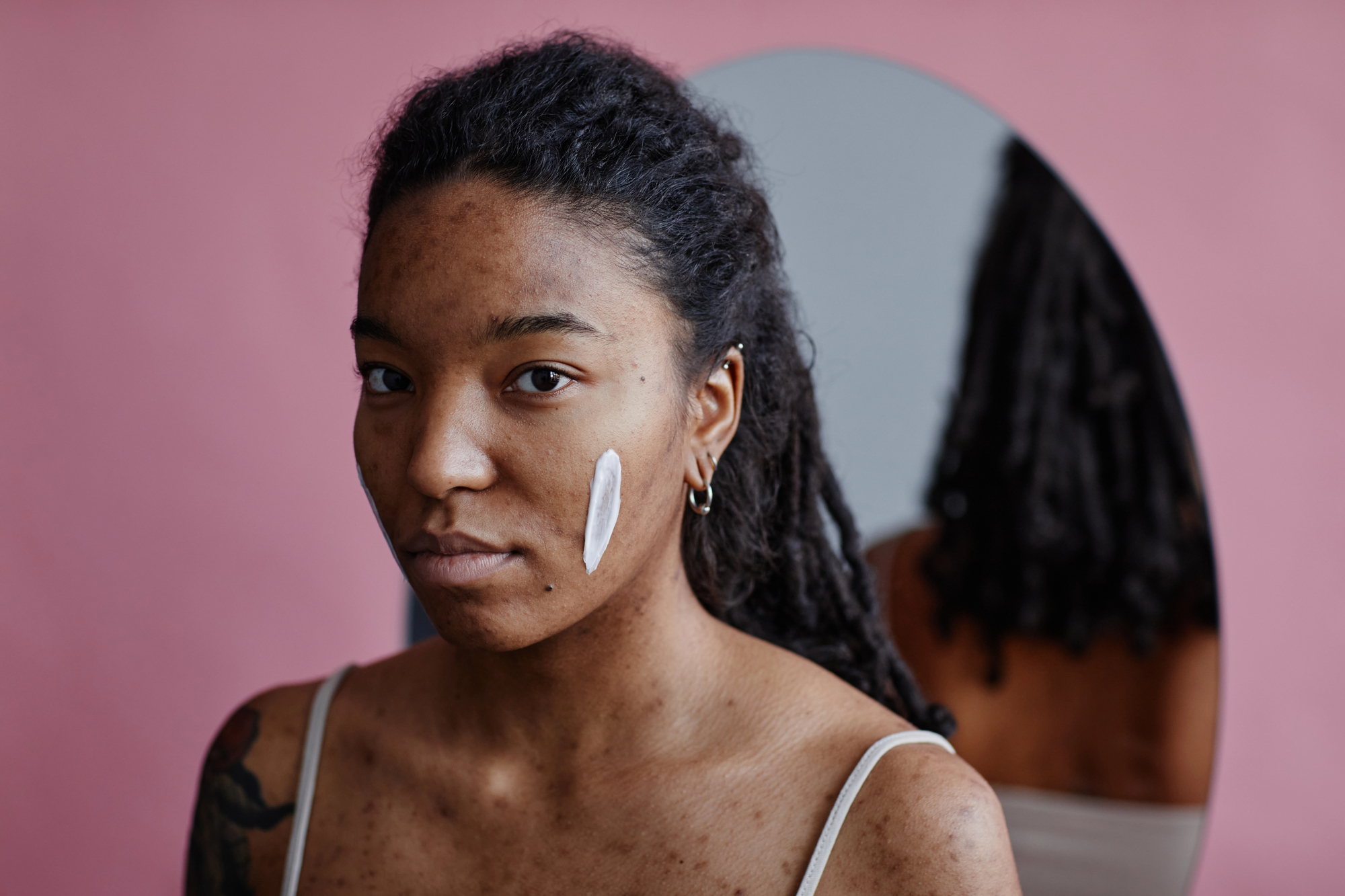
There comes a point where skincare stops being primarily about products and starts becoming about observation. That usually happens when the skin can no longer protect or repair itself the way it normally would. At that stage, creams and serums may still help, but they are no longer the complete answer.
The risk becomes even greater for people with limited mobility or those who depend on others for daily care. Skin that remains under constant pressure or goes unchecked for long periods can gradually weaken. What begins as a small irritated patch can become far more serious when no one notices it early enough.
Part of the problem is that the first signs often appear minor: slight discoloration, tenderness, or skin that simply never seems to return to normal. None of that necessarily looks urgent at first glance, which is exactly why it can be missed.
Whether it’s your own skin or someone else’s, the principle remains the same: if something keeps worsening, refuses to heal, or simply looks “off” for longer than it should, it deserves closer attention.
What To Do When Skincare Isn’t Enough

There comes a point when trying one more product stops being useful. If a skin issue continues lingering, becomes more painful, or begins changing in ways that concern you, it may be time to stop experimenting and seek professional input.
A dermatologist or healthcare provider can help determine whether the issue is connected to inflammation, infection, pressure, or another underlying cause. Getting answers early can simplify treatment and may help prevent further damage.
It also helps to pay attention to the details before an appointment. When did it begin? Has it spread? Does anything make it worse? Has the skin become darker, more tender, or slower to heal? Those observations may seem small, but they can be surprisingly useful when someone is trying to determine what’s happening beneath the surface.
If dryness is part of the issue, general tips for relieving dry skin can still be a helpful starting point. Getting help early isn’t overreacting. It’s simply paying attention while the problem is still easier to address.
Building A More Holistic Approach To Skin Health

Skin doesn’t exist in isolation. It’s influenced by hydration, movement, stress, environment, overall health, and the body’s ability to recover. Looking at skin through that broader lens makes it easier to distinguish between a temporary issue and something that requires deeper attention.
Consistency matters, but so does awareness. A subtle shift in tone, texture, or sensitivity may not seem significant at first, yet small changes are often where the larger story begins.
It also helps to keep perspective. Not every flare-up signals something serious. Some skin concerns are temporary. Others are not. The goal is not to panic over every change, but to recognize when something no longer fits the pattern of an ordinary skincare issue.
For additional context on symptoms that may point to more serious underlying concerns, it can be helpful to learn about serious skin conditions and the warning signs that shouldn’t be ignored. A healthier approach to skin care starts with paying attention, staying consistent where it matters, and recognizing when your usual routine is no longer enough.
Conclusion

It’s easy to assume every skin issue can be solved with better products or a more sophisticated routine. Sometimes that’s true. Small adjustments can absolutely make a visible difference.
But when your skin stops responding the way it normally does, that shift deserves attention. Persistent irritation, unusual tenderness, slow healing, or visible changes in texture can all signal that the issue goes deeper than the surface. Taking care of your skin isn’t only about treatment. It’s also about knowing when to pause, pay attention, and take the next step.
Shop editor’s picks
Featured image: Style Rave Studio / AI-generated visual
—Read also

