


For decades, the necktie was fashion’s most predictable accessory. It followed clear rules: centered beneath the collar, knotted neatly, and hanging just long enough to graze the belt. Most men learned the same knots early in life, the dependable four-in-hand or, for the more ambitious dresser, the half-Windsor. For generations, that formula barely changed. Today, however, the fashion landscape looks very different. In an era where experimentation defines relevance, the necktie is undergoing a surprising reinvention.
What we’re witnessing now is a creative reimagining of what neckwear can be. Designers, celebrities, and stylists are breaking the long-standing conventions that once defined the tie. From unconventional knots to dramatically altered silhouettes, the accessory has moved far beyond boardroom formality. Instead, it has become a canvas for personal style and a symbol of fashion’s ongoing dialogue between tradition and reinvention.
From Corporate Staple to Fashion Playground

For much of the late twentieth and early twenty-first centuries, the necktie was inseparable from corporate culture. It signaled professionalism, discipline, and adherence to a dress code. Yet as workplaces gradually adopted more relaxed dress standards, ties quietly disappeared from everyday wardrobes. Open collars, knitwear, and hoodies replaced what was once a mandatory accessory.
Still, fashion rarely abandons an item permanently. Because style operates in cycles, tailoring’s recent return to runways and street style has naturally brought the necktie back into the conversation. This time, however, it isn’t returning in the conservative form most people remember. Instead, the modern comeback treats the tie less as a rigid uniform piece and more as a tool for expression.
Runway designers are driving this shift. Rather than simply adding the tie as a finishing touch, they are rethinking its placement, shape, and role within an outfit. As a result, the necktie is entering a new phase, one where it participates in style experimentation rather than reinforcing strict formality.
Designers Are Rewriting the Rules
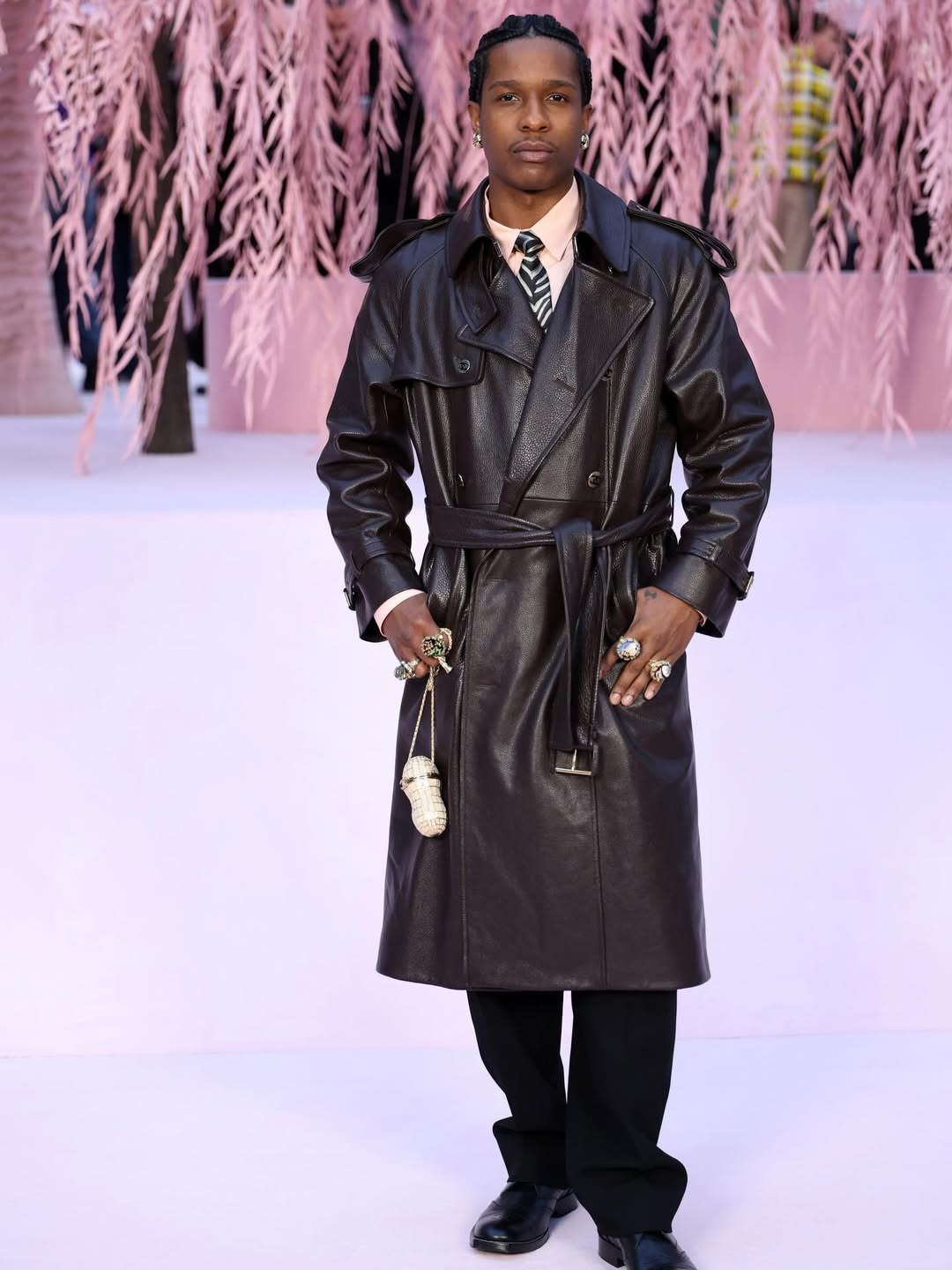
Recent runway collections reveal just how far designers are willing to push the boundaries of classic menswear. Creative reinterpretations of the necktie have appeared across several influential fashion houses, each offering a unique perspective on how the accessory can evolve.
Some designers are experimenting with how the tie interacts with the shirt itself. In certain looks, for instance, the loop of the tie sits outside the collar rather than tucked beneath it, creating a subtly rebellious effect. Others are focusing on knotting techniques, introducing intricate styles that transform the tie into a sculptural centerpiece.
Meanwhile, some interpretations are far more radical. In a few collections, designers have tucked the blade of the tie between shirt buttons. In others, the tie’s length has been dramatically extended, sometimes nearly reaching the knees. There are even examples of ties worn inside out, exposing labels and inner linings to disrupt the polished aesthetic people expect intentionally.
Taken together, these approaches signal something larger than a seasonal trend. They suggest that the necktie is evolving into a flexible accessory capable of reflecting individual identity.
Street Style Is Embracing the Tie Again
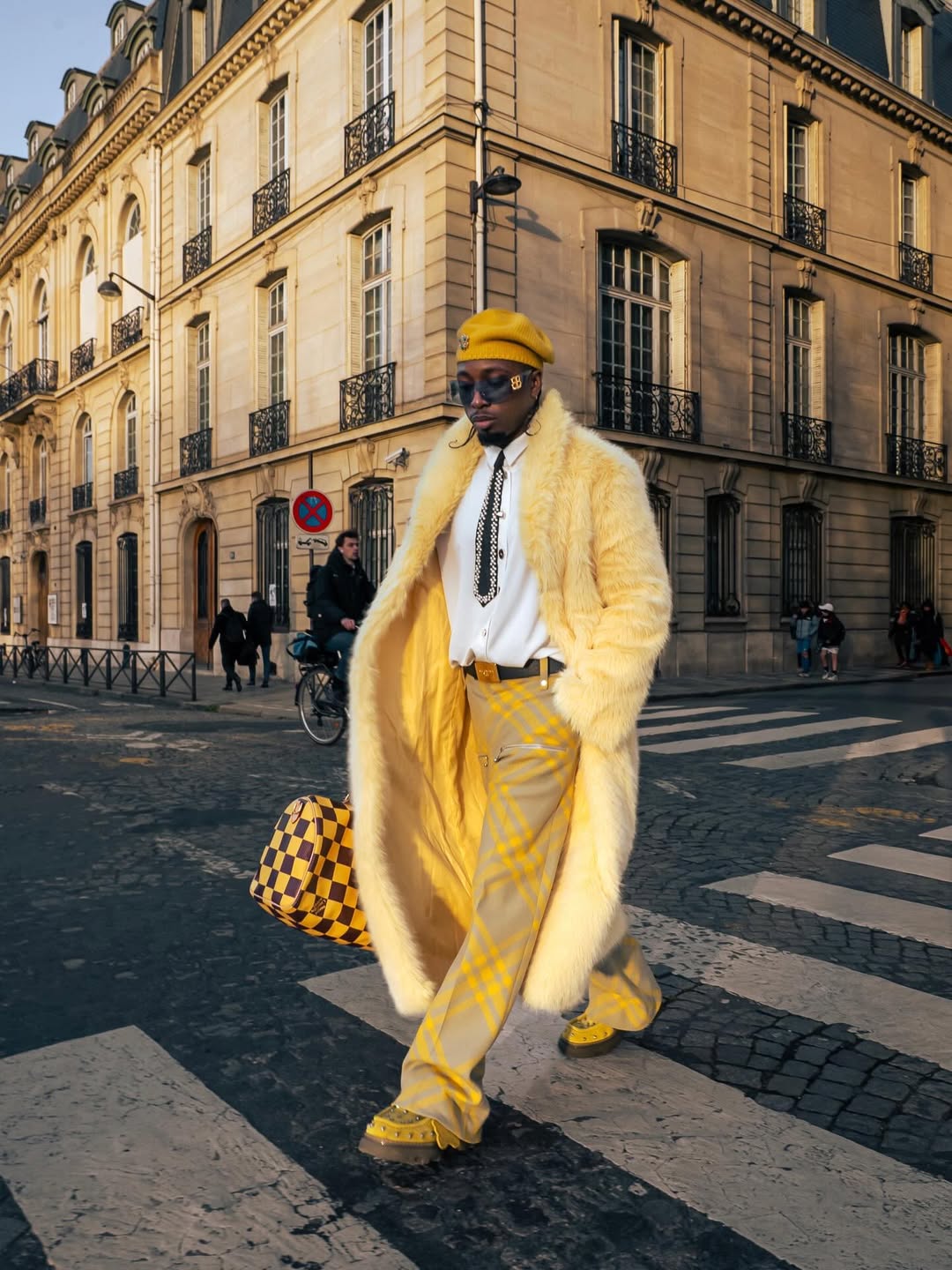
While runway experimentation may start the conversation, street style ultimately determines whether a trend takes hold. In this case, the streets are embracing the tie’s revival with surprising enthusiasm.
Younger dressers, in particular, are pairing ties with oversized shirts, relaxed tailoring, and even casual staples like denim jackets or knit sweaters. Instead of signaling formality, the tie now adds contrast to otherwise laid-back outfits. Depending on how it’s styled, it can feel ironic, playful, or deliberately subversive.
Celebrities have also accelerated this shift. Musicians and actors frequently wear ties loosely knotted, draped open, or intentionally elongated beyond traditional proportions. These styling choices challenge the long-standing rule that a tie should end precisely at the beltline. Today, that guideline feels more like a suggestion than an obligation.
In this new context, the necktie becomes less about etiquette and far more about attitude.

