


Automatic watches are making one of the most stylish comebacks in modern luxury. Once prized primarily by collectors and horology enthusiasts, these mechanical timepieces now represent quiet luxury, exceptional craftsmanship, and enduring style. As tastes shift away from excess and toward authenticity, they embody a new era in which thoughtful design, heritage, and precision define true sophistication for discerning modern wearers.
This resurgence is fuelled by a growing fatigue with disposable digital screens and smartwatches. Modern wearers increasingly crave tangible, analogue objects that connect them to history and artistry. Because an automatic watch winds itself using the natural movement of the wearer’s wrist, it builds a unique, lifelong relationship with its owner, transforming a simple accessory into a functional piece of art. But how did we get here?
A New Era for Watches
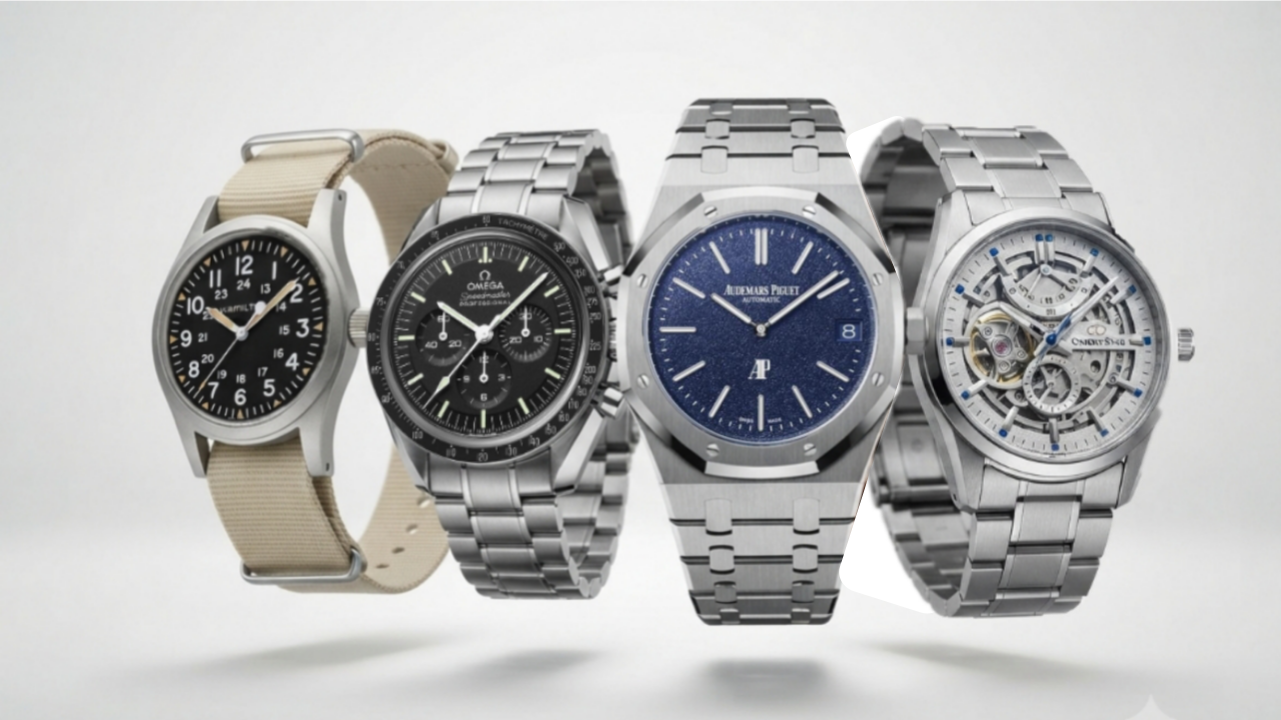
When the Apple Watch debuted in 2015, many wondered whether traditional watchmaking had entered its final chapter. These new smartwatches promised unmatched convenience, health tracking, and seamless integration into daily routines. As a result, mechanical watches suddenly appeared old-fashioned, particularly to younger consumers who had grown up measuring innovation through software updates rather than springs and gears.
Yet despite these dire predictions, the mechanical apocalypse never arrived. Instead of making traditional timepieces obsolete, the saturation of digital screens sparked an unexpected counter-movement, driving a renewed appreciation for the tangible craftsmanship of analogue watchmaking. Traditional watchmakers adapted while preserving the qualities that made their craft unique.
According to the Federation of the Swiss Watch Industry, Swiss watch exports totalled CHF 26.0 billion in 2024. Although that represented a 2.8% decline from the record-breaking 2023 figure, it still marked one of the industry’s strongest performances on record after three consecutive years of growth.
Underlying this resilient market performance is a broader cultural movement toward analogue experiences—a collective preference for quiet luxury over digital noise. Today’s consumers increasingly value tactile, enduring objects. This helps explain why vinyl records continue to outperform expectations despite music streaming and why independent bookstores still attract loyal readers despite e-books. Automatic watches fit naturally within this renewed appreciation for lasting, tangible objects.
This appreciation for quiet luxury has also redefined modern fashion. Today, leading stylists favour subtle statements over loud logos. Look no further than Jeremy Allen White’s collection of vintage timepieces or the iconic Omega Seamaster featured in No Time to Die. These watches do more than tell time; they communicate identity.
But what powers this enduring appeal? Before exploring why collectors love them, let’s look beneath the dial to understand what actually makes a watch automatic.
What Is an Automatic Watch?
An automatic watch is a mechanical timepiece that winds itself using the natural movement of your wrist. Because it powers itself as you wear it, you never need to replace a battery.
How It Works
Inside every automatic watch is a semi-circular metal weight called a rotor. As your wrist moves throughout the day, the rotor spins, winding the mainspring—the tightly coiled spring that stores the watch’s energy.
- Energy Storage: Everyday wrist movement continually winds the mainspring, allowing the watch to operate entirely through mechanical engineering.
- Power Reserve: When removed, most automatic watches continue running for approximately 40 to 80 hours before stopping, depending on the movement.
- Continuous Operation: Wearing the watch regularly keeps it wound and running indefinitely, without manual intervention.
Automatic vs. Quartz Watches
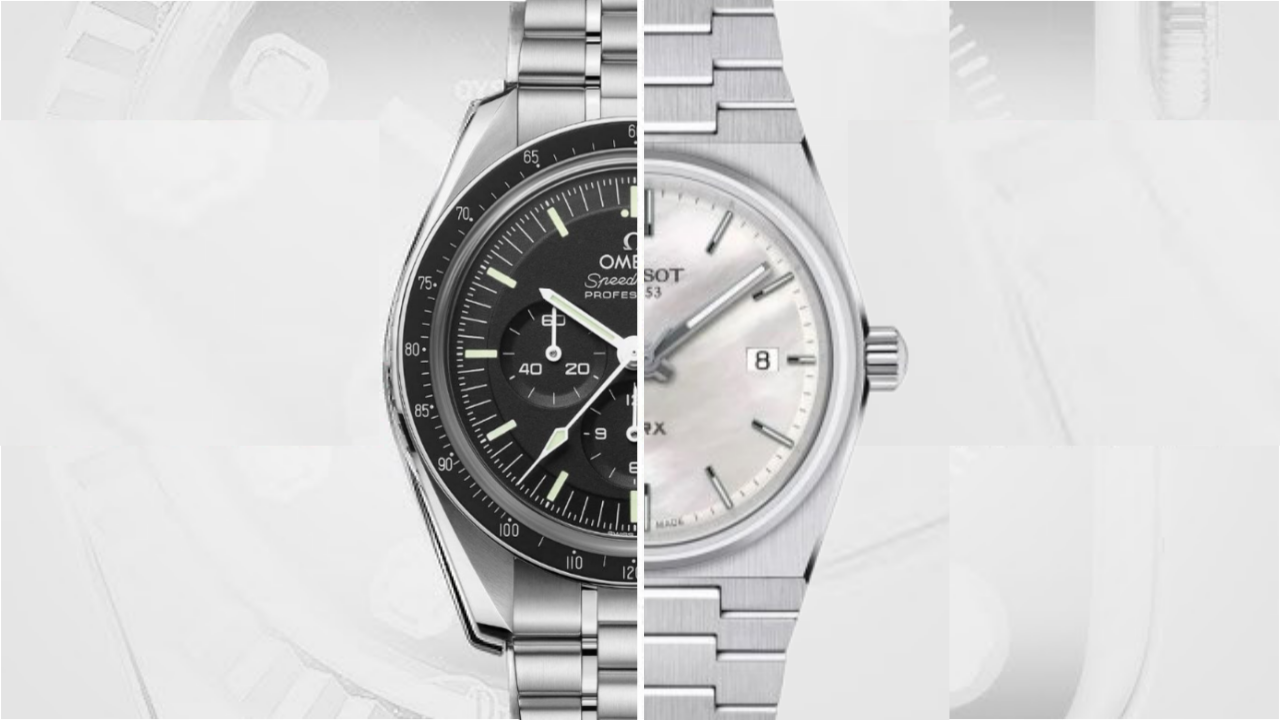
The easiest way to understand the appeal of automatic watches is to compare them with quartz watches. While both tell time accurately, they represent two very different philosophies of watchmaking.
A quartz watch relies on a battery that sends an electrical current through a quartz crystal, creating vibrations that regulate the movement of the hands. This technology is inexpensive to produce, remarkably accurate, and requires very little maintenance beyond replacing the battery every few years.
An automatic watch, by contrast, is powered entirely by mechanical engineering. Every component, from the escapement to the balance wheel, works together through carefully calibrated motion rather than electronic circuitry. Although even the finest automatic watches may gain or lose a few seconds each day, enthusiasts rarely view this as a flaw. Instead, they appreciate the intricate craftsmanship required to achieve such precision using nothing more than springs, gears, and gravity.
This distinction explains why automatic watches continue to command admiration in an age dominated by digital technology. A quartz watch is designed primarily for convenience. An automatic watch, however, is valued as much for the experience of ownership as for its ability to tell time. The smooth sweep of the seconds hand, the visible movement through an exhibition caseback, and the knowledge that hundreds of miniature parts are working together create a level of engagement that electronics simply cannot replicate.
The mechanics explain how an automatic watch works. They don’t, however, explain why so many people become emotionally attached to one.
More Than a Timepiece
Most luxury purchases lose their emotional value over time. Automatic watches often do the opposite. They mark graduations, celebrate promotions, commemorate weddings, and eventually become family heirlooms. Long after a smartphone has been recycled or a laptop replaced, a well-maintained mechanical watch continues measuring time for another generation.
That longevity changes the relationship between owner and object. A mechanical watch is rarely admired solely for its specifications. Instead, it becomes intertwined with the moments that define a life. The longer it stays on the wrist, the more personal its story becomes.
Every scratch records a journey. Every service extends a story. Even the daily ritual of setting the time after a watch has rested for several days creates a connection that digital devices rarely inspire. As legendary watchmaker Philippe Dufour once observed, a mechanical watch is appreciated not because it is the easiest way to tell time, but because it represents the highest expression of traditional craftsmanship.
That emotional connection increasingly resonates with modern buyers. Morgan Stanley and LuxeConsult’s annual Swiss watch industry report has consistently highlighted resilient demand for mechanical luxury watches, even as the broader consumer electronics market continues to evolve.
Rather than replacing technology, automatic watches occupy a different space altogether. They celebrate artistry, patience, and permanence in a world increasingly defined by speed. That enduring emotional value also reflects a broader shift in how people define luxury today.
Choosing Your First Automatic Watch
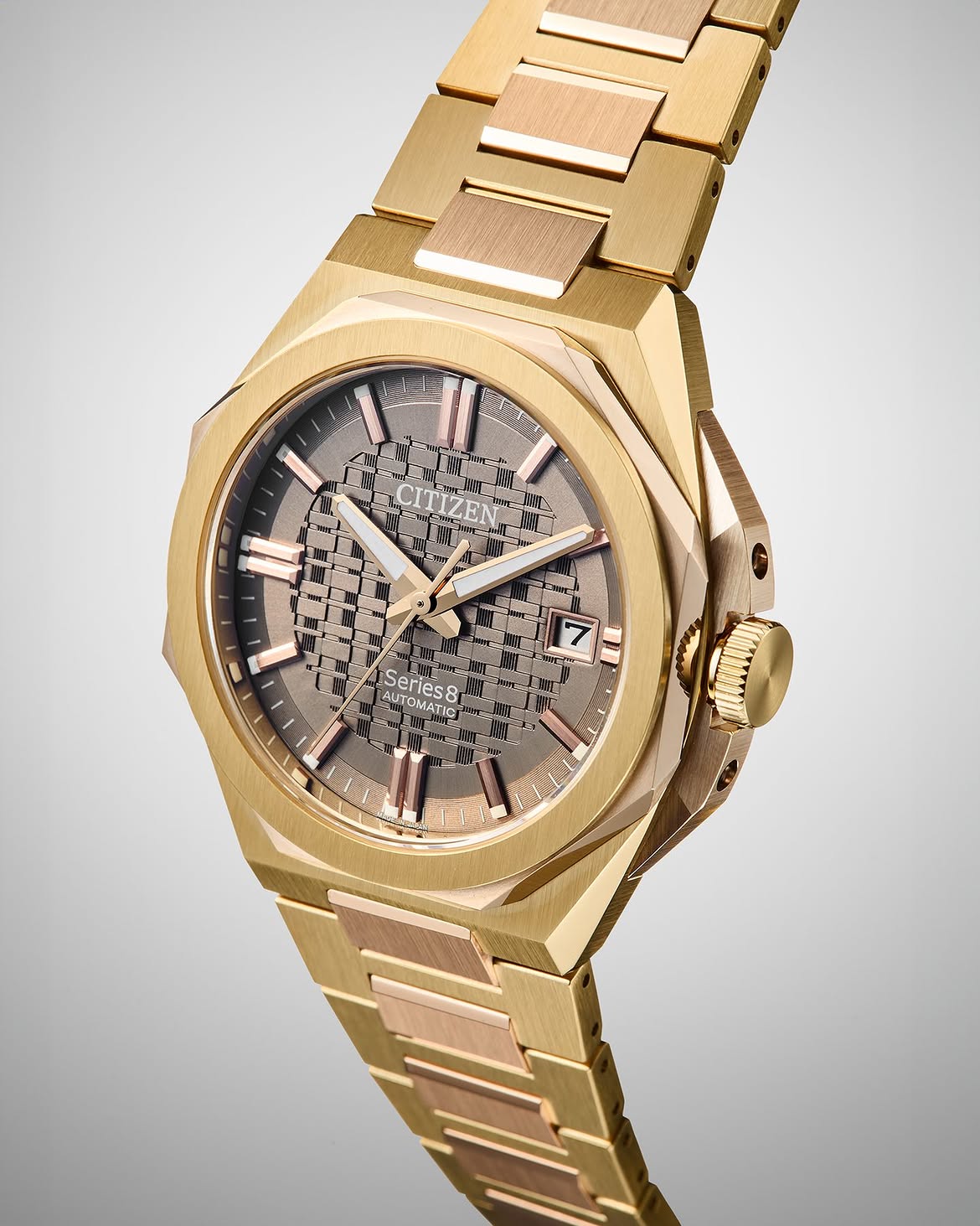
Buying your first automatic watch can feel overwhelming, especially with hundreds of brands, movement types, and price points competing for attention. The good news is that a great first watch isn’t defined by its price tag. It’s defined by how well it fits your lifestyle, personal taste, and willingness to wear it for years rather than months.
Instead of chasing hype or limited-edition releases, focus on timeless design and dependable craftsmanship. The best first automatic watch is usually the one you’ll reach for every morning without second-guessing your choice.
Start With Quality, Not Prestige
For first-time buyers, established brands with proven mechanical movements often offer the best balance of reliability and value. Companies such as Seiko, Citizen, Tissot, Hamilton, and Orient have earned loyal followings by producing automatic watches that combine robust engineering with accessible pricing. Many of their entry-level models also use in-house or highly regarded Swiss and Japanese movements with decades-long track records of dependable performance.
Equally important is choosing a design that will age gracefully. Neutral dial colors such as black, white, navy, or silver pair effortlessly with most wardrobes, while stainless steel cases offer versatility for both casual and formal occasions. A watch should complement your style rather than dictate it.
Buy the Watch You’ll Still Love in Ten Years
Specifications matter, but they should never overshadow comfort. Case size, lug-to-lug length, bracelet fit, and overall wearability will influence your enjoyment far more than an extra few hours of power reserve. A watch that feels balanced on the wrist is one you’re far more likely to wear every day.
It also pays to buy from an authorised retailer or reputable pre-owned dealer. Authenticity, warranty coverage, and service history become increasingly important as your collection grows. The booming certified pre-owned market has made it easier than ever to purchase high-quality mechanical watches with confidence while extending the lifespan of watches already in circulation.
Ultimately, your first automatic watch should feel less like a purchase and more like the beginning of a relationship. It may accompany you to your first major job interview, celebrate personal milestones, or quietly mark ordinary days that later become cherished memories. Years from now, the movement inside the case will still be ticking, but its real value will lie in everything that happened while it was on your wrist.
The Final Tick
Automatic watches have endured because they offer something technology cannot replicate: permanence. They remind us that true luxury is not defined by constant upgrades but by craftsmanship that improves with age. Every movement reflects centuries of innovation, while every wearer adds another chapter to its story. In an increasingly digital world, that quiet sense of continuity is more valuable than ever.
Whether you’re purchasing your first mechanical watch or expanding a growing collection, choosing an automatic timepiece is ultimately an investment in lasting quality and personal meaning. It becomes more than an accessory; it becomes a trusted companion through life’s milestones, carrying memories as faithfully as it keeps time. That enduring connection explains why automatic watches are not merely returning to fashion; they are reclaiming their place as timeless icons.
Featured image: Style Rave Studio
—Read also

