


Starting a yoga clothing line goes far beyond picking colors and slapping on a logo. To create activewear that truly resonates, you need to collaborate with experienced yoga clothing manufacturers who deeply understand the balance between fashion and performance. After all, every decision—from selecting high-performance fabrics to perfecting garment fit and streamlining production—plays a crucial role in building a line that’s as stylish as it is functional. Without the right manufacturing partner, even the best designs can fall short.
So, how do you turn your vision into a retail-ready collection? In this guide, we’ll break down the entire process of starting a yoga clothing line—from concept to final delivery. You’ll discover key customization options, sustainable material choices, and realistic timelines to help you launch with confidence.
Check out the steps to starting a yoga clothing line…
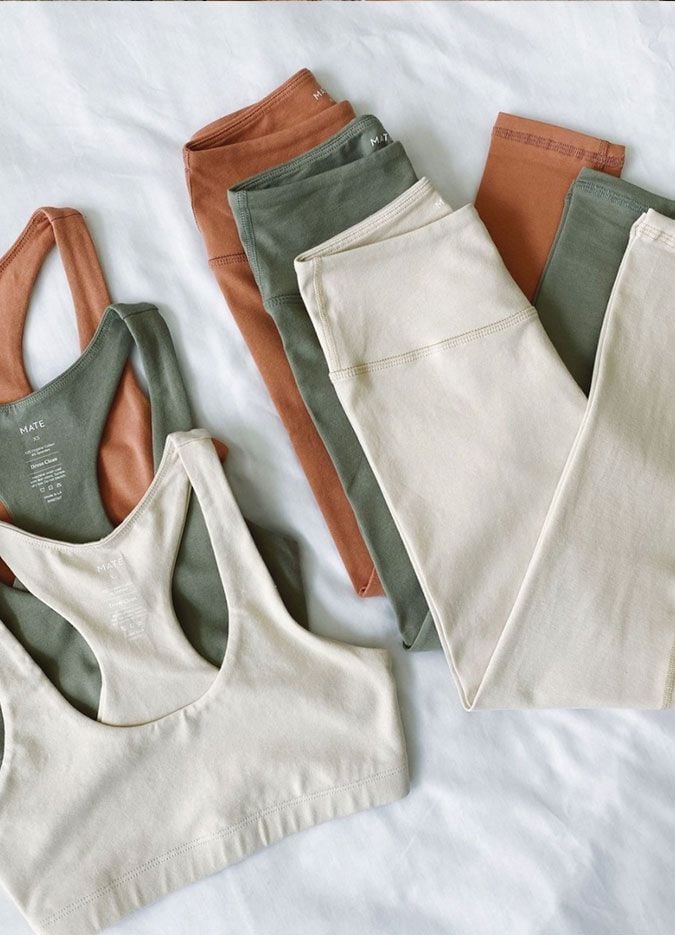
Starting a successful yoga clothing line isn’t just about design—it’s about execution. From concept to final product, a clear, step-by-step process ensures your collection meets quality, performance, and brand expectations. Here’s how to make it happen:
#1. Step One: Define Your Brand and Collection
Before sketching a single legging, clarify your niche. Are you crafting minimalist essentials for everyday wear, bold prints for hot yoga enthusiasts, or eco-conscious activewear for sustainable shoppers? Your brand positioning will shape every decision—from fabric choices to marketing.
#2. Step Two: Choose a Manufacturer
Not all factories are created equal. Partner with a yoga-specialized manufacturer who understands performance fabrics, stretch requirements, and seamless construction. Look for suppliers offering fabric sourcing, sampling, and private labeling—key services that streamline development.
#3. Step Three: Submit Your Designs or Tech Packs
Whether you’re working with sketches, mood boards, or full tech packs (with detailed specs and sizing), clear communication is critical. Pro tip: Many manufacturers provide in-house design support or customizable templates if you’re not a technical designer.
#4. Step Four: Develop and Approve Samples
This is where your vision comes to life—and where adjustments matter most. Test samples rigorously for:
- Fit (does it move with the body?)
- Fabric performance (moisture-wicking? squat-proof?)
- Construction (flatlock seams? reinforced waistbands?)
- Branding (placement of logos, tags, and labels)
#5. Step Five: Confirm Production Details
Once samples are approved, finalize:
- Order quantities (MOQs can vary)
- Colorways & sizing ratios
- Packaging & branding (hangtags, labels, polybags)
Your manufacturer should provide transparent timelines and cost breakdowns before moving forward.
#6. Step Six: Begin Bulk Production
Production kicks off with fabric cutting, sewing, quality control, branding (e.g., tags, labels), and final packaging.
Custom Features for Yoga Tops, Leggings, and Bras
Yoga apparel isn’t just fashion—it’s functional armor. Every piece must move, breathe, and recover like a second skin, enduring sweat, deep stretches, and dynamic flows without compromise. That’s where smart customization becomes your competitive edge.
#1. Yoga Leggings

High-rise waistbands with added compression for core support
- Gusset inserts for comfort and range of motion
- Seamless or flatlock seams to prevent chafing
- Hidden waistband pockets for keys or cards
- Sculpting panels for shaping and aesthetics
#2. Yoga Bras
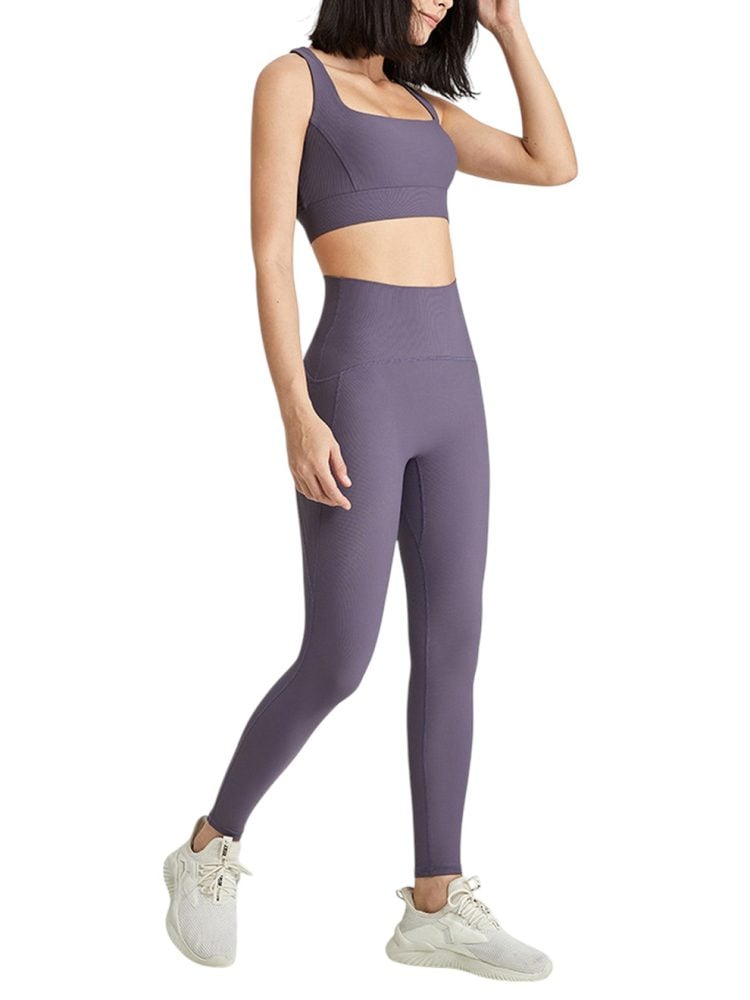
- Removable padding for adjustable support
- Racerback or crisscross straps for flexibility during inversions
- Moisture-wicking linings to handle sweat during heated sessions
- Mesh or cutout detailing for breathability and style
#3. Yoga Tops
Conclusion
Launching a yoga apparel collection is a rewarding journey, but it starts with the right partner. Collaborating with experienced yoga clothing manufacturers ensures that your products meet the performance, aesthetic, and comfort needs of modern yoga enthusiasts.
By following a structured development process, selecting the right fabrics, customizing garment features, and aligning with sustainable values, your brand can deliver clothing that supports movement and mindfulness—on and off the mat.
Featured Image: Women’s Best/Pinterest
For the latest in fashion, lifestyle, and culture, follow us on Instagram @StyleRave_
—Read also

