Wednesday, May 6, 2026
HomeFashionThe Stunning Rise From Visibility to Ownership

The Stunning Rise From Visibility to Ownership


Black fashion has always been the blueprint. The silhouettes, the swagger, the culture, the color, the references that luxury houses quietly borrow and runway shows enthusiastically co-opt, all trace back to the same source. Black creativity has been setting the agenda for decades. The world just kept cashing the cheques while the originators watched from the outside. That era is ending. Loudly. Unapologetically. One brand, one collection, one investment round at a time.

The conversation in fashion today isn’t just about visibility anymore—who’s in the campaign, who’s on the front row, whose aesthetic is being referenced. The conversation is about ownership. Who holds the equity? Who controls the narrative? Who builds the heritage brand their grandchildren will inherit? Black designers, founders, and creatives globally are answering that question with their work.

The Gap Between Influence and Ownership Is Still Outrageous

Let’s not dress this up. The fashion industry has a habit of celebrating Black culture while systematically underfunding the people who created it. The receipts are not flattering.

Reports show that only 1% of all venture capital investments go to Black founders. One percent. In an industry shaped by Black aesthetics, Black music, and Black street culture for generations, designers of color represent just one percent of designers at major department stores. And while more than 64% of New York fashion students identify as BIPOC, fewer than 10% of funded brands reflect that reality.

The talent is there. The creative vision is there. The cultural currency is undeniable. What has been systematically withheld is capital, retail access, and institutional support, the ingredients that turn a brilliant brand into a lasting one.
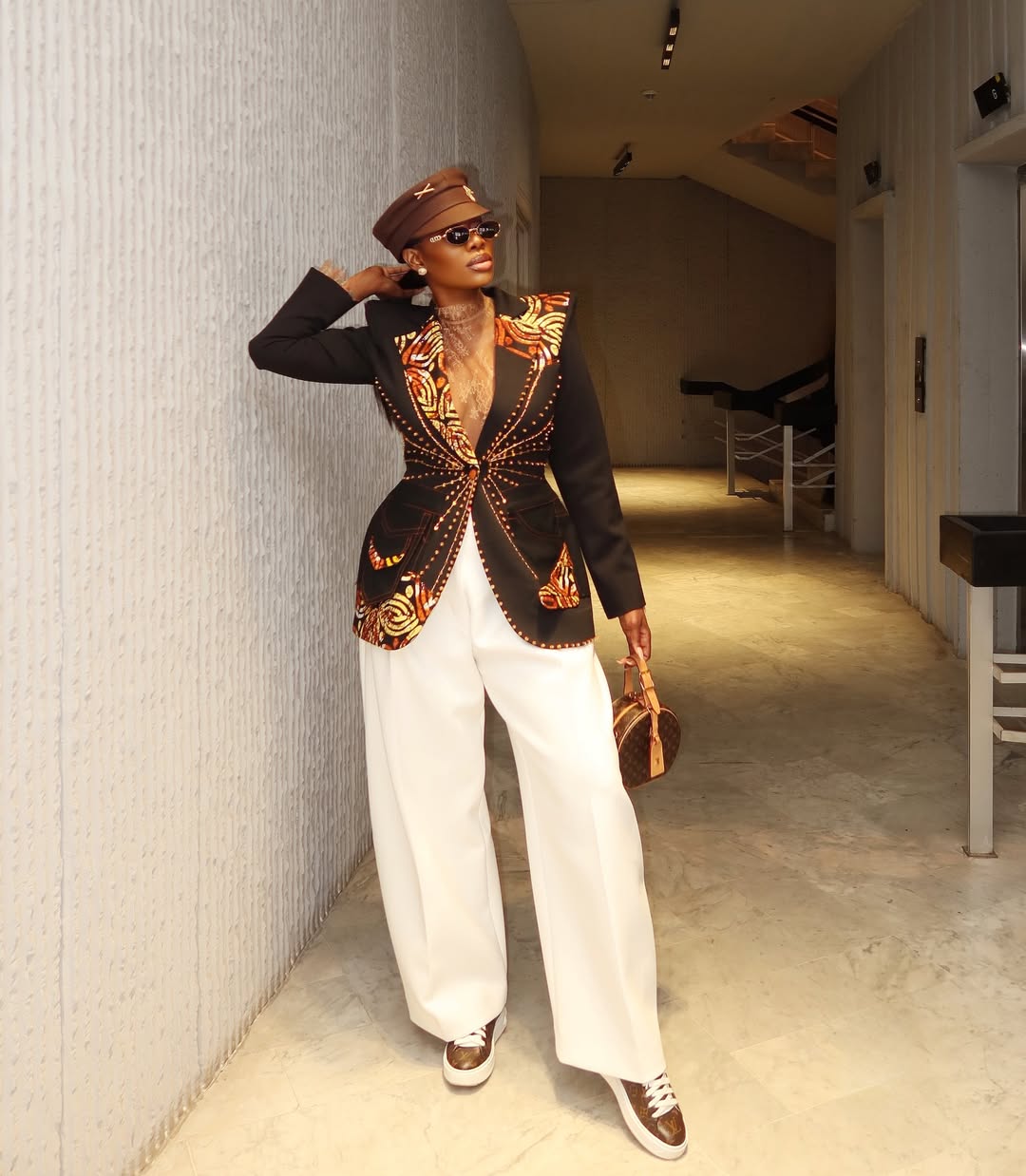
Black fashion power
Photo: @lyons_studio_/Instagram

Black designers have long been called on to energise fashion, move culture forward, and define what’s next, often without the structural support required to sustain that work. The industry loves the look but not the lineage. It borrows the aesthetic but not the architect. That is the gap. And it is finally—finally—being confronted.

What Ownership Actually Looks Like
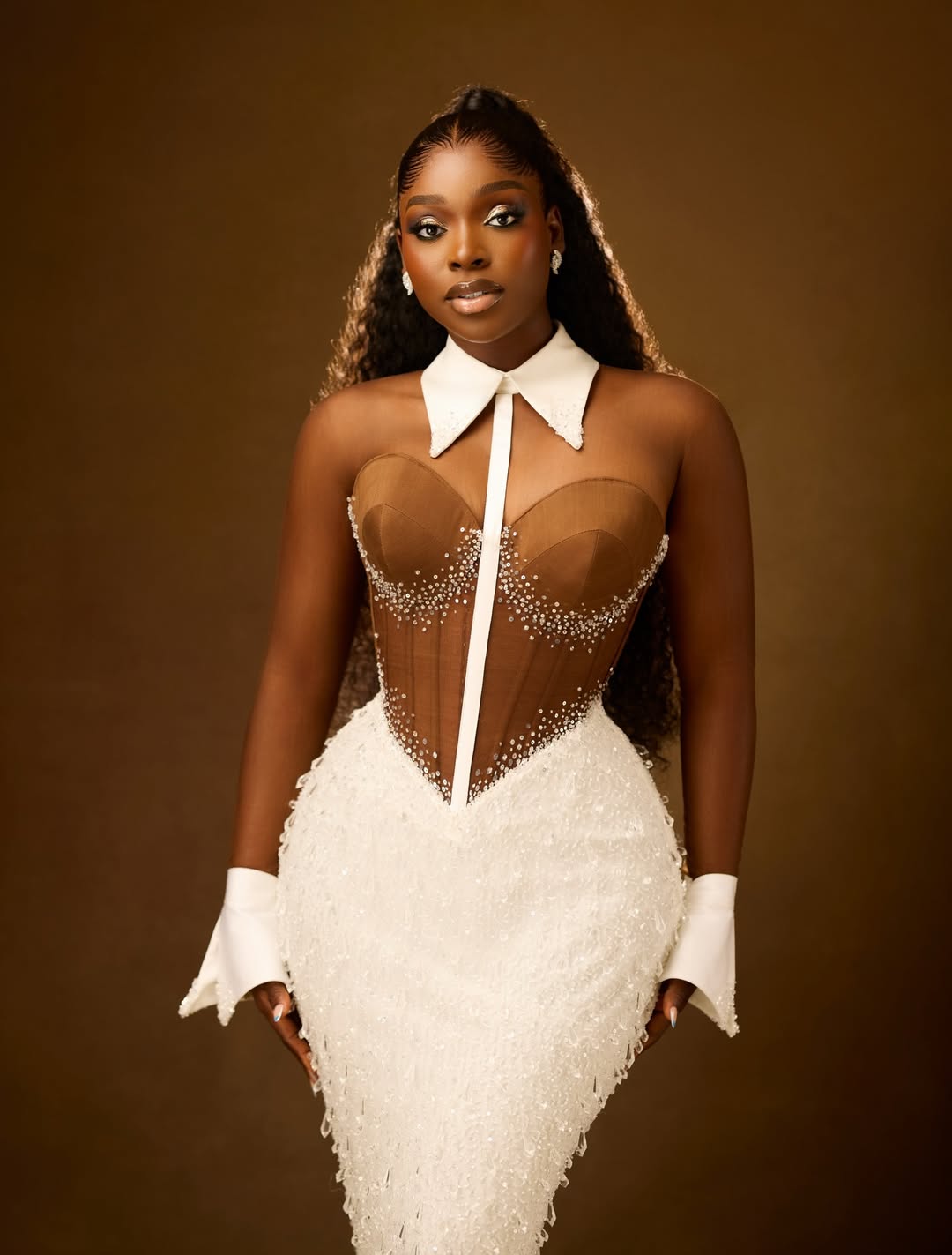
Black fashion
Photo: @olamide_david/Instagram

Ownership in fashion isn’t one thing. It’s a spectrum, and Black creatives are operating across every point of it. These designers are proving that Black fashion is no longer just influencing the industry; it is building and owning it.

#1. Telfar Clemens
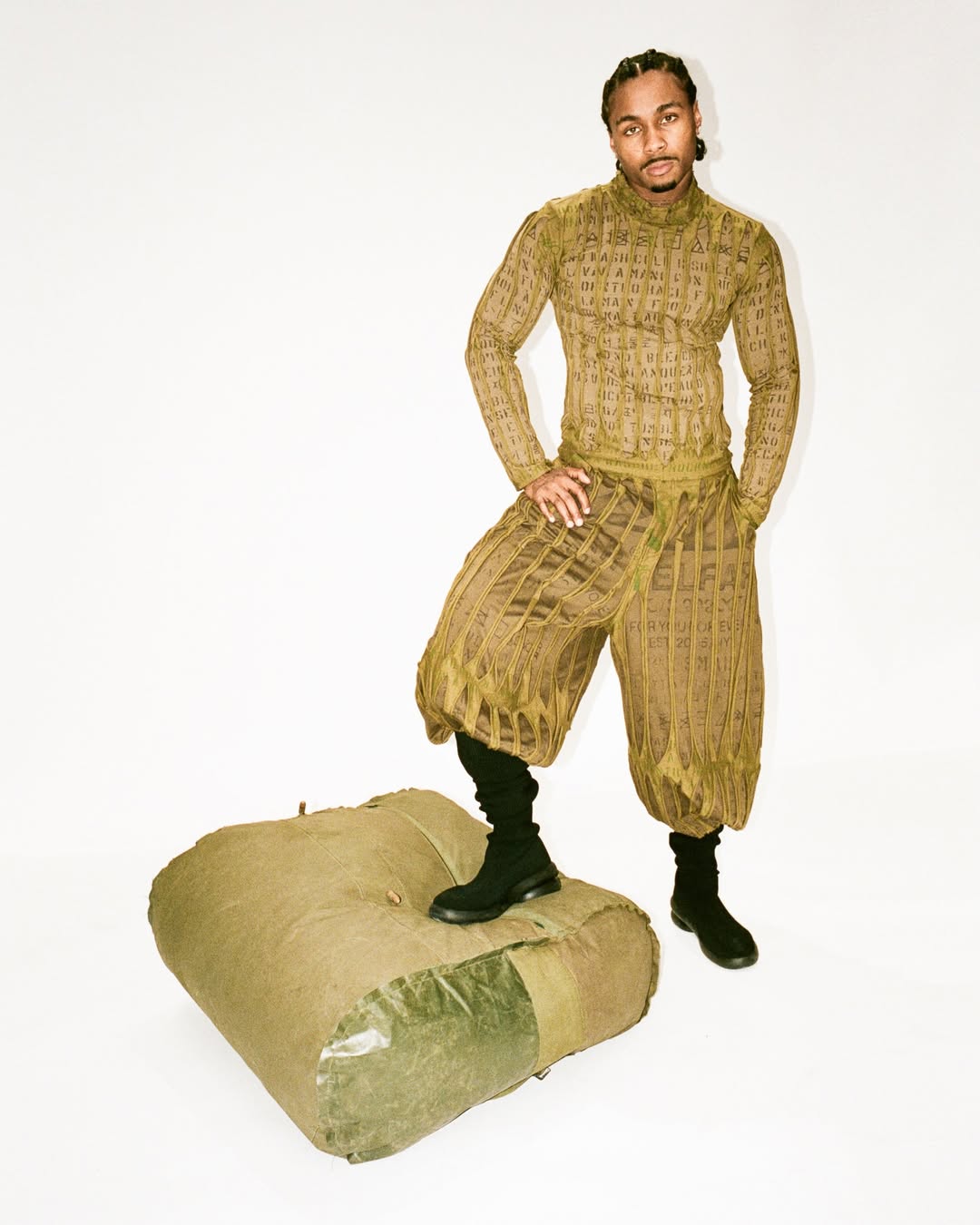
Photo: @telfarglobal/Instagram

Telfar built a brand so community-rooted and culturally significant that the “Bushwick Birkin” became one of the most coveted bags in the world. With accessibility at its core, he challenged every assumption luxury fashion makes about who deserves beautiful things.

#2. Wales Bonner

Photo: NOUA UNU STUDIO for Wales Bonner

Wales Bonner’s entire design language is rooted in Black Atlantic culture. Winning the BFC/Vogue Designer Fashion Fund and securing spaces at Net-A-Porter and Dover Street Market proved that intellectual depth and commercial success can coexist within the same brand. Not a moment. A movement.

#3. Anifa Mvuemba (Hanifa)

Photo: Hanifa

Anifa Mvuemba shook the entire industry with Hanifa’s groundbreaking 3D digital fashion show. She proved that cultural currency does not require traditional fashion gatekeepers. Vision, craft, and community can build power faster than permission ever could.

#4. Kenneth Ize

kenneth ize black fashion designers
Photo: James Tennessee Briandt for Kenneth Ize

Kenneth Ize continues to merge Nigerian textile heritage with contemporary luxury fashion. His work proves that African craftsmanship is not a niche story; it is part of the future of global luxury.

#5. Veekee James 

Photo: @photokulture/Instagram

Veekee James Atere brings a different kind of power to modern fashion—one rooted in precision, elegance, and unapologetic femininity. Her designs celebrate the female form with sculpted silhouettes, intricate detailing, and a deep understanding of what it means to dress with intention. Where others chase trends, her work feels timeless, commanding attention without ever asking for it.

#6. The African Designers Building Legacy

Photo: @andreaiyamah/Instagram

Across Africa, designers are building brands that carry heritage and modernity simultaneously: Maximilian Davis, Tokyo James, Andrea Iyamah, and Frank Aghuno. The result is fashion that tells stories no European house can replicate, because they are not their stories to tell.

NYFW Fall/Winter 2026: The Slimmer Roster That Exposed Everything

sergio hudson black fashion designers
Photo: @sergiohudson/Instagram

At New York Fashion Week Fall 2026, a smaller but impactful group of Black designers anchored the calendar—Sergio Hudson, LaQuan Smith, and Rachel Scott, alongside Black women–owned brands like Nardos, Aisling Camp, and Esé Azénabor. The roster was slimmer, and the conversation it sparked was overdue. A reduced lineup does not signal a lack of talent or ambition. It exposes the limits of an industry still reluctant to invest beyond aesthetics.

Visibility alone has never been the solution. What’s needed is real capital, consistent retail partnerships, and an ecosystem that allows Black designers not just to arrive on the calendar, but to remain there season after season. That is the gap between visibility and ownership in its clearest form: showing up is not enough if the infrastructure to stay is never built.

The African Fashion Piece of This Story

Black fashion
Photo: @photogirlnaija/Instagram

The Black fashion ownership conversation is not exclusively American, and it would be a mistake to frame it that way. Across Lagos, Accra, Nairobi, Johannesburg, and beyond, designers are building brands with global reach and genuine heritage value.

They are not waiting for Western validation. They are creating their own ecosystems, their own fashion weeks, and their own luxury positioning—on their own terms. Events like Lagos Fashion Week and Accra Fashion Week reflect that shift.

When Osas Ighodaro appears at a global event wearing an African designer, it is not just a style choice. It is an economic decision. A cultural statement. A redirection of attention and money toward Black ownership.

The rate of entrepreneurship among Black women continues to grow, yet the gap between starting and sustaining remains significant. That gap is where the real work lies. And the African fashion ecosystem is increasingly building the infrastructure to close it, through community, investment, and the deliberate choice to buy Black fashion, not just admire it.

The Culture vs Commerce Conversation

Photo: @egnon._/Instagram

Here is where it gets real. Black fashion has always had cultural power. The defining question now is whether that power can be converted into economic power—consistently, sustainably, and generationally. If the goal is to build Black fashion into heritage brands with the staying power of Ralph Lauren or Chanel, it won’t happen by accident. It starts with intentional support for designers who build for the culture, not just the calendar.

That means buying the brands, not just liking the posts. It means writing about them, stocking them, and investing in them. It means wearing them to the boardroom, the wedding, the dinner, and saying the designer’s name when someone asks. It means treating Black fashion not as a seasonal trend, but as a permanent, essential, and irreplaceable part of the global fashion story.

Black fashion built the culture. Now it is building the legacy. And the only question left is whether the industry, and the consumers who claim to love it, will show up with the same energy for ownership that they showed for influence.

The blueprint has always been Black. It’s time the deed was too.

Featured Image: ALÁRA


Source link

RELATED ARTICLES

LEAVE A REPLY

Please enter your comment!
Please enter your name here

Most Popular