


Streetwear and luxury fashion used to know their place. High fashion sat firmly at the top—the runways, the houses, the couture. Street style existed somewhere below. Interesting, sure. Photographed outside the shows, definitely. But not taken seriously as a source. Not treated as the thing that actually tells the truth about how people dress, what they want, and where culture is going.
2026 has officially ended that hierarchy. And the people most responsible for dismantling it are Afrobeats artists, athletes, influencers, and everyday stylists whose approach to dressing has become the industry’s most reliable compass. The relationship between streetwear and luxury fashion has never been more equal, and the streets didn’t wait for permission to make that happen.
Streetwear And Luxury Fashion: What Happened, Exactly?

The shift between streetwear and luxury fashion has been building for over a decade, but a few factors collided to create a clear turning point.
First, the internet completely democratised fashion visibility. When anyone can build a platform, and that platform can reach millions, the arbiters of style are no longer gatekept by geography, wealth, or industry access. A stylist in Lagos with 200,000 followers is influencing buying decisions, and sometimes even designer choices, in ways that were impossible fifteen years ago.
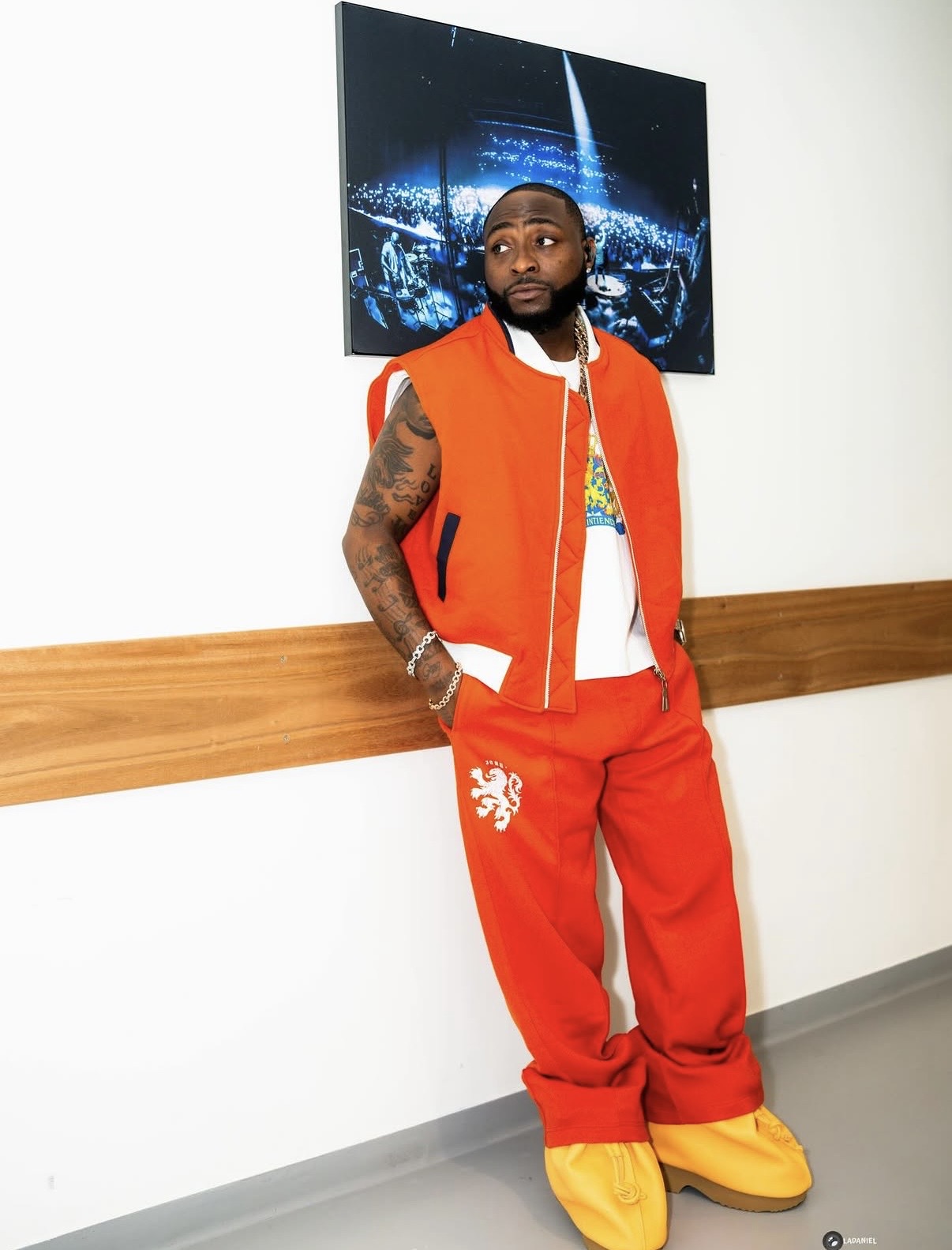
Second, music has played a role. In the African context, Afrobeats’ global takeover has been as much a fashion story as it is a music one. Artists like Burna Boy, Tems, Asake, and Davido don’t just perform globally; they dress globally, blending streetwear and luxury fashion with African design in distinctive ways. When Burna Boy steps out in a custom Mowalola piece, or Tems wears an edgy gown that references her Nigerian heritage on an international stage, those are style statements that travel. Designers notice. The market notices.
See More


