


For years, haircare has focused almost entirely on what is visible—the shine, the length, the styling, the finish. But the real story begins much earlier: at the scalp, where hair is formed, nourished, and sustained. Consistent scalp care is not about complexity. It is about rhythm. When the scalp is regularly cleansed, balanced, and nourished, it begins to function more steadily. The result is less buildup, better moisture balance, and a healthier environment for growth.
Over time, that consistency reflects in the hair itself. Strands feel stronger. Breakage becomes less frequent. Texture begins to look supported rather than stressed. It is not an overnight transformation. It is a quiet shift that happens through repetition, not intensity. And that is where modern scalp care starts to feel less like a trend and more like essential maintenance.
Your Scalp Is Skin, And It Has Been Waiting for Attention

It sounds obvious, but it changes everything: the scalp is skin. It reacts, builds up, gets irritated, becomes dry, produces oil, and needs balance—just like the face. Yet for years, it has been treated as an afterthought. We layered heavy products, ignored flakes, overwashed or underwashed, and expected results from conditioners alone.
Eventually, a neglected scalp responds. Sometimes, as slow growth. Sometimes as breakage, itchiness, tenderness, or excess oil. Sometimes as hair that simply refuses to thrive, no matter how expensive the products become. Hair health is often judged at the ends when the real issue begins at the root.
Why Scalp Health Directly Impacts Hair Growth
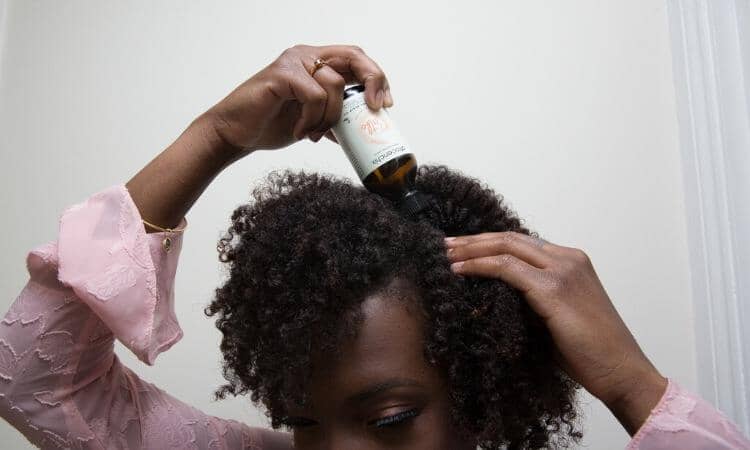
Hair does not grow from the strands; it grows from the follicle beneath the scalp. That is why scalp health plays a direct role in how hair behaves over time. When the scalp is clogged with buildup, dryness, or excess oil, the follicle environment becomes less efficient. Growth may appear slower, weaker, or inconsistent—not because the hair itself is damaged, but because the foundation is imbalanced.
A clean, well-nourished scalp, on the other hand, allows follicles to function under better conditions. This is where ingredients like peptides, botanical extracts, and conditioning actives come in. They are not designed to “force” growth, but to support the scalp’s natural cycle.
This shift explains why scalp serums have become central to modern routines. Formulations featuring complexes such as Capixyl® and Redensyl®, alongside hydrating agents like panthenol and glycerin, are designed to create an environment that supports healthier-looking growth over time. Scalp health does not guarantee length, but it strongly influences the conditions in which hair grows.
Check out proven ways to take care of your scalp for healthier hair…
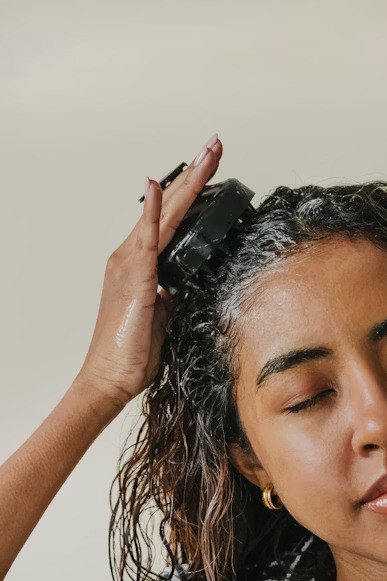
Healthy hair begins with consistent, intentional scalp care. While products can help, the real difference comes from habits that support balance over time. These are the practices that have been proven to improve scalp health and, in turn, support stronger, more resilient hair.
#1. Cleanse regularly, but not aggressively
A balanced scalp starts with proper cleansing. Product buildup, excess oil, and environmental residue can clog follicles and disrupt growth. Use a gentle, sulfate-free shampoo that removes buildup without stripping natural oils. The goal is a clean scalp that still feels comfortable, not tight or dry.
#2. Exfoliate occasionally to remove buildup
Just like facial skin, the scalp benefits from occasional exfoliation. Chemical exfoliants (like salicylic acid) or mild physical scrubs help lift dead skin cells and product residue. This keeps follicles clear and allows treatments to penetrate more effectively. Once a week (or even less, depending on your scalp) is enough.
#3. Keep the scalp hydrated
Dryness often leads to irritation, flaking, and breakage over time. Lightweight scalp serums or hydrating tonics with ingredients like aloe vera, glycerin, or hyaluronic acid help maintain moisture balance without weighing the hair down.
#4. Massage to stimulate circulation
Scalp massage is one of the simplest, most effective habits. Using your fingertips or a soft scalp brush for a few minutes daily helps stimulate blood flow to the follicles, supporting healthier growth conditions over time. Consistency matters more than pressure.
#5. Be mindful of tension from styling
Tight hairstyles, especially braids, ponytails, or extensions, can stress the scalp and lead to thinning around the hairline. Giving your scalp regular breaks and opting for looser styles when possible helps reduce long-term damage.
#6. Use targeted treatments when needed
If you’re dealing with specific concerns like shedding, dandruff, or irritation, introduce targeted treatments. Ingredients like niacinamide (for balance), tea tree oil (for soothing), or peptide complexes (for strengthening) can help address issues at the root level.
#7. Stay consistent with your routine
The most important factor is consistency. Scalp care is not about quick fixes—it’s about building a routine that supports long-term health. Simple habits, done regularly, will always outperform complicated routines done occasionally.
Here are scalp serums redefining care from the root up…
Scalp care has evolved into something more targeted and intentional, with serums leading the move toward root-focused treatment. Here are our editors’ favorites worth trying:
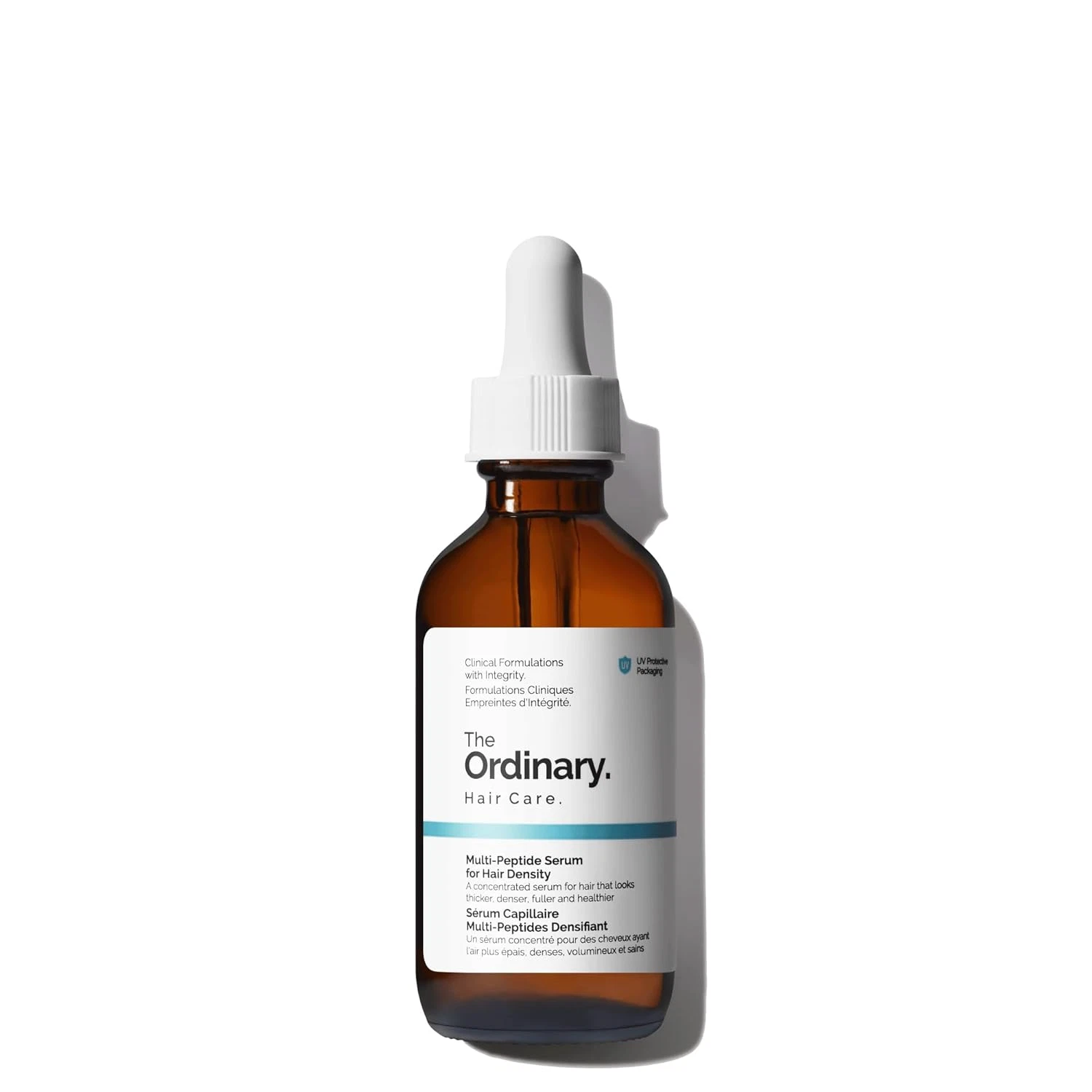
#1. The Ordinary Multi-peptide Serum for Hair Density
Shop here
Helps improve the appearance of fuller, denser hair by supporting scalp health and strengthening the follicle environment over time.
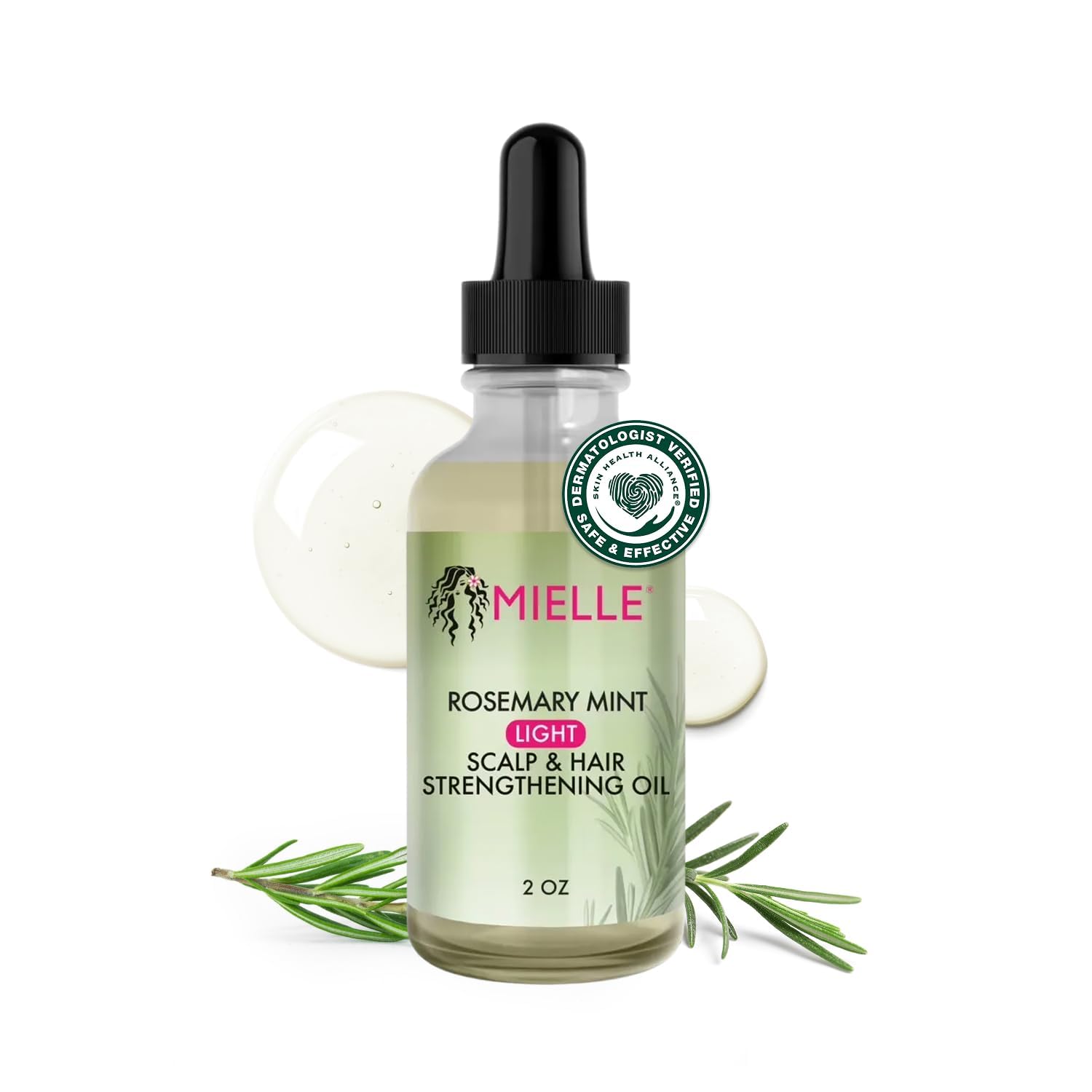
#2. Mielle Rosemary Mint Scalp & Hair Strengthening Oil
See More

