


Men’s footwear in 2026 is no longer about dressing up or dressing down; it’s about moving through life without switching personalities. Office days blur into late dinners, flights turn into meetings, and weekends feel like extensions of the workweek. Because of that, shoes now carry more weight than style alone. They signal how easily a man can shift between worlds without looking out of place.
The idea of owning dozens of shoes is fading. Instead, men are choosing fewer pairs that do more work. This shift has reshaped how designers think about construction, comfort, and appearance. Materials are lighter yet more durable, silhouettes are refined without becoming formal, and performance features once reserved for athletic footwear now appear in everyday staples everywhere with remarkable ease.
Today’s capsule wardrobe centers on just three pairs: a refined sneaker, a versatile loafer, and a resilient travel shoe. Together, these styles seamlessly cover every aspect of your day without a second thought. The goal is not a closet full of variety, but a few pairs that offer just the right versatility without compromise.
The Three-Shoe Rule: Why Less Has Become More
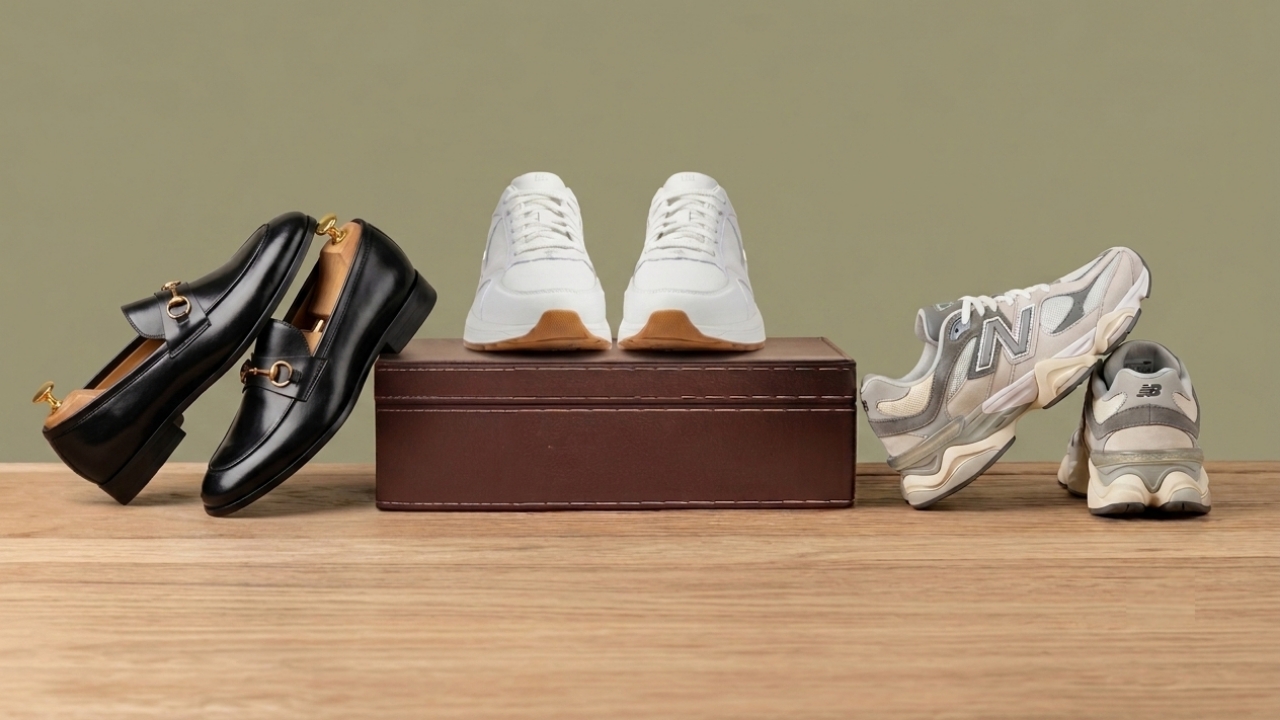
The modern closet is undergoing a radical downsize. What was once celebrated as a sign of wealth is now viewed as an operational inefficiency. In 2026, forward-thinking men are adopting what style experts call the “Three-Shoe Rule,” a philosophy rooted in utility, premium craftsmanship, and extreme adaptability.
Put simply, the principle suggests that rather than owning a dozen specialized pairs, men should invest in three high-quality anchors that dominate different areas of life while maintaining crossover potential. A well-made loafer handles office responsibilities yet transitions seamlessly into evening social settings; a hybrid walking sneaker performs during long-haul travel while remaining presentable at a restaurant; a minimalist white leather sneaker elevates weekend outfits without sacrificing comfort.
This shift from quantity to quality is heavily supported by global retail performance. Data provided by Marketintelo highlights an $11.2 billion surge in the global capsule wardrobe, proving that men are actively abandoning overflowing closets in favor of intentional, streamlined, high-value essentials. Therefore, the challenge is not finding dozens of good shoes. The challenge is identifying the three categories that provide the highest return on investment.
This guide is built around that idea.
Here are 3 essential shoes every man needs in 2026…
Loafers: The Essential Men’s Shoe for Professional Style
The loafer has quietly taken over the modern office; not with drama, but with ease. In many workplaces, the strict suit-and-tie code has softened into something more fluid. As a result, men are reaching for shoes that look sharp without feeling rigid. The loafer sits exactly in that space. It slips on quickly, looks refined, and avoids the stiffness of traditional lace-up dress shoes.
In 2026, this shift is even more visible in creative industries, tech offices, and hybrid workplaces where meetings happen both in person and online. A structured black leather loafer now signals the same authority an Oxford once did, but with less effort. Meanwhile, suede versions bring a softer edge that fits smart-casual environments without looking underdressed.
The popularity of loafers has also been amplified by fashion’s ongoing fascination with quiet luxury. Rather than flashy logos or exaggerated silhouettes, today’s influential style movement favors understated quality. A well-crafted loafer communicates confidence without demanding attention. That subtle appeal explains why the aesthetic is seen in the wardrobes of actors like Jacob Elordi or athletes stepping off private jets in tailored off-duty looks.
Unlike many footwear trends, loafers are not new. Their history stretches back more than a century. Yet their relevance has never been stronger. In an era where flexibility defines success, the loafer has become the ultimate workplace hybrid.
Material & Construction: What Makes a Great Loafer?
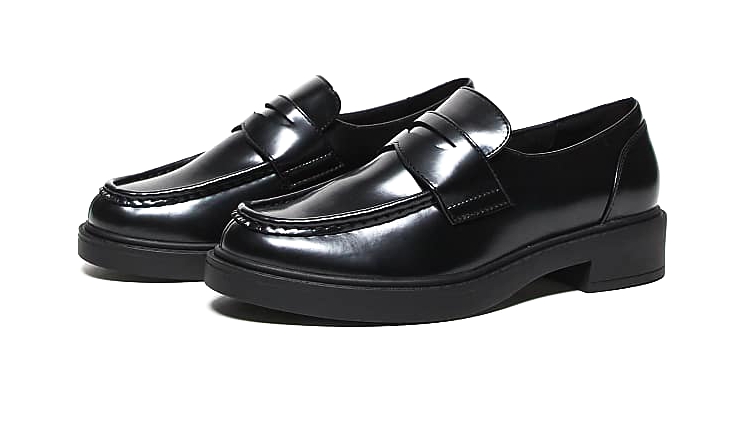
Not all loafers are created equal. While countless options fill retail shelves, material quality remains the single most important factor separating an investment piece from a disposable purchase.
The Leather
Full-grain leather remains the strongest choice. The material develops character over time, adapts to the shape of the foot, and maintains a refined appearance through years of wear. Unlike heavily corrected leather, full-grain varieties retain their natural surface and develop a natural patina that makes the shoe look better the more it is worn.
The Palette
For professional environments that lean conservative, smooth black leather remains the safest choice. Brown leather offers a different kind of versatility that feels warmer and more contemporary, integrating naturally into smart-casual wardrobes. Suede, however, presents another compelling alternative that works best in smart-casual offices where dress codes are flexible.
The Support
Traditional Goodyear-welted loafers remain highly respected because they can be resoled repeatedly. This process extends the lifespan of quality footwear dramatically. While such construction often carries a higher initial price, the long-term value becomes clear after years of ownership.
Meanwhile, modern manufacturers increasingly blend classic craftsmanship with athletic-inspired engineering. Some use hidden cushioning inside the footbed, which softens impact without changing the shoe’s clean silhouette. This shift matters because office life today is less static. Men move between desks, meetings, commutes, and after-work plans without changing footwear.
The Integrity
A well-made loafer uses reinforced stitching at stress points, especially around the heel and vamp. This prevents the shoe from collapsing over time. A slip-on design should still feel secure, not loose. If the heel lifts too much, the shoe quickly becomes impractical for daily wear. The balance is simple: elegance on the outside, comfort on the inside. The best loafers do both without drawing attention to how they are built.
How to Style Loafers for Men in 2026
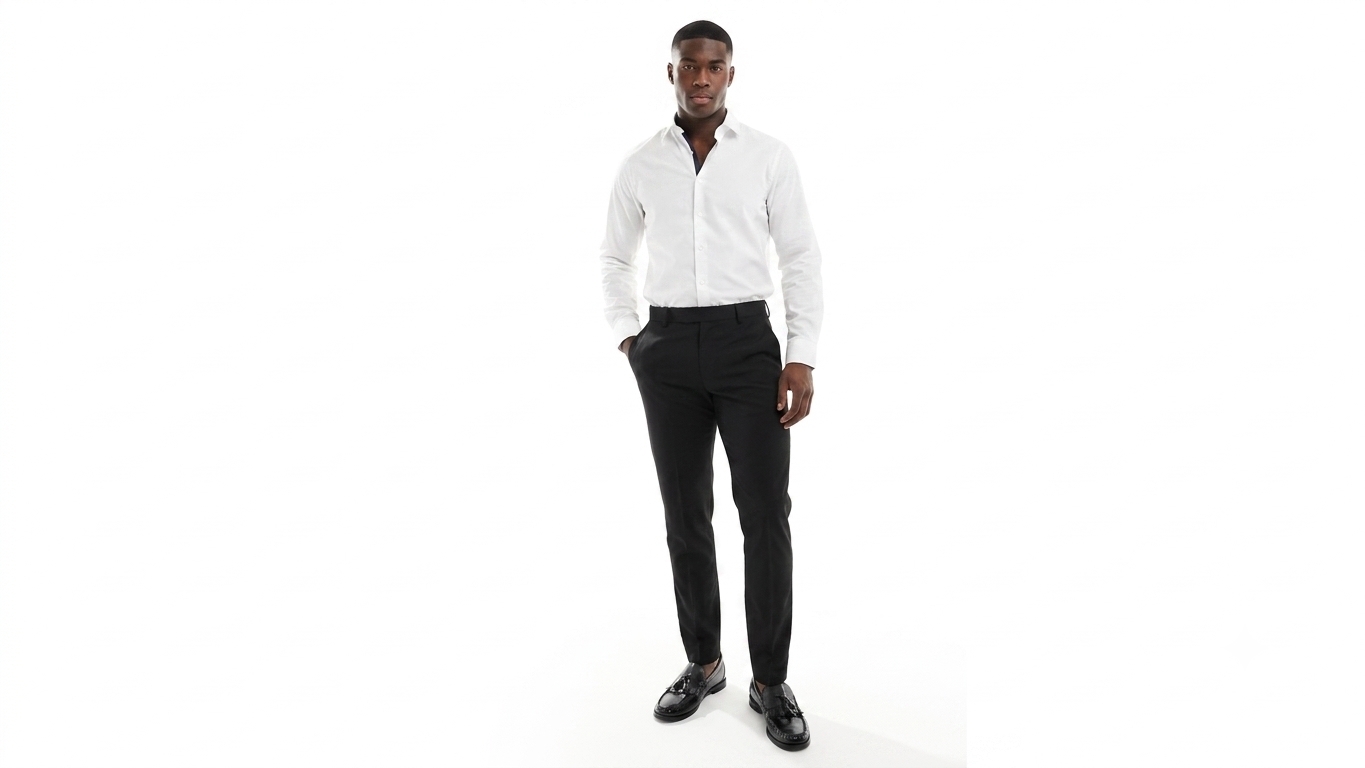
Versatility explains why loafers remain indispensable. Few footwear categories move between formal and casual environments so effortlessly. However, styling loafers in 2026 is less about formality and more about intention.
For formal environments, black leather penny loafers remain exceptionally effective. Pair them with a tailored charcoal suit with a crisp white shirt, or a textured navy blazer and dress pants. In many offices, this combination eliminates the need for a tie while preserving a polished appearance. The shoe anchors the overall look, keeping it sharp even when the rest feels less rigid.
In smart-casual workspaces, brown suede loafers excel. Pair them with slim-fit navy chinos and a crisp white or light blue button-down shirt. The combination communicates competence while avoiding excessive formality. It has become a favorite among consultants, marketing professionals, and startup founders.
Another successful formula combines brown leather loafers with olive chinos and a knitted polo. You can also transition into dinner settings by wearing your loafers with pleated trousers and a lightweight knit. This flexibility reduces the need for multiple formal shoes while still covering different levels of dress.
What Are the Best Office Shoes for Men?
The best office shoes for men are leather loafers that balance structure with comfort. They work because they remove unnecessary effort from daily dressing while still looking refined enough for professional environments. In 2026, offices reward ease as much as appearance, and loafers sit perfectly at that intersection. As a result, the ideal office shoe must perform across multiple scenarios rather than a single setting.
Key features to look for:
- Leather Quality: Full-grain leather lasts longer, ages better, and maintains its shape under daily wear.
- Underfoot Comfort: A flexible sole with light cushioning reduces fatigue during long hours on your feet or moving between meetings.
- Precision Fit: A secure heel and snug midfoot prevent slipping, which is essential for all-day wear.
- Aesthetic Versatility: Classic black or dark brown leather often provides the highest return on investment, integrating easily with multiple wardrobe combinations.
In practical terms, the best loafers are the ones you forget you are wearing. They should not demand attention. They should feel equally appropriate during a morning presentation, an afternoon client meeting, and an evening dinner reservation.
Fashion trends may change. Office cultures may shift. Yet the combination of comfort, versatility, and timeless design ensures that loafers remain one of the smartest footwear investments a man can make in 2026.
Hybrid Sneakers: The Best Walking Shoes in 2026
Travel in 2026 is faster, denser, and less predictable. One day it is a short regional flight, the next it is a full-city itinerary that runs from morning café stops to late-night train rides. In that rhythm, shoes stop being accessories and become infrastructure. Hybrid sneakers have stepped into that role with quiet confidence, replacing bulky trainers and overdesigned performance shoes.
The appeal is simple. Men want shoes that can handle 15,000 to 25,000 steps in a single day without looking like gym gear. Airports, train stations, and city streets now demand footwear that feels light but still looks intentional. This challenge has contributed to the growth in “lifestyle performance” shoes. These are models designed for walking first, styling second, but succeeding at both.
What makes hybrid sneakers different is balance. They borrow cushioning from running shoes but strip away visual noise. No heavy logos. No aggressive shapes. Just clean lines, soft structure, and materials that breathe. In many ways, they reflect how travel itself has changed. Efficiency matters, but so does appearance. You still want to look put together when you arrive.
This is where modern menswear gets interesting. The same sneaker that carries you through a long airport connection can also sit comfortably under tailored trousers at a casual dinner abroad. That flexibility is no longer a bonus. It is the expectation.
Material & Construction: What Makes a Great Travel Shoe?
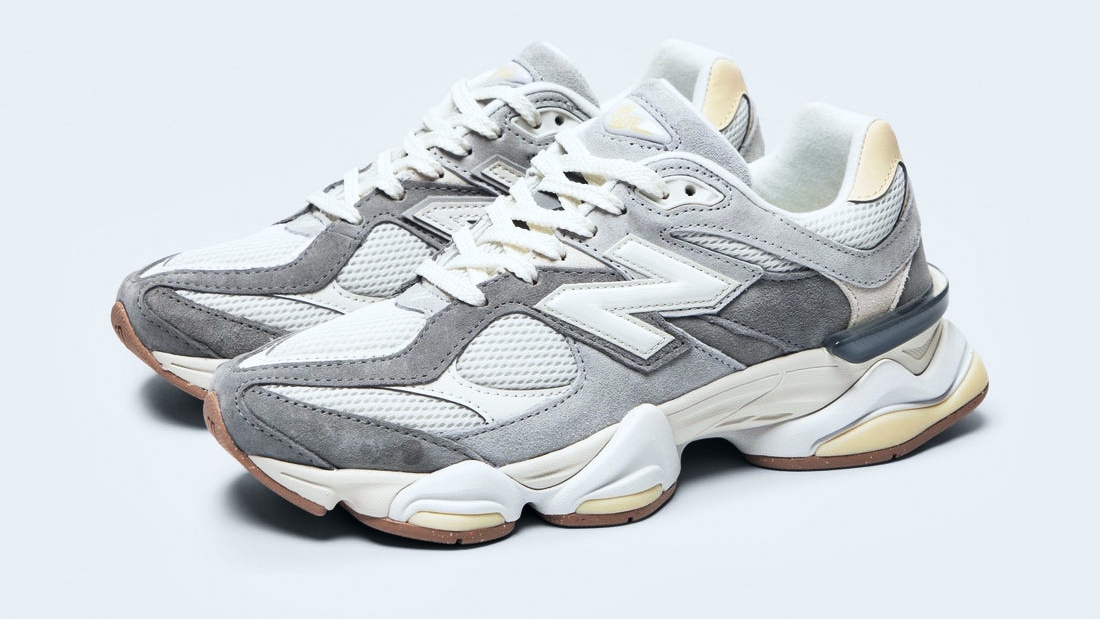
The best travel shoes begin with weight reduction. It goes without saying that every ounce matters during long journeys. Heavy footwear tends to increase fatigue, particularly when travelers spend entire days navigating unfamiliar cities. It is for this reason hybrid sneakers succeed: because of how they are built, not just how they look.
The Upper
Usually made from lightweight knit fabrics or engineered mesh. These materials allow airflow, which becomes essential during long walking days in warm cities or crowded transit spaces. Some newer designs also include water-resistant coatings, offering protection against sudden rain without adding bulk.
The Entry
Many hybrid models include flexible collars and soft entry points, allowing you to slip them on quickly during security checks or travel transitions. Less friction means more comfort when constantly moving.
The Midsole
Foam midsoles, often inspired by running technology, absorb impact from hard surfaces like concrete, marble floors, and cobblestones. Instead of feeling each step, the pressure spreads across the foot to reduce fatigue. The goal is not speed; it is endurance without discomfort.
The Outsole
High-grade rubber compounds designed for grip, especially on smooth airport floors or wet city pavements. The combination of cushioning and traction creates a shoe that feels stable in almost any environment. In simple terms, the construction is designed for people who do not stop moving.
How to Style Hybrid Sneakers for Travel
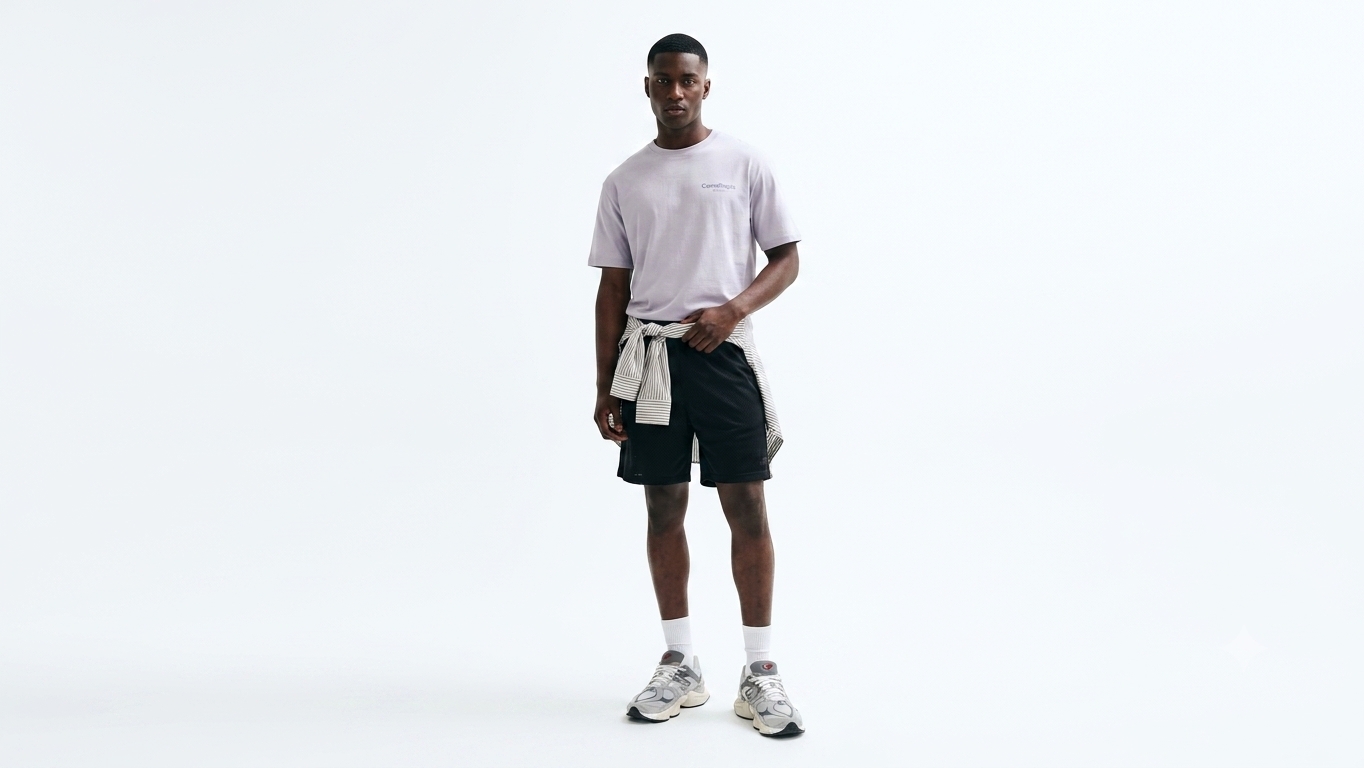
Styling hybrid sneakers is about looking intentional, even when you are in motion. For airport travel, the most effective look is built around comfort that still feels sharp. A neutral pair of hybrid sneakers works well with tapered joggers and a structured hoodie or lightweight bomber jacket. The key is keeping everything clean and fitted. Oversized pieces can quickly shift the look into something sloppy.
Once you land, the same sneakers can transition easily into a sightseeing outfit. Slim jeans or tailored shorts paired with a breathable linen shirt create a balanced look that’s relaxed but not careless. This is where hybrid sneakers excel. They do not force you to change your outfit when your environment changes.
In warmer destinations, pairing them with cropped trousers and a short-sleeve button-down keeps the silhouette light. In cooler cities, they sit well under layered knits and relaxed outerwear. The point is consistency. You are not dressing for a single moment. You are dressing for movement across multiple settings. This adaptability is why hybrid sneakers have become essential for modern travel wardrobes: they reduce packing stress and remove the need for multiple shoe changes during short trips.
The Jetsetter’s Guide: How to Pack Men’s Shoes for Travel
The most efficient way to pack men’s shoes is to prioritize structure and placement:
- Maintain Shape: Fill each shoe with socks or soft clothing to preserve its form and save space inside your luggage.
- Protect Your Garments: Place them inside a protective shoe bag to prevent dirt from transferring onto clothes.
- Balance Weight: Position them at the bottom of your suitcase near the wheels so the weight stays balanced.
This method works because it protects both your shoes and your clothing while maximizing suitcase space. It also prevents crushing, which can damage softer materials like knit uppers or suede finishes.
Pro Tip: The smartest travel move is often not packing multiple pairs at all. Hybrid sneakers are designed to be worn during transit. By wearing them on the plane, you free up valuable luggage space for your work loafers or weekend shoes. One reliable pair on your feet, one versatile pair in your bag, and everything else becomes easier to manage.
White Leather Sneakers: The Best Casual Shoes for Men in 2026
Weekends in 2026 look nothing like they used to. They are no longer a clean break from the week. They are extensions of it, just without the pressure. Brunch runs into meetings. Coffee turns into gallery visits. Evening plans often sit somewhere between casual and considered. In that space, white leather sneakers have become the quiet uniform of modern downtime.
The premium white leather sneaker has earned its place as the third pillar of the modern three-shoe wardrobe. Men are choosing cleaner silhouettes over performance-heavy trainers, and the reason is simple: most people no longer need separate shoes for sport and social life. They need one pair that looks right in both contexts.
White sneakers answer that need better than any other style. They sit at the intersection of ease and intention. They are relaxed, but not careless. Familiar, but not boring. Worn with the right outfit, they can feel as sharp as a loafer in a different register. That is why they have become the foundation of weekend dressing, from city streets to coastal escapes.
Culturally, the shift is visible everywhere. From airport arrivals to post-game tunnel walks in sports culture, clean white sneakers signal a specific kind of modern ease. Not trying too hard, but never looking unprepared. In menswear terms, that balance is the new luxury.
Material & Construction: Why Premium Sneakers Matter
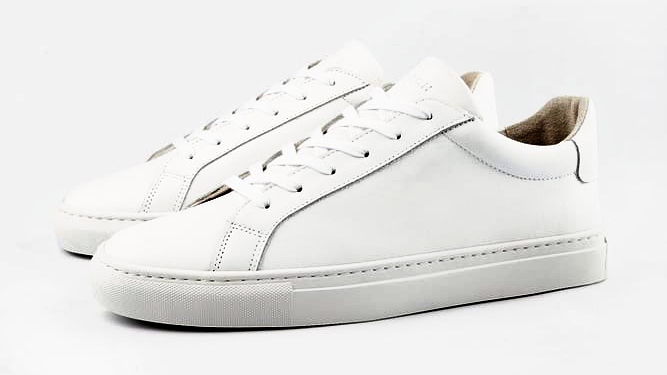
Not all white sneakers create the same impression. The difference between a sophisticated casual shoe and a sloppy one often comes down to materials and construction. While countless options exist across every price point, quality remains immediately visible.
The Premium Upper
Full-grain or premium leather uppers remain the gold standard. They create a smooth, uninterrupted surface that feels closer to a dress shoe than a sports trainer, giving them versatility across different settings. White leather reflects light more evenly than fabric or mesh, keeping the silhouette sharp even when worn with casual clothing.
Interior Architecture
A padded collar reduces pressure around the ankle during long hours of wear. Breathable lining helps regulate temperature, especially in warmer climates or during extended city walks. Inside, cushioned insoles support the foot without changing the slim outer profile.
The Base
Durable rubber soles with subtle grip patterns allow the shoe to move across different surfaces without slipping or wearing down quickly. Unlike athletic trainers, the goal is not performance tracking; it is all-day wear without visual bulk.
The Structural Difference
What separates premium white sneakers from cheaper versions is structure. Low-quality pairs lose shape quickly and crease heavily. Better-made versions maintain their form and age into a softer, more refined version of themselves. That evolution is what makes them a long-term wardrobe piece rather than a seasonal purchase. A premium white leather sneaker may require greater initial expenditure. However, its versatility and longevity often justify the investment over time.
How to Style Casual Sneakers for Men
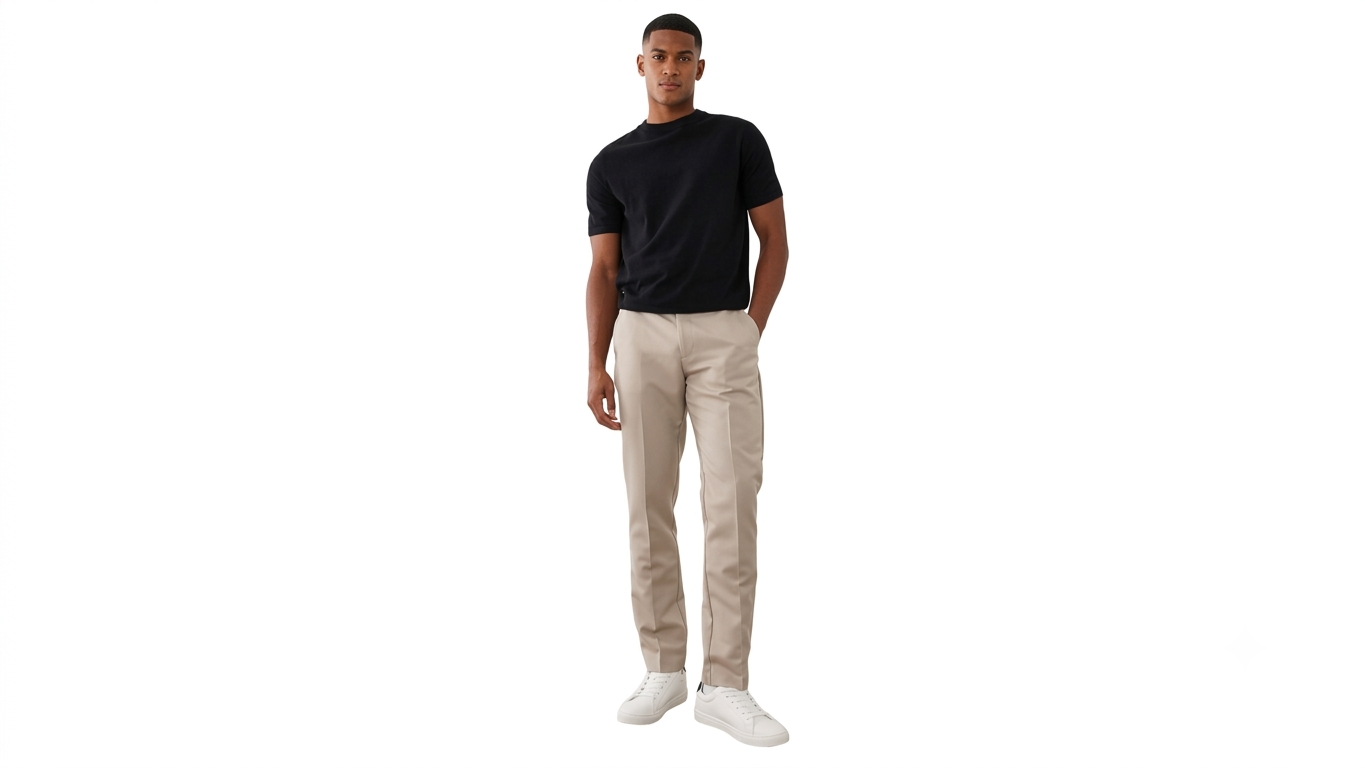
Styling white sneakers is about controlling contrast. For daytime wear, they pair naturally with relaxed jeans or tailored shorts and a well-fitted cotton T-shirt. The key is proportion: slim or straight cuts keep the silhouette clean; oversized pieces can work, but only when balanced carefully.
This look works because it is effortless without becoming careless. It is the default uniform for errands, coffee meetings, or informal social plans. The sneaker anchors the outfit and prevents it from feeling unfinished.
For evening settings, white sneakers shift into a more polished role. Worn with unstructured chinos, a knitted polo shirt, and a lightweight blazer, they create a smart-casual balance that’s modern rather than forced. This combination has become increasingly common in restaurants and creative social spaces where dress codes are relaxed, but appearance still matters. Ultimately, the result is a shoe that adapts without needing replacement. It does not change identity; it simply adjusts tone.
Does Business Casual for Men Include Sneakers?
Yes, modern business casual for men does include sneakers, as long as they are clean, minimal, and made from quality materials. White or black leather sneakers are now widely accepted in many workplaces, especially in creative, tech, and hybrid office environments. The key is intention. The sneaker must look deliberate, not athletic.
The Rules of Engagement:
- Keep it Simple: No heavy branding, loud colors, or bulky shapes. A slim silhouette works best because it mirrors the structure of traditional dress shoes.
- Flawless Maintenance: Clean midsoles matter as much as the upper material. Worn or dirty sneakers instantly break the business casual balance.
- Elevate the Pairing: Tailored trousers or sharp chinos elevate the look, while overly casual pieces can push it too far into weekend territory. In short, sneakers are now part of the business casual vocabulary, but only when they respect the setting they are worn in.
Building a Smarter Footwear Rotation
A good footwear wardrobe is not about quantity; it is about rotation. Wearing the same shoes every day shortens their lifespan and reduces comfort. Alternating between pairs allows materials to recover naturally. Leather regains shape. Foam midsoles decompress. Even rubber outsoles last longer when given time to rest.
Loafers should anchor your workdays. They carry the structure of formal dressing without requiring the stiffness of traditional dress shoes. Hybrid sneakers handle the in-between days, especially travel-heavy schedules or long commutes. White sneakers take over when the week loosens and social time expands.
The key is consistency. When each shoe has a clear role, dressing becomes automatic. You no longer overthink what works. You already know.
Featured image: Style Rave Studio/AI-generated Visual

