


Anyone can develop rosacea at any time, regardless of gender, age, or skin type. Because its exact cause is still unknown, a universal cure does not exist. There are, however, several tips and habits that may help manage the symptoms of rosacea and reduce flare-ups, starting with understanding the triggers and skincare habits that help keep your skin calm.
For many people, the first signs of rosacea on the face can be easy to dismiss at first. What starts as occasional flushing after sun exposure, stress, spicy food, or exercise may gradually become more persistent over time. Because symptoms can appear differently from person to person, understanding how rosacea develops is often the first step toward managing flare-ups more effectively and building a skincare routine that supports calmer, healthier-looking skin.
What Is Rosacea?
Rosacea is a common chronic skin condition that causes inflammation and redness on the face and, in some people, can also affect the eyes. It typically begins with temporary facial flushing that may last for at least half an hour. Over time, the condition can worsen if left unmanaged.
The most common symptoms of rosacea include:
- Redness or flushing of the face
- Small visible blood vessels
- Burning or stinging sensations on the skin
- Mild skin swelling
- Visible blood vessels on the eyelids, watery or itchy eyes, and sensitivity to light
- Small red bumps
- An enlarged, red nose with visible pores
What Causes Rosacea?
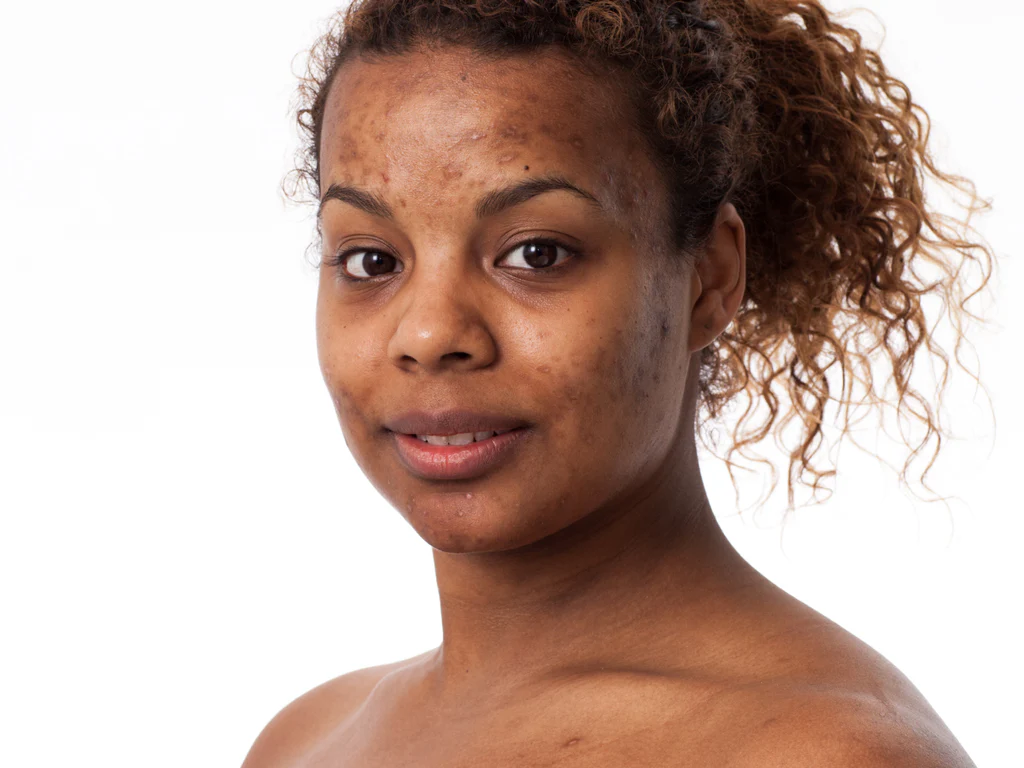
Even though rosacea is very common and has been recognized since the 14th century, when it was first mentioned in medical literature, experts still cannot say for certain exactly what causes it.
However, while the root cause remains unclear, scientists now understand that many triggers can worsen symptoms or provoke flare-ups. These may include sun exposure, stress, hot weather, spicy foods, alcohol, hot drinks, intense physical exercise, certain skincare habits, and more.
Who Gets Rosacea?
This question is almost as complicated as the one surrounding its causes. In fact, there is nothing that can guarantee whether someone will or will not develop the condition. Still, several factors are believed to increase the risk:
- Gender: Rosacea appears more frequently in women than in men.
- Age: People aged 30 and older are more likely to develop rosacea.
- Family history: If a close relative has rosacea or severe acne, the likelihood may increase.
- Appearance: People with fair skin, blond hair, and blue eyes may be more prone to it.
- Menopause: Hormonal changes during menopause may also increase the risk.
Even if none of these factors apply, you can still develop rosacea.
How to Treat Rosacea
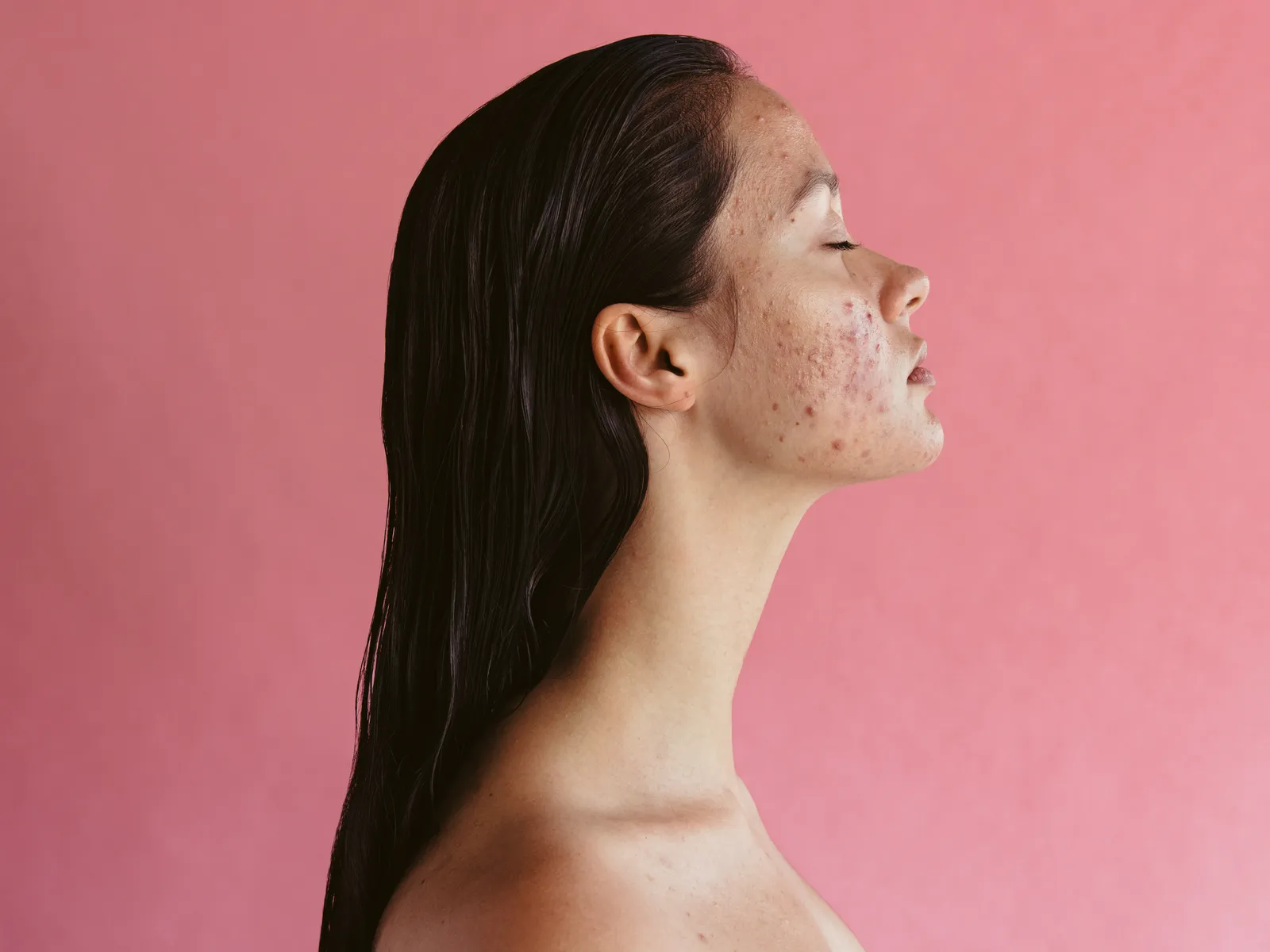
Because the causes and progression of rosacea vary from person to person, there is no universal cure. Moreover, even treatments that work well for some people may not guarantee the same results for others. As a result, finding an effective routine often involves patience, experimentation, and consistency.
Here are several tips that may help manage rosacea symptoms:
#1. Understand your personal triggers
Try to identify patterns in how and when your rosacea flares up. Even eliminating one trigger can make a noticeable difference.
#2. Be careful about sun exposure
UV radiation is one of the most common rosacea triggers. While you cannot completely avoid UV exposure, you can minimize its effects by wearing sunscreen consistently.
Your sunscreen should be:
- At least SPF 30 (higher is even better)
- Applied at least 15 minutes before going outside
- Reapplied throughout the day, especially after swimming or sweating
#3. Mind what you apply to your skin
Some skincare products can irritate sensitive skin and worsen rosacea symptoms. It is best to avoid harsh, alcohol-based, or heavily fragranced formulas. Abrasive cleansers and facial brushes may also increase irritation. Instead, choose gentle, fragrance-free products and avoid over-cleansing your skin.
Pro Tip: Skincare apps that analyze product formulas can be incredibly useful when selecting products. Many evaluate ingredients using science-backed information and help determine whether a formula suits your skin concerns.
Certain ingredients are also commonly associated with soothing rosacea-prone skin:
- Azelaic acid may help reduce redness and irritation
- Niacinamide and rosacea are often considered a good match. This ingredient supports the skin barrier and boosts hydration
- Sulfur may help reduce burning, flushing, and sensitivity
- Ceramides restore the skin barrier and reduce dryness
- Squalane helps soften and soothe irritated skin
#4. Avoid overusing heavy makeup
Heavy, oily foundations that create a thick layer on the skin can disrupt heat exchange and clog pores. Many foundation formulas also contain mineral oils that create an occlusive barrier, which may increase skin temperature and worsen both rosacea and acne.
#5. Avoid excessive heat
Heat dilates blood vessels, and with rosacea, those vessels may struggle to constrict properly afterward.
That is why it is important to remember these four “don’ts”:
- Don’t use steam treatments
- Don’t wash your face with hot water. Instead, use lukewarm or cool water around 32–34°C (89–93°F)
- Don’t visit saunas, steam rooms, or hammams
- Don’t apply hot compresses
#6. Stay away from harsh surfactants and alkaline soaps
Regular bar soaps and products containing SLS/SLES (sulfates) can dry out the skin and disrupt its natural pH balance.
#7. Choose spray bottles for toners
Cotton pads used to apply skincare products can create friction, which may further irritate rosacea-prone skin.
#8. Moisturize consistently
Keeping your skin moisturized helps strengthen its natural barrier and reduce dryness. Use a gentle moisturizer daily, especially after cleansing, to lock in hydration and soothe irritation.
#9. Adjust your lifestyle habits
Lifestyle choices can strongly influence rosacea flare-ups. Stress, for example, is considered one of the most common triggers, according to the National Rosacea Society. In one study involving 1,066 rosacea patients, emotional stress affected 79% of participants.
While avoiding stress completely is impossible, managing it may help reduce flare-ups. The American Academy of Dermatology recommends finding relaxing hobbies and making them part of your regular routine. If stressful situations arise, practices like deep breathing exercises may also help.
Other commonly reported triggers include:
- Alcohol
- Spicy foods
- Intense exercise
- Marinated meats
- Hot beverages
- Dairy products
Key Takeaways
- Rosacea is a common chronic skin condition that typically causes facial redness, irritation, flushing, and, in some cases, eye-related symptoms
- The exact cause of rosacea remains unknown
- Anyone can develop rosacea
- Common triggers include sun exposure, stress, lifestyle habits, and harsh skincare ingredients
- There is no universal cure for rosacea
- Managing symptoms often requires identifying personal triggers through trial and error
- Sunscreen, gentle skincare, and regular moisturizing may help reduce flare-ups and support the skin barrier
- Ingredients like azelaic acid, niacinamide, sulfur, ceramides, and squalane may help soothe rosacea-prone skin and reduce irritation
Featured Image: M-ART Production/iStock

