


Fashion is often credited to designers, luxury houses, and runway shows. But behind many of the most defining celebrity looks of the last decade is a quieter force—celebrity stylists who decide how culture looks before the world even realizes a shift is happening. In today’s fashion ecosystem, image is power. And the people controlling that image are no longer just designers in ateliers. They are stylists building visual identities for the most influential figures in music, film, and entertainment.
Among them, Black celebrity stylists have become some of the most important image architects in global fashion. Their influence stretches from red carpets in Hollywood to global music tours, magazine covers, and viral social media moments that define what “iconic” looks like today. This is no longer a supporting role. It is cultural authorship.
The Rise of the Stylist as a Cultural Power Player
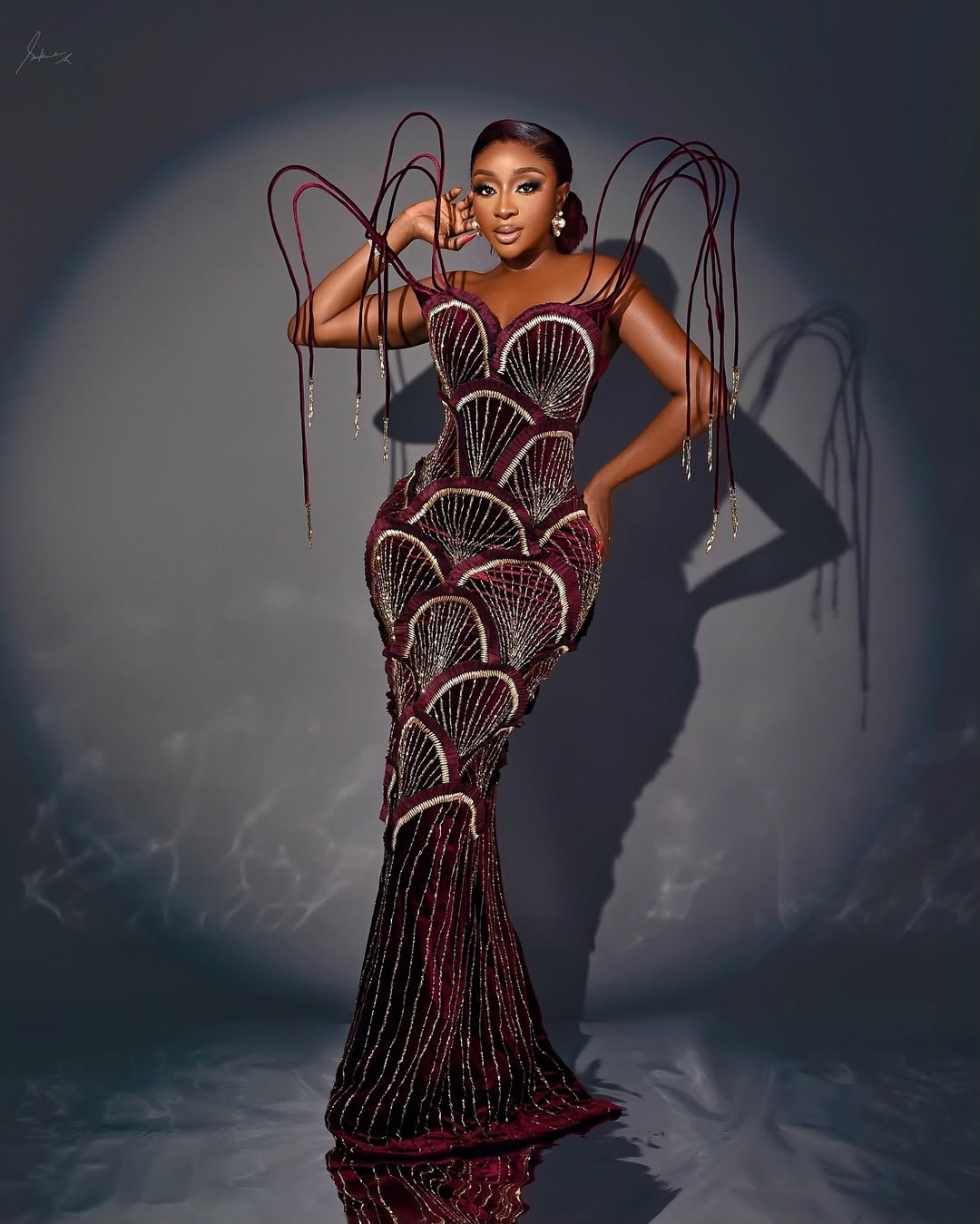
For decades, stylists worked behind the scenes, often uncredited and rarely discussed outside industry circles. Their job was simple in theory but powerful in impact: choose clothes that support a celebrity’s public image. That has changed completely. Today, styling is not just about dressing someone well. It is about building a visual narrative that travels across red carpets, music videos, award shows, fashion campaigns, and even social media.
Here are black stylists who have transformed celebrity fashion into a more expressive, more intentional, and more globally influential system…
#1. Law Roach
Law Roach is widely regarded as one of the most influential image architects in modern fashion. From archival references to futuristic couture, his styling approach has turned red carpet appearances into cultural moments that fashion publications, brands, and social media ecosystems actively anticipate.
Law Roach’s impact goes beyond aesthetics. He helped shift the focus of styling from “outfit selection” to “image storytelling,” most notably through his long-standing work with Zendaya. In his world, a look is not just worn; it is constructed with intention, history, and narrative precision.
#2. Kollin Carter
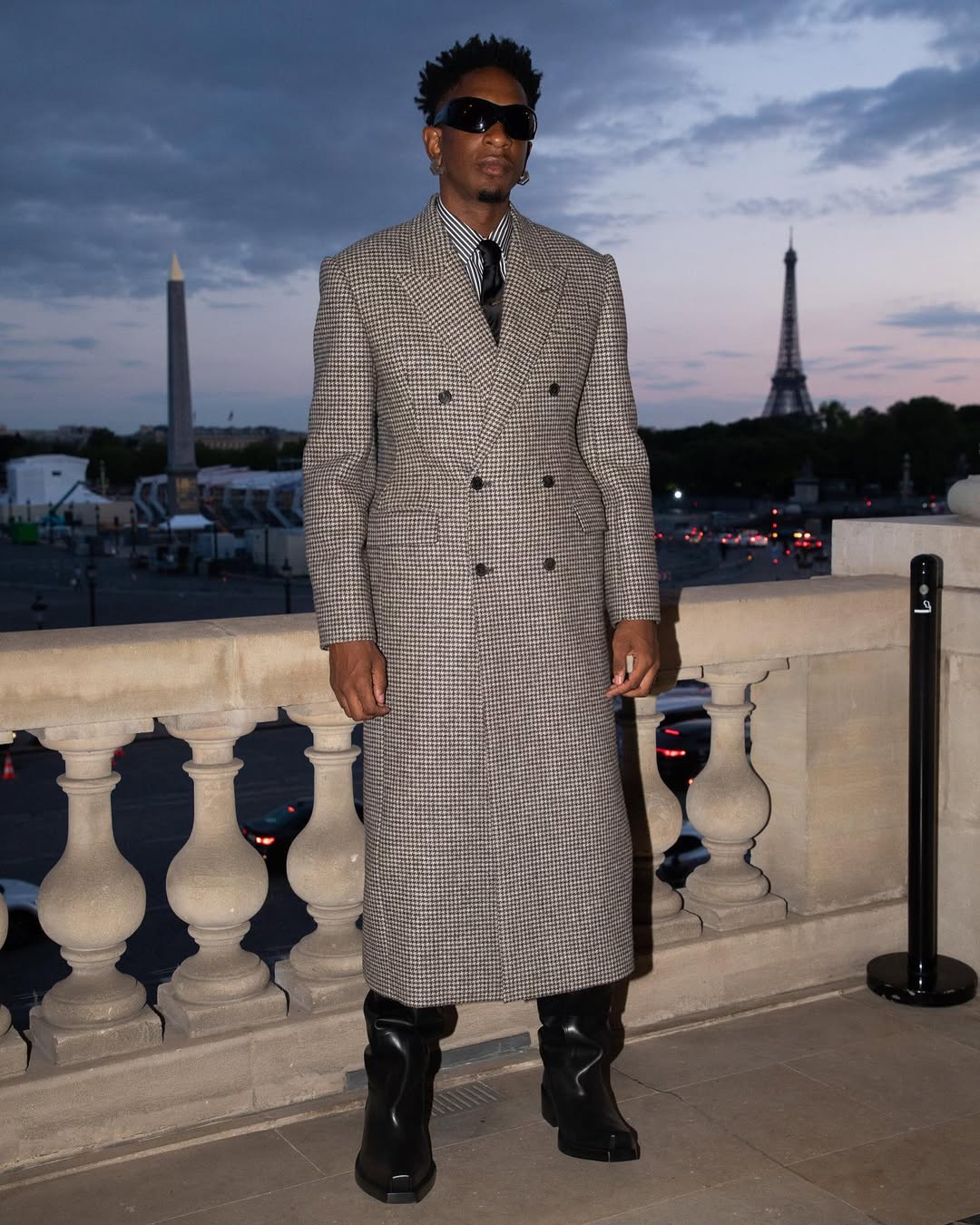
Kollin Carter represents a different but equally powerful styling philosophy—precision luxury. His work with celebrities like Kelly Rowland has helped define a refined, intentional approach to modern red carpet fashion, where every detail is calculated and visually cohesive.
His styling emphasizes structured silhouettes, sculptural tailoring, metallic accents, and a disciplined use of color and texture. Rather than chasing spontaneous trends, his work builds controlled visual narratives that are closer to design curation than traditional celebrity dressing.
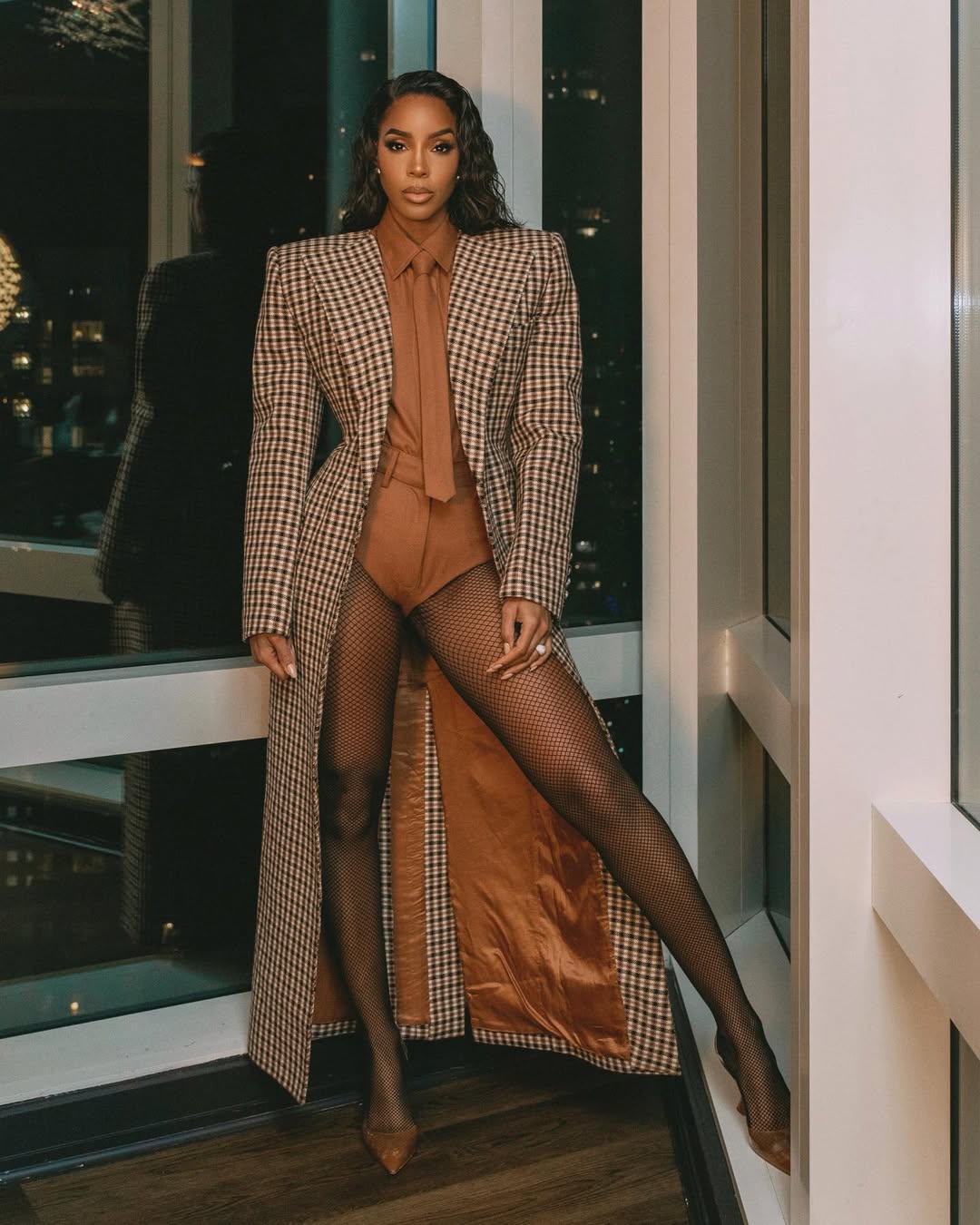
Through collaborations with artists and entertainers across music and fashion, Kollin Carter has helped shape a broader shift in celebrity styling, where fashion is no longer just about appearance, but about identity construction and visual storytelling at the highest level of global entertainment.
#3. Zerina Akers
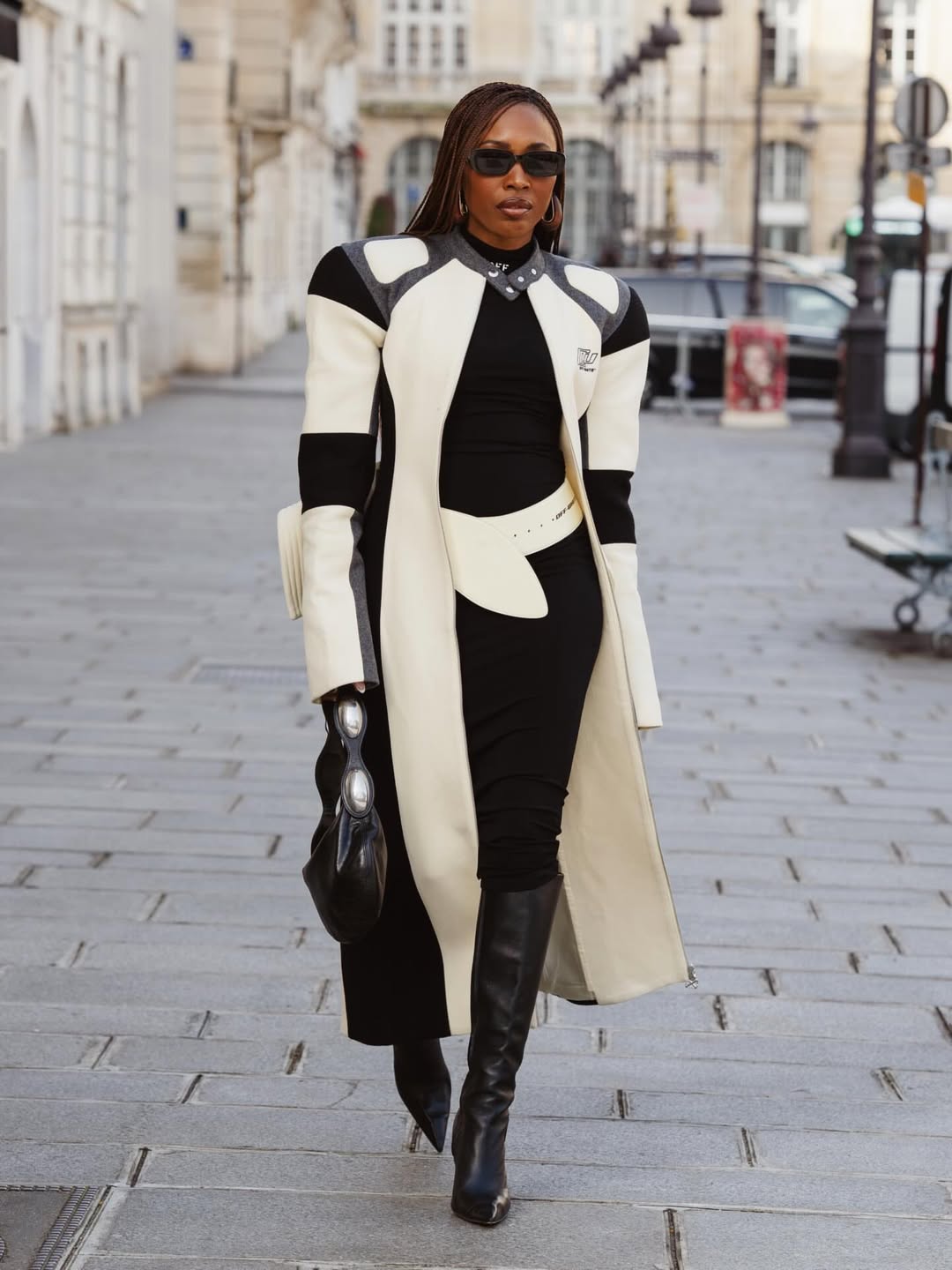
Zerina Akers has become one of the most defining forces behind the visual identity of modern Black excellence in fashion. Her styling work, including red carpet moments on La La Anthony at the 2026 Met Gala, extends beyond dressing into storytelling, symbolism, and cultural presence.
Rather than treating major red carpet moments as isolated spectacles, she approaches them like curated visual statements, balancing heritage references, high-fashion craftsmanship, and intentional narrative in a way that is modern and historically aware. Her approach blends archival fashion, African references, and high-fashion luxury with a nod to culture. Every look she constructs feels like a visual argument centered on heritage and power. What sets her apart is her ability to turn styling into storytelling at a cultural scale, where fashion is not just seen but archived as part of Black visual history.
#4. Wayman Bannerman & Micah McDonald (Wayman + Micah)
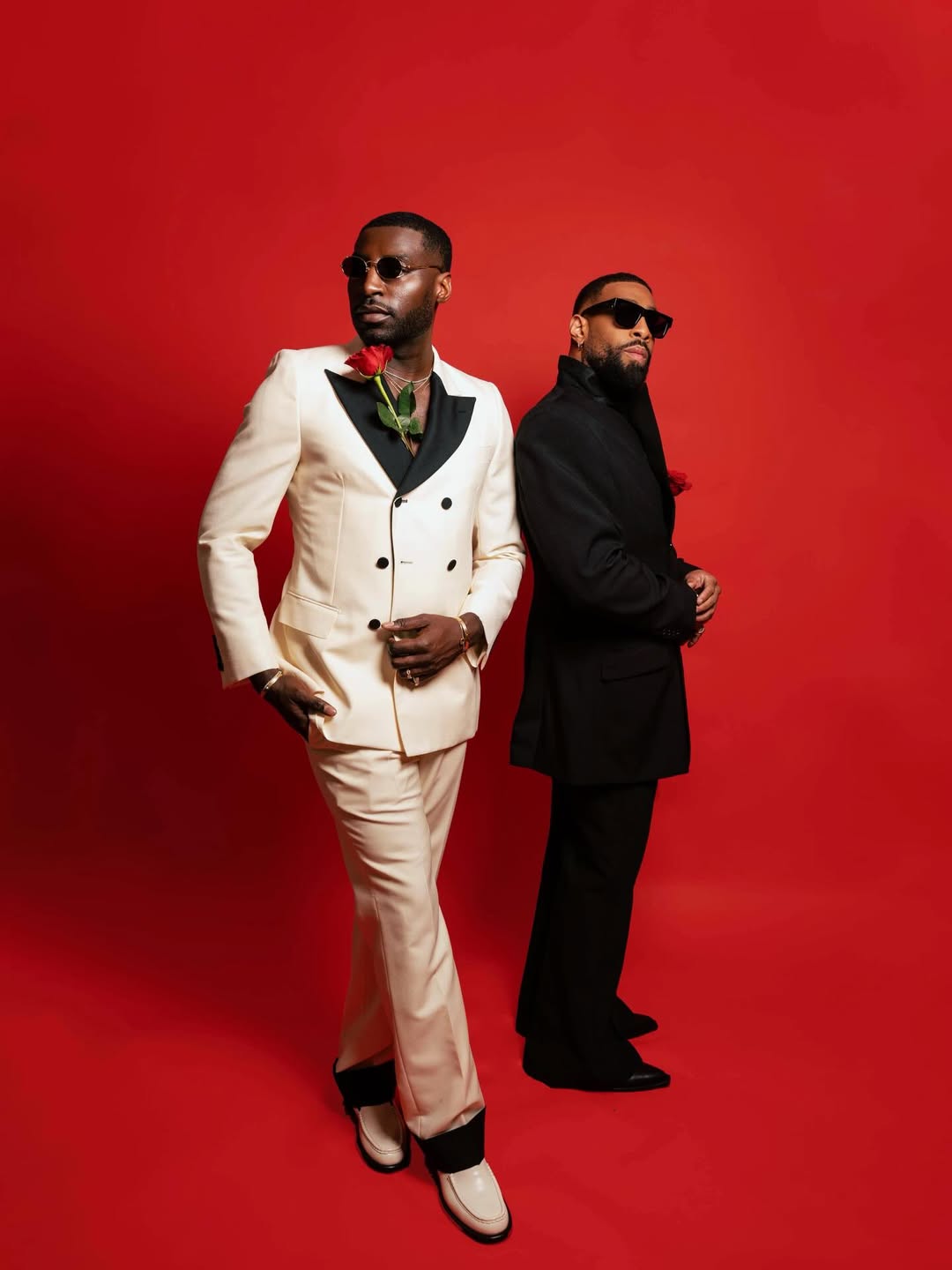
Wayman Bannerman and Micah McDonald operate as a creative duo redefining modern Hollywood elegance through a lens of ease, fluidity, and quiet sophistication. Their styling work with stars like Tessa Thompson reflects a shift away from overly constructed red-carpet looks toward something more natural, expressive, and editorial.
Their aesthetic is often characterized by clean silhouettes, unexpected proportions, and subtle experimentation with gender expression in fashion. Rather than overpowering their clients’ personalities, their work enhances them, making individuality the centerpiece of every look. Together, they represent a newer generation of stylists who are less focused on spectacle and more invested in clarity of identity through fashion.
#5. Jason Rembert
Jason Rembert has carved out a distinct space in celebrity styling through his bold, sculptural, and often daring approach to red carpet fashion. His work with artists like Lizzo, Chlöe Bailey, and other high-profile figures has helped redefine confidence dressing in contemporary pop culture. He often uses dramatic silhouettes, unconventional tailoring, and statement textures to create looks that command attention without losing refinement.
His styling does not shy away from volume or risk—instead, it leans into them as tools of empowerment. What makes his influence significant is how he consistently reframes visibility itself as a fashion statement, especially for bodies and identities historically underrepresented in luxury fashion spaces.
#6. Ugo Mozie
Nigeria’s Ugo Mozie operates at the intersection of styling, design, and cultural direction. His work goes beyond dressing celebrities; it builds visual identities that flow seamlessly across music, luxury fashion, and global entertainment. Styling stars like Tiwa Savage and others, he approaches fashion with versatility and cultural fluency.
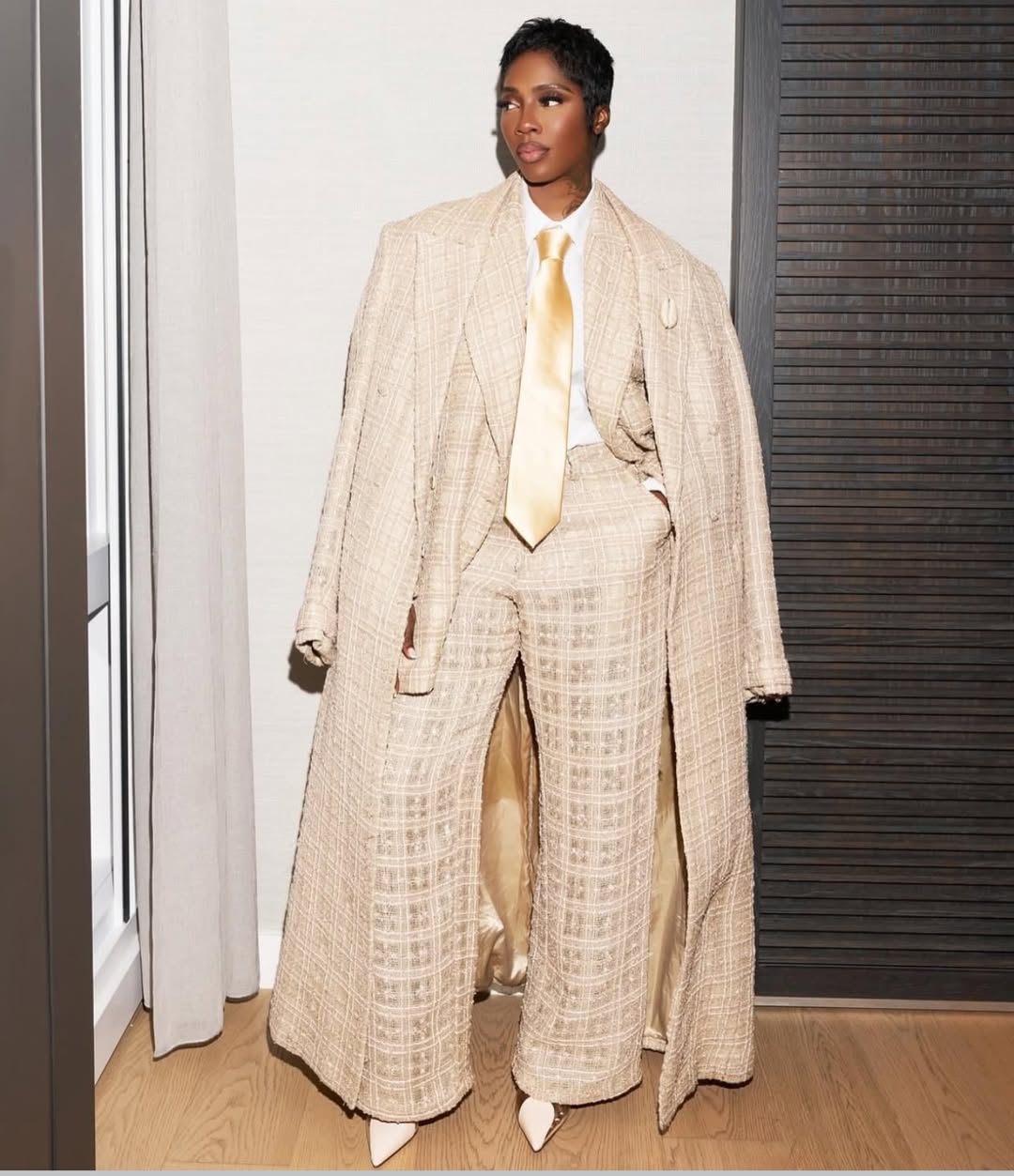
What sets him apart is his dual role as both stylist and designer. Through his namesake fashion label, he extends his creative vision beyond individual looks into full collections, turning styling principles into wearable design systems. In many ways, Ugo Mozie represents a new kind of fashion authority, one where the stylist is not just selecting looks but actively shaping the global language of luxury fashion through both image-making and design.
#7. Jason Bolden
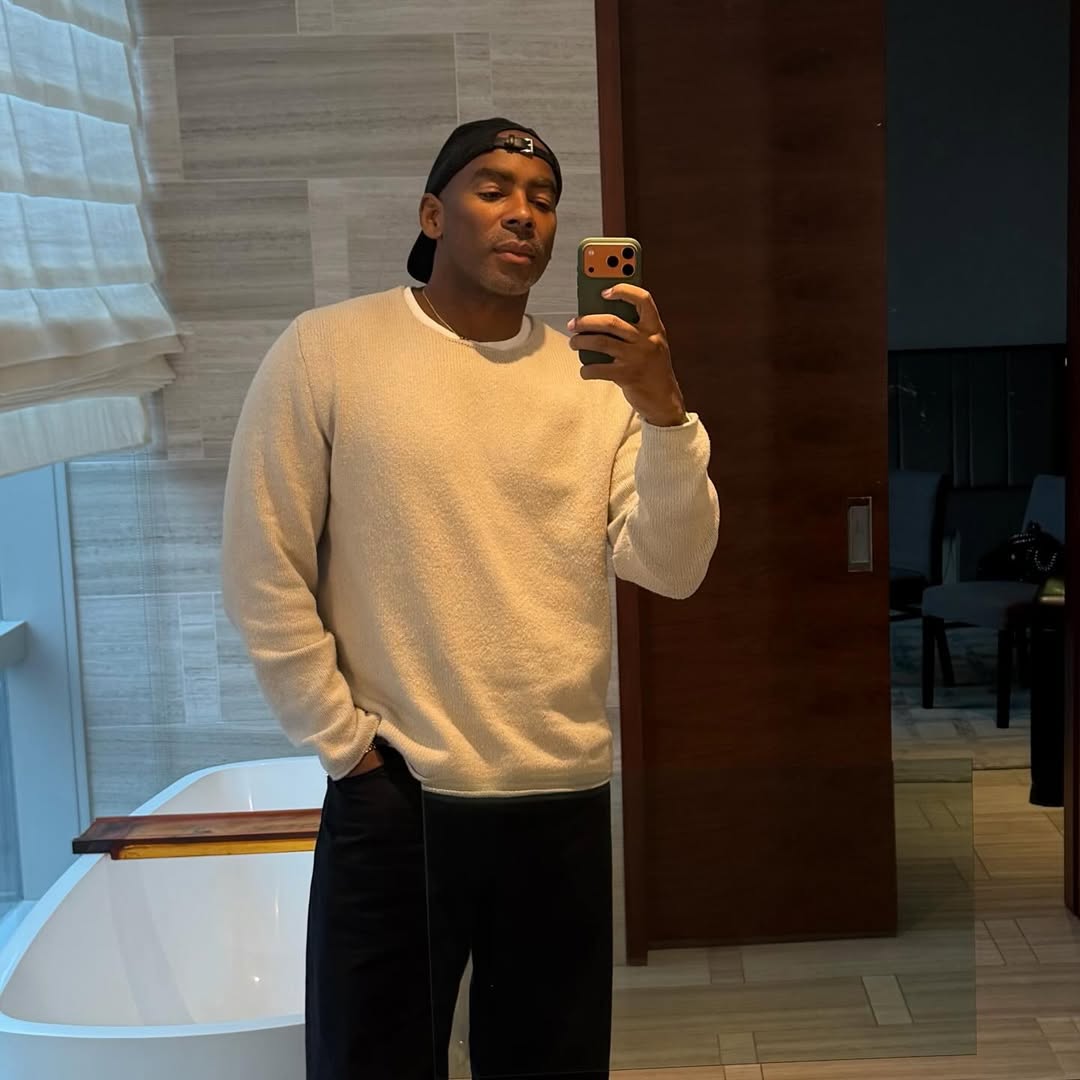
Jason Bolden has built a reputation around refined modern glamour, where precision tailoring and understated luxury define his visual language. His styling work with clients such as Cynthia Erivo, Issa Rae, Yara Shahidi, and other global figures reflects a consistent focus on elegance that’s intentional rather than excessive.
His approach often leans into structured silhouettes, monochrome palettes, and architectural detailing, creating red carpet moments that feel polished, editorial, and culturally aware. Rather than chasing loud trends, he builds a sense of timelessness that still feels contemporary in execution.
#8. Ronami Ogulu
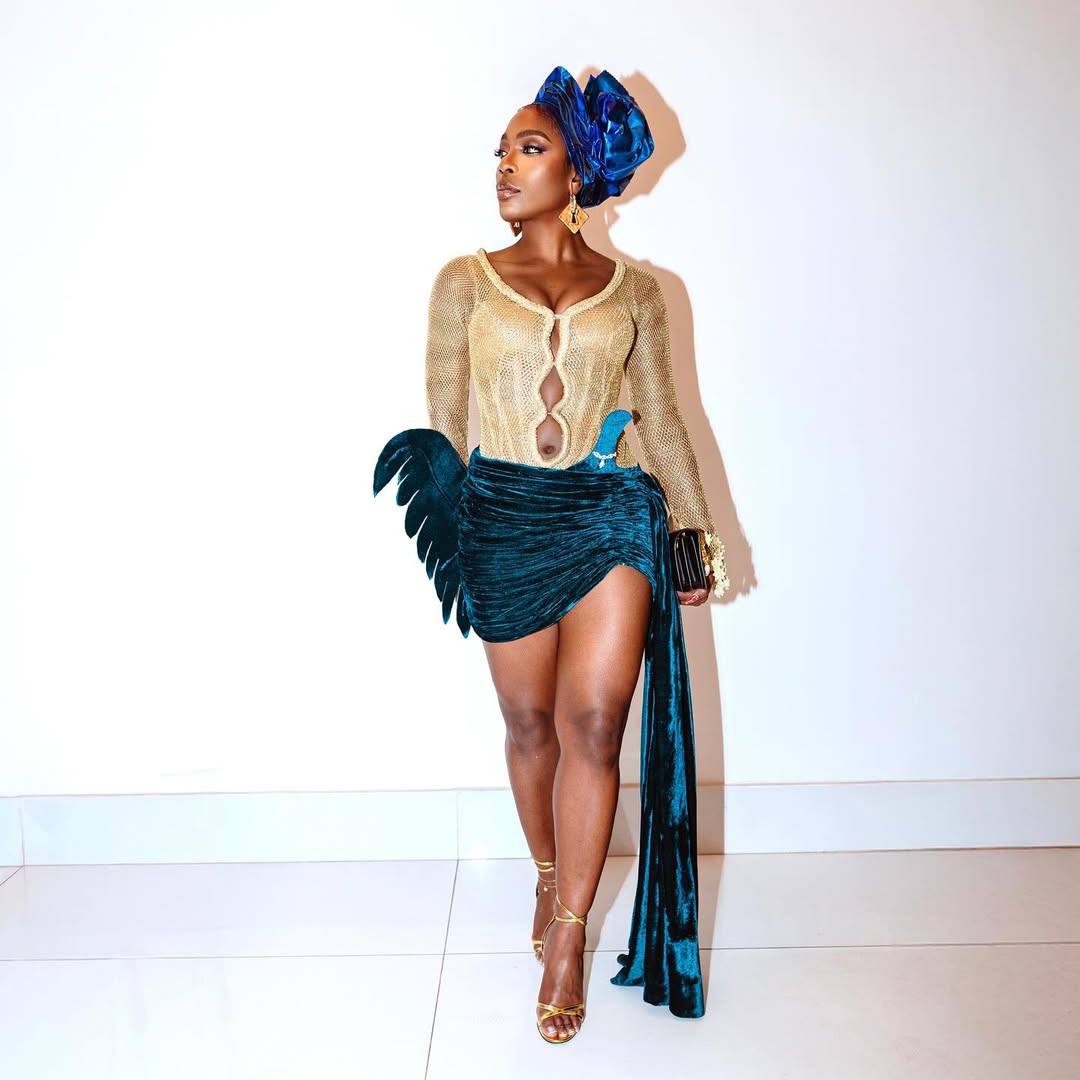
Ronami Ogulu represents a rising wave of African creative direction shaping how global audiences engage with Afrobeats and contemporary African artistry. Closely tied to the visual world surrounding her brother, Burna Boy’s international presence, her work blends styling, art direction, and cultural narrative into a unified creative identity.
Her aesthetic often merges bold African-inspired elements with modern luxury fashion codes, creating visuals that are rooted in identity yet fully at home on global stages, including tours, award shows, and international campaigns.
#9. Jahleel Weaver
Jahleel Weaver is closely associated with Rihanna, shaping some of her most iconic fashion eras across red carpets, campaigns, and global appearances. He also works within her broader creative ecosystem at Fenty, where styling and brand direction often overlap.
His styling is experimental, directional, and frequently trend-setting, helping blur the line between celebrity styling and high-fashion creative direction. This was further reflected in his work for Rihanna at the Met Gala 2026, where the look continued her tradition of redefining red-carpet presence as cultural spectacle rather than conventional dressing.
#10. Swanky Jerry
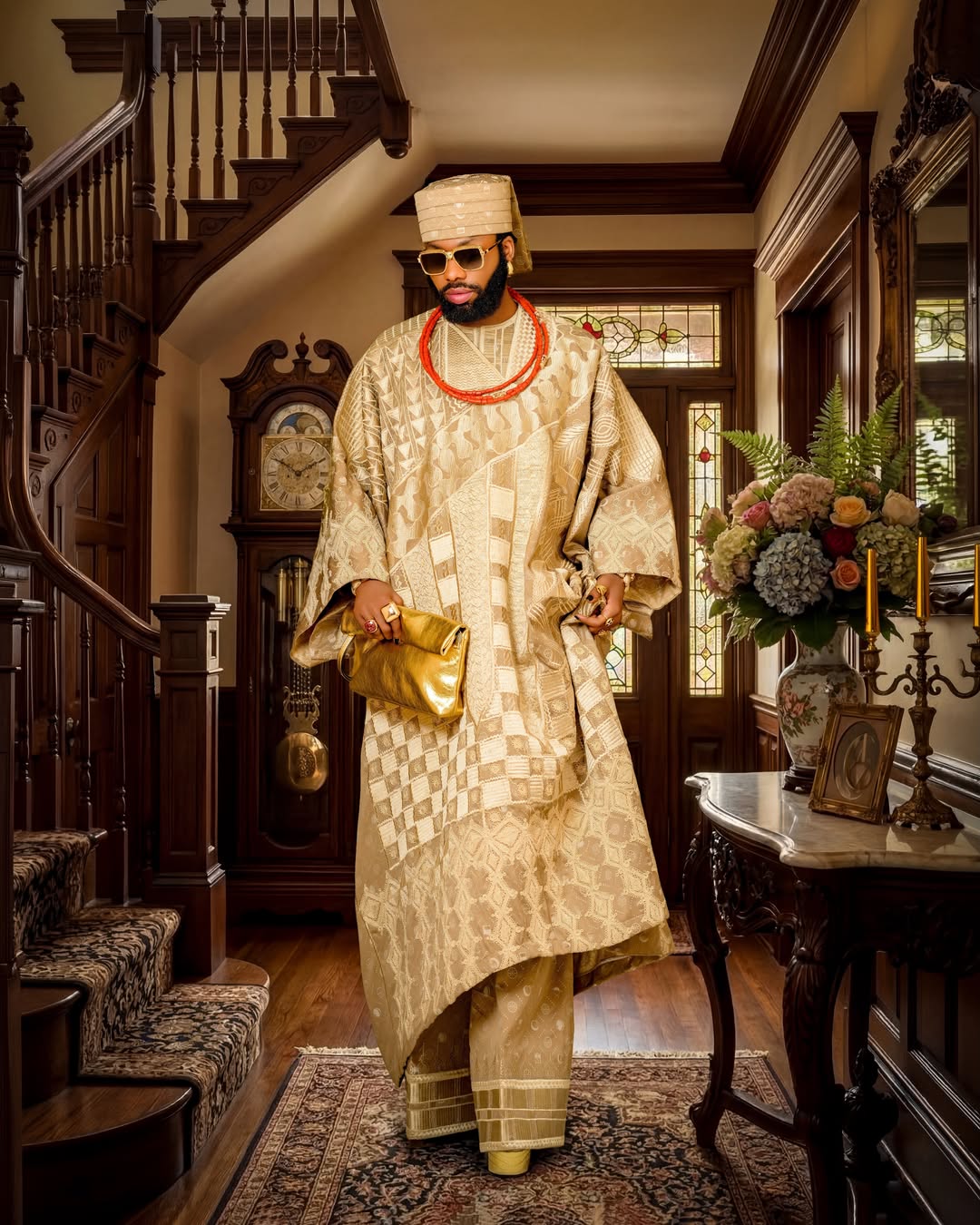
Swanky Jerry represents the global expansion of African styling culture. Working with Afrobeats stars such as Davido and international celebrities, he has helped define how African artists are visually presented on global stages, from award shows to luxury brand events.
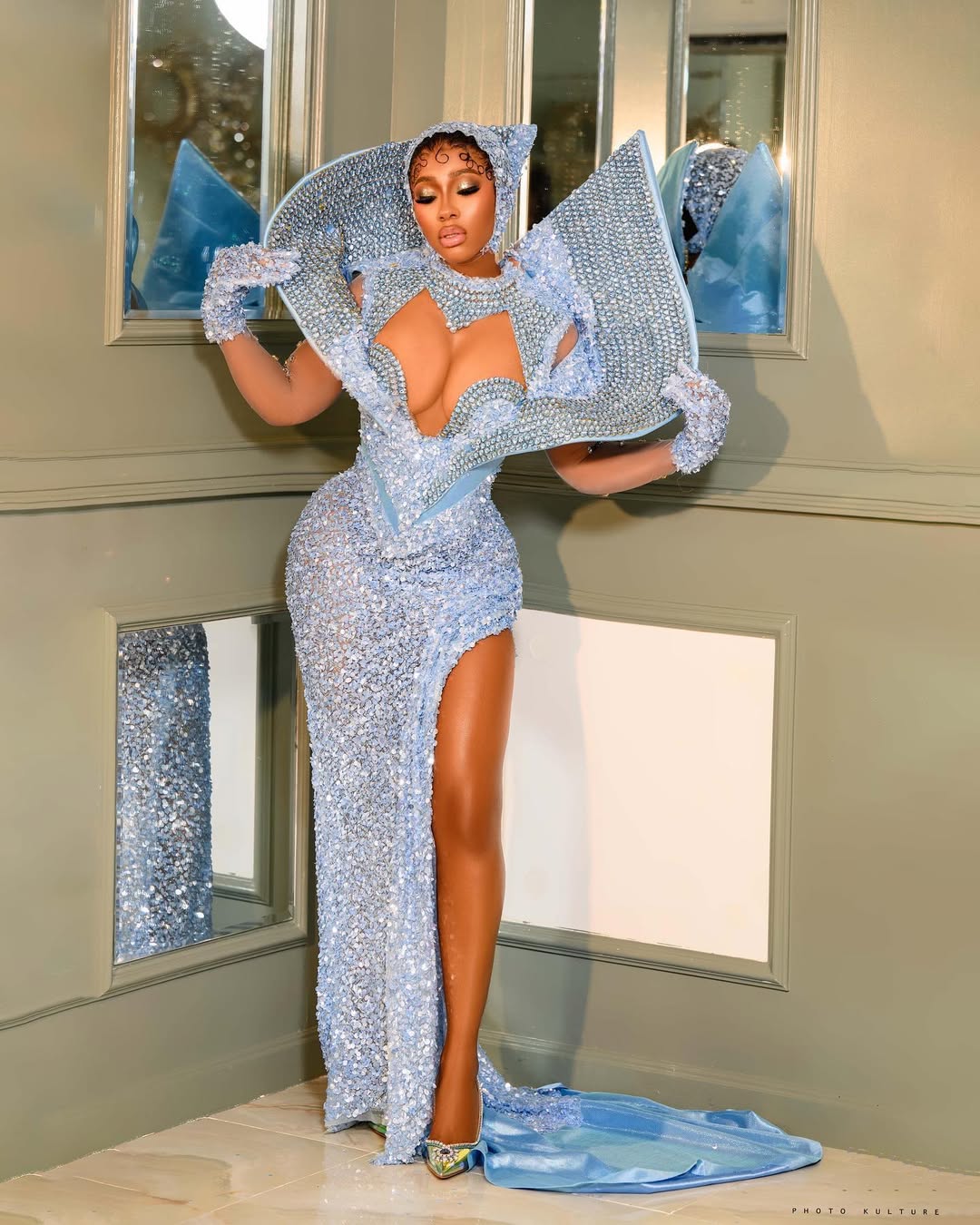
His styling blends bold luxury choices, modern tailoring, and expressive identity. What makes his influence important is not just the clothes themselves, but the visibility they create for African fashion narratives in global spaces. Swanky Jerry is part of a larger shift where African stylists are no longer adapting to global fashion; they are actively shaping it.
Why Stylists Became As Powerful As Designers
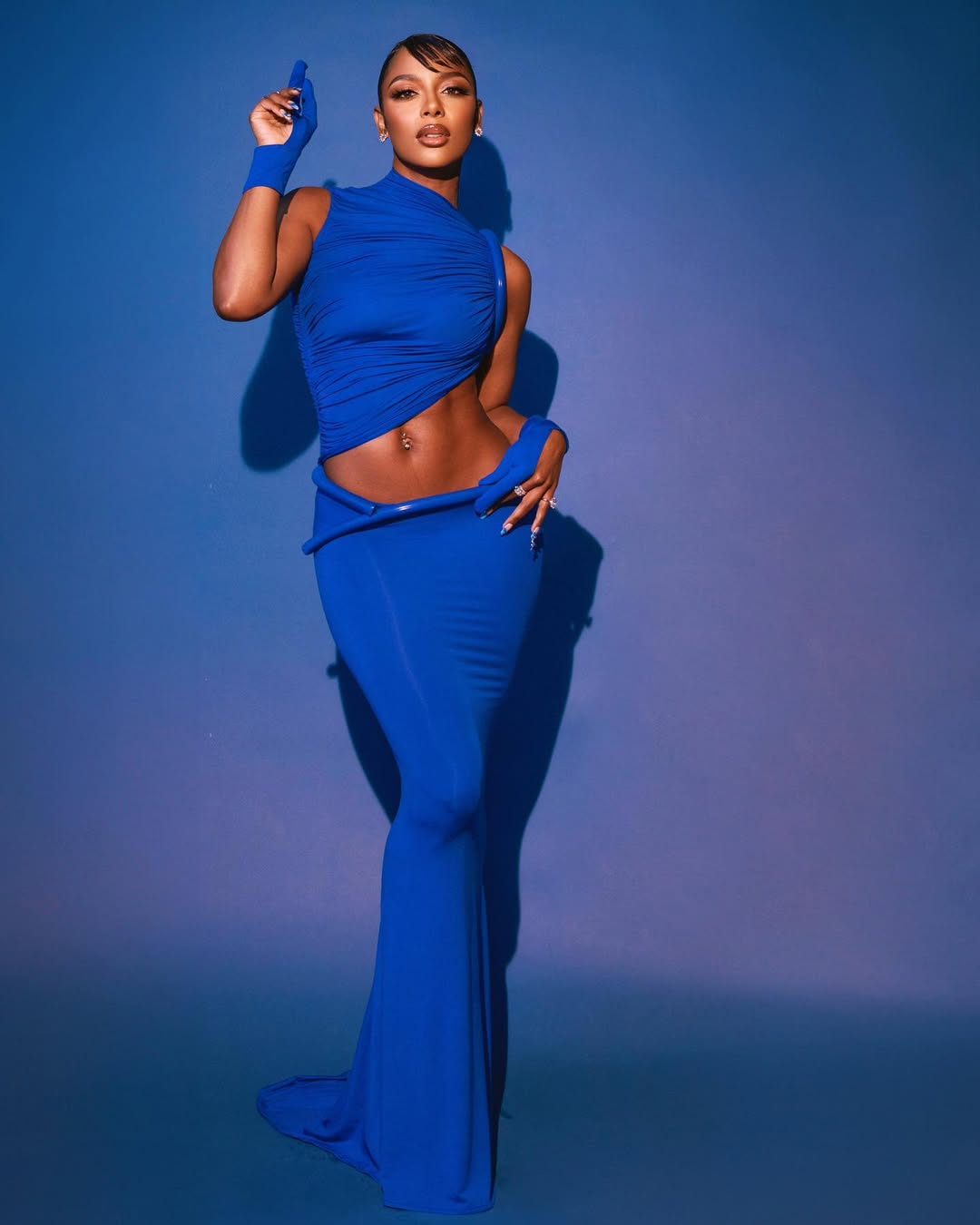
Fashion used to be a top-down system: designers created, magazines validated, and celebrities wore. That hierarchy no longer holds. Today, stylists sit at the center of cultural influence because they operate at the intersection of:
- Celebrity identity
- Brand marketing
- Social media virality
- Editorial fashion
They decide how a celebrity is perceived in public memory. A designer creates a garment. A stylist decides whether that garment becomes a moment. In many cases, it is not the runway that defines fashion anymore—it is the red carpet, the music video, or the Instagram post.
How the Red Carpet Became a Fashion Economy
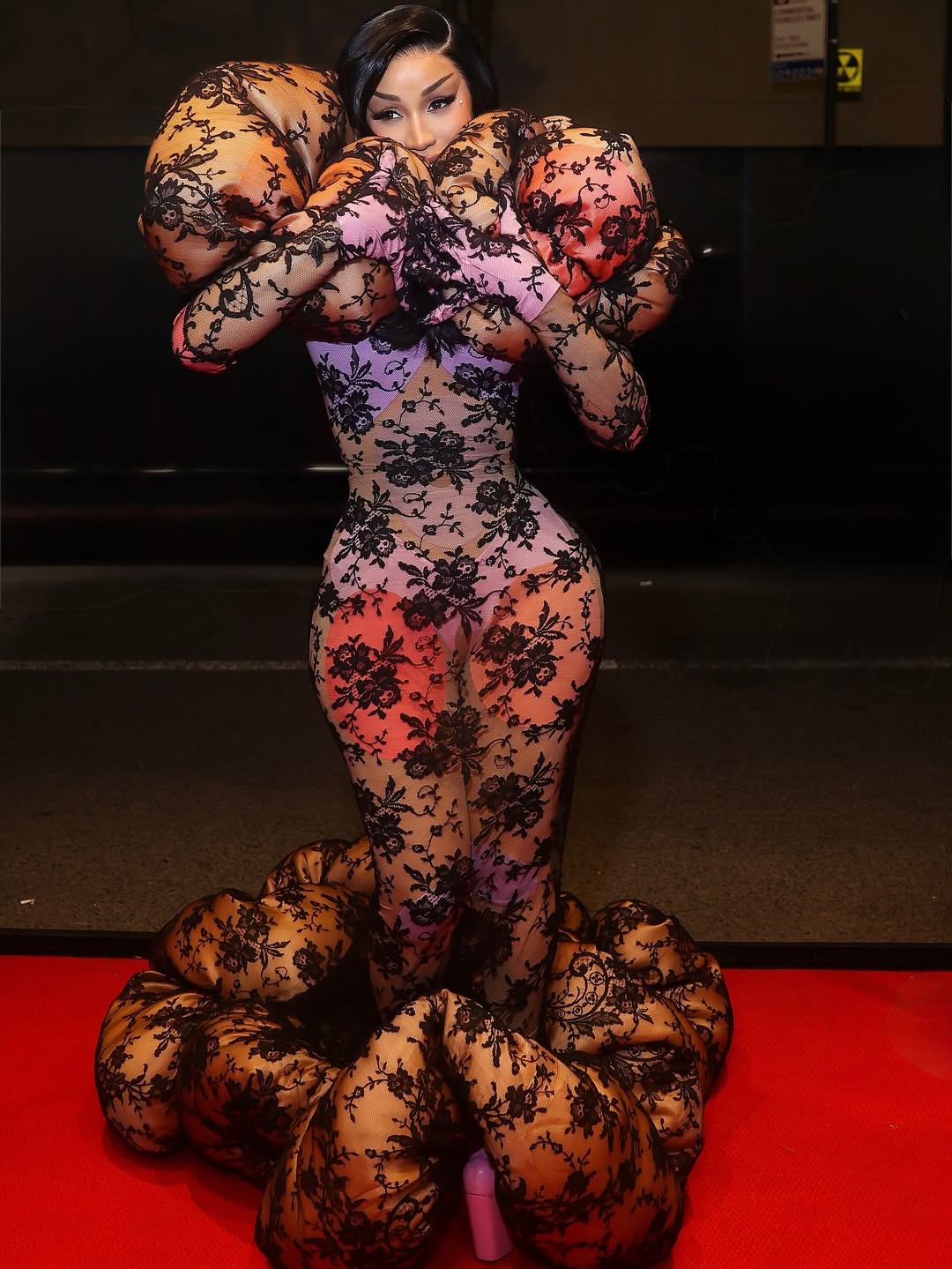
Award shows, premieres, and fashion week appearances have become high-stakes cultural events. A single look can:
- Define a celebrity’s era
- Influence global trends
- Increase brand visibility
- Generate millions in media coverage
This is why stylists now work like creative strategists rather than personal shoppers. Every look is planned for impact, timing, and cultural relevance. And in this system, stylists are the ones making decisions that ripple far beyond appearance.
Black Stylists and the Globalization of Image Culture
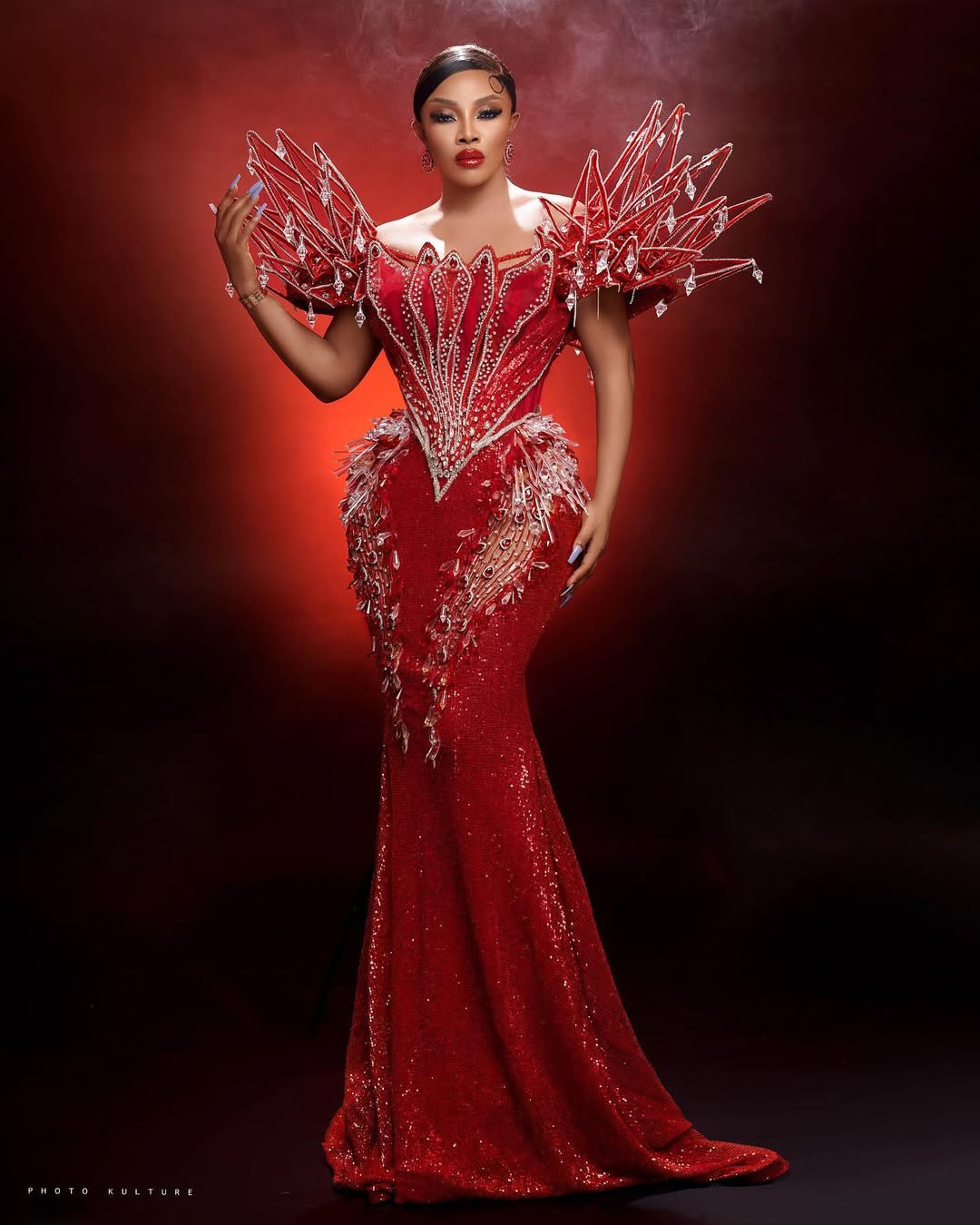
What connects Law Roach, Zerina Akers, and Ugo Mozie is not just talent; it is cultural authorship. They are part of a generation of Black stylists redefining what global fashion looks like across Hollywood, music industries, Afrobeats culture, and luxury fashion campaigns.
Their influence reflects a broader shift: fashion is no longer centralized in a few Western institutions. It is now shaped by global creative networks. Black stylists, in particular, have been instrumental in expanding how luxury, elegance, masculinity, femininity, and cultural identity are expressed in modern fashion.
Fashion is Now Built Behind the Scenes
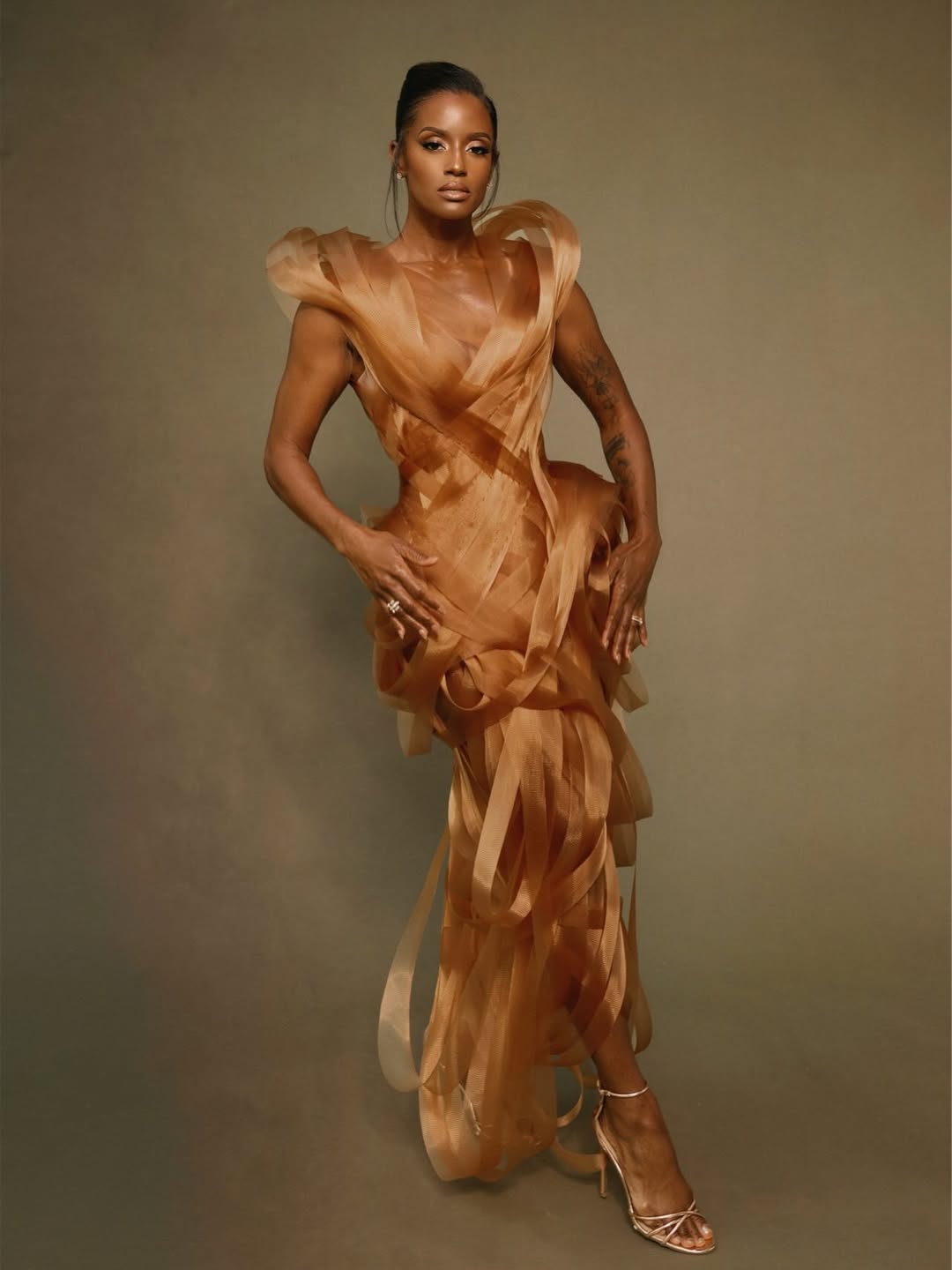
Fashion is no longer only decided on runways. It is decided in fitting rooms, backstage moments, studio sessions, and late-night creative conversations between stylists and their clients. And these Black celebrity stylists represent a quiet but powerful shift in global fashion.

