


There is a particular kind of heat that does not just sit on the skin; it lingers, presses, and follows you into every corner of the day. In moments like that, clothing stops being just style and becomes something closer to survival in motion. What you wear either works with the weather or quietly fights against it. In that tension, dressing shifts from instinct to intention. Fabrics matter more than silhouettes, and comfort is no longer a bonus—it is the foundation.
When the heat refuses to ease, getting dressed becomes less about looking right and more about staying comfortable in what you choose. This is exactly where the best womenswear fabrics for hot, humid weather quietly make the difference between ease and discomfort.
In this arena, everything changes. The familiar idea of “summer clothes” starts to feel too broad, too general for weather that demands precision. Lightness alone is not enough. What matters is how a fabric breathes, how it moves against the skin, and how it behaves once humidity settles in. Some materials create a space between the body and the air, allowing warmth to pass through without resistance. Others tighten, cling, or weigh the day down without warning. The difference is subtle at first, then impossible to ignore once you have experienced both.
What follows is less about trends and more about awareness; the fabrics that quietly determine whether hot weather feels manageable or overwhelming, and why choosing them changes everything about how summer actually feels.
What Makes a Fabric Work in Heat and Humidity?

Hot and humid weather demands more from clothing than aesthetics alone. Breathability is essential, allowing air to circulate rather than settle against the skin. Without that movement, even the lightest outfit can feel heavier than expected.
Moisture control also plays an important role. Some fabrics absorb sweat and dry quickly, while others retain moisture, making the body feel warmer over time. Texture and weave matter just as much as fibre content, since loosely woven materials naturally create more space for airflow.
Weight completes the picture. Lighter fabrics tend to sit away from the body, reducing friction and heat build-up. When these elements come together, clothing stops feeling like an extra layer and starts feeling like part of the climate itself.
Check out trusted fabrics for hot and humid weather to take on in style…
#1. Linen: The Fabric That Understands Heat Without Asking Questions

There is a reason linen always returns the moment temperatures rise. It does not compete with the weather; it moves with it. Light on the skin, open in structure, and slightly imperfect in the most intentional way, linen makes heat feel less aggressive and more manageable.
Unlike fabrics that cling or trap warmth, linen allows air to pass through almost effortlessly. That loose weave is not just a design detail—it is the entire reason it works so well in humid conditions. The body stays cooler not because the fabric fights heat, but because it refuses to hold on to it.
Then there is the texture people either misunderstand or learn to love. The natural creasing, the softened edges, the way it never looks overly controlled—these are not flaws. They are part of its identity. Linen does not try to stay perfect under pressure, and that is exactly why it feels right in real life.
From oversized shirts left slightly unbuttoned to wide-leg trousers that catch the breeze and easy dresses that move without structure, linen carries a sense of ease that feels almost built in. Designers continue to return to it season after season because it solves a problem without making a show of it. It simply works. In a season when heat is no longer occasional but constant, linen stops being just a style choice. It becomes a quiet practicality, one that still looks considered without ever feeling forced.
#2. Cotton: The Quiet Workhorse That Gets Warm Weather Right
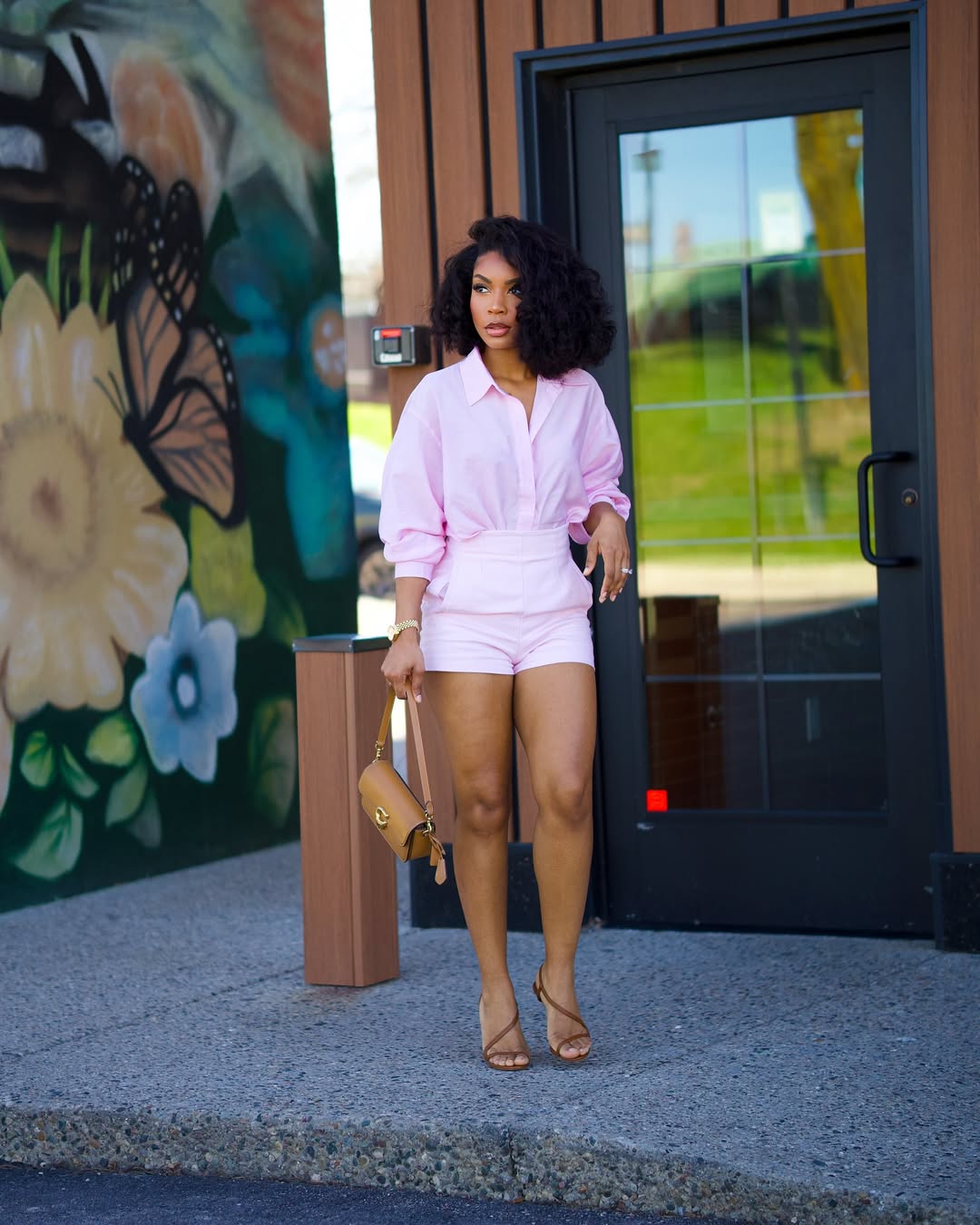
Not all cotton behaves the same when the heat settles in. The difference shows up in the weave. Lightweight cotton poplin and voile bring a level of breathability that heavier versions simply cannot match. They hold their shape without feeling stiff and allow air to move in a way that keeps the skin noticeably more comfortable.
What makes cotton so reliable is how it balances ease with structure. It does not collapse under heat, but it also does not cling or trap warmth. Instead, it sits lightly on the body, absorbing moisture while still feeling clean and composed throughout the day.
That balance is what keeps it in constant rotation every summer. From crisp shirts that look effortlessly put-together to relaxed trousers and easy dresses that work in both city heat and coastal humidity, cotton adapts without trying too hard. It fits into everyday dressing in a way that is almost instinctive.
A simple white cotton shirt paired with loose tailoring or shorts says everything without saying too much. It is not about over-styling the heat; it is about dressing in a way that lets the body breathe while still looking intentional.
#3. Chambray: Denim’s Lighter Alternative
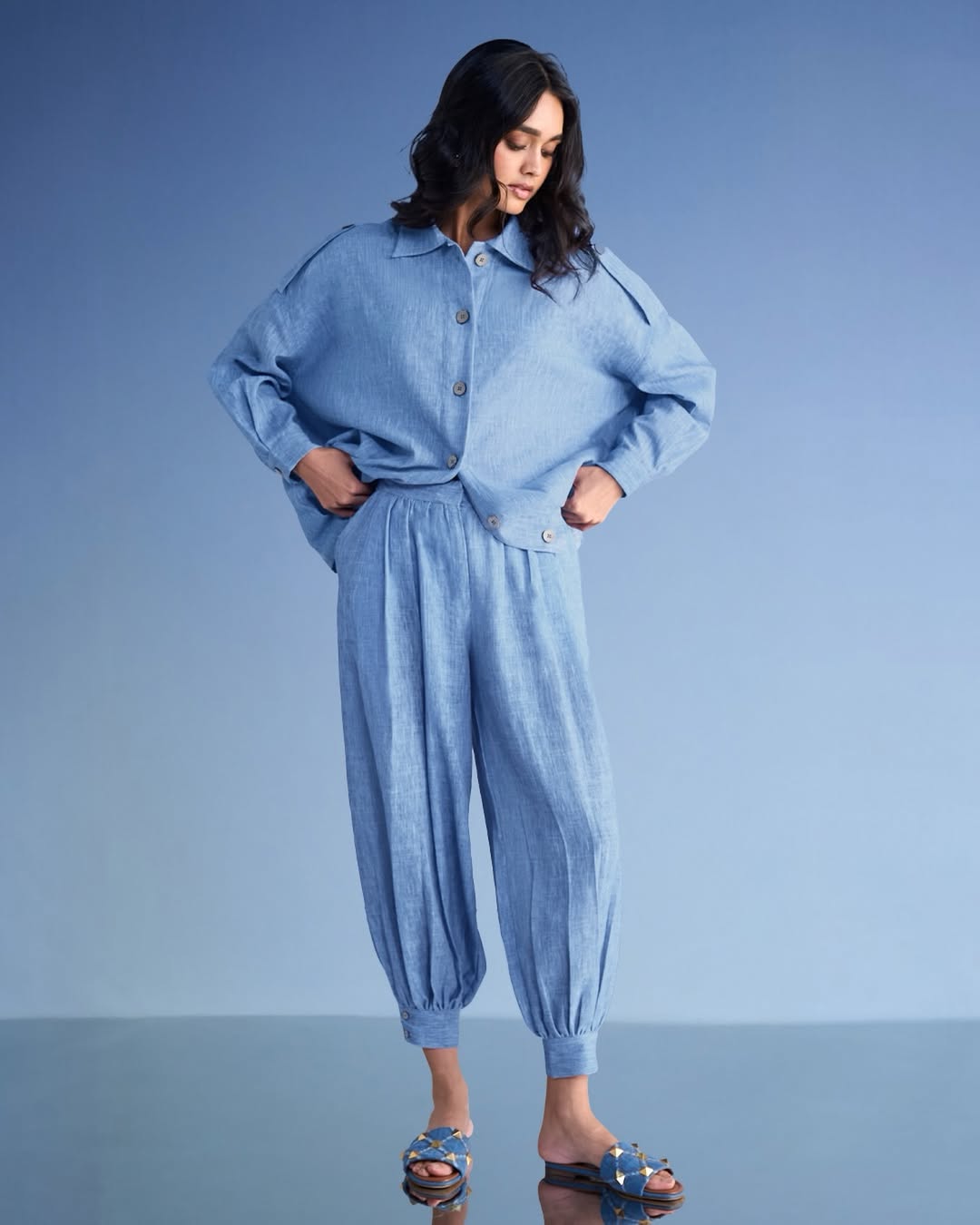
Chambray offers the visual language of denim without its weight. It looks structured at first glance, yet is significantly more breathable, making it a practical choice for warm climates.
This fabric works well in casual shirts, relaxed trousers, and easy dresses that need a bit of structure without sacrificing comfort. It brings a familiar aesthetic while removing the heaviness usually associated with traditional denim. In humid weather, that difference is immediately noticeable.
#4. Seersucker: Built for Air to Move
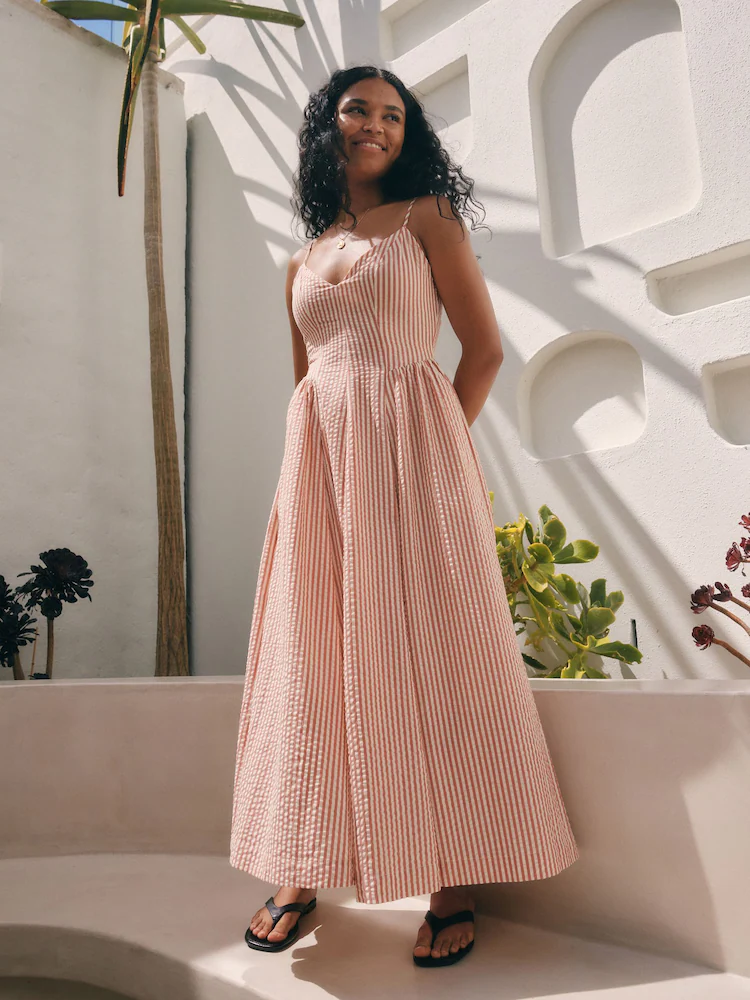
Seersucker stands out because of its naturally puckered texture. That uneven surface keeps the fabric slightly lifted away from the skin, allowing air to circulate more freely.
It has long been associated with warm-weather tailoring for this exact reason. Jackets, dresses, and coordinated sets made from seersucker carry a sense of structure while still feeling breezy and light. The texture does most of the work, reducing the need for additional styling tricks to stay comfortable.
See More

