


The recent passing of Robert Redford on September 16, at 89, marks the end of an era in Hollywood, one defined by golden-age storytelling and unforgettable screen presence. More than an actor, Redford became a cultural icon, carrying cinema on his shoulders through decades of landmark roles. His name belonged not just on marquees but in the very lexicon of glamour, grit, and artistic integrity. For many, “a Robert Redford movie” evoked everything from irresistible romantic dramas to political thrillers that challenged and engaged audiences.
Looking back, Redford’s career was never confined to a single genre. Instead, it unfolded as a rich tapestry spanning westerns, romance, thrillers, and even near-silent survival films. His presence brought a rare sense of trust. If Redford was in a film, you knew it mattered. Today, his legacy endures through the availability of his films on streaming platforms and through the continued influence of the Sundance Film Festival, a testament to his lifelong commitment to storytelling and supporting new voices in cinema.
Robert Redford Movies That Defined an Era

Some Robert Redford movies belong to a rare group of cultural anchors—films that became bigger than cinema itself. Butch Cassidy and the Sundance Kid (1969) paired him with Paul Newman, redefining the buddy western with charm, wit, and effortless cool. Then came The Sting (1973), where his role as a con artist showcased his remarkable ability to balance danger with playful charisma. These weren’t just box-office hits. They became cinematic landmarks that reshaped Hollywood’s vision of the leading man.
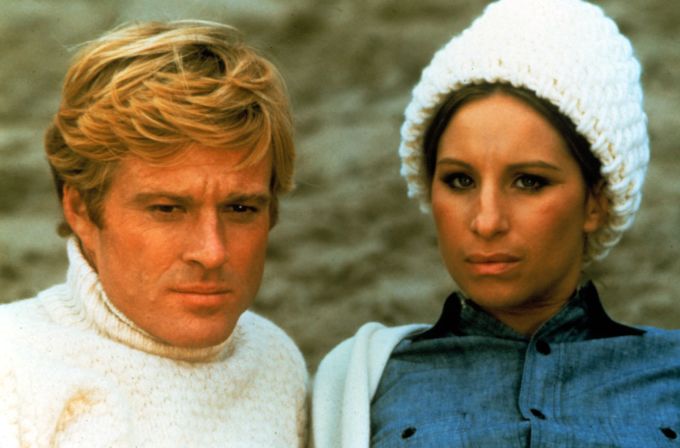
Redford’s 1970s streak continued with The Way We Were, a romantic drama opposite Barbra Streisand that still sparks conversations about chemistry, heartbreak, and emotional storytelling. Soon after, All the President’s Men (1976) had him portraying journalist Bob Woodward, bringing the Watergate scandal to the screen with compelling precision. The film remains a benchmark for political thrillers and is still studied in classrooms for its masterful depiction of investigative journalism. Collectively, these works demonstrate why Robert Redford’s movies endure. They captured timeless conflicts with a resonance that feels just as urgent today.
Robert Redford As a Romantic Powerhouse
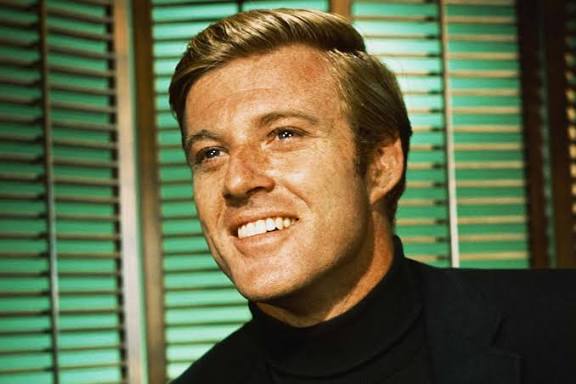
Audiences often remember Robert Redford movies for the effortless romance they exuded. His pairing with Barbra Streisand in The Way We Were created one of cinema’s most unforgettable emotional farewells. Later, Out of Africa (1985), alongside Meryl Streep, offered sweeping landscapes and quiet intimacy, weaving a story of love, loss, and belonging. These weren’t superficial romances. They carried the weight of longing, a testament to Redford’s understanding of the delicate balance between passion and fragility.
Even as he aged, Redford brought this same aura to roles that explored love in later life. Our Souls at Night (2017), a Netflix original, reunited him with Jane Fonda to tell a tender story of companionship and late-life intimacy. The film demonstrated that Robert Redford’s movies never shied away from aging. Instead, they embraced the nuances of finding connection when the world expects silence. His ability to resonate with audiences across generations was a rare and enduring gift.
Robert Redford Movies as Survival Stories
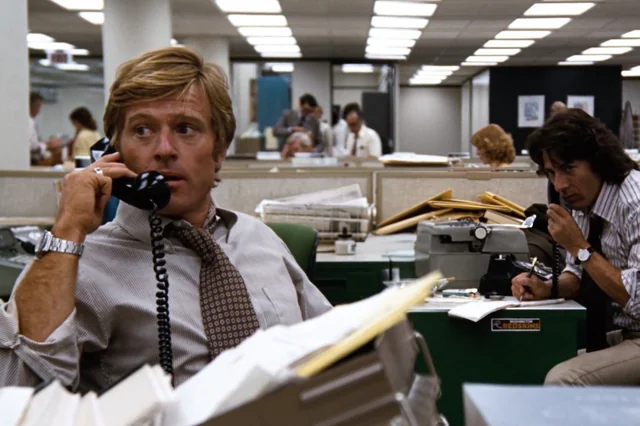
Redford also excelled in films that tested both physical and emotional endurance. In Jeremiah Johnson (1972), he became a mountain man navigating isolation and the unforgiving wilderness. Meanwhile, The Natural (1984) transformed baseball into a mythic, cinematic journey. Perhaps his boldest performance came in All Is Lost (2013), a nearly dialogue-free survival story in which he battles the sea after his boat is damaged. Critics lauded it as one of his finest roles, proving that even in near silence, Redford’s presence could command the screen.
These survival narratives offered more than just thrilling drama. They reflected his personal ethos—resilience, self-reliance, and the courage to face life’s elements head-on. Watching Robert Redford movies like these is like witnessing endurance itself. Indeed, a quiet, steadfast determination to keep moving forward, even when the odds seem insurmountable.
Robert Redford Behind the Camera
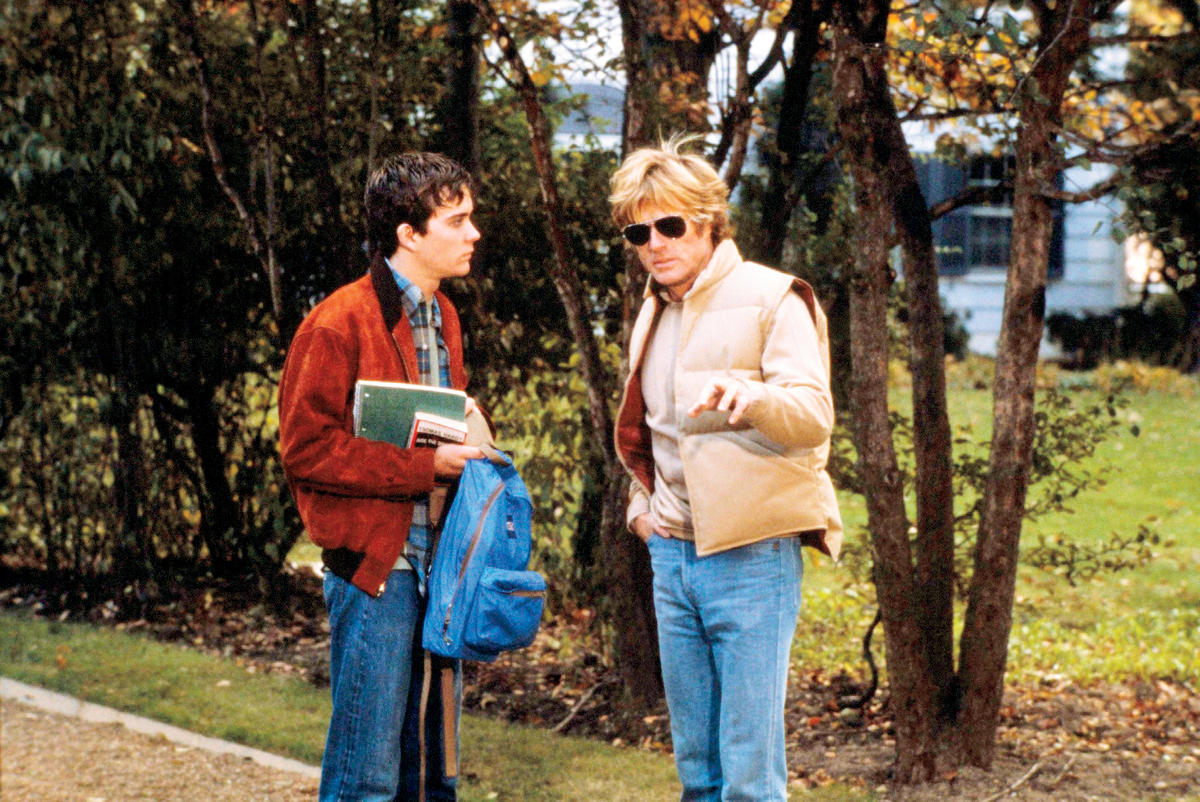
Redford’s influence extended far beyond acting. He earned an Academy Award for directing Ordinary People (1980), a deeply human drama exploring grief and family tension. His directorial sensibility continued with A River Runs Through It (1992), introducing audiences to a young Brad Pitt while demonstrating Redford’s talent for blending intimate stories with sweeping landscapes. Later, Quiz Show (1994) tackled corruption in American television with incisive precision.
This body of work proved that Robert Redford’s impact wasn’t limited to his presence on screen. As a director, he amplified new voices and perspectives, reflecting a commitment that extended beyond his personal fame. That ethos was further cemented through the founding of the Sundance Institute and Film Festival in the 1980s—platforms that have nurtured independent filmmakers and reshaped global cinema. For countless artists, Sundance became a place where creative dreams could take root and flourish.
Redford in the Streaming Era
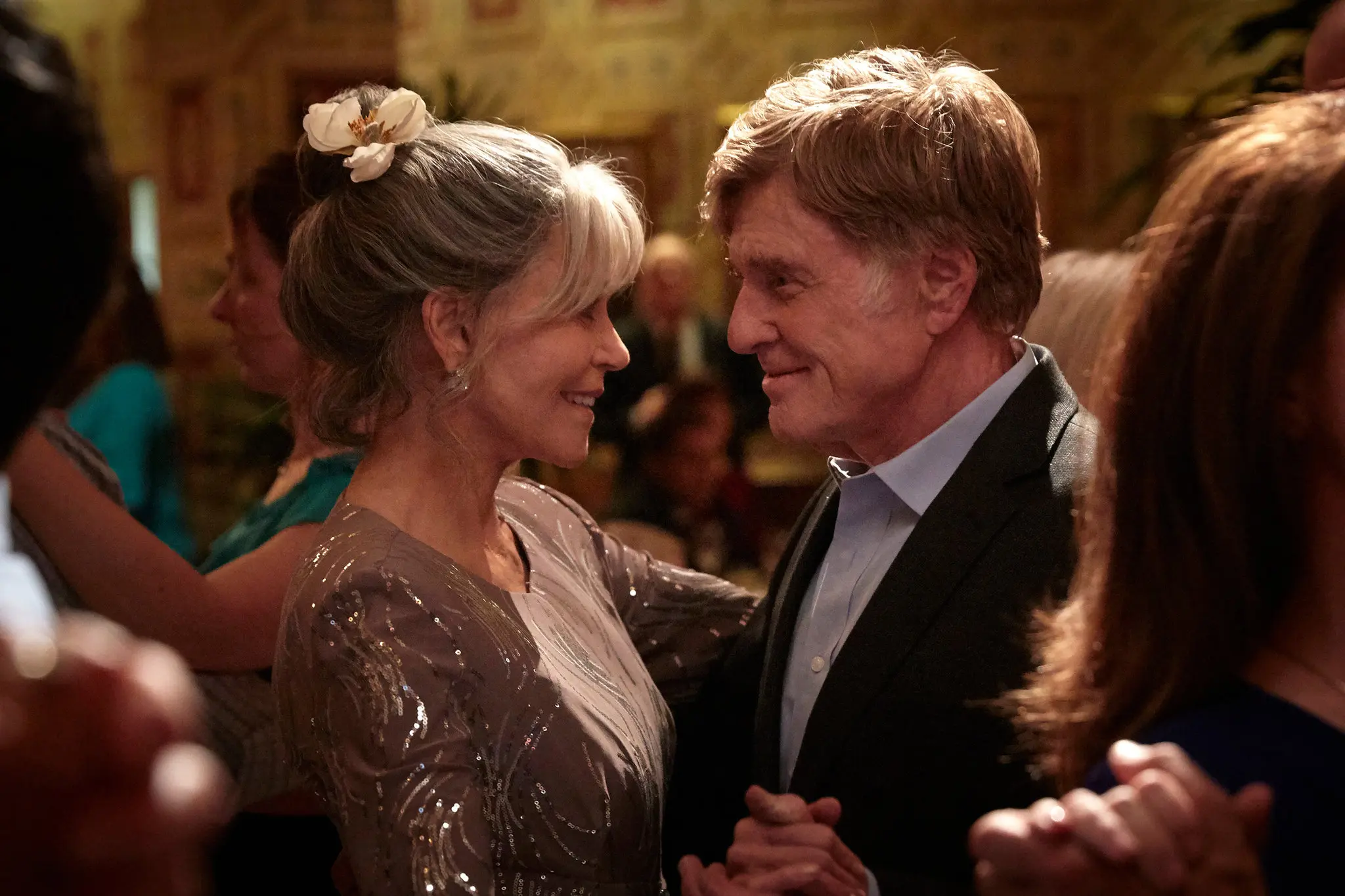
In 2025, his passing renewed attention on which Robert Redford movies remain accessible today. Netflix offers Our Souls at Night and The Discovery, giving younger audiences a chance to experience his late-career artistry. Meanwhile, platforms like Criterion and Amazon Prime feature his classics, from The Sting to All the President’s Men. For longtime fans, revisiting these films feels less like nostalgia and more like rediscovering cinema’s very blueprint.
Thanks to streaming, Robert Redford movies remain vibrant and relevant. They are accessible not only to those who grew up with his work but also to new generations seeking timeless storytelling. In this way, his legacy continues to teach, entertain, and inspire, proving that great cinema and the artists behind it truly endure.
Final Thoughts On The Hollywood Icon
The story of Robert Redford’s movies is, in many ways, the story of American cinema itself. From redefining the western to reshaping political thrillers and directing intimate dramas, he left no corner untouched. His influence stretches far beyond the screen, shaping the culture of independent film and inspiring generations of artists who followed in his footsteps.
As audiences revisit his work, the enduring power of Robert Redford’s movies is undeniable. They remind us of a man who could command a frame with effortless presence, a director who could evoke deep emotion from silence, and a cultural icon who never wavered in his belief in the future of film. Redford may be gone, but his movies remain alive—teaching us, moving us, and continuously showing why we fall in love with cinema.
Featured image: Getty Images
For the latest in fashion, lifestyle, and culture, follow us on Instagram @stylerave
The Top 10 David Duchovny Movies And TV Shows You Need To Watch RN

