


Tesla (TSLA +0.28%) investors have been along for a bumpy ride over the last 18 months or so as they’ve seen competitors pull ahead of the automaker that helped reenergize the global electric vehicle (EV) industry. BYD, China’s juggernaut EV maker, raced ahead of Tesla in global EV sales. A handful of companies have expanded their robotaxi ambitions beyond Tesla’s current scope, even considering its recent expansion. And now, even Volvo is putting some distance between itself and Tesla, with Coca-Cola adding to its fleet of electric semis.
Coke vs. Pepsi, with a twist
Pepsi versus Coca-Cola will go down in history as an all-time great business rivalry, but adding Tesla and Volvo into the mix adds a nice twist to the story. Tesla is known for supporting Pepsi with 80 Tesla electric semitrucks in the Pepsi fleet. It has been about a decade since Pepse and Tesla signed its initial partnership.
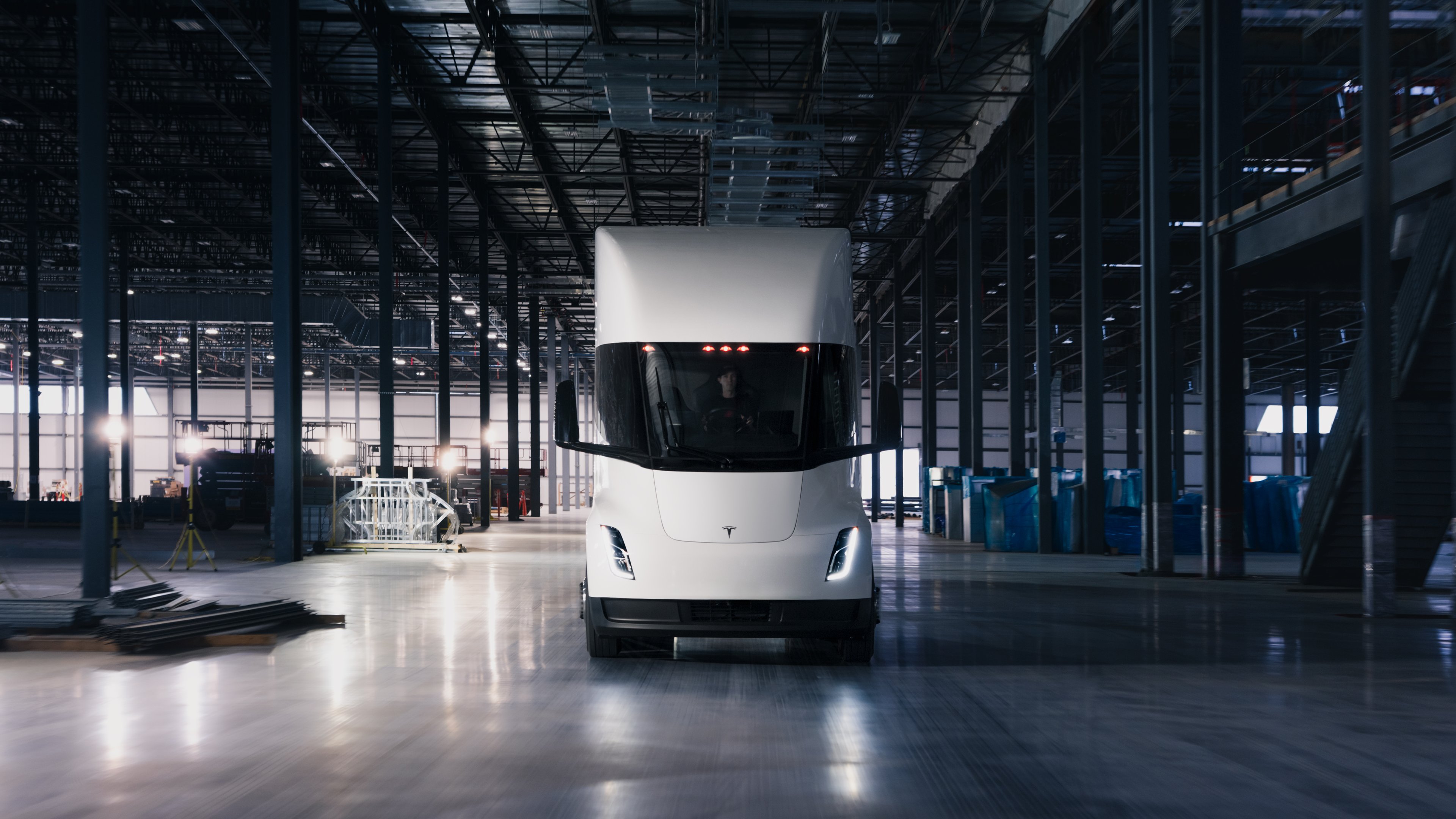
Image source: Tesla.
While Tesla can claim victory when comparing semi specifications and performance, it might be a case of winning the battle but losing the war — at least, so far. Volvo has placed more than 5,000 full-electric semis into service around the world and logged over 100 million zero-emission miles in roughly the same time since Tesla and Pepsi finalized their agreement. In comparison, as of early 2026, Tesla had “a few hundred” semis on the road, primarily in pilot programs in addition to Pepsi, DHL Supply Chain, and Tesla’s internal logistics.

Today’s Change
(0.28%) $1.09
Current Price
$387.51
Key Data Points
Market Cap
$1.5T
Day’s Range
$385.30 – $393.01
52wk Range
$249.20 – $498.83
Volume
62M
Avg Vol
63M
Gross Margin
18.03%
Can Tesla catch back up?
Tesla’s volume semi production is set to begin in the first half of 2026 at its Nevada factory, with annual production capacity at roughly 50,000 semitrucks. Investors would be wise to largely ignore that 50,000 mark, as tempting as it is to envision those figures catching and surpassing Volvo.
Rather, investors need to be realistic about what success would be for Tesla’s semitruck in the early stages. According to American Truck Dealers, the entire Class 8 market totaled roughly 208,000 trucks last year. If Tesla were to grab a few thousand over the first couple of years for a small market share, that would be a solid start. Hypothetically, let’s say Tesla sells 1,000 this year, 2,000 next year, and in five years Tesla’s semi hits around 8,000 — this is what success looks like, and is comparable to Volvo, currently.
It would also be wise to look beyond the early sales figures. Investors should really look at the core product, which by most accounts is a great product, garnering insightful reviews and optimism in a trucking industry that had been initially skeptical. Tesla semis on more simple routes for logistics fleets are compelling for businesses, and right now, that’s a win. That said, Tesla has much work to do to appease investors on the semi’s potential.

