


Nothing is no stranger to trying stuff out. Sometimes that penchant for uniqueness works (see: the Ear A wireless earbuds, the Headphone 1, or the polarizing Phone 3), and other times it doesn’t quite hit the mark (see: the Ear 3’s “Super Mic” feature or failed experiments like Nothing Chats).
That spirit of experimentation is something fans have come to expect, for better or worse, and in its newest pair of wireless earbuds, the Ear 3a, Nothing might actually hit the sweet spot between price, flair, and fundamentals.
Nothing Ear 3a
The Ear 3a are a great value, with solid sound, unique recording features, and a unique look for $99.
- Sound as good as the flagship Ear 3
- Call recording features work as advertised
- Fun colors and transparent pillbox-shaped charging case
- ANC is just okay
- No personalized EQ
- Hidden subscription for “pro” transcription
Like the Ear A, but better
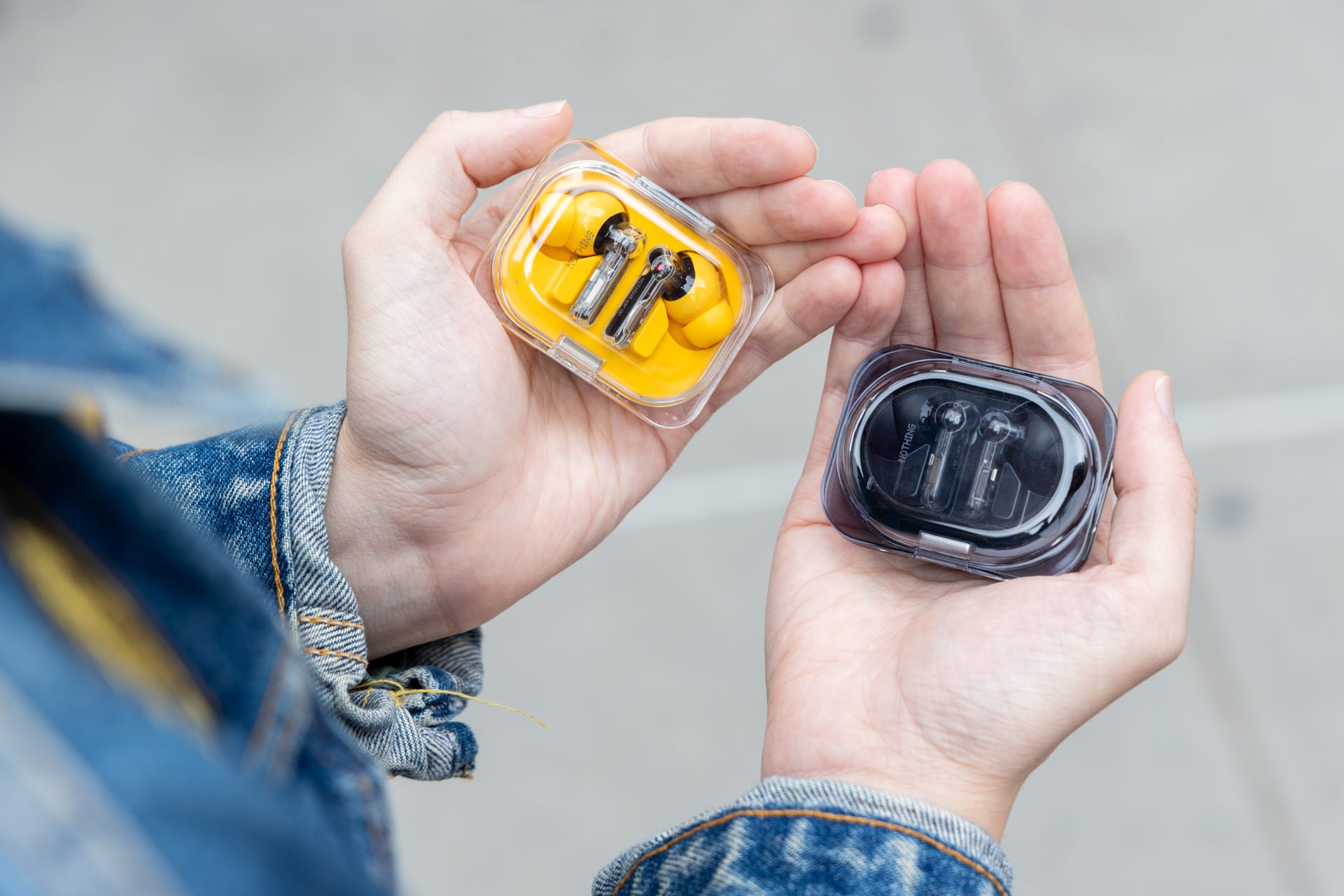
The Ear 3a is the successor to the Ear A, which are Nothing’s more budget-focused pair of wireless earbuds released alongside the flagship Ear series in 2024. Like the Ear A, the Ear 3a cost less than its flagship counterpart at $99, but still share a lot of the same design sensibilities, like added pops of color. The Ear 3 are only available in black and white, while the Ear 3a come in pink, yellow, black, and white. The pink is a more vibrant hue than the pink Nothing used in the Headphone A, but the yellow looks fairly similar to yellows in the past.
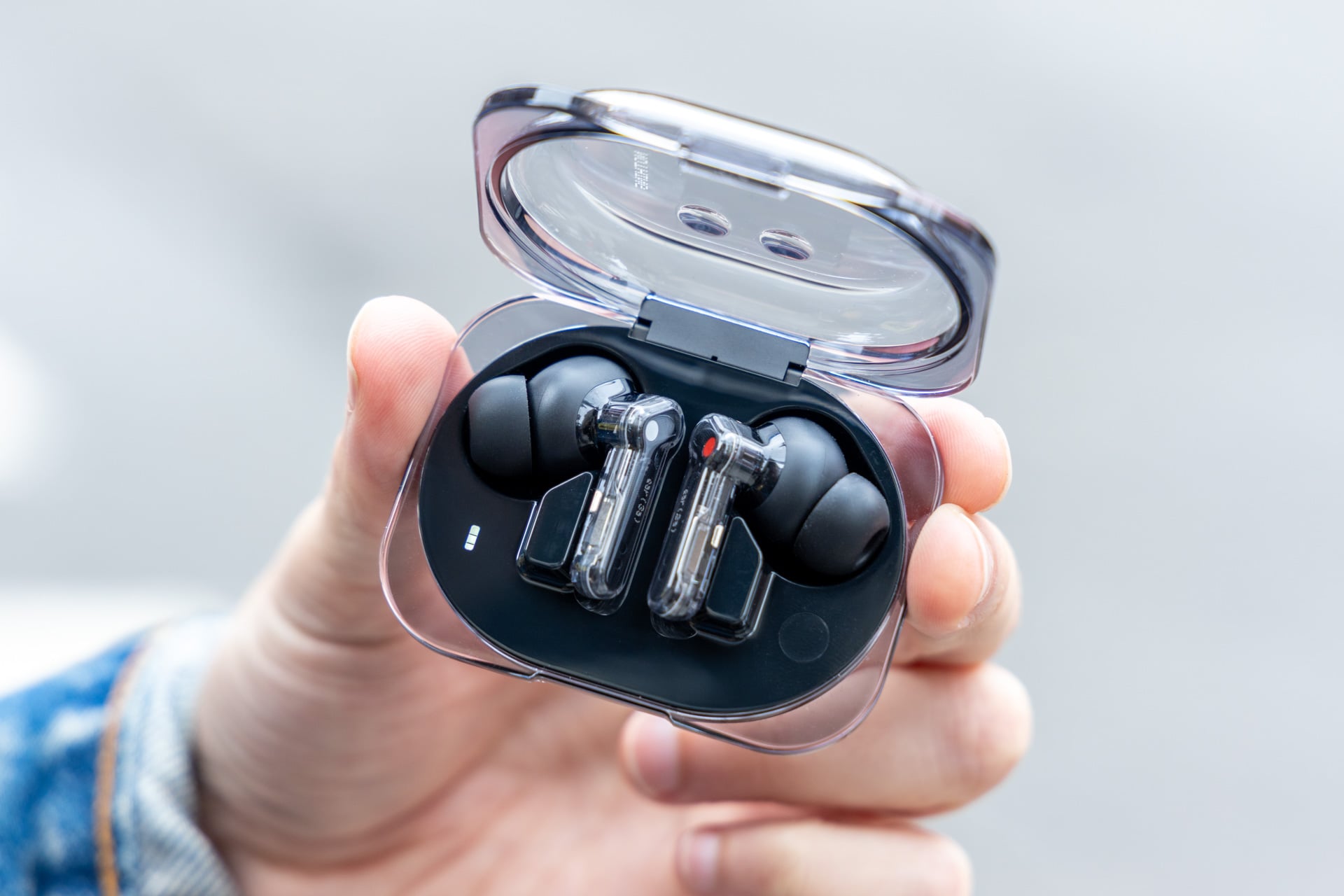
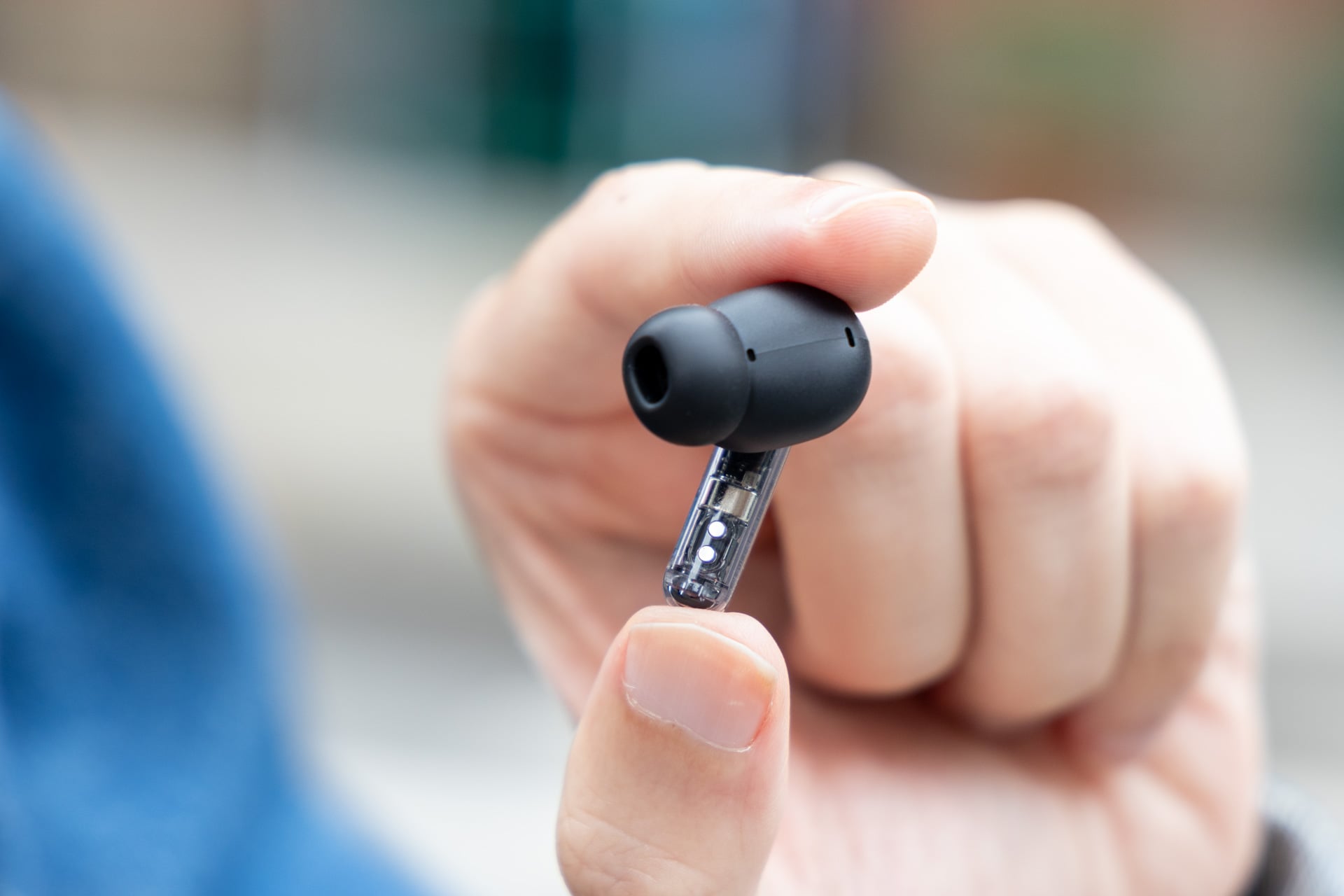
Like the Ear A from 2024, the Ear 3a also have a pillbox-shaped charging case, which I loved—it looks like a tiny lunchbox. This version is a little rounder, and inside there’s a refreshed LED indicator. This new three-column LED indicates battery life and when the wireless earbuds are in pairing mode. It’s like a very, very, very simplified version of the Phone 4a’s Glyph Bar. The stems of the Ear 3a look almost identical to the Ear A, too, with a good amount of transparency to see the inside circuitry.
The look is almost identical to the Ear A, but the Ear 3a have some notable differences inside. For one, there’s a 12mm dynamic driver that replaces the 11mm driver, and Nothing says the new drivers bring better bass to the party. I’m going to have to agree with Nothing there; the Ear 3a are notably bassier than the Ear A and the Ear 3. Overall, I’m pleased with the Ear 3a’s sound, especially when considering the $99 price tag. These wireless earbuds hold their own and stack up well next to the $179 Ear 3. If there is a difference sound-wise between Nothing’s Ear 3a and the flagship pair, I can’t notice it.
Listening to rock songs like “Any Major Dude Will Tell You” by Steely Dan, one of my go-to test songs, I liked the default EQ and felt like the wireless earbuds gave me a good sample across the frequency range; vocals were clear and bright, as were guitar tracks in the midrange. If there was a big difference, it was in the low range, as I mentioned. There’s a good deal more bass in the Ear 3a, which, even though big bass isn’t super high on my list of important metrics, is nice, especially on electronic tracks. In Daft Punk’s “Da Funk,” another one of my go-to test songs, bass was strong, but not so deep that it drowned out other frequencies. Bass also didn’t feel too artificially boosted or synthetic-sounding like it can in other bass-forward audio gear.
There are custom EQs in the Nothing X companion app, but unfortunately, you can’t take advantage of personalized EQ, which tailors tuning to your hearing, with the Ear 3a. That’s a bit of a bummer, but I suppose you can’t expect all the flagship features in the cheaper model. One sound feature you can use in the Ear 3a and also the pricier Ear 3 is spatial audio—this is a fixed spatial audio that doesn’t do any head tracking but is meant to add a sense of dimension to stereo sound.
As is the case with the Ear 3, I’m not a huge fan. On certain tracks, particularly in stripped-down acoustic ones like Squarepusher’s “Andrei,” spatial audio was interesting and added some nuance—there was more of a “room” sound with added reverb—but using it with busier tracks like Wilco’s “I’m Always in Love” just felt like it darkened and dampened the tuning overall. That darkening effect represents my experience generally with Nothing’s spatial audio, to be honest. I’m not usually into most spatial audio features that artificially add dimension to tracks, and unfortunately, Nothing’s version is still on that list.
Caution: recording in progress
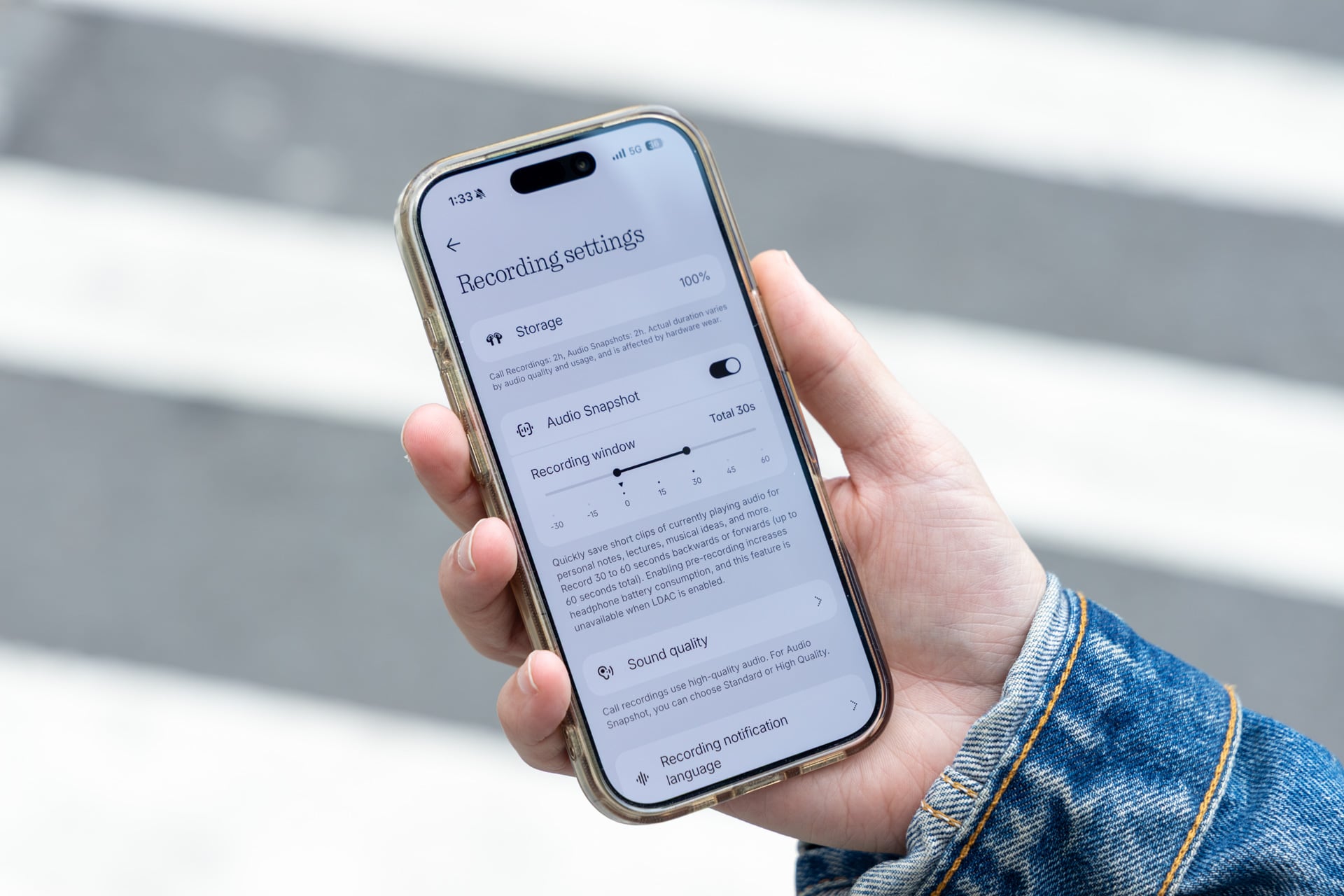
As usual, Nothing is trying some stuff out in the Ear 3a, including two new features that center on recording audio through the wireless earbuds. One of those features is called Audio Snapshot, which allows you to squeeze both earbuds to record a clip of whatever you’re listening to on your device. The recording is temporarily kept on 32MB of internal storage in the charging case and then transferred to the Nothing X app, where it can be edited, transcribed, or shared. You can set transcription length in the Nothing X app to record in 15-second intervals up to 60 seconds or set the snapshot to capture as much as 30 seconds before you trigger the feature, as well as an additional 30 seconds (maximum) after. You can also adjust the sound quality of the snapshot in the Nothing X app depending on what you need.
There are three different models you can use to transcribe audio that you’ve captured: fast, standard, and pro. While “fast” is supposed to be (duh) faster because it works offline, the “standard” model, which also works offline, is more accurate but takes a bit longer. The “pro” model provides a mix of speed and is supposed to be the most accurate of the three. It’s worth noting that Nothing is offering the “pro” model on a three-month free trial with up to “120 mins per month of cloud service” and unlimited and “free and local models for transcription.” But there will be a monthly fee following the trial that will be announced later when the subscription plan officially launches in September.
Audio Snapshot is a strange feature, and maybe not one that people will use all the time (if at all), but the good news is that it does work. I tried it on a range of content, including a YouTube video about sandwiches, and the results were pretty good. The different models break down as you’d expect: the “fast” model is marginally faster than standard, but standard is marginally more accurate, and the pro model performed the best.
Only one model, the “pro” one, was able to accurately transcribe a woman saying the name “Christopher Mintz-Plasse,” who played McLovin’ in the 2007 comedy, Superbad. If you’re really hung up on getting the most accurate experience, “pro” is it, though I am going to assume that the “standard” or “fast” models will be enough for most people. Again, I’m not sure who really needs Audio Snapshot, but if you ever feel like clipping something, this is a convenient way to do so. And it’s not the only recording-centric feature on the Ear 3a.
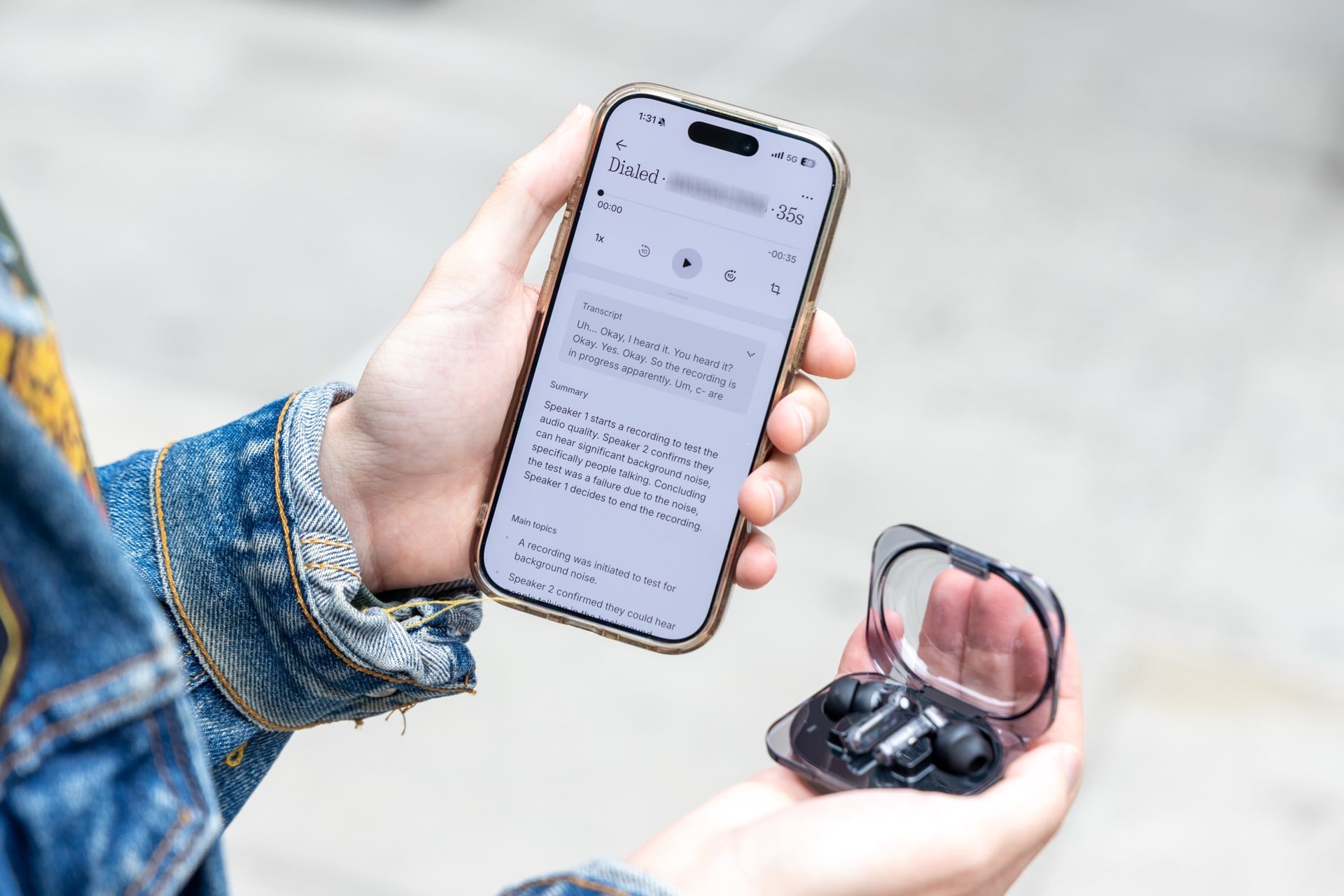
The Ear 3a also have the ability to record phone calls. The call recording is triggered the same way as an Audio Snapshot, by squeezing both wireless earbuds, and can transcribe for as long as two hours. I used it to record a short conversation, and it captured the call audio well, and then the “pro” model transcribed the conversation accurately. For privacy, both parties are notified that a recording is underway once you trigger the feature—I asked the person I called if they could hear the notification, and they could.
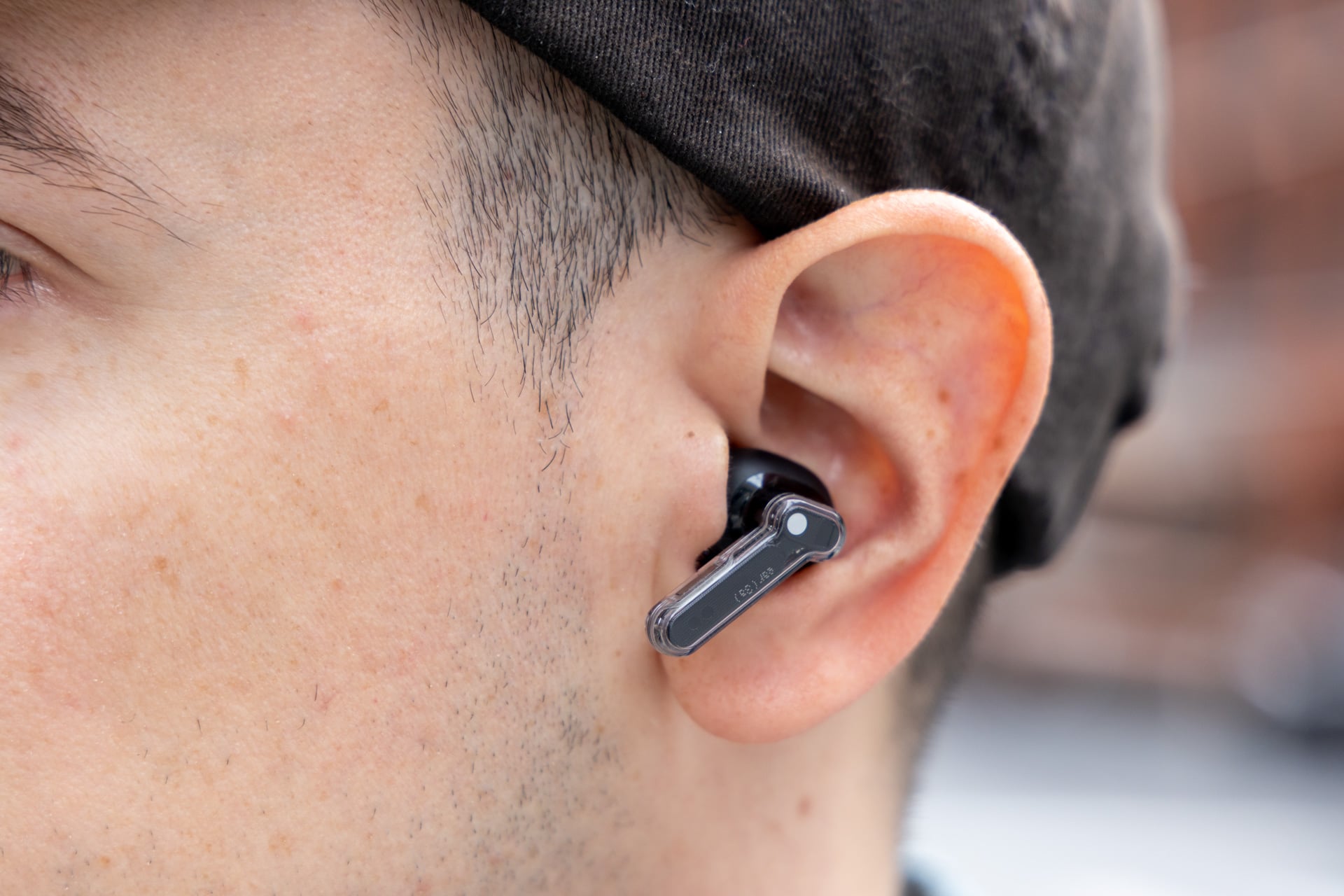
Again, most people aren’t going to use call recording all the time, if ever, but I personally find the feature useful since I have to interview people and transcribe the conversation on a regular basis. I don’t know what your specific use case would be, but it’s good to know that, in the event you do want to record something, both features work as advertised, which is more than I could say for the Ear 3’s Super Mic.
One area that I would have liked to see improvement on is active noise cancellation (ANC). The ANC on the Ear 3a is fine, but it feels almost the same as the last generation from two years ago, though Nothing says it’s actually 17% better. On the subway, I got some noise bleed—I was able to hear train screeches and conductors mumbling over the PA fairly well. It’s not an egregious amount of noise, but it’s nowhere near the same level of ANC you get from more expensive wireless earbuds like Bose’s QuietComfort Ultra Earbuds (2nd Gen) or Soundcore’s Liberty 5 Pro Max, both of which are stellar in the ANC department.
The Ear 3a feels about the same as the Ear 3 in terms of ANC, though the Ear 3 don’t have the most impressive ANC either. For the price, I can’t deduct too many points—and that’s kind of the takeaway from the Ear 3a overall.
Largely, the Ear 3a feel like a solid value. They’re comfortable, squeeze controls work fairly well, and the battery life, is solid if not mind-blowing. Nothing says the Ear 3a get 6 hours on a charge with ANC activated. In my test, the Ear 3a went from 100% battery to 85% battery after listening at 50% volume for an hour, which would work out to just over 6.5 hours.
Is the A-series still Nothing’s best value?
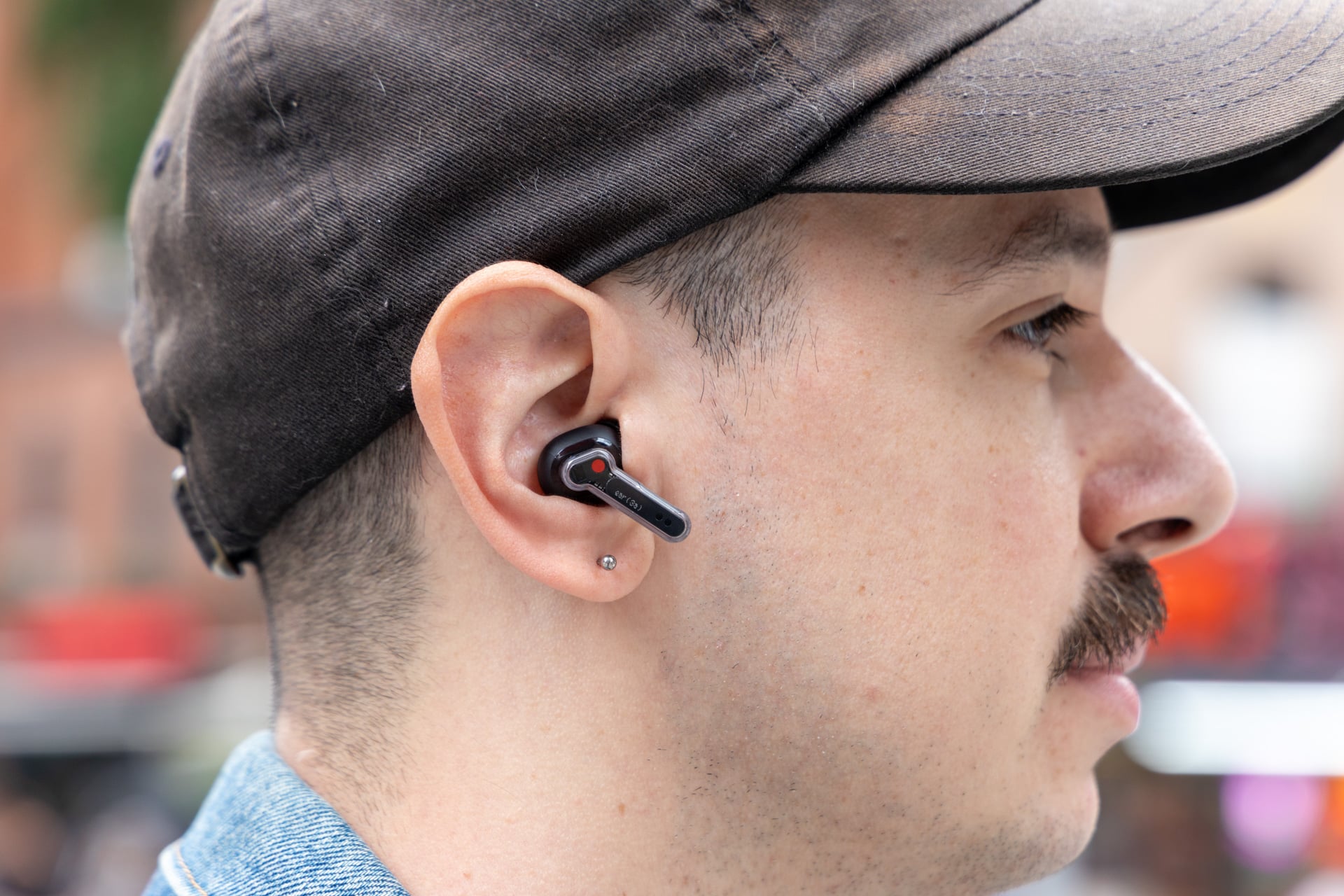
The Ear A were an excellent value when they were released in 2024. They looked cool, they sounded good, and while ANC wasn’t earth-shattering, they brought a lot to the table for only $99. The Ear 3a are no different. You’re still getting a cool look, solid sound, decent ANC, and now you’re getting two audio recording features that—though they’re not likely to be used by a lot of people—work as advertised.
On top of all of that, the Ear 3a sound as good as the flagship Ear 3 to my ears, meaning you’re not sacrificing the most important thing by going with the budget pair. If the Ear 3a are any indication, Nothing’s budget-friendly line of products still offer an enticing mix of style and substance for a price that’s hard to beat.

