


Do you know what to consider when buying blue sapphire engagement rings? If you’re planning to surprise your partner with an unforgettable ring, a vivid blue sapphire might be just what you need. With its captivating hue and timeless appeal, a sapphire engagement ring makes a striking, meaningful choice—one that effortlessly stands out from the crowd.
But beyond its beauty, sapphire carries a legacy. Long associated with romance, royalty, and refinement, this gemstone has a rich history steeped in opulence. It’s this heritage, rooted in sophistication and aristocratic charm, that continues to make sapphire an elite, sought-after option for modern couples looking to blend elegance with symbolism.
Understanding the Shades and Science of Blue Sapphires

Among all sapphire varieties, blue sapphires remain the most coveted—and the most iconic. Their mesmerizing hue is the result of trace amounts of titanium during crystal formation, giving rise to the gemstone’s signature depth and brilliance. The most prized shades include the deep, velvety “royal blue” and the luminous “cornflower blue,” each beloved for its rich saturation and undeniable visual impact.
Today, blue sapphires are also available in a range of lighter, pastel tones, offering buyers more variety to suit different styles and tastes. When selecting your perfect stone, it’s worth knowing that blue sapphires are naturally dichroic. This means the gemstone can display two different colors depending on the viewing angle. As a result, you may notice flashes of violet or purple from one perspective and hints of green-blue from another. It’s this ever-shifting play of color that adds to the sapphire’s intrigue—and its irresistible charm.
Choosing the Right Grade of Blue Sapphire
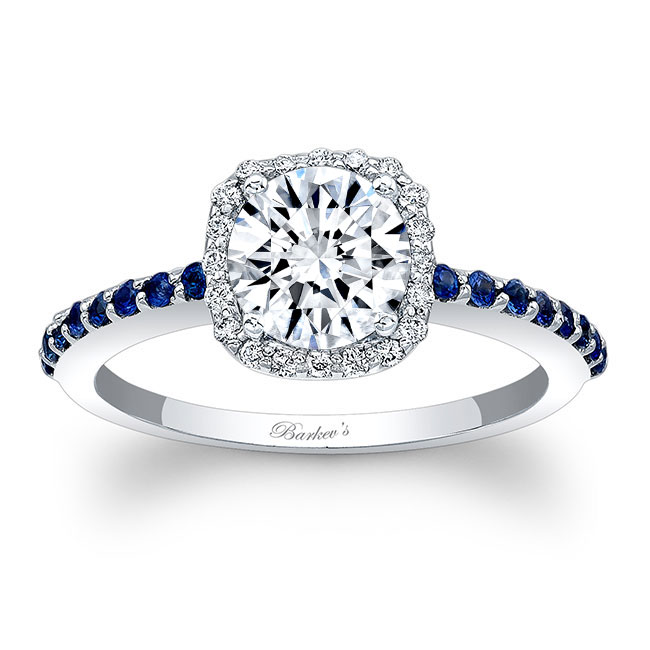
When shopping for a blue sapphire engagement ring, you can take comfort in knowing that sapphires are widely available today, thanks to a steady global supply. These gemstones are generally categorized into three quality tiers: Commercial, Good, and Fine. Each grade reflects a distinct combination of factors—size, color, clarity, and whether or not the stone has undergone treatment.
Most sapphires on the market fall into the Commercial or Good categories, particularly those weighing under five carats. These stones often undergo treatments to enhance their appearance, which is a common industry practice. On the other hand, Fine sapphires are far rarer. Typically untreated and boasting exceptional color and clarity, they are reserved for high-end, investment-grade jewelry. If you’re seeking something truly extraordinary, a Fine sapphire offers timeless beauty—and unmatched prestige.
Understanding Blue Sapphire Color and Value
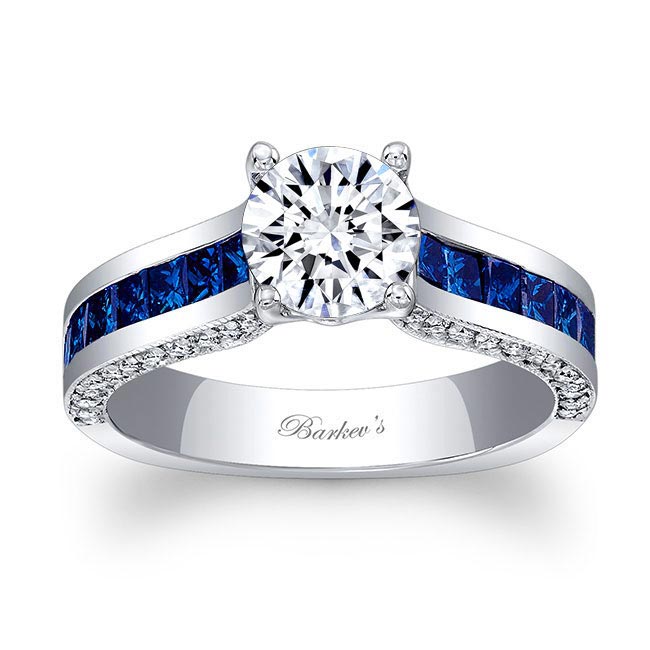
While sapphires come in a spectrum of colors, the term “sapphire” without a qualifier traditionally refers to the blue variety. Even within this category, there’s a broad range of hues to consider, ranging from soft violet undertones to hints of green or gray. These subtle variations in hue, tone, and saturation all impact a sapphire’s overall appearance and value.
Tones can span from light to deep, inky blues, giving buyers ample opportunity to choose a shade that resonates with their taste. However, color saturation is especially important. Generally, the more vivid and evenly distributed the color, the more valuable the stone. When choosing your sapphire, look for one with rich, balanced color, without zoning or uneven patches, for the most visually striking and investment-worthy option.
9 Things to Consider Before Buying a Blue Sapphire Engagement Ring
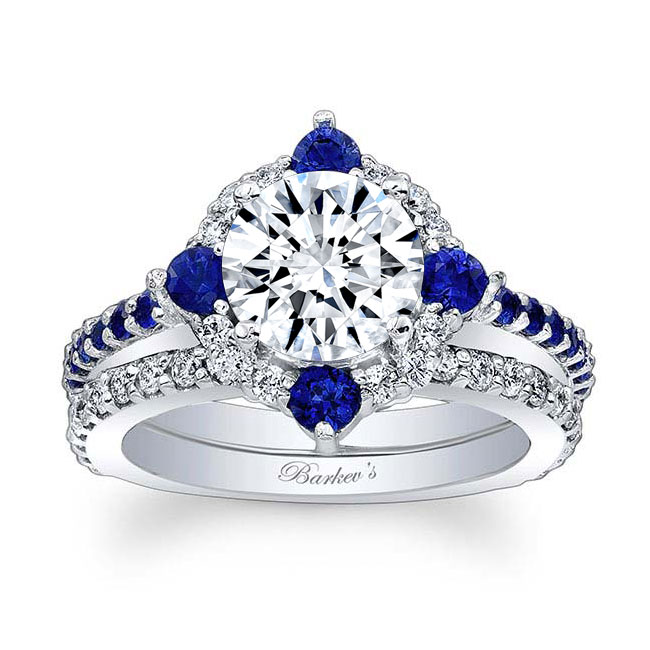
Blue sapphire engagement rings are timeless, elegant, and full of meaning. But before you buy one, it’s important to understand the key factors that influence quality, style, and value. Here’s what to keep in mind:
#1. The Right Shape and Size
Sapphires come in a variety of shapes—oval, round, emerald, and pear being the most common. When choosing, think about your partner’s personality and preferences. Do they love classic styles or bold statements? Also, remember that larger sapphires tend to cost more, so it’s wise to strike a balance between size and quality for the best overall value.
#2. Stone Quality
Like diamonds, sapphires are evaluated by the four Cs: color, clarity, cut, and carat weight. Among these, color is the most critical. Look for a rich, vivid blue that’s evenly saturated throughout the stone. In terms of clarity, sapphires often have minor inclusions, which are natural, but they should not be overly visible or distracting. Fewer, less noticeable inclusions typically indicate a higher-quality gem.
#3. The Cut
Cut affects how the stone catches the light, influencing both beauty and value. For example, emerald cuts have a larger, open table that can expose inclusions more easily, so they require a higher-clarity stone. Round cuts, on the other hand, are better at masking imperfections. Choose a cut that not only flatters the gem but also highlights its best features.
#4. Carat Weight
While carat weight affects price, blue sapphires are often more budget-friendly than diamonds. This means you may be able to afford a larger stone without compromising on quality. Still, balance is key. A well-cut, slightly smaller sapphire can look more striking than a larger one of lower quality.
#5. Gemstone Origin
The origin of a sapphire can influence both its color and value. Ceylon (Sri Lankan) sapphires are prized for their bright, cornflower-to-royal blue hues. In contrast, Australian sapphires often display a darker, inky blue—and are usually more affordable. If uniqueness matters, origin is definitely something to ask about.
#6. Visual Examination
Whether you’re buying online or in person, closely examine the stone before committing. Compare several sapphires to get a better sense of the hue, tone, and saturation that appeals to you most. Also, take into account how the stone’s shape will pair with your desired ring setting.
#7. Certification Matters
Unlike diamonds, sapphires don’t always come with certification, but it’s crucial to request one. A certified sapphire gives you an objective evaluation of its color, clarity, cut, and carat weight. It also provides peace of mind, ensuring you’re getting what you paid for.
#8. The Right Setting
The setting not only frames the sapphire but also affects how it sparkles and how well it’s protected. Claw (or prong) settings allow maximum light in, enhancing brilliance. Bezel settings offer more security but may mute the stone’s sparkle. Choose a setting that balances beauty with practicality, especially for everyday wear.
#9. Choosing the Right Metal
Finally, consider which metal will best complement your sapphire. White gold and yellow gold are both classic choices, each offering a different look. White metals enhance the cool tones of blue sapphires, while yellow gold can offer a striking contrast. Think about your partner’s skin tone and personal style when making the final decision.
Final words
Blue sapphire engagement rings come in a wide array of styles, but they almost always feature the mesmerizing blue sapphire as the centerpiece. When paired thoughtfully with the right sidestones and metal, the result is a vibrant and sophisticated alternative to the traditional diamond ring. Admired for their deep, captivating hues, blue sapphires are also prized for their durability, ranking second only to diamonds in hardness. With this perfect blend of beauty and strength, it’s no wonder blue sapphires have become a timeless, elegant choice for modern engagement rings.
Featured image: Graff
For the latest in fashion, lifestyle, and culture, follow us on Instagram @StyleRave_
—Read also

