


The earrings caught the light in every photo. The ring is still in your hand. The gown is in a plastic bag behind a door.
Two of those three will outlast the other by decades, and which two depends almost entirely on what happens in the next few weeks.
Jewelry is the part most couples get wrong, mainly because it looks indestructible. Gold does not stain and stones do not wrinkle, so the assumption is that nothing needs doing. Prongs loosen, pearl strings stretch and settings wear regardless.
Key takeaways
- Store jewelry separately from the gown and separately from each other, since stones scratch stones.
- Pearls and opals need humidity. Very dry storage such as a safe-deposit box is a poor long-term home.
- Skip ultrasonic cleaners for pearls, other organic gems and treated or fragile stones.
- Book an annual professional inspection. A loosening prong is cheap to fix and expensive to ignore.
- Clean the gown before storing it, store it flat if embellished, and never leave it in plastic.
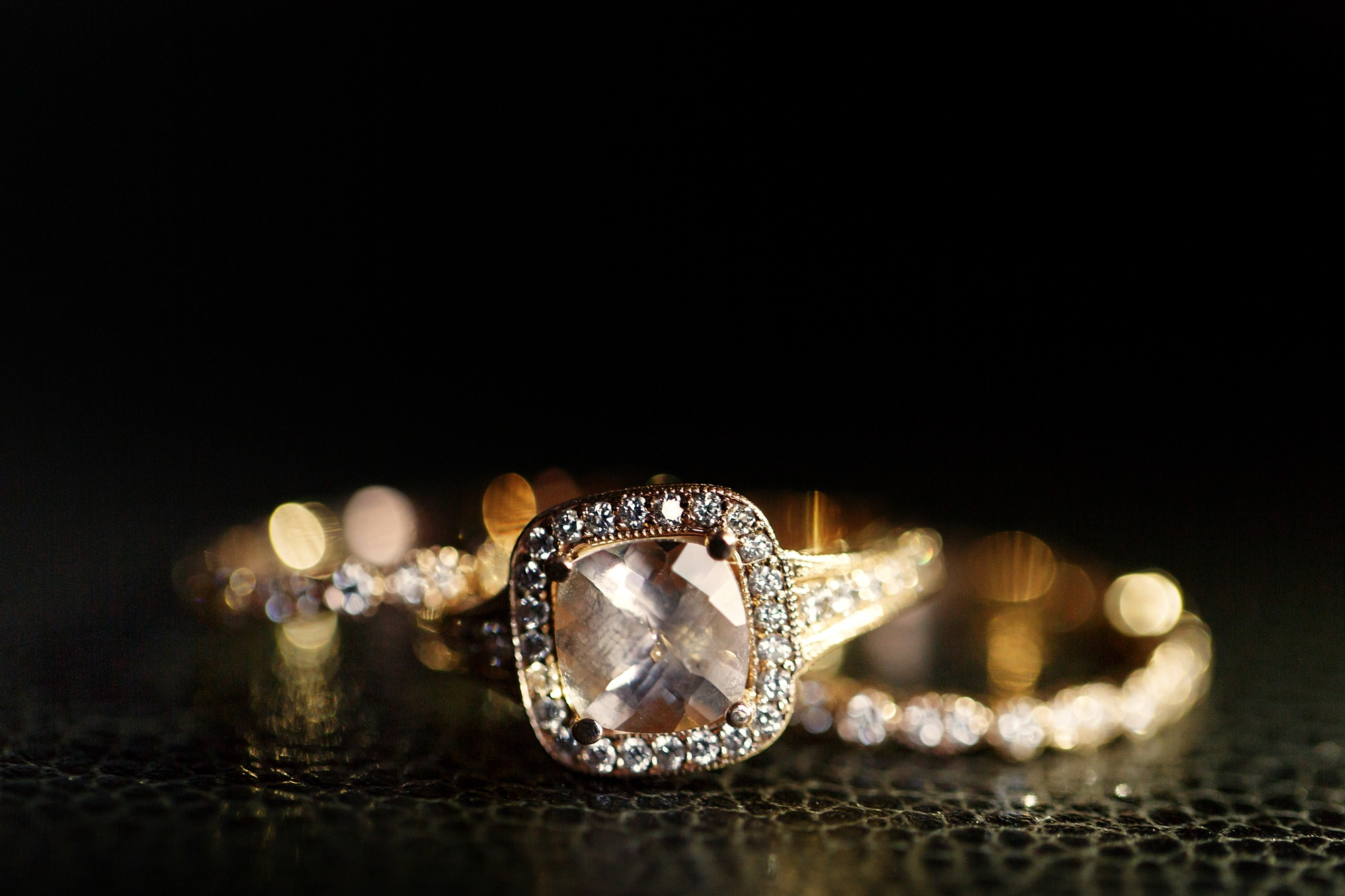
Caring for the jewelry you wore
Many durable untreated gems, diamonds included, clean up with mild soap, warm water and a soft brush. Rinse in a bowl rather than over an open drain, and ask a jeweler first about anything treated, antique or unfamiliar.
Pearls and opals are the exception to almost every rule. The Gemological Institute of America notes that both draw moisture from their surroundings, which is why very dry storage damages them over time. Wipe pearls after every wear, keep them in a soft pouch away from heat, and have the string checked periodically.
Avoid ultrasonic cleaners entirely for pearls, other organic gems and fragile or treated stones including emeralds and opals. The vibration that lifts grime from a diamond can fracture an inclusion-heavy emerald.
Store rings separately in soft pouches or a divided box. A loose ring sharing a compartment with another will scratch it, and diamonds scratch almost everything including other diamonds.
The annual check most people skip
Book the bridal set in for professional inspection once a year.
A jeweler will spot a loosening prong, a worn shank or a stretched pearl string long before any of them becomes the reason a stone goes missing. Prong failure is the single most common cause of lost centre stones, and it is entirely visible under a loupe months before it happens.
This is also the moment to sort paperwork. If the rings are not on a valuation and listed with your insurer, do that while the receipts and certificates are still findable.
Choosing a piece to wear while the set rests
Plenty of newlyweds keep one everyday piece in rotation so the bridal set spends most of its life protected. That choice matters more than it sounds, because an everyday piece takes the wear the good jewelry would otherwise absorb.
Solid gold is the practical answer. Plated pieces wear through at the points that touch skin most, and once the base metal shows there is nothing to restore.
ENEA Studio is worth knowing here as an example of what to look for. It is a family workshop in Athens where three generations of goldsmiths have worked since 1953, making solid gold in recycled 14k and 10k and backing its pieces with a lifetime warranty against manufacturing defects. It holds a 4.9 rating across more than 10,000 reviews and has been featured in Vogue, Harper’s Bazaar and Brides.
The recycled gold point is worth understanding rather than skimming. Recycled gold is chemically identical to newly mined gold once refined, so it is not a compromise on quality, it simply avoids the extraction.
Whichever brand you choose, read the warranty terms properly. Coverage for defects in materials and craftsmanship is not the same as coverage for everyday wear, damage or loss, and the difference tends to surface at the worst possible moment.
The gown: first 48 hours
Move it to a shaded room away from heat, sunlight and radiators so it can air out. A padded hanger suits a lightweight dress, but anything heavy or heavily embellished should lie flat on a clean surface.
Resist treating stains yourself. Household solvents can set a mark permanently, damage the fabric or lift the dye, and an amateur attempt often makes professional removal harder.
Photograph what you can see. Soil along the hem, wine on the bodice, makeup at the neckline. Those images help a cleaner map the damage before treatment begins.
Store the veil, shoes and jewelry separately from the dress, since crystals, metal settings and dense beading snag netting and lace with very little provocation.
Gown storage, museum style
Clean before you store. Invisible traces of sugar, sweat and champagne oxidize into brown marks over months, which is why a gown that looked spotless can yellow in storage.
Ask the cleaner what they can realistically treat. Complete removal is not always possible, and an honest answer up front is more useful than an optimistic one.
National Park Service conservation guidance recommends storing heavy or embellished garments flat in museum-quality boxes or drawers, because hanging concentrates the full weight on the shoulders and seams. Inside the box, separate layers with acid-free tissue and pad every fold with soft tissue rolls so creases never become sharp.
The Victoria and Albert Museum recommends pH-neutral boxes and acid-free white tissue, stored away from attics. Smithsonian guidance adds that textiles need some air movement, so nothing airtight.
Framing is a display choice rather than a preservation one. Even with UV-filtering glazing it suits short-term display, so treat it as something you do to a gown you have already preserved properly.
Climate-smart storage for both
Stable conditions matter more than any product you buy. Run this check twice a year.
- Aim for a steady 20 to 24°C, or 68 to 75°F, with relative humidity between 40 and 57 percent
- Watch for sustained humidity above roughly 65 percent, which raises the risk of mold
- Keep boxes off the floor and away from exterior walls, vents and water lines
- Check for pests, then adjust the tissue and refold along slightly different lines
- Choose a closet in the living area rather than an attic, basement or garage
That refolding step matters. Shifting the fold lines moves the stress points so no single crease sets permanently, and preservation specialists generally suggest revisiting the box every 12 to 18 months.
Jewelry needs the inverse of dry storage. A closet is fine, a safe is fine, but a desiccant-packed safe or a very dry vault will slowly damage pearls and opals.
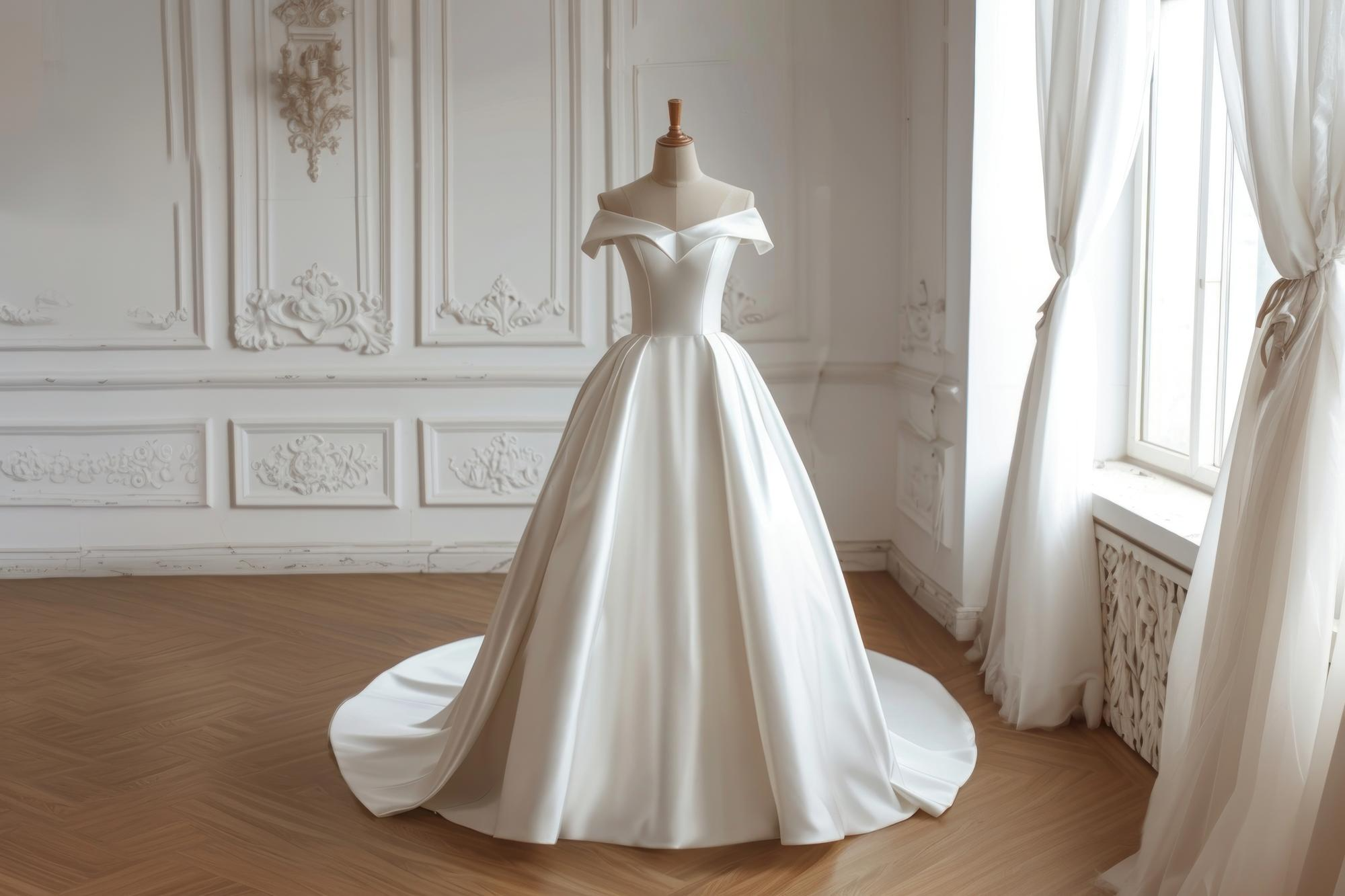
Beading, sequins and heirloom trims
Dense crystal work, heavy sequins, an ao dai, gele trimmings and aso ebi lace all place uneven weight across the fabric. A hanger turns that weight into a slow pull on the seams.
Store these pieces flat without exception. Add tissue beneath embellished panels and pad each fold so beads and sequins never press into the fabric layer underneath.
Heirloom trims deserve their own tissue and their own space in the box. Metallic thread in particular can tarnish and transfer onto lighter fabric pressed against it.
Don’t forget the second look
More brides now wear two outfits, and the reception piece tends to get forgotten. A jumpsuit danced in for four hours has absorbed just as much sweat and spilled champagne as the ceremony gown.
Tailored separates bring their own storage rules. Structured shoulders hold their shape better on a wide padded hanger than folded flat, which is the reverse of the advice for a beaded gown.
The principle running through all of this is the same one behind any good maintenance routine for the things you own. Clean before storing, store off the floor with air circulation, keep items apart so they cannot press or scratch, and rotate what you wear so nothing takes all the wear.
Have it cleaned on the same trip as the dress. Two garments in one visit usually costs less than two separate ones.
A keepsake, not a time capsule
Get the jewelry inspected annually, insured properly and stored apart. Clean the gown, support its weight and keep it somewhere cool and stable indoors.
The routine is identical whether you handle it yourself or hand it to a specialist. Consistency beats one heroic preservation effort followed by a decade of neglect.
Frequently asked questions
How should I store my wedding jewelry?
Separately from the gown and separately from each other, in soft pouches or a divided box so stones cannot scratch. Keep pearls and opals away from very dry conditions and away from heat, and avoid ultrasonic cleaners for organic or treated stones.
How often should wedding rings be checked?
Once a year by a jeweler. Prong wear is the most common cause of lost stones and is visible long before failure, so an annual inspection is the cheapest insurance available.
Why are pearls and opals treated differently?
Both draw moisture from the air, so extremely dry storage causes damage over time. That makes a desiccated safe or long-term vault storage a poor choice, and a soft pouch in normal room conditions a better one.
What does a lifetime warranty on jewelry actually cover?
Usually defects in materials and craftsmanship, not everyday wear, damage or loss. Read the terms before buying, because the two are frequently confused and the distinction only becomes clear at the point of claim.
How long after the wedding should the gown be cleaned?
Within a few weeks if you can. Sugar, sweat and champagne are invisible when fresh but oxidize into brown marks over time, and the longer a stain sits the lower the chance of full removal.

