


Summer has a way of shifting routines. Longer days, warmer weather, and more time spent outdoors can either boost your activity levels or quietly disrupt them. For many people, this is when fitness habits either level up or fall apart. That’s where a well-thought-out home gym becomes especially valuable.
A personal workout space at home eliminates common summer obstacles such as crowded outdoor spaces, extreme heat, and inconsistent gym schedules. When designed correctly, a home gym keeps you consistent without feeling like a compromise. The key is creating a space that fits your lifestyle and actually invites you in, even on the days when motivation runs low.
And while it’s tempting to think that more equipment automatically means better workouts, experience and design experts suggest otherwise. The most effective setups rely on intention, not volume. A functional selection of home gym equipment, paired with smart layout choices, can turn even a small corner of your home into a space you’ll genuinely use.
Why Summer Is the Perfect Time to Build a Home Gym
Summer tends to expose the weaknesses in fitness routines. Outdoor workouts can be inconsistent due to heat or rain, and busy travel schedules can interrupt momentum. A home gym solves this by offering a controlled environment where temperature, timing, and equipment are always ready.
There’s also a psychological advantage. When your home gym equipment is accessible and visible, it removes friction. You don’t need to plan a commute or pack a bag; you simply start. That small difference often determines whether a workout happens or gets postponed.
Choosing a Space That Encourages Movement
You don’t need a large room to build a functional gym. What matters more is how the space feels and functions. A spare bedroom, a garage corner, or even a cleared-out office can work, as long as it allows for movement and focus.
Natural light is a bonus, especially in summer, when daylight can make your home gym area feel more open and energizing. If natural light isn’t available, layered lighting can help prevent the space from feeling closed off or dull.
Placement also matters. If your home gym is too isolated, it becomes easier to ignore. Ideally, it should be located somewhere you naturally pass throughout the day, reinforcing quick, low-effort workouts.
Picking Home Gym Equipment You’ll Actually Use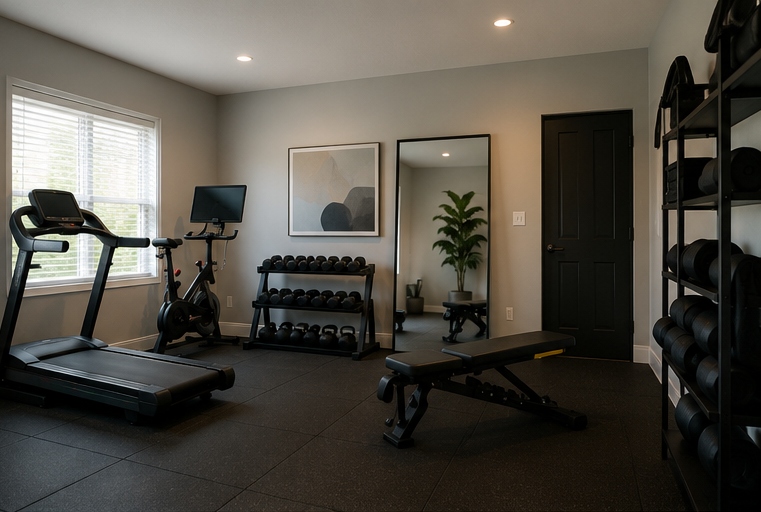
One of the biggest mistakes people make is overbuying. A well-designed gym setup should reflect what you’ll realistically use, not what looks impressive online. For most people, a combination of dumbbells, resistance bands, and a mat covers a wide range of workouts without cluttering the space.
If cardio is your focus, compact machines like foldable bikes or smart trainers can be a good fit. But the best home gym equipment is always the kind that aligns with your habits, not your aspirations. If you enjoy short strength sessions more than long cardio workouts, build around that preference.
Modern fitness design also makes it easier to integrate equipment into your living space. Many newer pieces of home gym equipment are compact, quiet, and visually minimal, helping your workout area blend into your home instead of standing out awkwardly.
A Layout That Keeps You Moving
A functional home gym depends heavily on layout. Even small spaces can feel comfortable if they’re organized with intention. The goal is to avoid crowding and allow for natural movement between exercises.
One useful approach is zoning. For example, one area can be dedicated to strength training and another to stretching or mobility work. This keeps your home gym equipment from feeling scattered and makes transitions between exercises smoother.
Safety also plays a role. Cardio machines need adequate clearance, and strength-training areas should allow for a full range of motion. A cramped home gym not only feels uncomfortable but can also discourage longer workouts.
Flooring, Walls, and the Feel of the Space
Summer workouts can get intense, so flooring matters more than many people expect. Rubber mats or padded flooring protect both your joints and your surfaces, especially when using heavier home gym equipment.
Walls should be practical as well as aesthetically pleasing. Washable paint or durable finishes help maintain the space over time. Mirrors are especially useful in a home gym, not only for checking form but also for making smaller spaces feel larger and brighter.
Ventilation is another often-overlooked factor. A warm summer environment can quickly make a workout uncomfortable, so airflow should be part of your planning from the beginning.
Creating a Space You’ll Actually Return To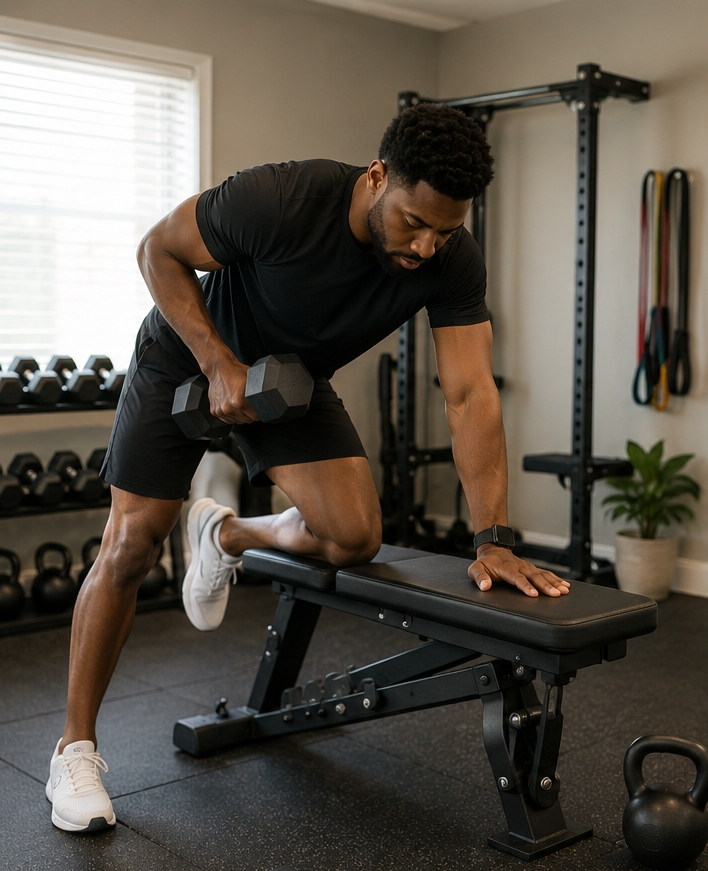
The difference between a gym that gets used and one that gets ignored often comes down to convenience. If your home gym equipment is easy to access and simple to reset after each workout, you’re more likely to stay consistent.
Storage solutions such as baskets, shelves, or built-in cabinets help keep things organized. A clutter-free home gym feels more inviting and removes mental resistance before workouts even begin.
Small comforts matter, too. A bench to rest on, a speaker for music, or even a water station can make the space feel more complete. These details transform your home gym equipment setup from something purely functional into something you genuinely enjoy using.
Where Consistency Really Starts
Building a home gym that works in the summer isn’t about creating a perfect fitness studio. It’s about designing a space that fits naturally into your routine, supports consistency, and removes excuses. When your home gym equipment is chosen thoughtfully and your environment feels welcoming, staying active stops being a seasonal push and becomes part of your everyday rhythm.
Featured image: Style Rave Studio/AI-generated Visual

