


Most people think about getting dressed for work as a daily inconvenience. The professionals who consistently get ahead think about it differently. They treat style as a tool, deployed with the same intentionality they apply to a negotiation or a presentation. The difference between the two approaches is not vanity. It is a strategy, and the data backs it up.
According to Forbes, 20% of Job seekers are denied jobs based on looks. According to the Washington Post, 93% of executives said that an employee’s style of clothing influences their chances of getting promoted. These numbers describe a workplace reality where competence alone is rarely enough to be recognized. Presentation does some of the work that performance cannot do on its own.
The most counterintuitive part of the research is that clothing not only influences how others perceive you, but also changes your own behavior. Studies show that people who dress better feel more confident, more powerful, and more focused on details. Mark Zuckerberg famously wore a tie every day for an entire year, describing it as a symbol of how seriously he was treating that period of his career. The clothing was a private signal to himself, and not for an audience.
A study from the University of Illinois and UC San Francisco placed 180 participants into negotiation roles, randomly assigning them either formal or casual outfits. Those dressed formally secured significantly higher profits, while those in casual dress made far more concessions. The clothing did not change the negotiation terms. It changed how the wearers approached the negotiation itself, which changed the outcome. This is the mechanism successful professionals are quietly exploiting.
For Successful Male Professionals, The New Power Suit Is Not a Suit
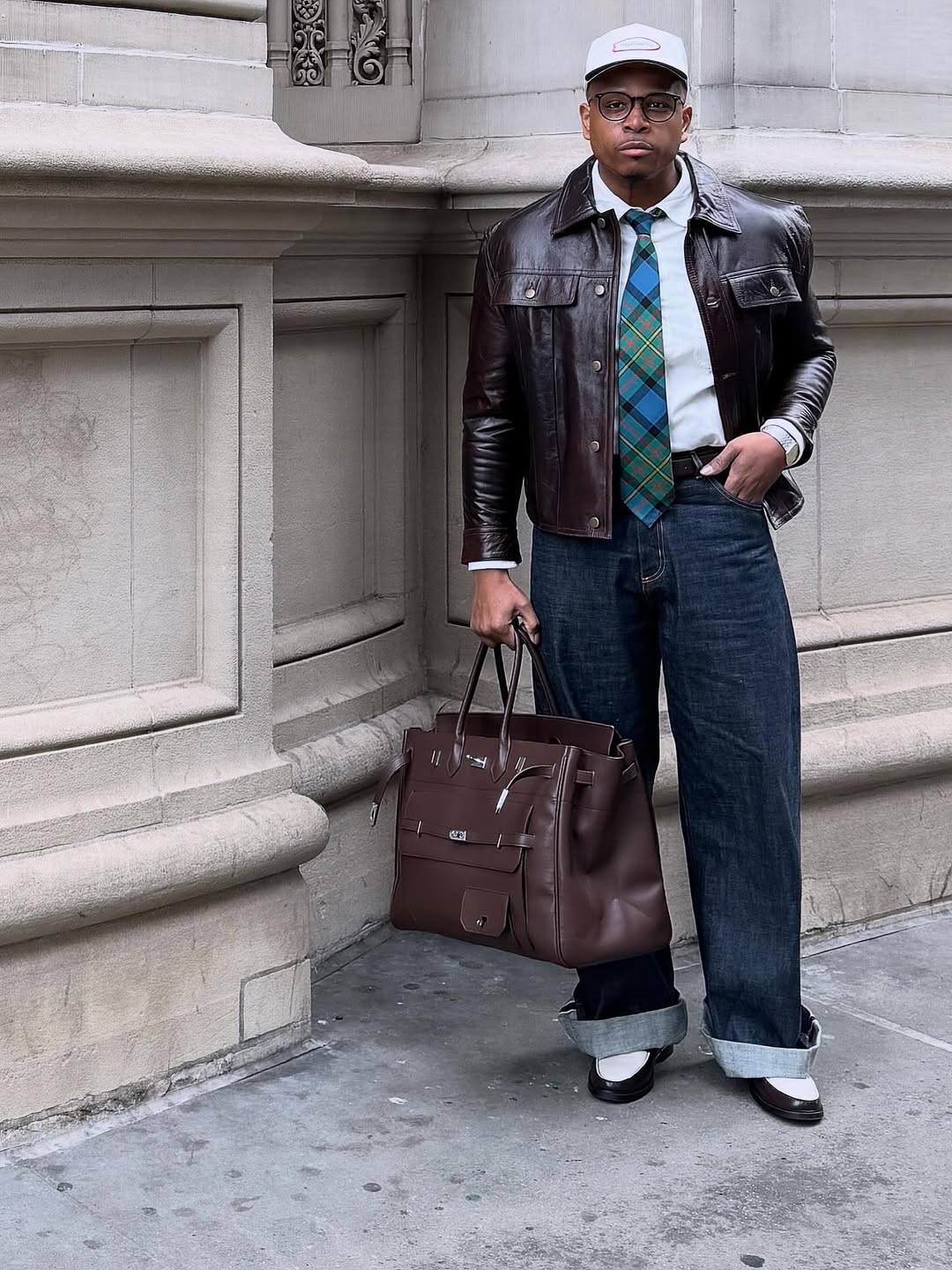
The most significant change in 2026 is now more about clarity than it is about formality. Dressing for success in 2026 is less about proving you belong and more about making your life easier while staying credible. The suit did not disappear, but it lost its monopoly. The new version of professional presentation is flexible and personal, built with just enough polish to support the wearer’s actual goals rather than a fixed dress code.
In practice, this looks like clean lines, a good fit, and a wardrobe that does not distract from the message someone is trying to deliver. Fit that follows the body without pulling, fabric that drapes well, and finishes that look clean under bright lighting all read as competent. The professionals doing this well are not chasing trends. A strong 2026 wardrobe often relies on repeated outfits, but each repeat has to look intentional through careful maintenance, including steaming, lint control, and shoes that look properly cared for.
Layering has become the practical answer to a working world that no longer fits into a single dress code. A refined top layer, such as a blazer or structured cardigan, a base that breathes like a knit or button-down, a bottom that moves, such as tailored trousers or clean denim, and shoes that handle distance without looking athletic together create a system that allows someone to look professional in the morning, comfortable at lunch, and polished again by late afternoon, simply by adjusting one layer.
Shop editor’s picks
Reading the Room Has Replaced the Rulebook
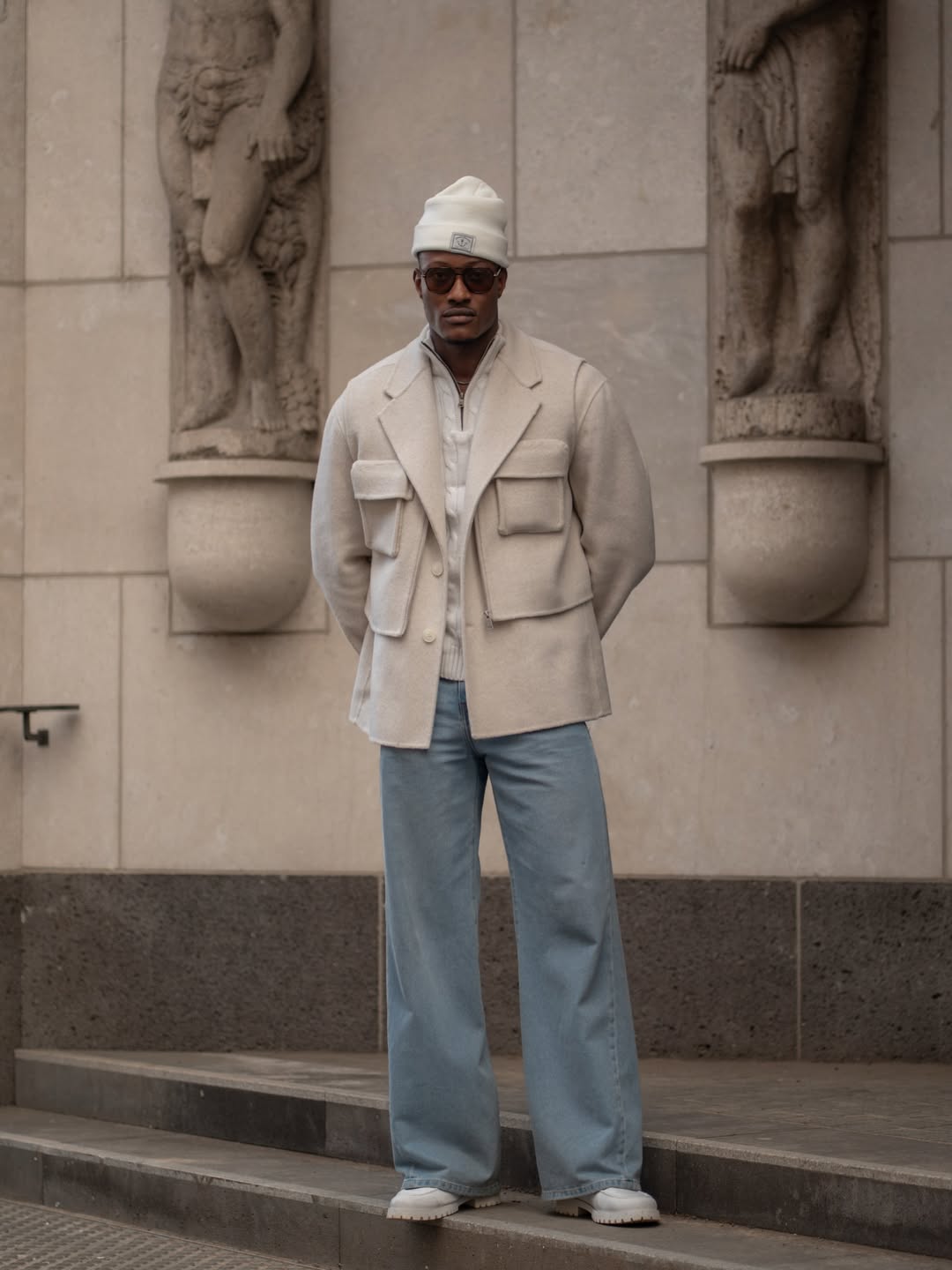
The professionals who use style most effectively are not following a fixed code. They are reading context constantly and adjusting accordingly. With the old dress code mostly gone, what replaces it is a set of unspoken cues, with teams forming their own norms based on clients, leadership style, and the kind of work being done day to day. The practical skill involved is reading the room, noticing patterns, and dressing slightly sharper than the most casual person in the group someone needs to influence.
This is a far more demanding skill than simply owning a good suit. It requires social awareness, an accurate read of the specific environment, and the discipline to adjust without losing a consistent personal identity. In a culture that has become more skeptical and more online, people increasingly trust calm confidence over flashy display, which means logos and obvious status markers do not always signal success the way they once did. The professionals who understand this are choosing what one recent analysis called controlled energy: one strong, deliberate detail, supported by clean, unremarkable basics that never compete with their face or their words.
Shop editor’s picks
Why Grooming Is Part of the Styling Strategy for Successful Professionals
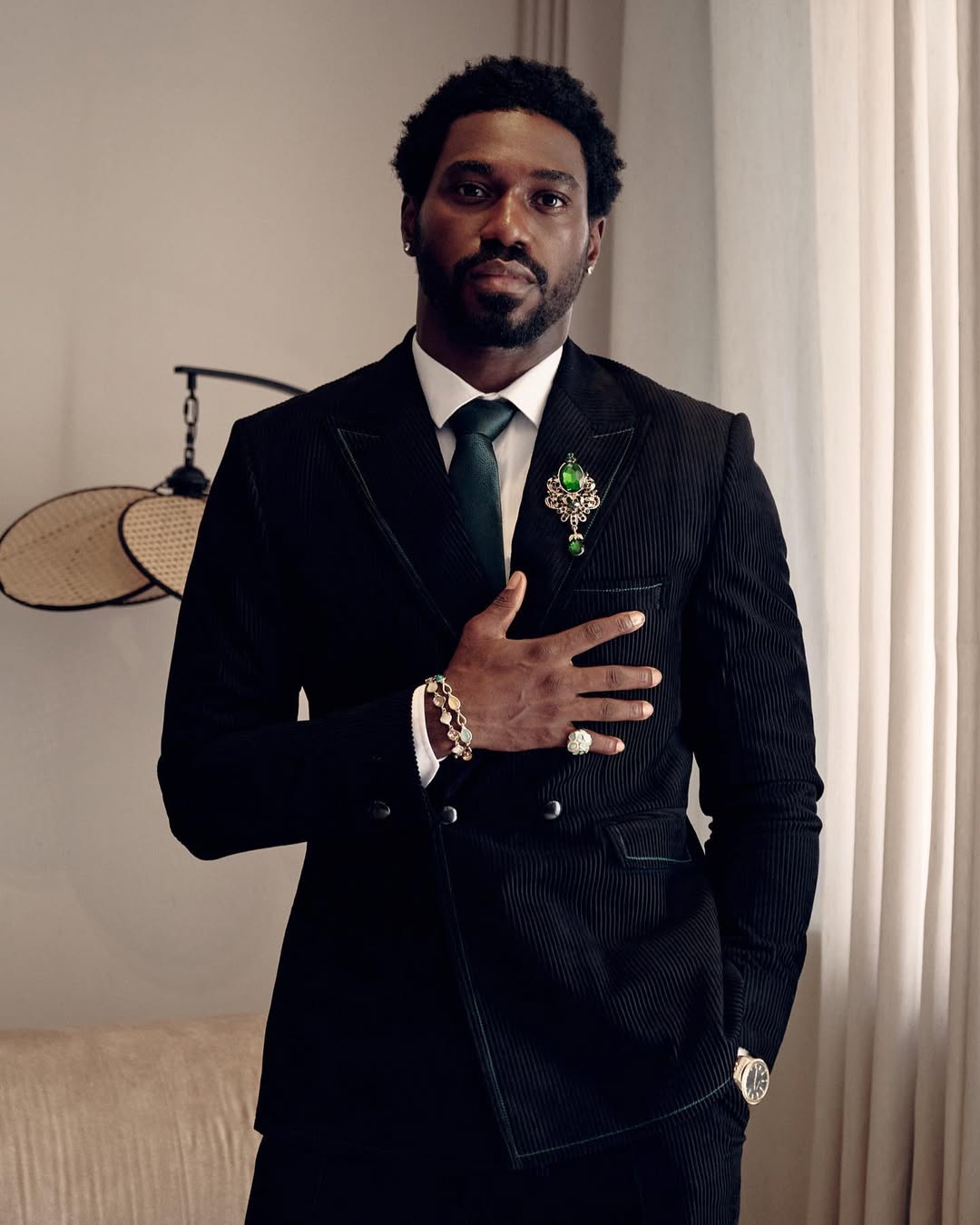
Style strategy does not end at the wardrobe. Well-styled hair, a clean complexion, and manicured hands are all signs of someone who pays close attention to detail, with one expert noting that today, success often comes down to the way an individual cares for themselves. This extends to men specifically, where grooming has historically received less attention than it deserves. A noticeable uptick has emerged in salons designed specifically to serve men across hair, nails, shaving, and shoeshine services, reflecting a shift in how seriously professional men are now treating personal upkeep.
More than three-quarters of well-groomed professionals report better career growth, and over four-fifths believe a person’s appearance is directly linked to success. These figures point to something broader than vanity. They describe a competitive environment where the margin between two equally capable candidates is often decided by details that have nothing to do with the actual work.
Building a Wardrobe Strategy Rather Than a Collection of Clothes

The successful professionals who use style most effectively are not the ones with the largest wardrobes. They invest in high-quality, versatile pieces rather than filling a closet with numerous less expensive items, recognizing that a well-tailored suit, quality dress shoes, and a handful of good shirts go further than a wardrobe full of disposable options. One stylist who frequently advises executives recommends building toward a single reliable “one and done” outfit, a classic combination that removes the guesswork entirely on days when there is no time or energy to decide.
Style, used this way, stops being a daily decision and becomes infrastructure. It supports the actual work rather than competing with it for attention. The professionals who understand this are not necessarily the most fashionable people in the room. They are the ones who have figured out that what they wear is one of the few entirely controllable variables in how they are perceived, and they have stopped leaving it to chance.
Shop editor’s picks
Featured image: @stanlion_clothing/Instagram


