


Fashion once moved at the pace of anticipation. A trend appeared on a runway, filtered through magazines, reached store shelves months later, and slowly found its way into everyday wardrobes. The journey took time. People waited, watched, and absorbed what was coming next.
Today, that entire process is almost unrecognizable. A single outfit posted online in the morning can influence thousands of wardrobes before the day ends. By the weekend, it may have inspired countless recreations, sparked new styling ideas, and generated enough attention to be unavoidable. Then, just as quickly, something else arrives to take its place. What once unfolded over months now happens within days, sometimes even hours.
This dramatic shift is rewriting fashion’s trend cycle in real time. Social media no longer reflects what is fashionable; it actively shapes, accelerates, and replaces trends at a speed the industry has never experienced before. Platforms like Instagram and TikTok have transformed fashion into a constant stream of newness, where visibility often matters more than longevity.
The result is a landscape where trends no longer remain long enough to become fully embedded in culture before the next wave arrives. Aesthetic movements appear overnight, wardrobes change faster than seasons, and the idea of a single dominant trend is becoming increasingly rare. Fashion is no longer moving in chapters; it is moving in flashes.
So, how did social media turn a system built around seasons into one driven by seconds? The answer lies in the way digital platforms have permanently altered the rhythm, lifespan, and future of fashion itself.
When Seasons Lost Their Authority
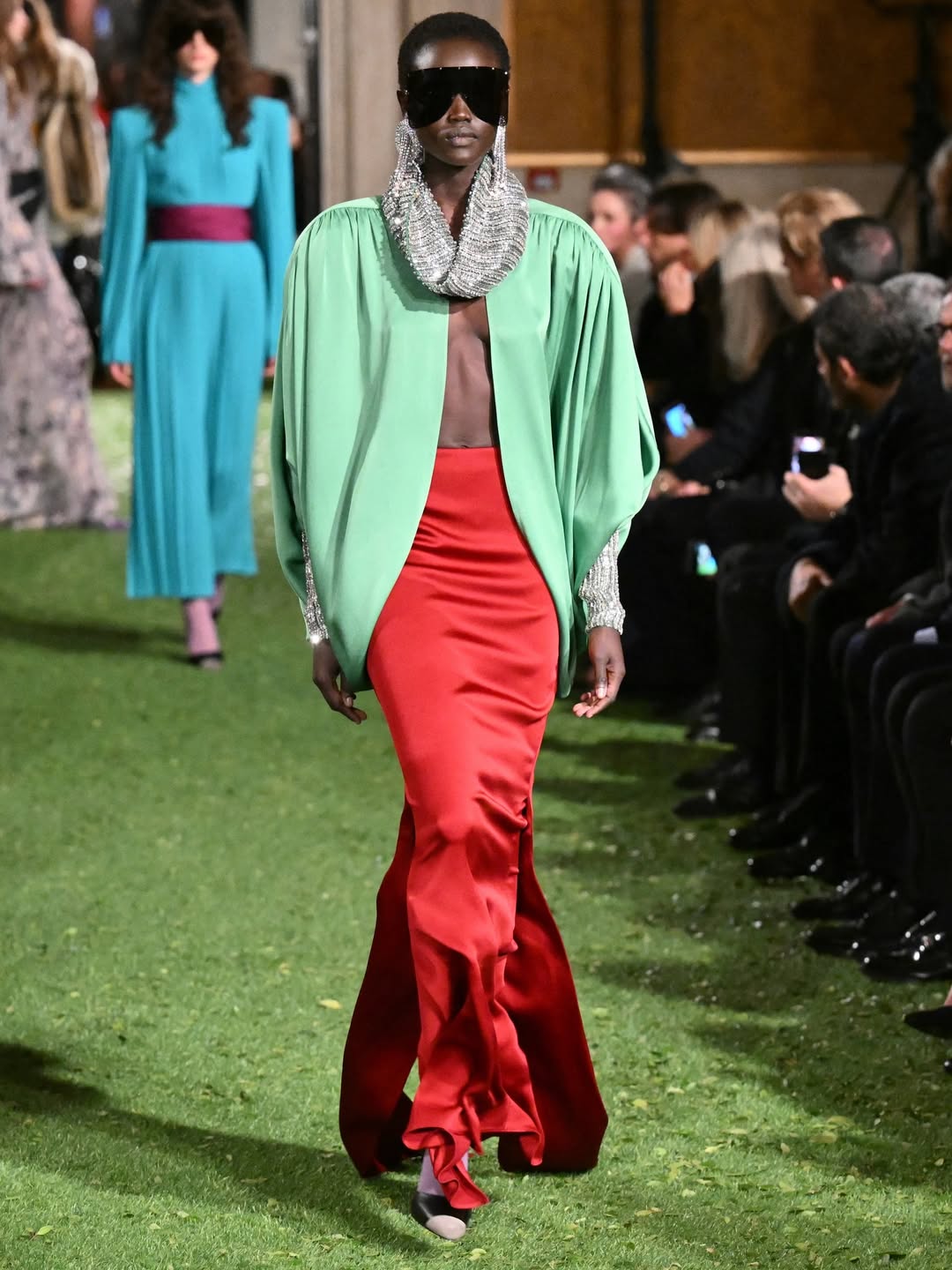
Fashion once depended on structure. Spring and autumn dictated the industry’s rhythm, giving designers time to build narratives around fabric, silhouette, and mood. Trends followed that pace, growing slowly enough to feel intentional.
Social media disrupted that rhythm. Content does not wait for a calendar. It spreads instantly, pushing ideas into circulation long before they mature. The runway no longer sets the pace alone—it competes with a continuous stream of digital styling moments that shift faster than any collection cycle can respond. As a result, trend cycles have lost their clear edges. They don’t begin or end in obvious ways. Instead, they blur into one another, replaced by constant updates rather than defined chapters.
Micro-Trends Take Over the Conversation
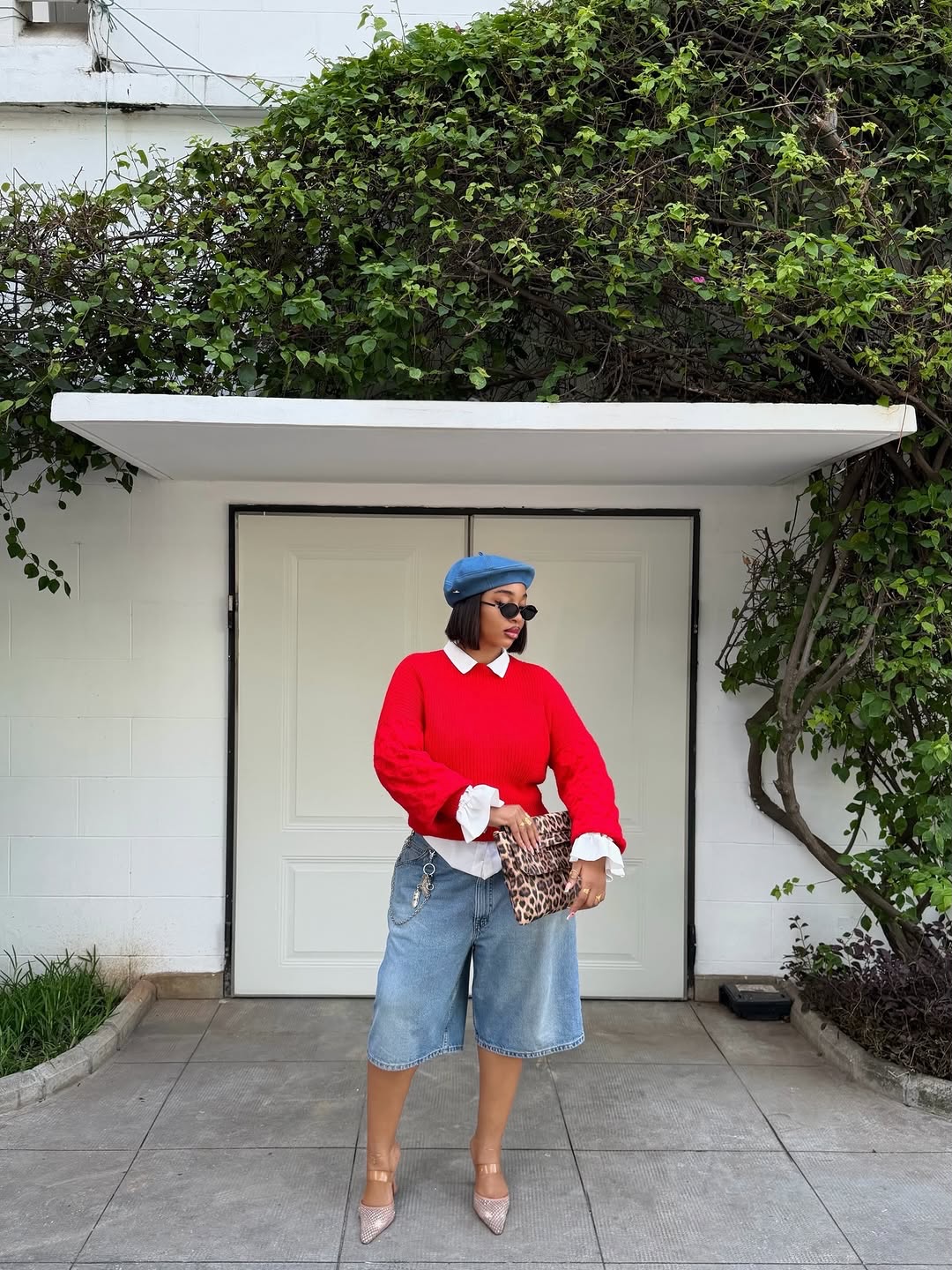
Fashion now breaks itself into fragments. Instead of long-lasting, dominant movements, it produces short bursts of aesthetics that flare up and fade quickly. These micro-trends do not build gradually; they appear fully formed, already styled, already replicated.
One week brings a new “core”; the next replaces it. The speed leaves little room for evolution. Instead of growing into culture, trends simply pass through it. This constant turnover changes how people dress. Personal style no longer anchors itself to a single direction. It shifts repeatedly, shaped by whatever gains attention in the moment.
Algorithms Decide What Becomes Visible
Social media does not just spread fashion; it selects it. Algorithms determine which looks rise to the surface and which remain unseen. Engagement replaces traditional gatekeeping, and visibility replaces authority. A trend no longer needs approval from editors or designers. It needs repetition. The more a look appears across screens, the faster it gains momentum. Once it reaches critical mass, it becomes difficult to ignore.
This system rewards immediacy. It pushes fashion toward content that performs quickly rather than ideas that develop slowly. As a result, style evolves according to what captures attention, not necessarily what holds meaning over time.
Influencers Replace Traditional Gatekeepers
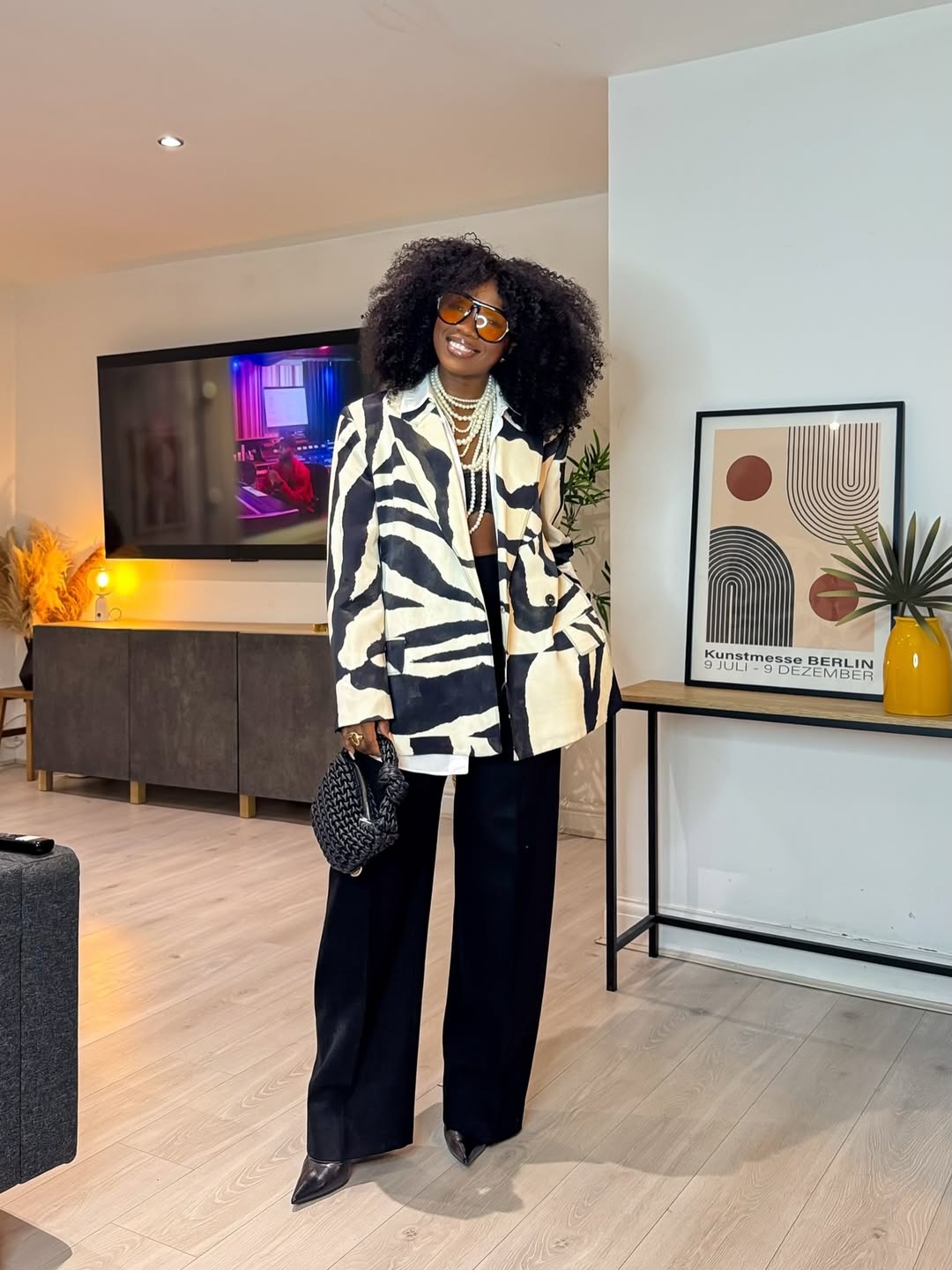
Fashion authority doesn’t reside solely with magazines, editors, or seasonal runways. It now spreads across creators who translate trends in real time. Influencers, stylists, and everyday users shape how fashion moves simply by wearing, filming, and sharing it. One post can push a silhouette into global relevance. A single styling idea can redefine how an entire aesthetic spreads. Authority has shifted from institutions to individuals, and that shift has accelerated everything. The result is more democratic, but also more unstable. Influence moves quickly, and so does relevance.
Fast Fashion Learns to Move at the Speed of a Scroll
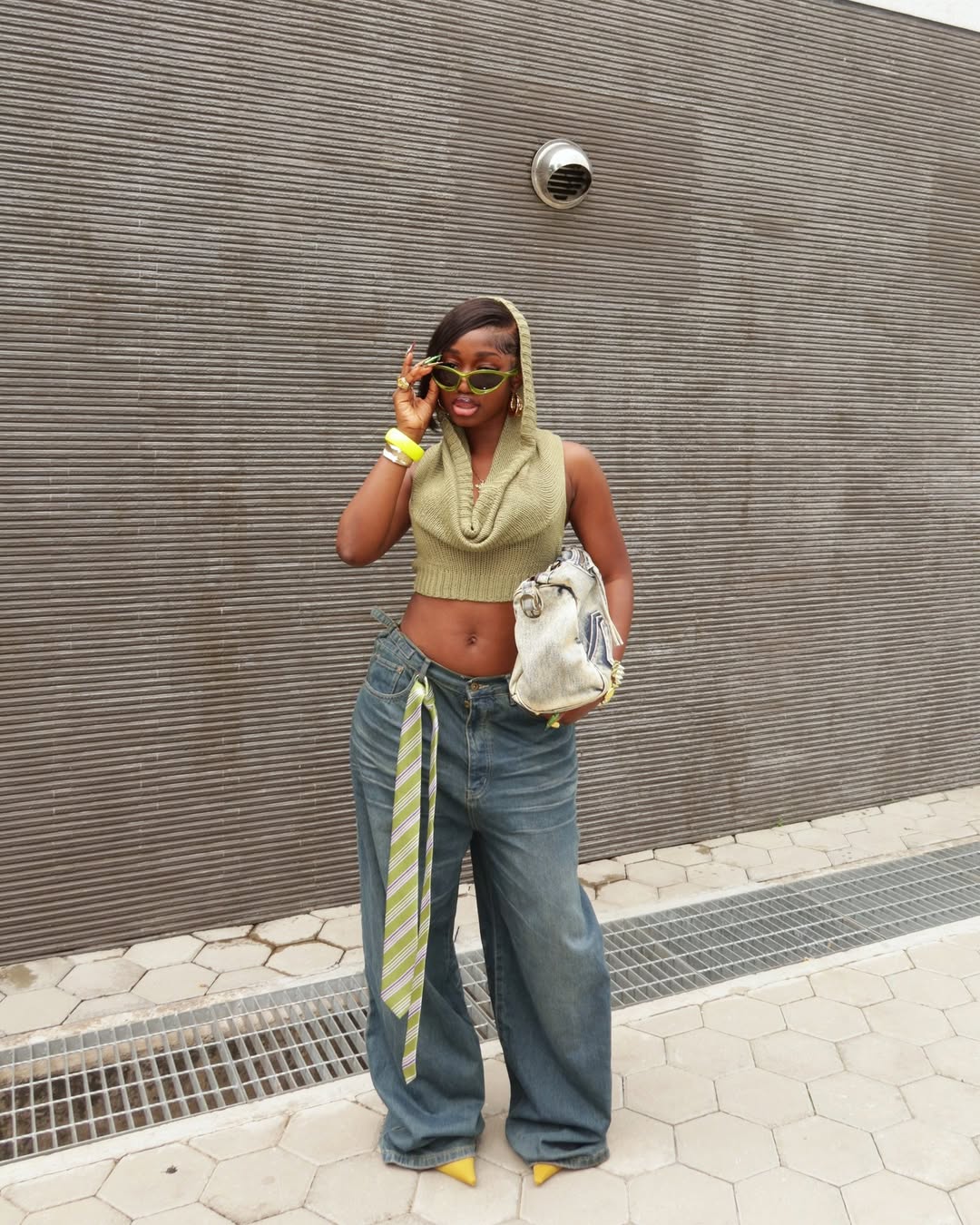
Social media creates instant visibility, and the fashion industry responds just as quickly. The moment a particular style, color, or aesthetic gains traction online, brands begin translating that attention into products designed to reach consumers while interest remains high.
This race for relevance has transformed production timelines. Collections that once followed carefully planned schedules now react to what is trending across feeds. Rather than predicting what consumers may want months in advance, many brands monitor real-time engagement and move quickly to meet demand.
The consequence is a fashion landscape that rarely stands still. Trends reach stores faster than ever, but they also lose their novelty much sooner. By the time one look becomes widely available, another has already begun gaining attention online.
Fashion no longer builds anticipation as it once did; it operates on momentum, constantly chasing the next wave of engagement. With each cycle, the distance between discovery, adoption, and decline becomes shorter, creating a system that thrives on speed above all else.
Fashion Exists in Constant Renewal
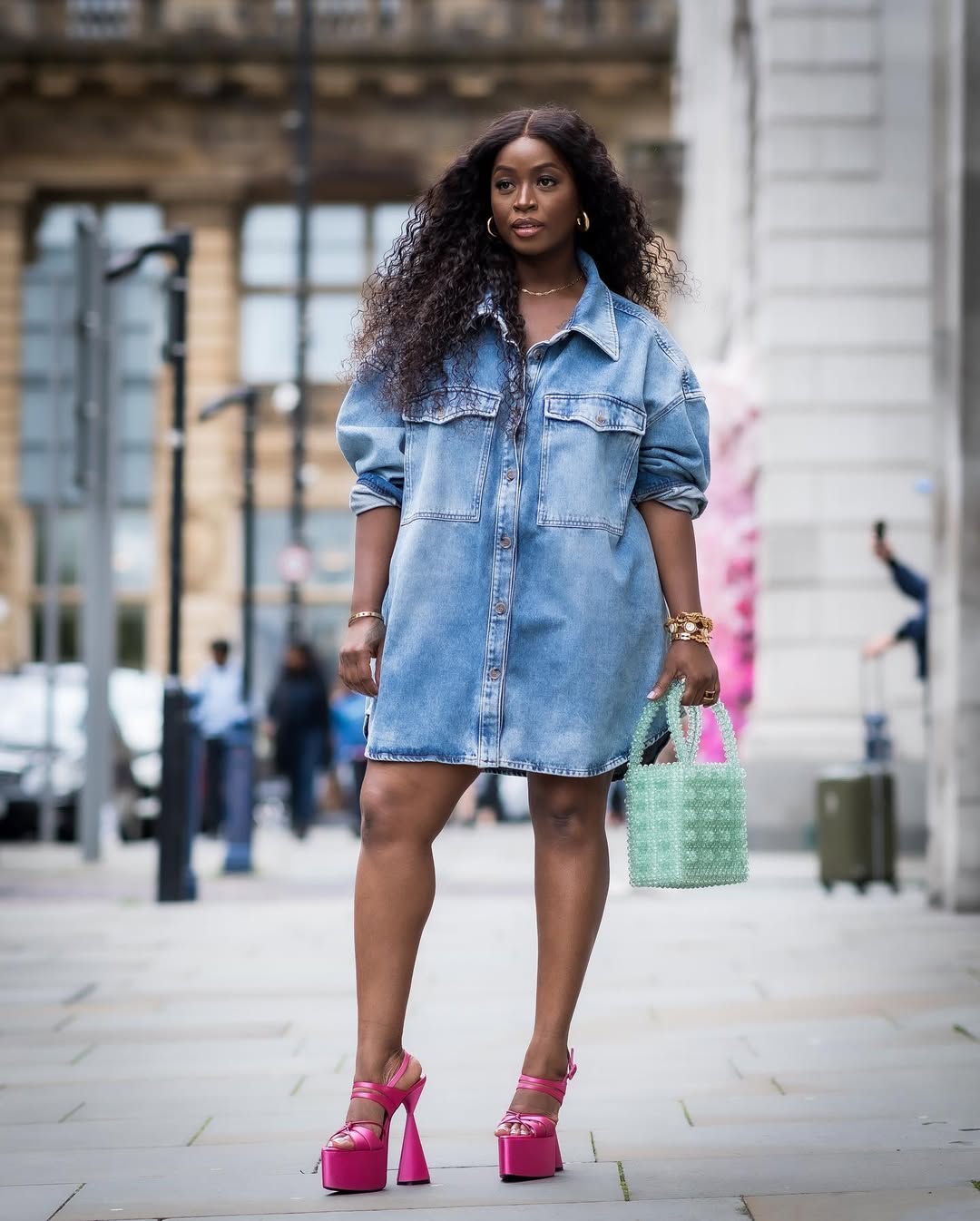
Social media has not destroyed fashion; it has placed it in a state of continuous renewal.
Trends recycle faster, return sooner, and reappear in slightly altered forms. What once felt outdated can now come back within months, reshaped for a new audience and a new context. This constant recycling creates familiarity without permanence. Nothing fully disappears, yet nothing remains long enough to settle. Fashion now lives in repetition disguised as change.
What makes this cycle even more remarkable is its speed. Styles that once took decades to return now resurface within a few seasons, sometimes even within the same year. A trend can feel nostalgic and new simultaneously, revived through fresh styling, different creators, and a new digital audience eager to rediscover it.
In the age of social media, fashion no longer moves in a straight line—it loops, refreshes, and reinvents itself endlessly.
A Cycle That Never Slows Down
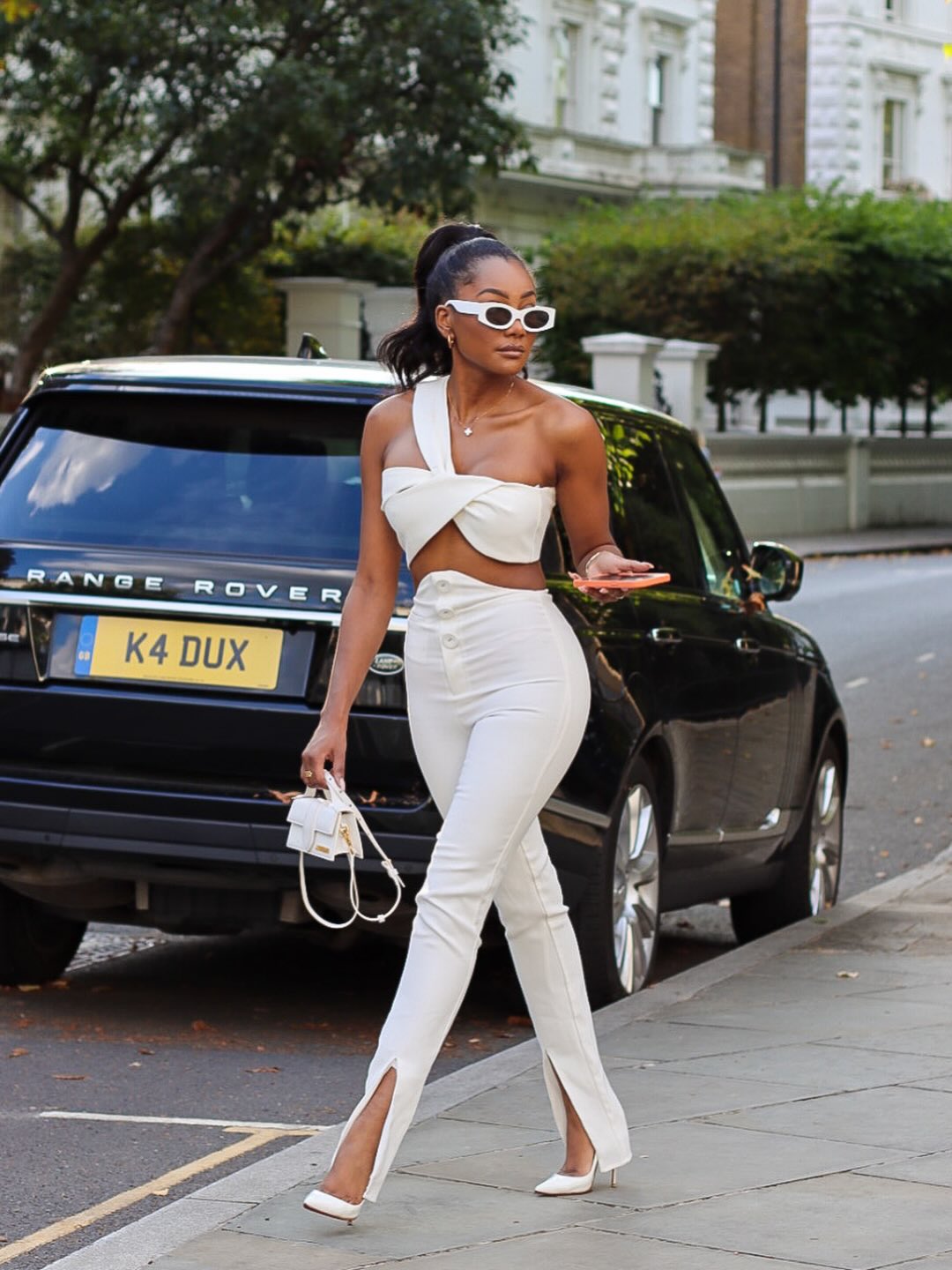
Social media has reshaped fashion into something continuous, unpaused, and unpredictable. It removes the pause between seasons and replaces it with constant motion. Trends no longer simply rise and fall—they circulate, overlap, and dissolve in real time. In this new rhythm, fashion doesn’t wait for its moment. It creates moments constantly, then moves on before they can settle.
What makes this shift so significant is that it changes more than what people wear; it changes how fashion exists. Relevance has become shorter, attention has become more valuable, and trends now compete in a crowded digital landscape where visibility can disappear as quickly as it arrives.
Designers, collections, and seasonal calendars no longer define fashion’s trend cycle on their own. Increasingly, it is shaped by algorithms, creators, and the endless scroll, creating a system that never truly stops—it simply refreshes.
Featured image: @sarahs_rails/Instagram

