


The script for fatherhood has been rewritten. For decades, the cultural blueprint of fatherhood was remarkably simple. A dad’s primary job was to provide financially, protect physically, and stay relatively quiet. But as Millennial and Gen Z men step into their parenting years, that outdated, stoic mask is being cast aside. The old trope of the bumbling sitcom father who “babysits” his own children is officially fading. In its place is a generation of men redefining what it means to be a present parent.
This is not a marginal cultural shift. It is a structural one, with measurable consequences for how men live, spend, dress, and define success. The lifestyle implications of modern fatherhood extend far beyond parenting itself, influencing wellness habits, consumer behavior, professional priorities, and the broader conversation about what it means to be a man in 2026.
The science confirms what cultural observation has long suggested. New research from USC Dornsife professor Darby Saxbe, published in her book Dad Brain: The New Science of Fatherhood and How It Shapes Men’s Lives, shows that men’s brains change after the birth of a child, particularly in areas linked to empathy and social understanding. Studies also show that one in four fathers says parenthood has made them more empathetic, patient, and understanding. Meanwhile, 41% of fathers believe they need to be more involved in raising their children than previous generations were. These neurological and attitudinal shifts are not confined to the home. They reshape how men show up professionally, how they spend their discretionary time, and what products and experiences they invest in.
Modern Fatherhood: How It Is Changing Men’s Priorities

A nationwide survey found that 75% of U.S. men rated being a good father as very important, while just 48% said the same about having a successful career. That gap represents a meaningful reordering of what success means for a significant portion of the male population. Years of research and the lived experiences of millions of men suggest that fatherhood, far from being a constraint or detour from ambition, often anchors men to a deeper sense of purpose, drives greater investment in work and relationships, and strengthens the social fabric at large.
This priority shift has direct lifestyle implications. Men who are actively engaged fathers are more likely to prioritize sleep and recovery because the demands of parenting make the cost of chronic fatigue immediate and obvious. They are more likely to exercise consistently because energy and longevity become concrete priorities rather than abstract goals. They are also more deliberate about nutrition, stress management, and mental health for the same reasons.
The wellness industry has recognized this shift. Products, services, and content targeting fathers specifically—from family fitness apps to mental health platforms designed around the pressures of modern parenting—have grown significantly in recent years.
The Emotional Intelligence Upgrade

In 2026, expectations around fatherhood are broader and, in many cases, more demanding. Fathers are increasingly expected to lead through trust and example rather than through fear or silence. Children learn how to regulate emotions by watching how their parents respond to stress, and fathers play a critical role in that process.
As a result, many men are doing emotional-development work they were never explicitly taught. They are learning to identify and communicate their feelings, manage stress without suppression, and model the composure they hope their children will internalize.
Modern fathers are stepping up to share responsibilities that were historically invisible to men while simultaneously doing the emotional work required to move beyond the detached parenting styles that characterized some previous generations. Importantly, this emotional growth does not stay within the home. Men who develop greater emotional intelligence as fathers often report improvements in their professional relationships, leadership effectiveness, and overall quality of life. The skills required to be a present, emotionally engaged father are often the same skills that make for better managers, collaborators, and communicators.
How Fatherhood Is Reshaping Consumer Behavior
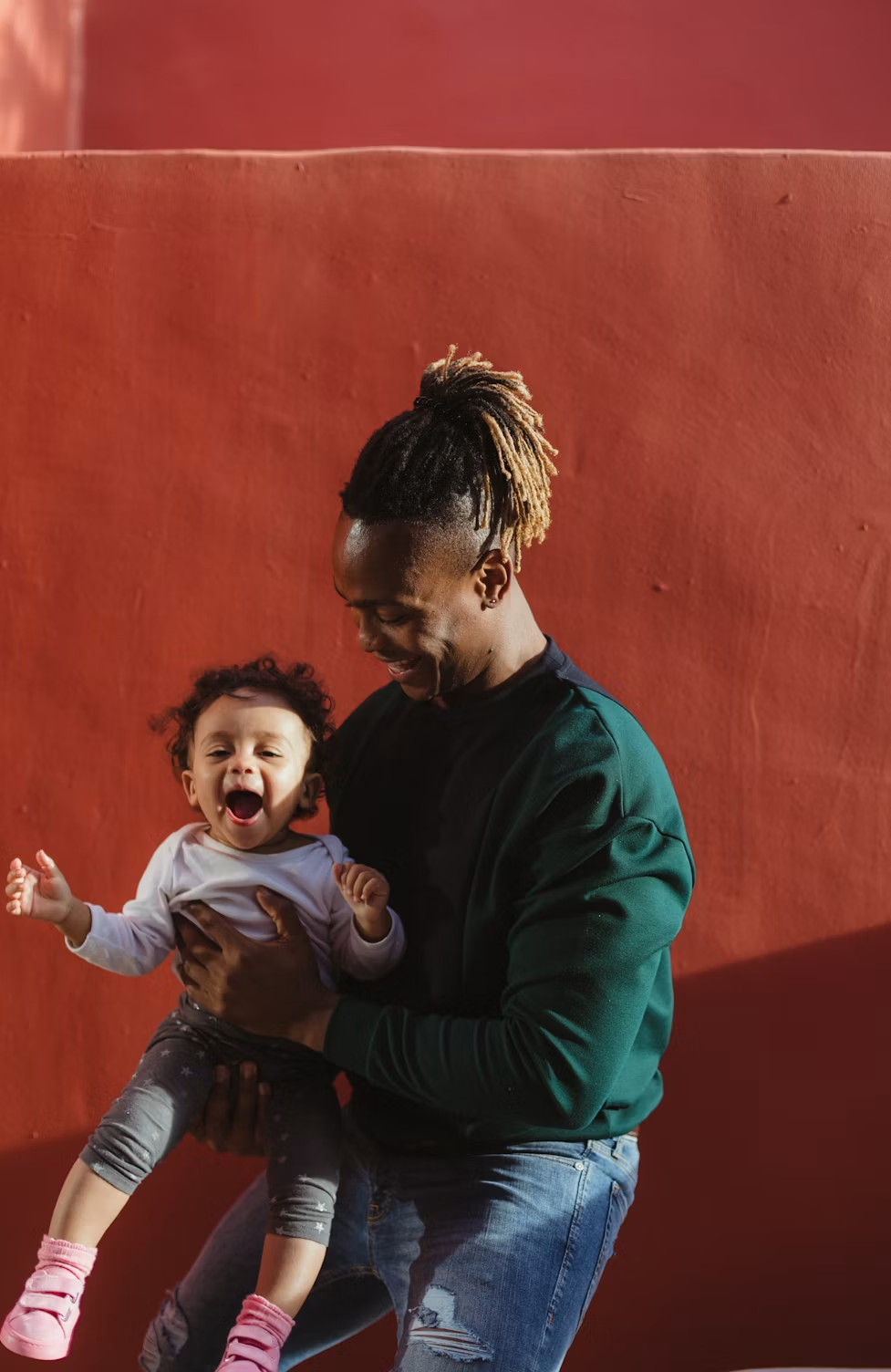
The modern, involved father is a significantly different consumer from his predecessor. He is more likely to spend on experiences rather than possessions, reflecting a growing understanding of what creates lasting memories and strengthens relationships with his children.
Family travel, shared activities, and quality-time experiences have become increasingly important spending categories among fathers who measure success by presence rather than provision alone.
Research has consistently shown that children raised by actively engaged fathers tend to experience positive developmental outcomes, including stronger social skills, improved emotional well-being, and better behavioral outcomes. Men who are aware of this research often invest in their presence with intention. They are more likely to choose careers, schedules, and lifestyles that protect family time, and more likely to spend on experiences, health, education, and opportunities that support long-term family well-being.
The lifestyle and grooming industries have also responded to the modern father. Men who are actively engaged in their children’s lives often report greater motivation to maintain their appearance and overall health because they recognize that their actions communicate values. The involved father who dresses with care, prioritizes wellness, and takes his professional image seriously is modeling behaviors he hopes his children will adopt.
Fatherhood as a New Measure of Success
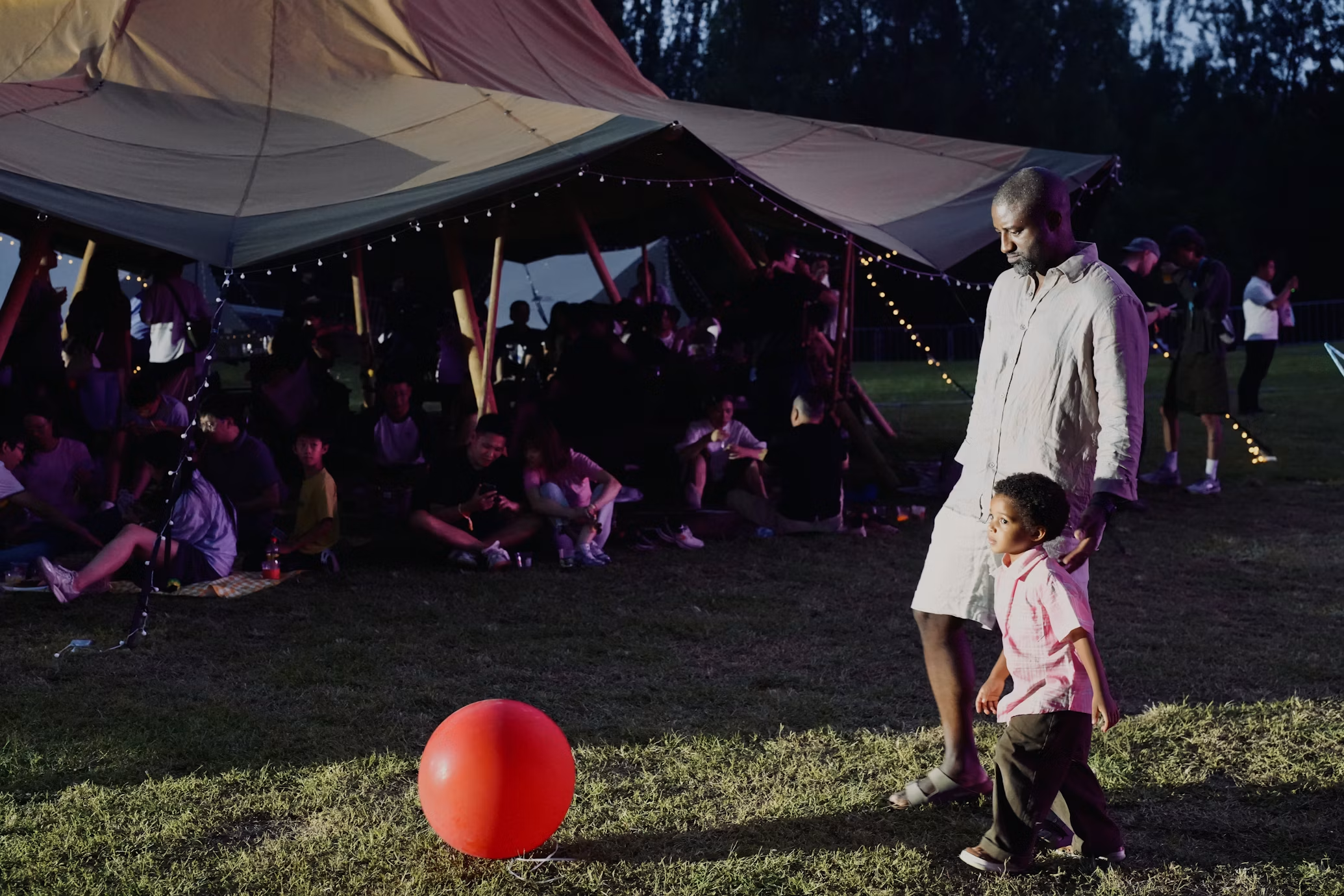
Perhaps the most significant change is not how fathers parent but how they define achievement. Success is no longer measured solely by income, job titles, or material possessions. For many modern fathers, it is increasingly measured by presence, connection, and the ability to show up consistently for the people who matter most.
This shift does not diminish ambition. Rather, it expands it. Professional achievement remains important, but it is increasingly viewed alongside personal well-being, family relationships, and emotional fulfillment. The modern father is not choosing between career success and family involvement. He is attempting to integrate both into a more balanced definition of a meaningful life.
As Millennial and Gen Z fathers continue to reshape cultural expectations, their influence is extending well beyond the home. They are changing how men approach wellness, work, relationships, spending habits, and personal growth. In the process, they are redefining masculinity itself—not as stoicism or distance, but as presence, engagement, and intentionality.
The result is a version of fatherhood that is not only more involved but also more influential in shaping how men live their lives. And that may be one of the most significant cultural shifts of the decade.
Featured image: PeopleImages/iStock
Why Tom Beckbe Tensaw Jacket Is a Great Father’s Day Gift for the World’s Coolest Dad

