


Afrobeats fashion did not ask for a seat at the table. It built its own table, and somehow the rest of the world ended up sitting at it. What began as the visual language of a generation of Nigerian artists has evolved into one of the most influential aesthetic forces in global fashion today. From the silhouettes to the color and the confidence, it offers an effortless way for luxury, heritage, streetwear, and cultural identity to collapse into a single look that could not have originated anywhere else.
In 2026, Afrobeats itself is no longer simply a music genre. It has become a cultural language shaping dance, fashion, social media, nightlife, and youth identity across continents. The fashion story is now inseparable from the music story.
The Looks That Changed Everything
There are moments in Afrobeats fashion that feel genuinely era-defining. Tems wearing a wax-print look by Ozwald Boateng at the 2025 Met Gala. Burna Boy stepping onto the 2023 Met Gala carpet in a custom Burberry look. Asake arriving at the Jacquemus Spring/Summer 26 show during Paris Fashion Week. These are not simply celebrity style moments. They are cultural declarations. Each appearance communicates the same message: African creativity is no longer a reference point for global fashion. It is global fashion.
In February 2026, Wizkid was spotted in Dior Men’s Autumn/Winter outfit, his relaxed tailoring and layered jewelry aligning naturally with Jonathan Anderson’s creative direction. Meanwhile, Pharrell Williams’ Louis Vuitton collections increasingly position Afrobeats artists like Rema and Tems in the front row, a visible reflection of where cultural influence now lives. Even more recently, Rema walked the runway for Diesel’s Fall/Winter 2026 show.
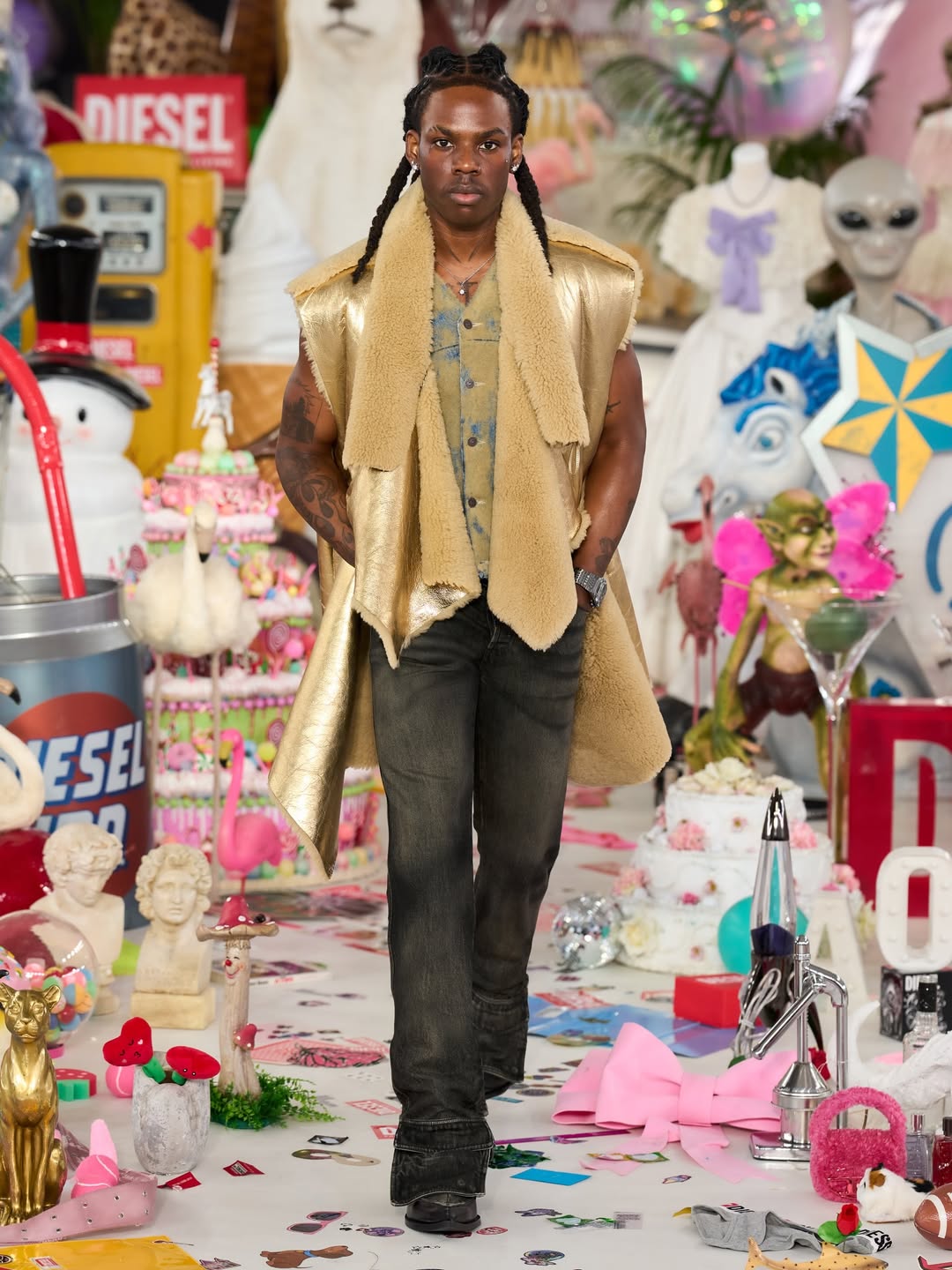
The industry did not embrace Afrobeats artists out of generosity. Fashion moved toward them because the culture demanded it. The stage became the runway. The artist became the campaign.
What Afrobeats Fashion Actually Looks Like
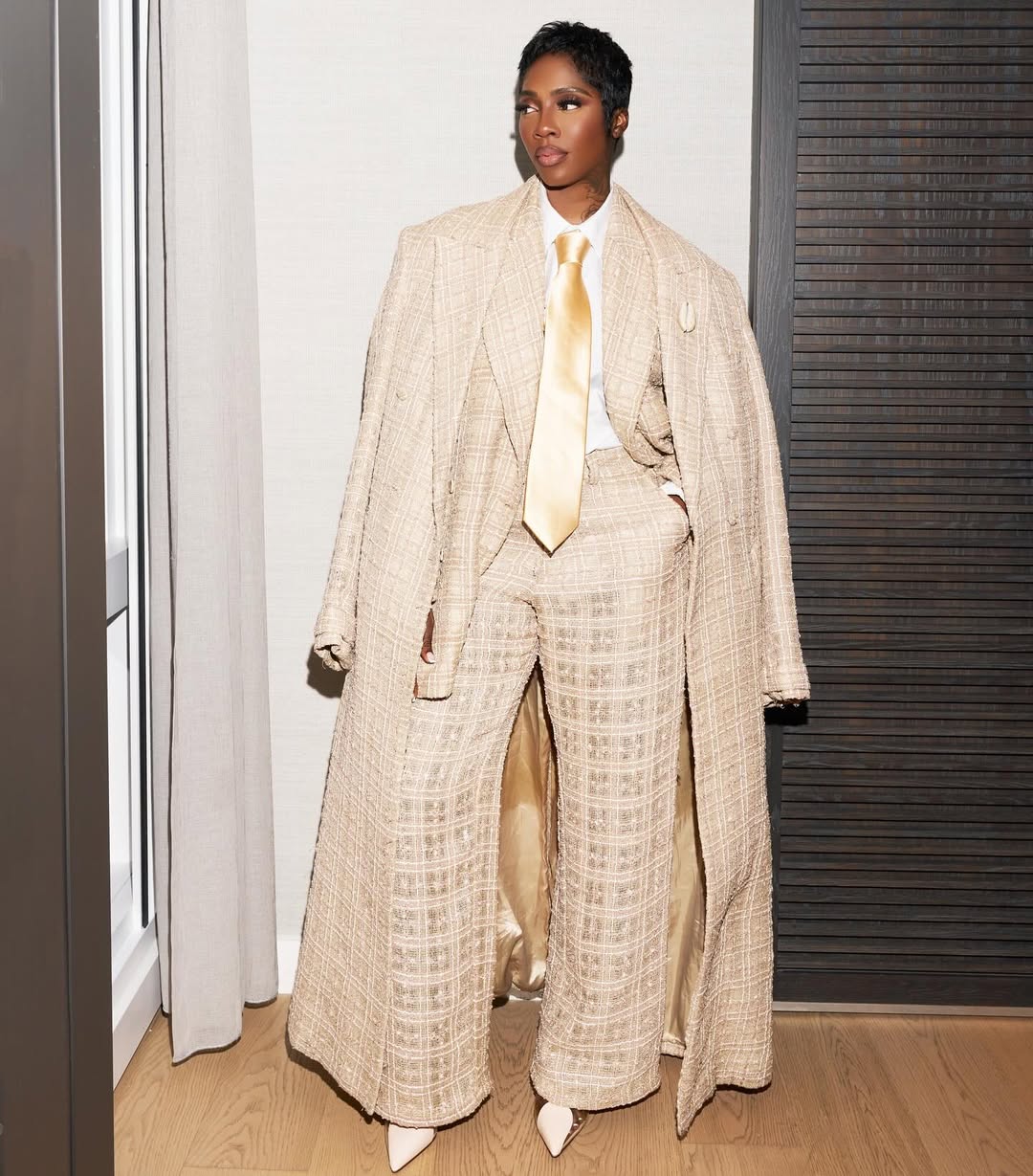
Afrobeats fashion succeeds because it feels lived-in rather than manufactured. A mesh tank worn by Burna Boy in Lagos or chic pumps spotted on Tiwa Savage in Johannesburg can appear on Instagram and TikTok within hours before quietly filtering into luxury streetwear collections a season later. Its influence appears everywhere: silk co-ords, crochet shirts, oversized tailoring, layered jewelry, textured fabrics, leather separates, and jewel-toned suiting that mirrors the warmth, confidence, and glamour embedded within the music itself.
What makes the movement powerful is the speed of the exchange. This is not fashion operating through traditional trend forecasting or runway gatekeeping. It is real-time cultural transmission between artists and audiences unfolding faster than any fashion-week calendar can fully track.
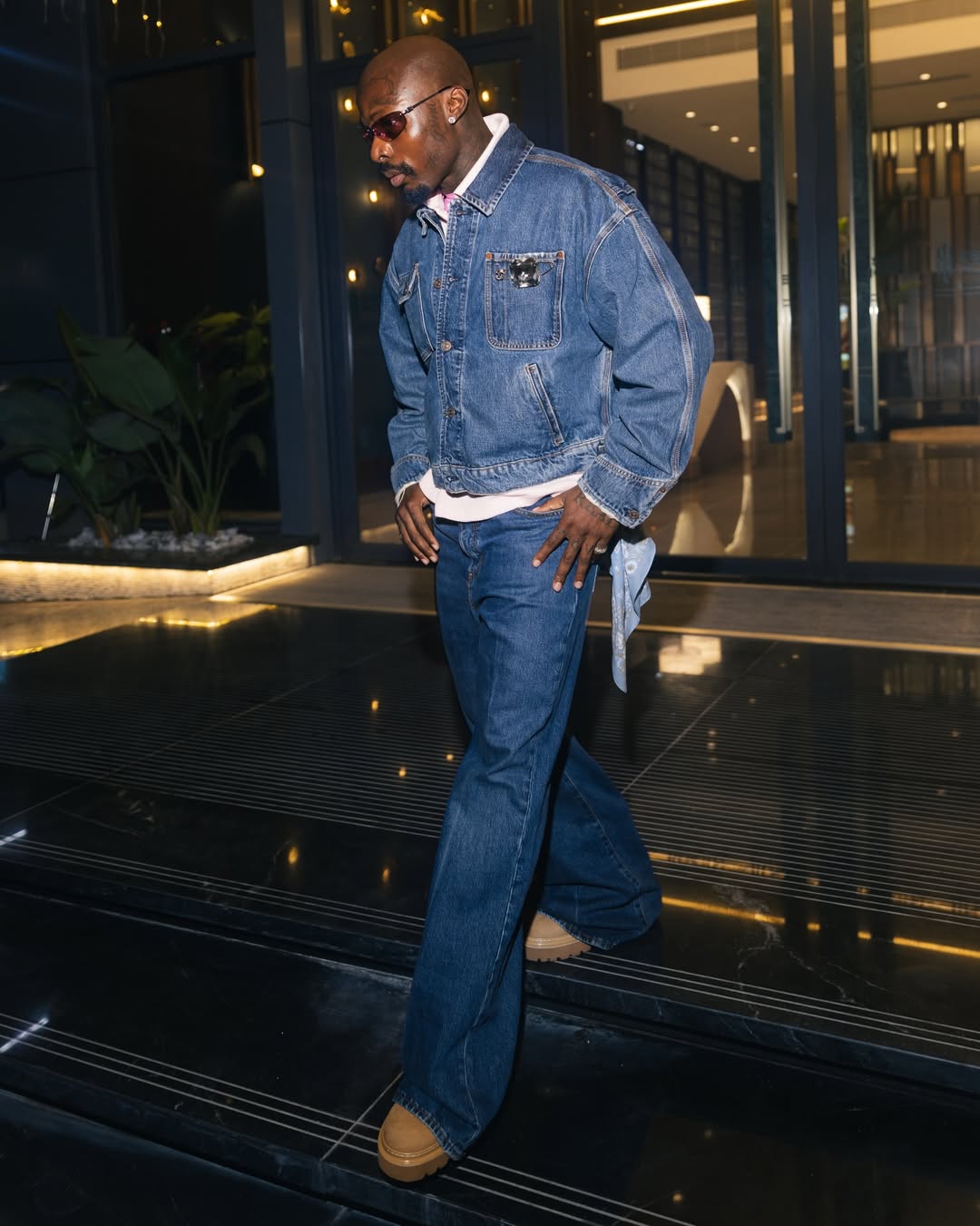
Leading West African stylist Swazzi explains it simply: “Music cannot exist without fashion.” He also notes that “fashion plays a big role in interpreting stories in Afrobeats music videos,” adding that he intentionally incorporates African designers into his styling work because “African designers are the future.” That future already feels present.
The Designers Being Carried By the Movement
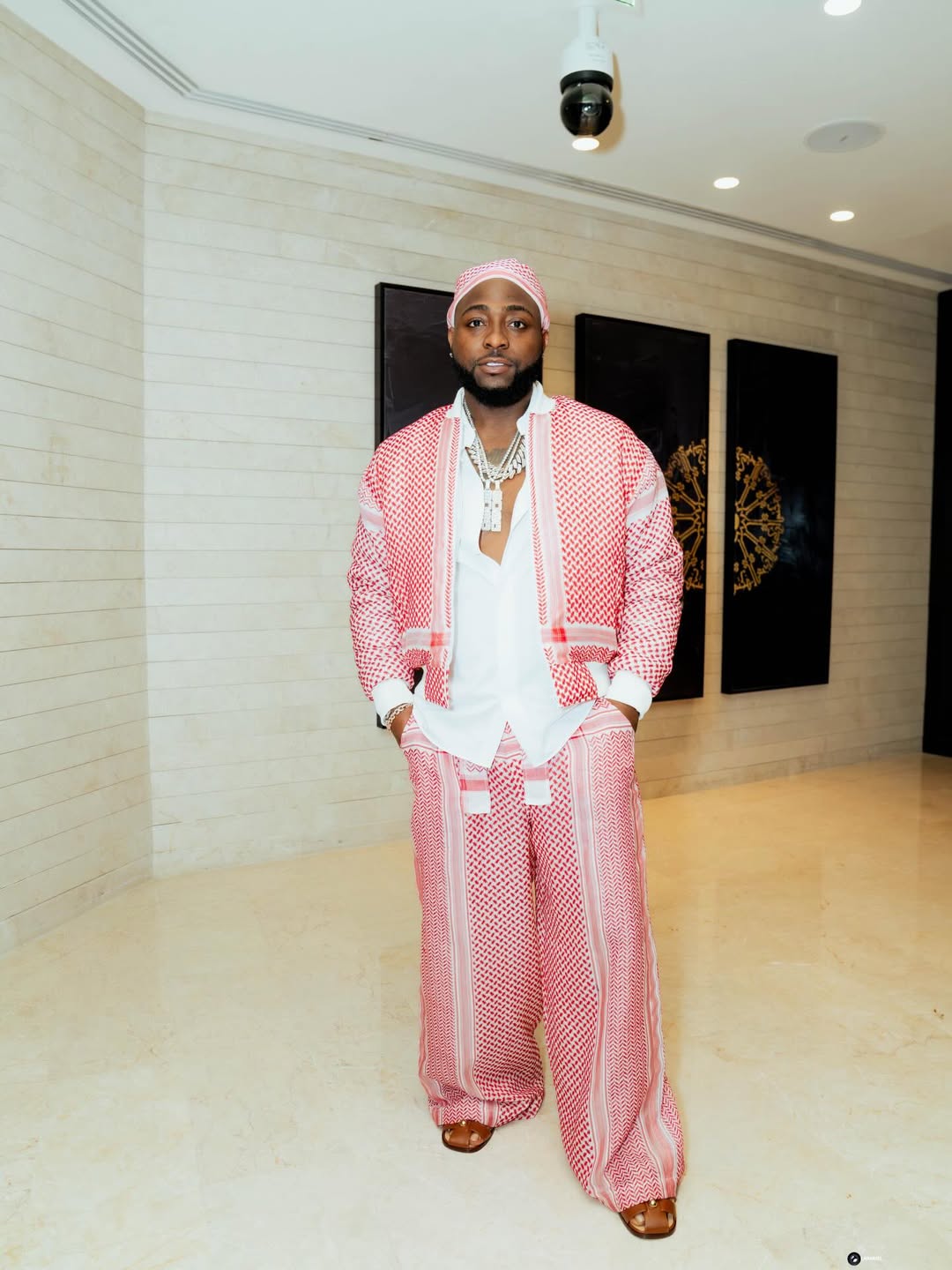
Afrobeats fashion is not only making artists more influential. It is building entire fashion careers and reshaping visibility for African designers globally. Burna Boy’s Twice As Tall tour featured standout costumes by Tokyo James, bringing African design aesthetics to audiences across Europe and North America. Tems later collaborated with Tommy Hilfiger for a Fall/Winter campaign, while Davido’s partnerships with Puma, Orange Culture, and Fendi further demonstrated how closely luxury fashion now aligns itself with Afrobeats culture. And the influence stretches well beyond Nigeria.
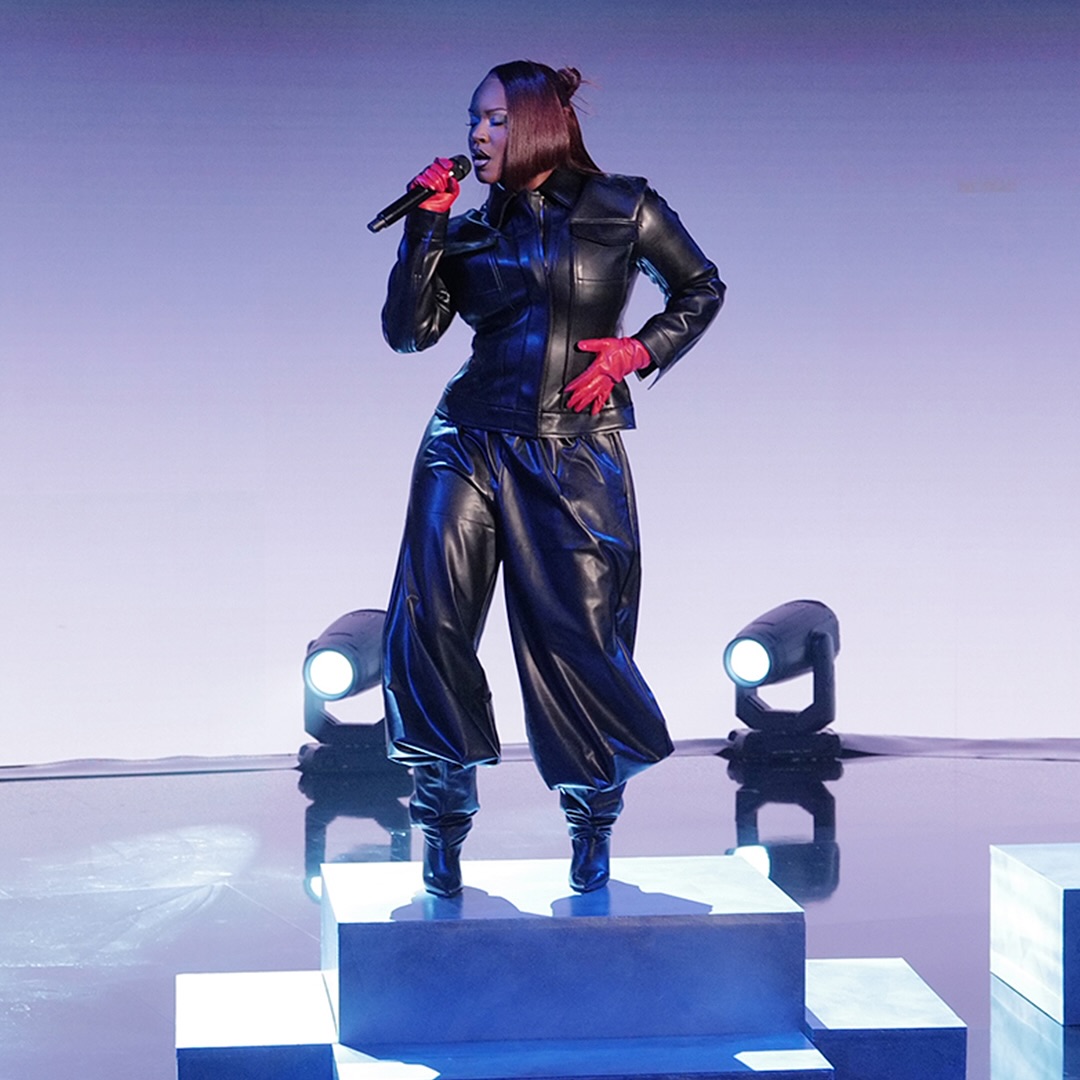
Daily Paper, founded by three Dutch-African creatives in Amsterdam, has built collections deeply rooted in African heritage while collaborating with artists like Amaarae and integrating music directly into its releases through curated playlists and cultural storytelling. That interconnectedness reflects the reality of the movement itself. African music and African fashion are no longer operating separately. Together, they are shaping what global cool looks like.
From Lagos to London, Accra to Amsterdam, Johannesburg to Paris, Afrobeats fashion is everywhere. Not because the industry suddenly decided to pay attention, but because the culture became impossible to ignore.
This Is Bigger Than a Trend
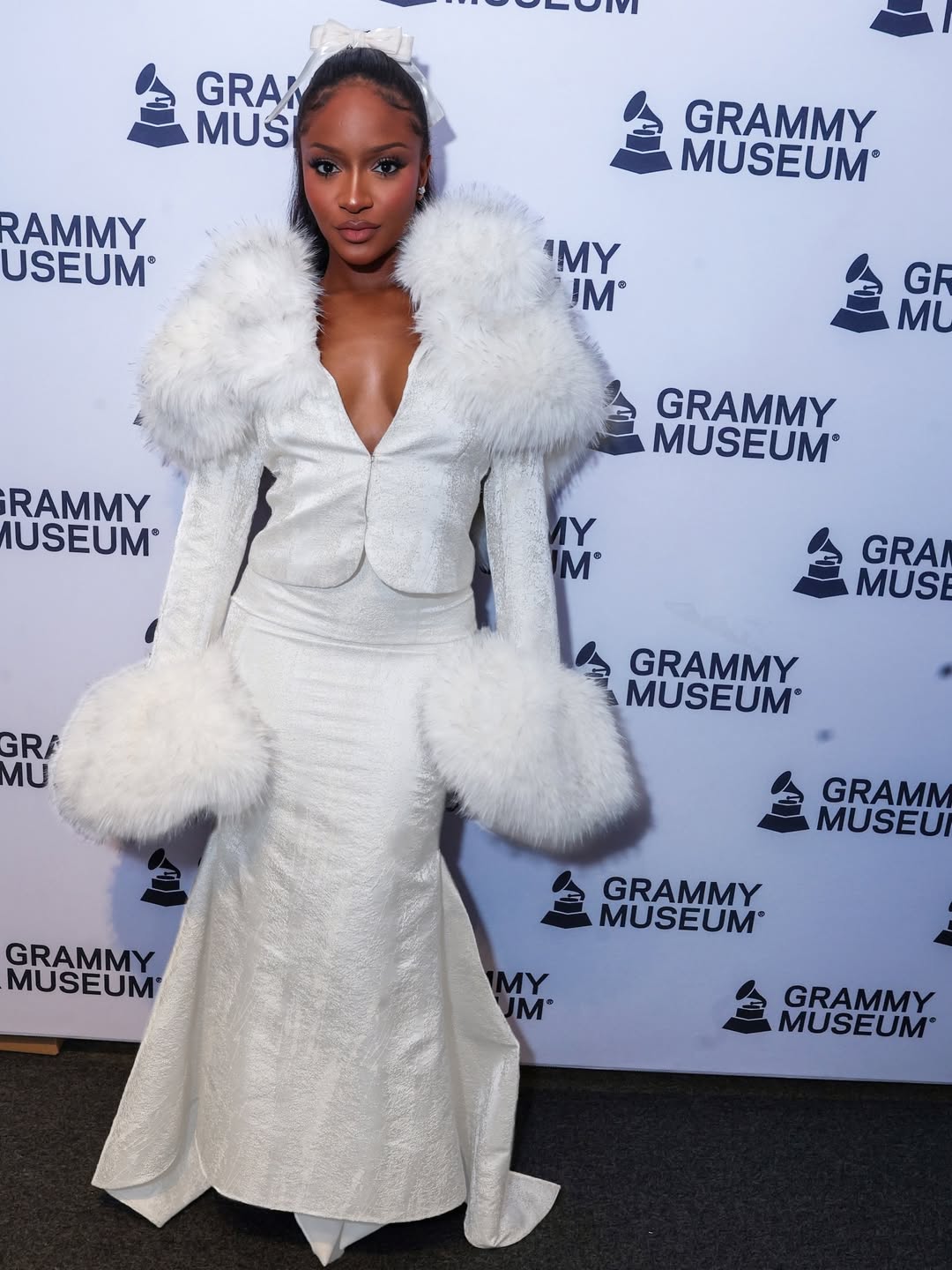
Afrobeats’ influence now extends far beyond streaming charts or concert stages. It has evolved into a global cultural force shaping language, beauty, nightlife, identity, and style. Nigerian artists are no longer exporting only music. They are exporting culture itself. And fashion has become one of the clearest visual expressions of that shift.
After all, someone can stream a song without fully understanding where it comes from. But fashion communicates origin instantly. The fabrics. The tailoring. The attitude. The layering. The confidence. You can feel the culture in the clothes.
That is what makes Afrobeats fashion so powerful. It does not simply dress artists for performances or red carpets. It tells the world where some of the most exciting creativity on earth is currently coming from. And the answer, increasingly, is Africa.


