


In a market that rewards newness, heritage brands should be losing ground. Yet, they are not. According to research cited on Global Banking & Finance Review, 61% of luxury consumers report that craftsmanship and heritage are top influences on their purchase decisions. Consumers perceive heritage brands as significantly more trustworthy and prestigious, fostering stronger emotional loyalty and willingness to pay premium prices.
Heritage-rich brands demonstrate greater resilience during market disruptions. These companies maintain customer trust through challenging periods by anchoring to consistent historical values while adapting to changing conditions. The numbers tell a story that is counterintuitive in the age of drop culture, viral moments, and trend cycles measured in weeks rather than seasons: the brands with the deepest roots are proving the most durable. Heritage is not nostalgia. It is a structural competitive advantage that new entrants simply cannot buy.
Heritage works differently in 2026 from how it once did. Its value now lies not simply in what a brand has been, but in how well that history is translated for the world people are living in today. Brands with deep archives and long-standing cultural recognition continue to benefit from their legacy, but the surrounding landscape has accelerated. Audiences are responding less to static narratives and more to brands that reflect current priorities, behaviours, and cultural signals.
Heritage still matters, but they have to move with the times. The challenge is no longer about protecting the past but about ensuring it remains connected to the present. The heritage brands navigating 2026 most successfully are the ones that have figured out that distinction between legacy as artifact and legacy as living asset.
What Legacy Actually Delivers
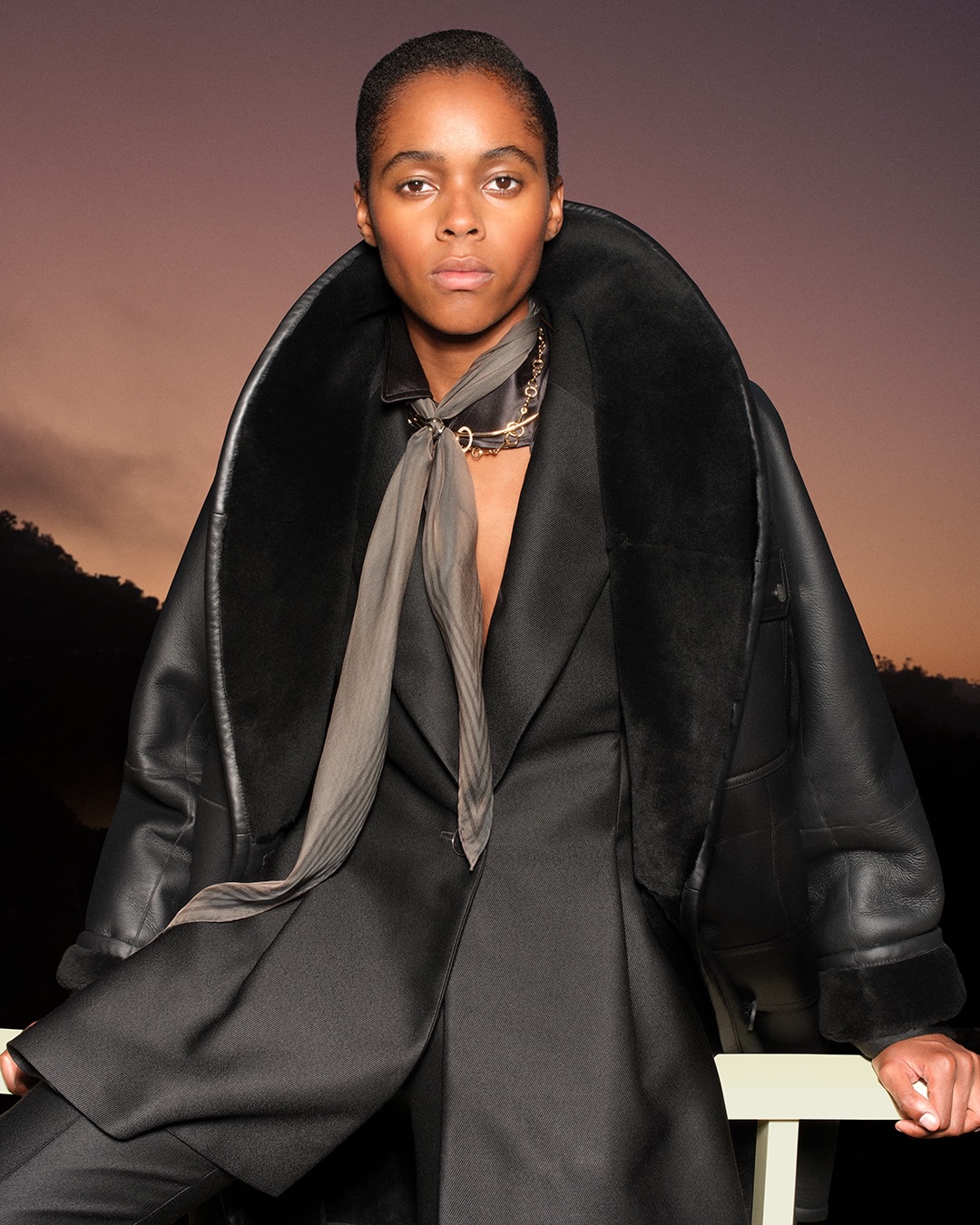
Heritage is the currency of trust in luxury. It provides the proof points of craftsmanship, lineage, and credibility that justify premium pricing. A century-old watchmaker does not need to explain why its timepieces cost thousands; its history is part of the product. But heritage is not just about dates and milestones. It is about meaning.
Every luxury brand must translate its history into a compelling narrative that resonates with contemporary audiences. The symbols of legacy: archives, founders, ateliers, family stories, become strategic assets when embedded into a modern identity.
Heritage provides a powerful justification for premium pricing. Consumers associate heritage with quality, reliability, innovation, and authenticity, making them willing to pay more for products and services with an established lineage. For example, luxury brands like Hermès leverage their deep-rooted heritage to maintain premium pricing positions that competitors cannot easily challenge. Heritage in luxury branding gives businesses an edge that modern competitors cannot easily copy. It builds a connection that consumers sense is genuine. That genuine quality is what separates brands with real heritage from brands performing heritage, and consumers with experience in the category consistently recognize the difference.
At least one in two young consumers says they inherited their taste for luxury from their parents, 50% in France, 61% in the U.S., and 56% in China. They trust their parents’ judgement. Family heritage remains a decisive factor in luxury purchase decisions, according to research presented to The Art Newspaper in May 2026.
The Line Between Legacy and Window Dressing
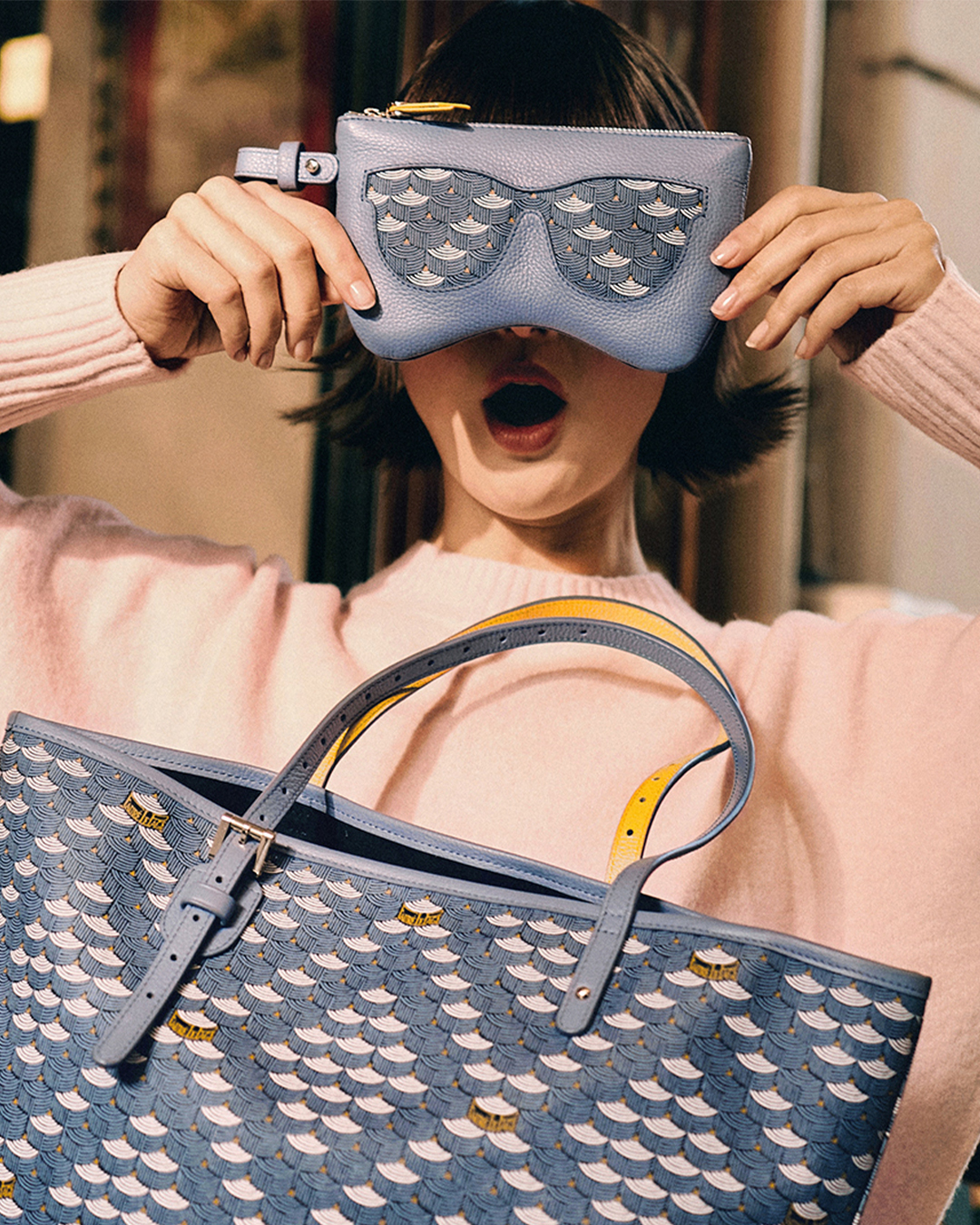
Too many brands lean on heritage passively, simply defaulting to a founding date or a vintage logo. Putting “Since 1850” on packaging might hint at trust, but it does not tell consumers why that brand has endured. Truly strategic brands use their heritage to show how craftsmanship, credibility, and purpose have consistently defined them. This is the difference between legacy as window dressing and legacy as a proof point. When heritage is embedded in brand culture, it becomes second nature and can be a powerful sales tool.
The European Union’s highest court is currently examining exactly this question in a dispute between Goyard and Fauré Le Page, with a decision expected in 2026 that could redefine the legal boundaries of legacy-driven branding. The case probes whether a brand must demonstrate an unbroken operational lineage to claim a historical founding date, or whether inheriting a name and its associated legacy is sufficient. The outcome will have significant implications for how luxury brands use historical dates and narrative claims going forward, a sign that the commercial stakes of authentic heritage have never been higher.
Heritage in luxury brands is more than a historical narrative. It is the foundation of brand value, the anchor that gives meaning, identity, and depth to every interaction. For brands like Hermès, Chanel, or Patek Philippe, it is not simply the product that matters but what the product represents: timeless quality, generational continuity, and a certain way of seeing the world. That history creates something difficult to replicate: emotional trust.
Heritage and Innovation: The Brands Getting It Right
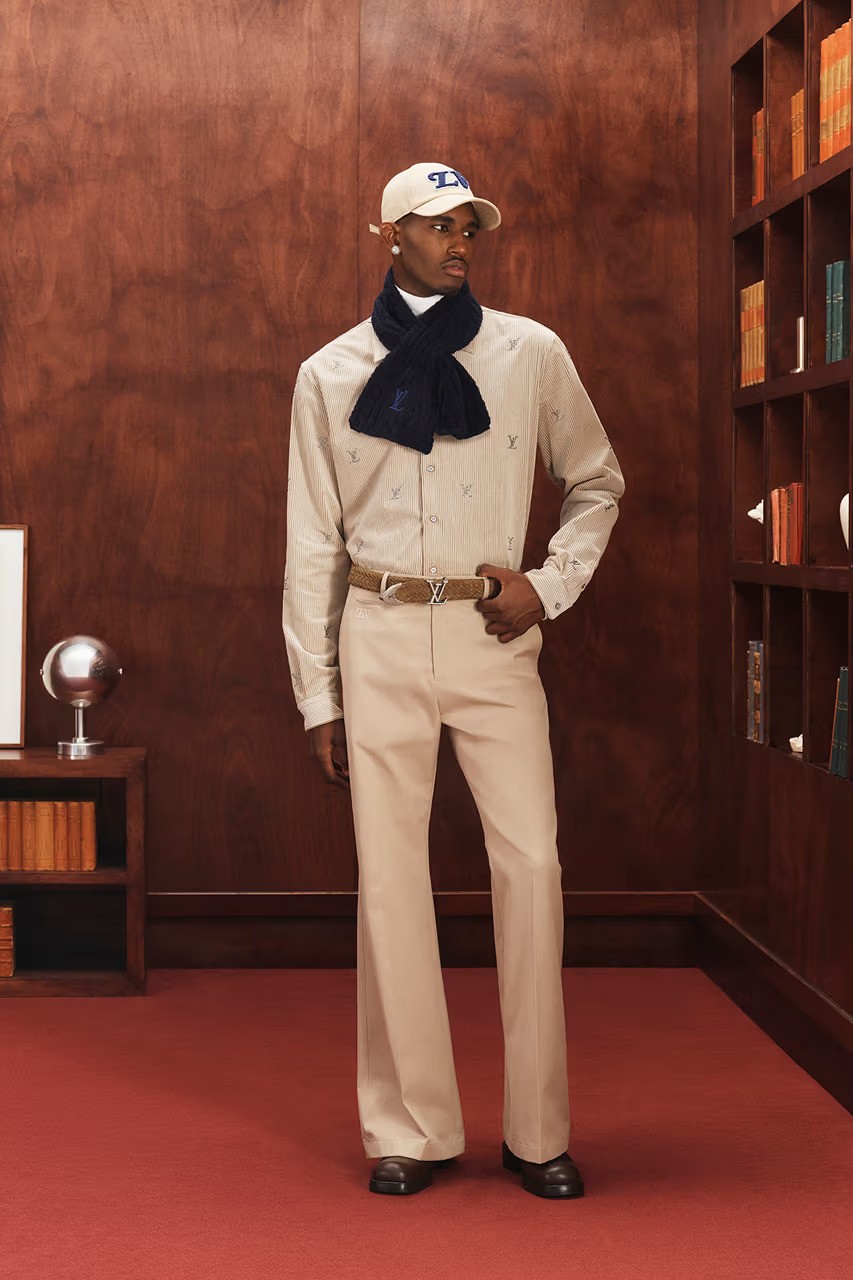
The message is clear from the brands succeeding with heritage in 2026: the same values of precision and reliability that mattered a century ago still matter in today’s world. Heritage should serve as the anchor, while innovation acts as the sail. In 2026, luxury is no longer just about products. It is about legacy. LVMH Group committed 200 million euros to cultural heritage preservation.
Brands like Fendi, Prada, and Tod’s have embraced the role of cultural custodians, investing in the preservation of historic landmarks from Rome’s fountains to Shanghai’s historic mansions. These investments are not charitable. They are strategic extensions of brand identity into the cultural infrastructure that gives heritage brands their meaning. Coca-Cola’s heritage marketing campaigns contributed to a 7% increase in global brand engagement metrics in 2024, according to studies in Digital Heritage.
The heritage brands that will lead through the rest of this decade are the ones treating their history as a living resource rather than a static credential. Their archives are not museums. They are creative databases. Their founders are not just origin stories. They are proof of a philosophy. And that philosophy, consistently expressed across every product and every communication, is exactly what the 61% of luxury consumers who cite heritage as a top purchase influence are actually buying. Not the object. The meaning the object carries.
Featured image: @chanelofficicial/Instagram


