


Soft-focus skin dominated beauty campaigns for years, and then glossy complexions stepped back into the spotlight with equal force, turning the debate around dewy and matte finishes into one of the biggest beauty conversations shaping makeup routines today. As trends continue shifting between radiant glow and shine-controlled coverage, many people trying to choose between matte or dewy makeup are beginning to realize the decision has less to do with trends alone and far more to do with skin type, environment, occasion, and the overall makeup look they want to create.
One reason this beauty debate keeps resurfacing is that both finishes now look very different from what they once did. Dewy makeup no longer automatically means greasy-looking skin, while matte formulas have evolved far beyond the dry, flat finishes that dominated older beauty trends. Modern formulas are lighter, more skin-focused, and easier to customize, which explains why both styles continue thriving side by side.
What Dewy Makeup Actually Looks Like
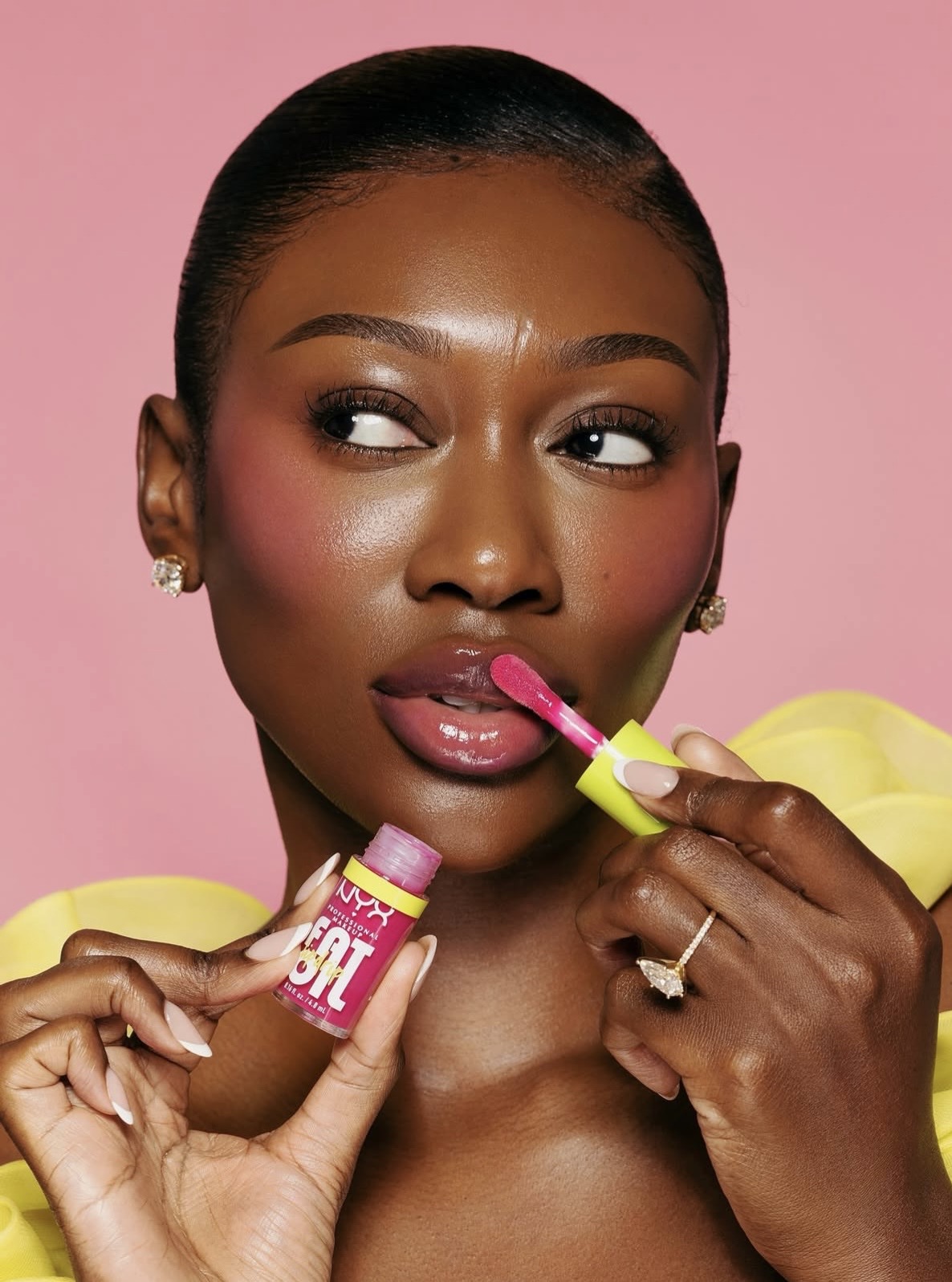
Dewy makeup focuses on radiance, hydration, and light-reflective skin. Instead of creating a completely shine-free complexion, this finish allows the skin to appear fresh, luminous, and naturally hydrated.
Many dewy foundations now contain skincare ingredients like hyaluronic acid, niacinamide, squalane, and glycerin. That combination explains why glowing complexions have become especially popular among people prioritizing healthier-looking skin over heavy full-coverage makeup.
The finish itself usually concentrates glow around the high points of the face, including the cheeks, forehead, and bridge of the nose. Cream blushes, liquid highlighters, radiant primers, and hydrating setting sprays are often layered together to create that glossy-skin effect.
This is also why many beauty lovers searching for dewy makeup advice lean toward radiant formulas for daytime wear, vacation makeup, brunch looks, and softer beauty aesthetics.
Who Dewy Makeup Works Best For
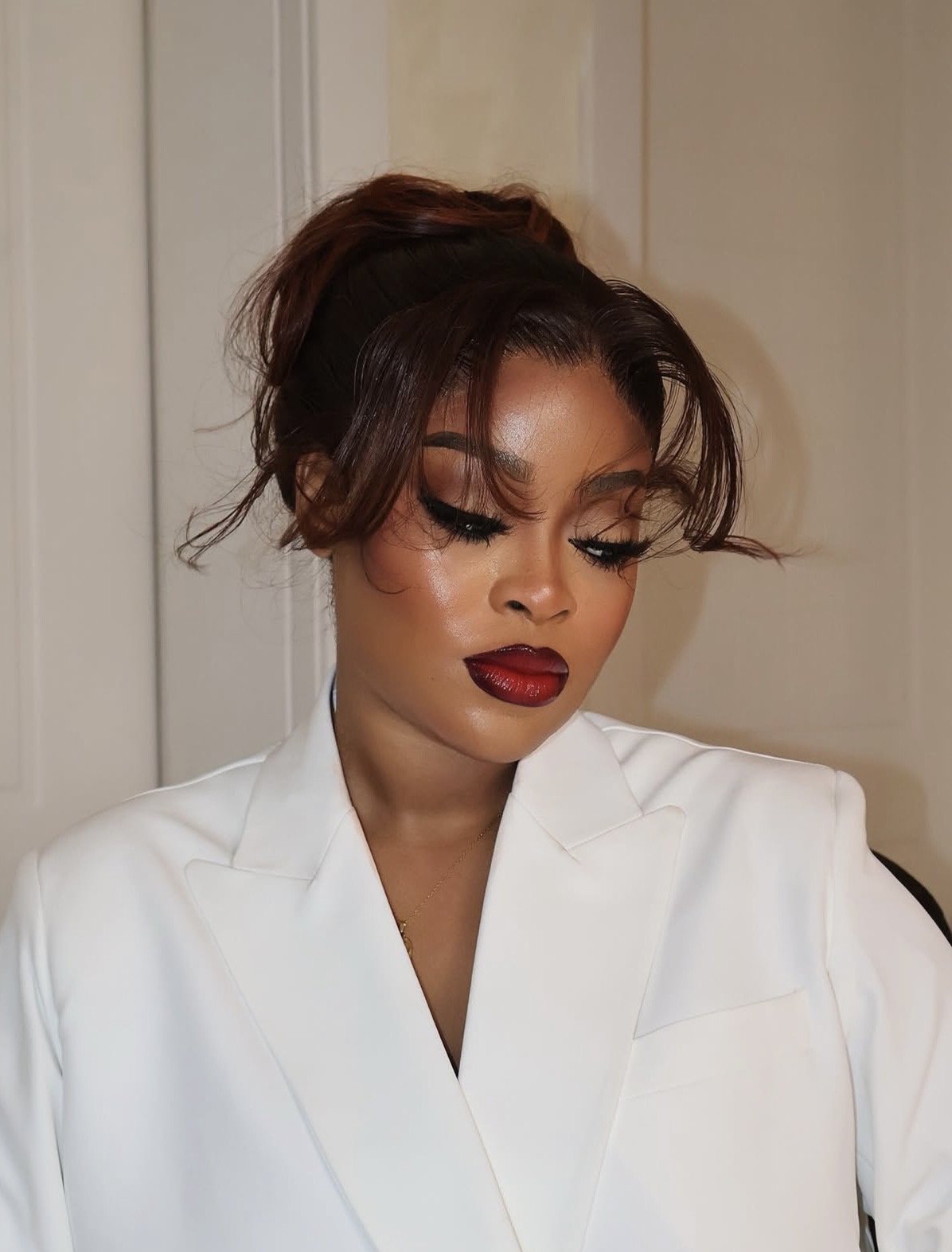
Dewy finishes tend to work especially well for dry skin, normal skin, and combination skin that lacks hydration. Mature skin also benefits from radiant formulas since heavy matte products can sometimes emphasize texture and fine lines.
At the same time, glowing makeup can work beautifully on oily skin when balanced correctly. One of the biggest misconceptions is assuming oily skin cannot wear radiant foundations at all. In reality, lightweight dewy formulas paired with controlled powder placement often create a fresher, more natural complexion than overly drying matte products.
Climate matters too. Dewy makeup usually performs best in cooler weather, indoor settings, nighttime events, or situations where softer lighting naturally enhances the glow.
What Matte Makeup Actually Looks Like
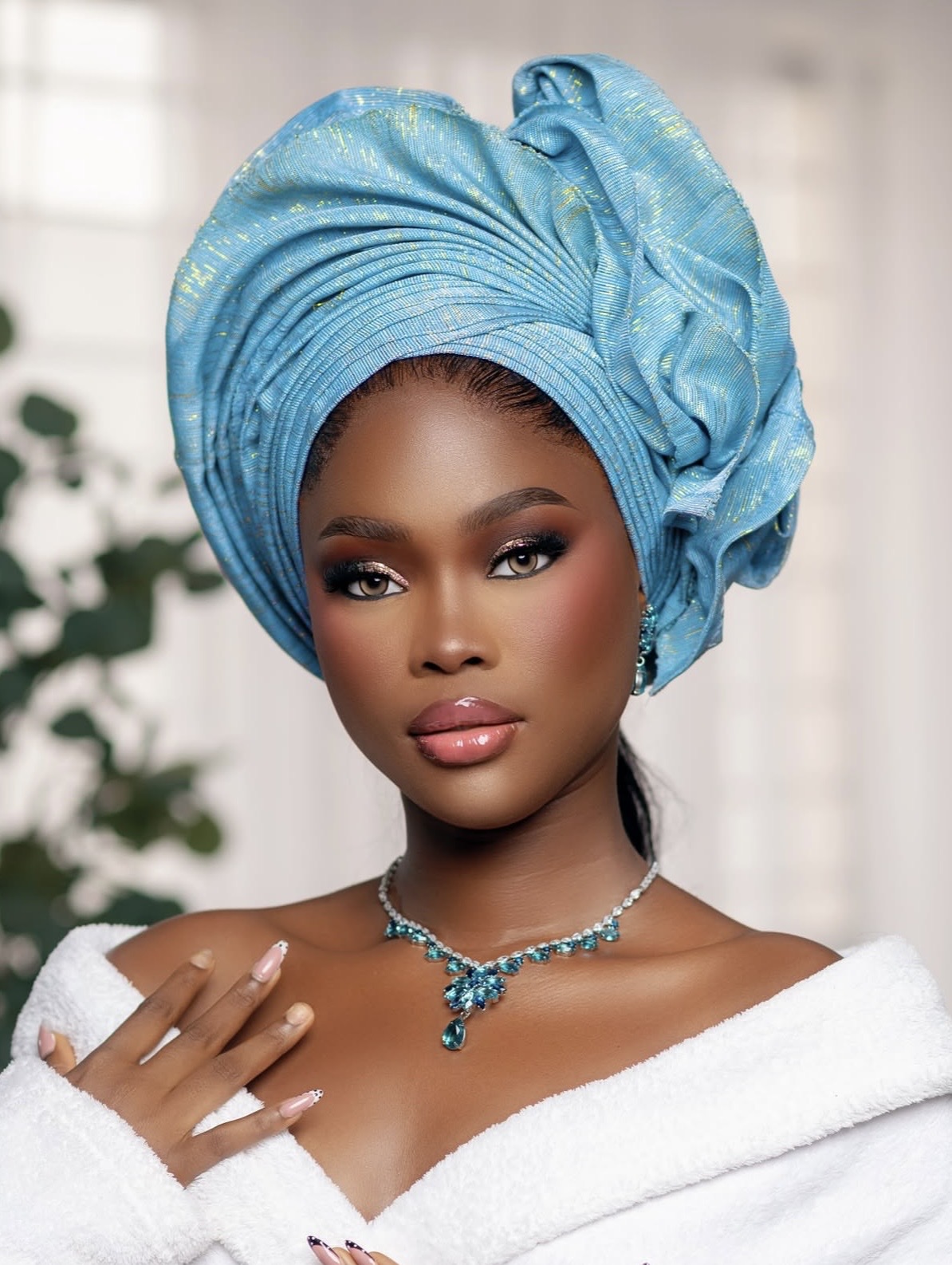
Matte makeup focuses on oil control, blurred texture, and long-lasting coverage. Unlike radiant finishes that reflect light, matte products absorb excess shine to create a smoother, more refined appearance.
Modern matte foundations have improved dramatically compared to older formulas. Many newer products now include hydrating ingredients and flexible textures that prevent the heavy or overly dry appearance once associated with matte makeup.
Soft-matte finishes have become especially popular because they control shine without completely removing dimension from the skin. Instead of looking flat, the complexion appears smoother and more balanced while still maintaining natural depth.
For this reason, people researching the differences between dewy and matte makeup often discover that modern matte formulas look far more skin-like than older beauty trends suggested.
—Read also
The Best Dewy Foundations For Oily Skin That Won’t Look Greasy
See More

