


Warner Bros. Discovery has officially set a sequel to “Edge of Tomorrow” in motion, consequently ending a decade of stalled development and fan agitation. The studio will position the project as a cornerstone within its evolving greenlight slate, notably tied to Tom Cruise’s newly minted strategic partnership, which prioritizes theatrical spectacle and bankable intellectual property leverage across global markets.
However, this long-gestating follow-up arrives with considerable baggage, including branding confusion, rising production costs, and talent availability constraints. Therefore, insiders view the sequel not merely as a continuation, but as a referendum on Warner Bros.’ post-merger strategy under David Zaslav, who has emphasized fiscal discipline while still chasing franchise-driven box office dominance in an increasingly volatile theatrical landscape.
The Strategic Partnership: Cruise and Warner Bros.
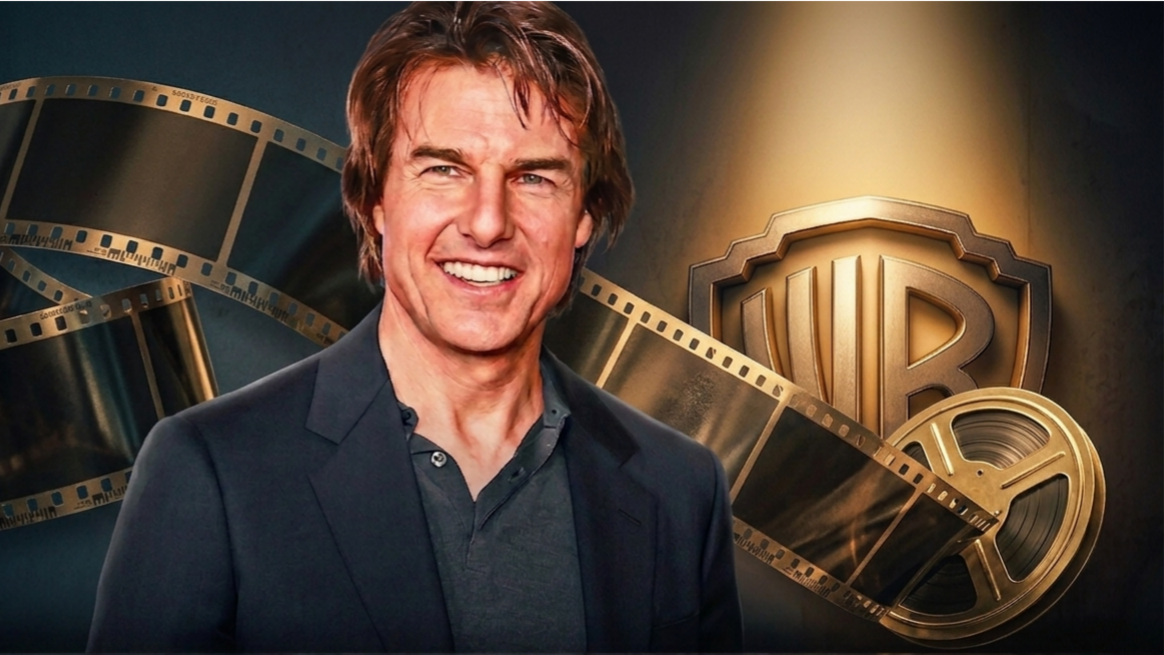
To understand the sequel’s sudden momentum, we must start with Cruise’s recalibrated studio alignment. In January 2024, the actor-producer inked a non-exclusive development and production deal with Warner Bros. Discovery. Consequently, the agreement signaled a return to the lot where Cruise delivered hits before his long tenure with Paramount.
Moreover, this sequel is widely viewed as the anchor project within that pact. Cruise brings not just star power, but also backend participation structures that align his incentives with theatrical upside. Therefore, Warner Bros. gains a proven global draw while mitigating risk through shared financial exposure.
However, the stakes remain unusually high. Zaslav’s regime has become synonymous with aggressive cost-cutting and selective greenlighting. As a result, any project approaching a $200 million budget must justify itself as an event film with durable international appeal.
Revisiting a Cult Hit with Box Office Complications
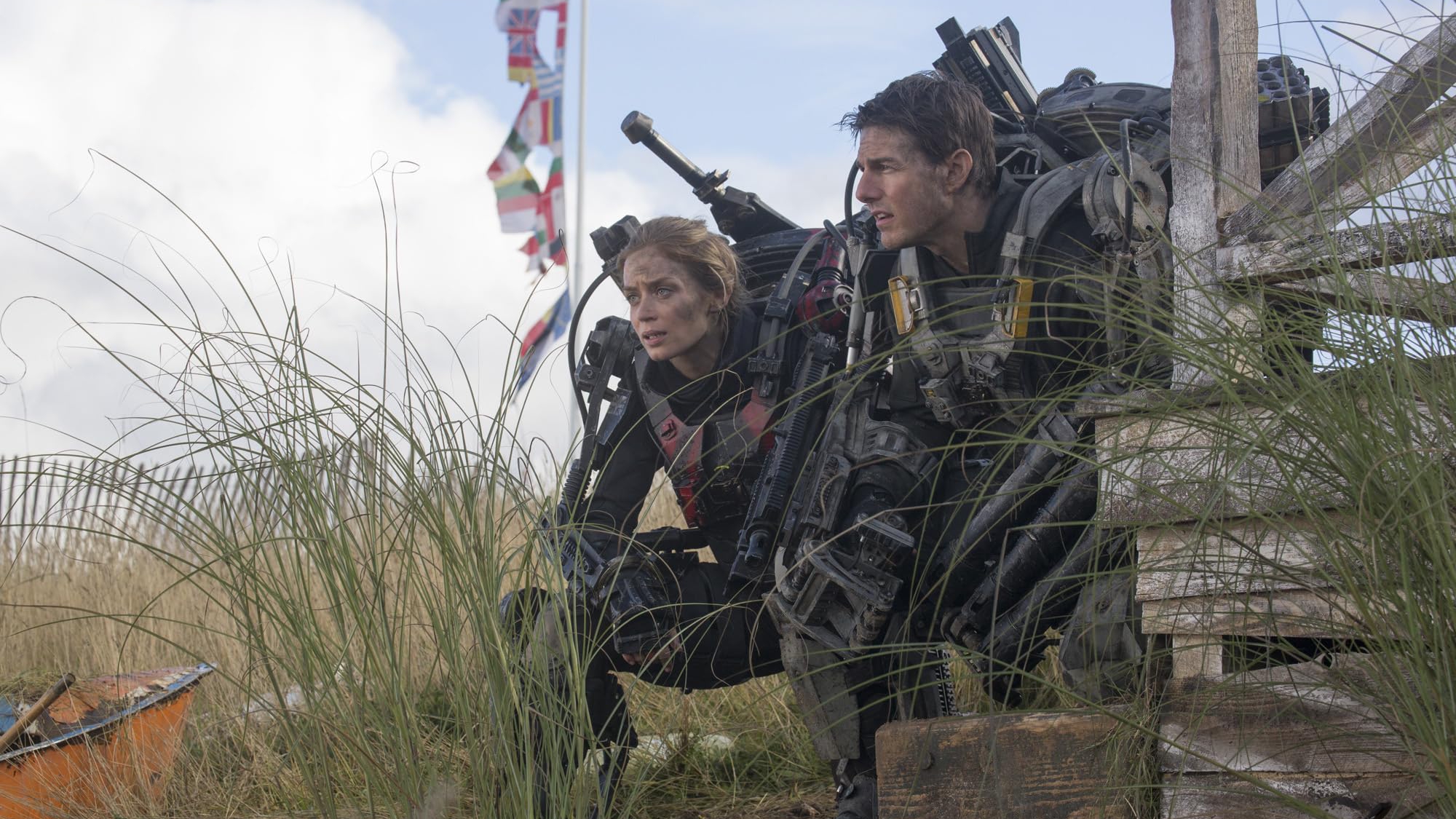
The original Edge of Tomorrow earned $370.5 million worldwide against a $178 million budget. While respectable, that figure fell short of breakout franchise status. Consequently, Warner Bros. initially hesitated to fast-track a sequel despite strong reviews and audience scores.
However, the film’s second life proved transformative. Through home media and streaming, it rebranded itself under the tagline “Live Die Repeat,” which many viewers mistakenly believed was the actual title. Therefore, the movie evolved into a cult favorite, frequently cited as one of the most inventive sci-fi action films of its era.
Notably, that identity crisis still looms over the sequel. The original title, the manga-inspired “All You Need Is Kill,” and the marketing-driven “Live Die Repeat” created a branding muddle. As a result, the sequel must establish a clear, singular identity to avoid repeating past mistakes.
The Emily Blunt Question
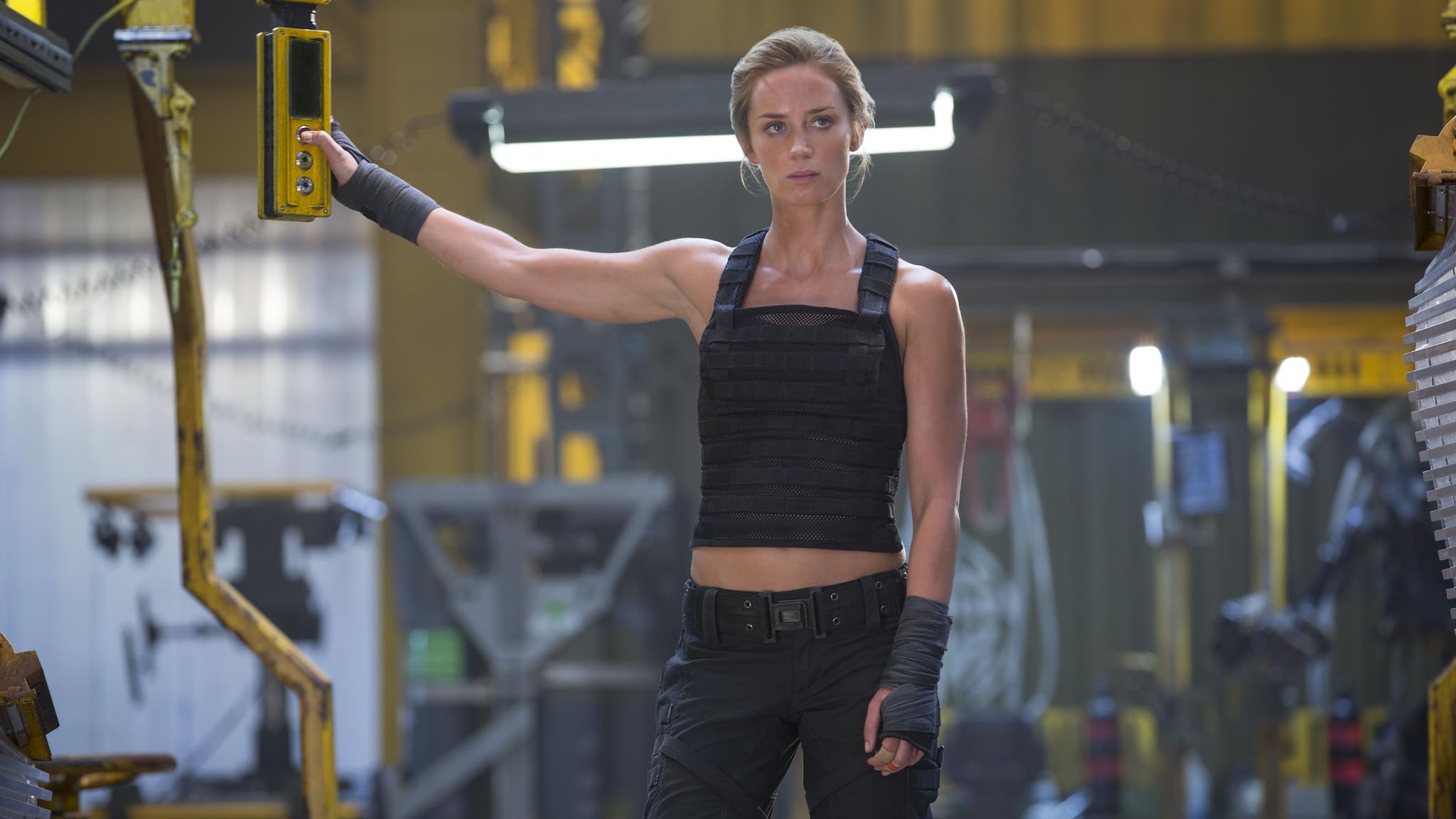
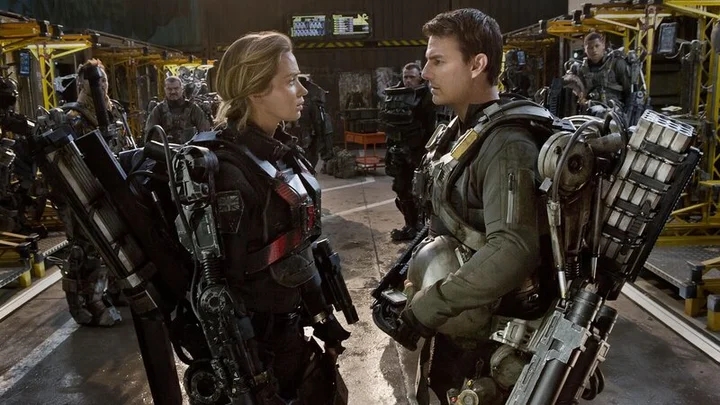
No element of the sequel carries more weight than the involvement of Emily Blunt. Her portrayal of Rita Vrataski, dubbed the “Full Metal Bitch,” became a defining image in modern action cinema. Consequently, her return is not optional; it is foundational.
However, Blunt’s schedule presents a real challenge. Following high-profile turns in “Oppenheimer” and “The Fall Guy,” she commands significant leverage in negotiations. Therefore, aligning her availability with Cruise’s notoriously dense calendar remains a key hurdle.
Moreover, Blunt’s cultural capital has only grown. Rita Vrataski stands as a rare female action figure who combines physical dominance with narrative complexity. As a result, any sequel must expand her arc rather than reduce her to franchise shorthand.
Doug Liman’s Controlled Chaos
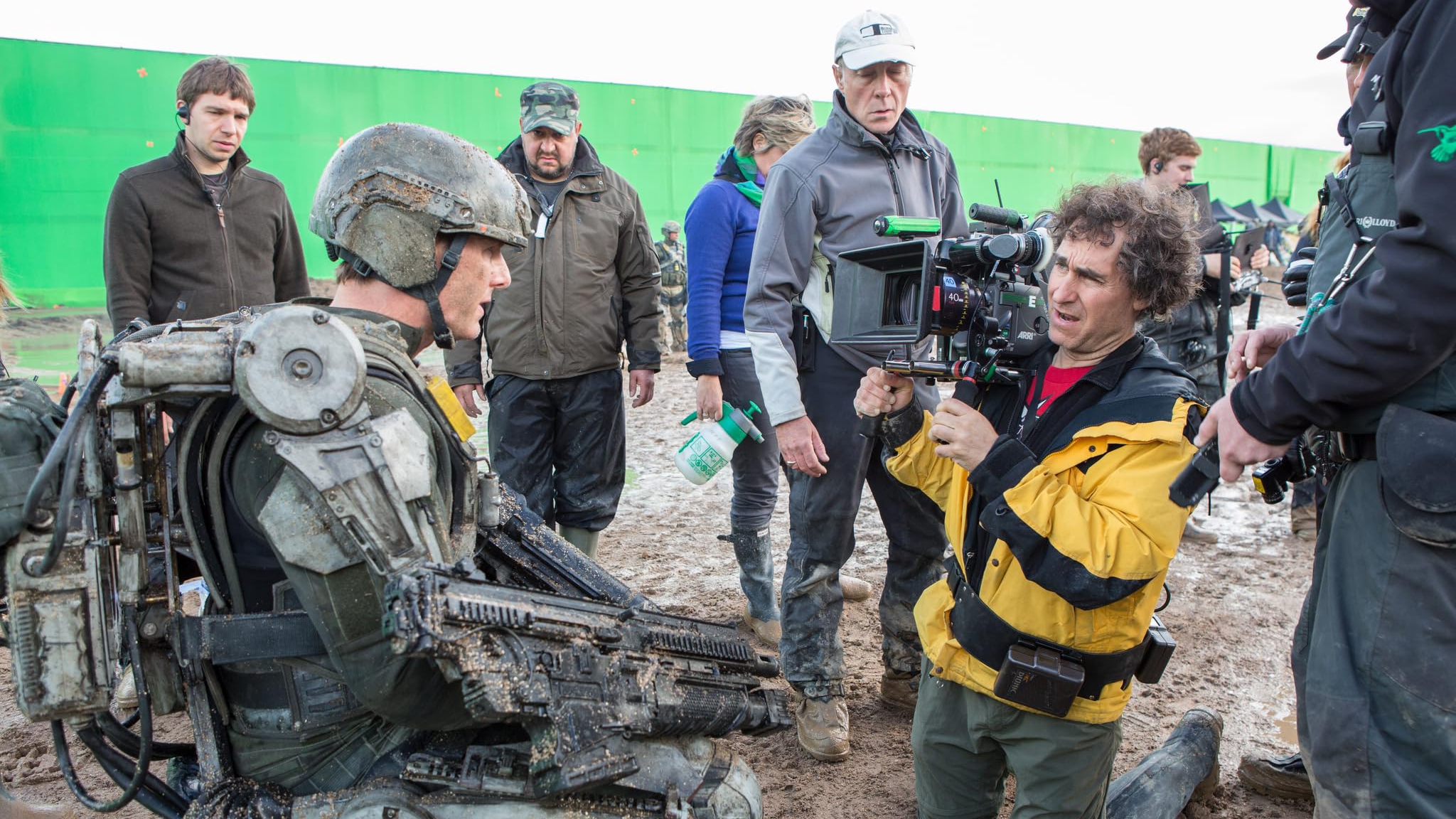
Director Doug Liman is expected to return, which guarantees both creative ambition and logistical unpredictability. Liman’s filmmaking style thrives on improvisation and kinetic energy. However, that same approach often leads to production overruns and behind-the-scenes friction.
His history with Cruise complicates the narrative in fascinating ways. The pair collaborated on “American Made” and have long discussed an ambitious space-set project. Consequently, their partnership blends trust with a shared appetite for risk.
Yet, Liman’s recent experiences, including the turbulent rollout of his streaming-era projects, highlight the tension between auteur instincts and studio mandates. Therefore, Warner Bros. must balance creative freedom with budgetary discipline to keep the sequel on track.
McQuarrie and the Script Equation
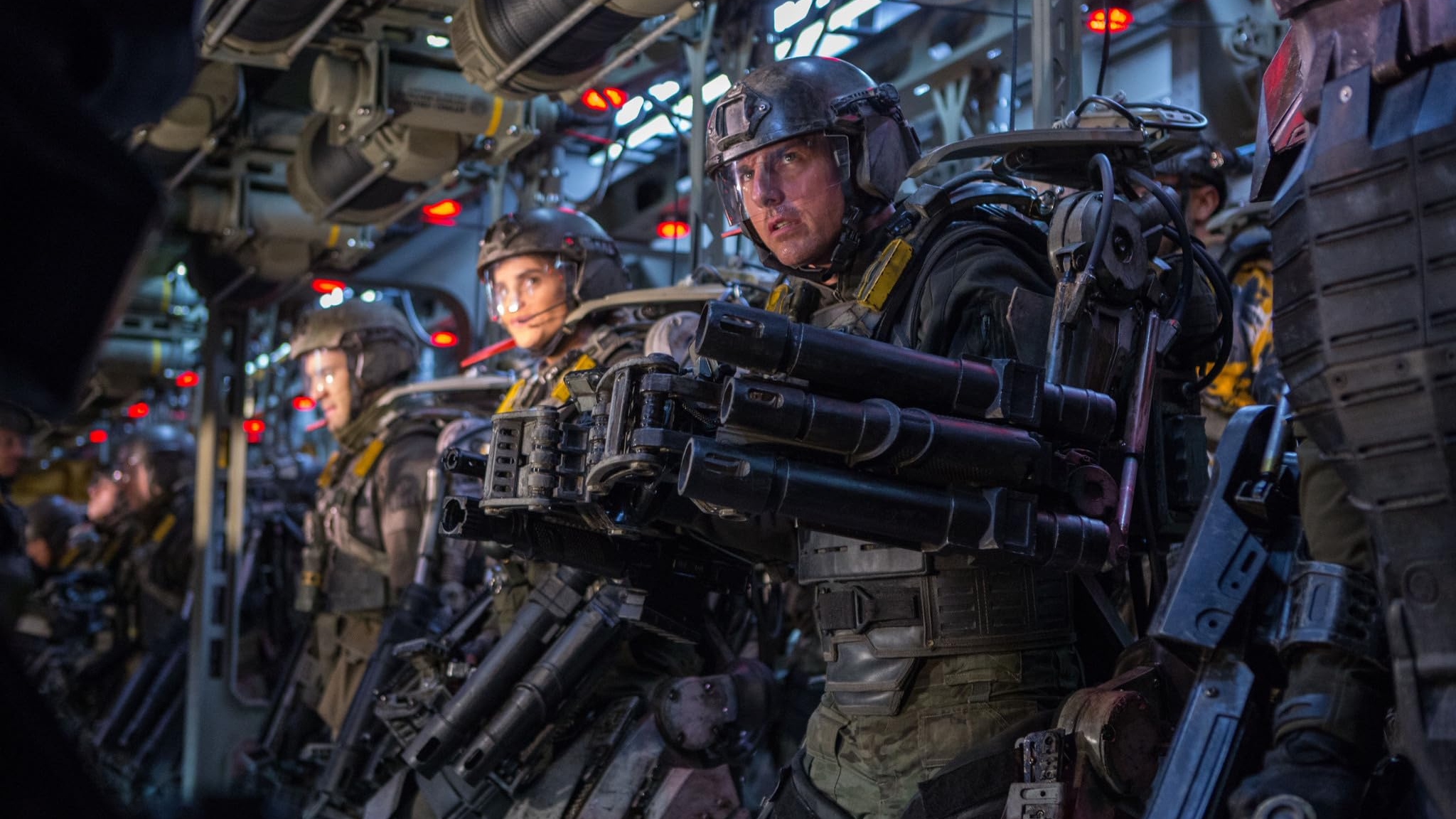
Behind the scenes, Christopher McQuarrie remains a crucial figure. Although not officially confirmed as sole screenwriter, his involvement in shaping the original film’s narrative DNA is undeniable. As such, his influence is expected to guide the sequel’s story architecture.
McQuarrie’s collaboration with Cruise has produced consistent results, particularly within the “Mission: Impossible“ franchise. Due to that, his presence signals a commitment to narrative precision and character-driven spectacle.
However, crafting a sequel within the time-loop genre presents unique challenges. The original’s structure relied on repetition as both mechanic and metaphor. As a result, the sequel must innovate without losing the conceptual clarity that defined its predecessor.
The Evolution of the Time-Loop Genre
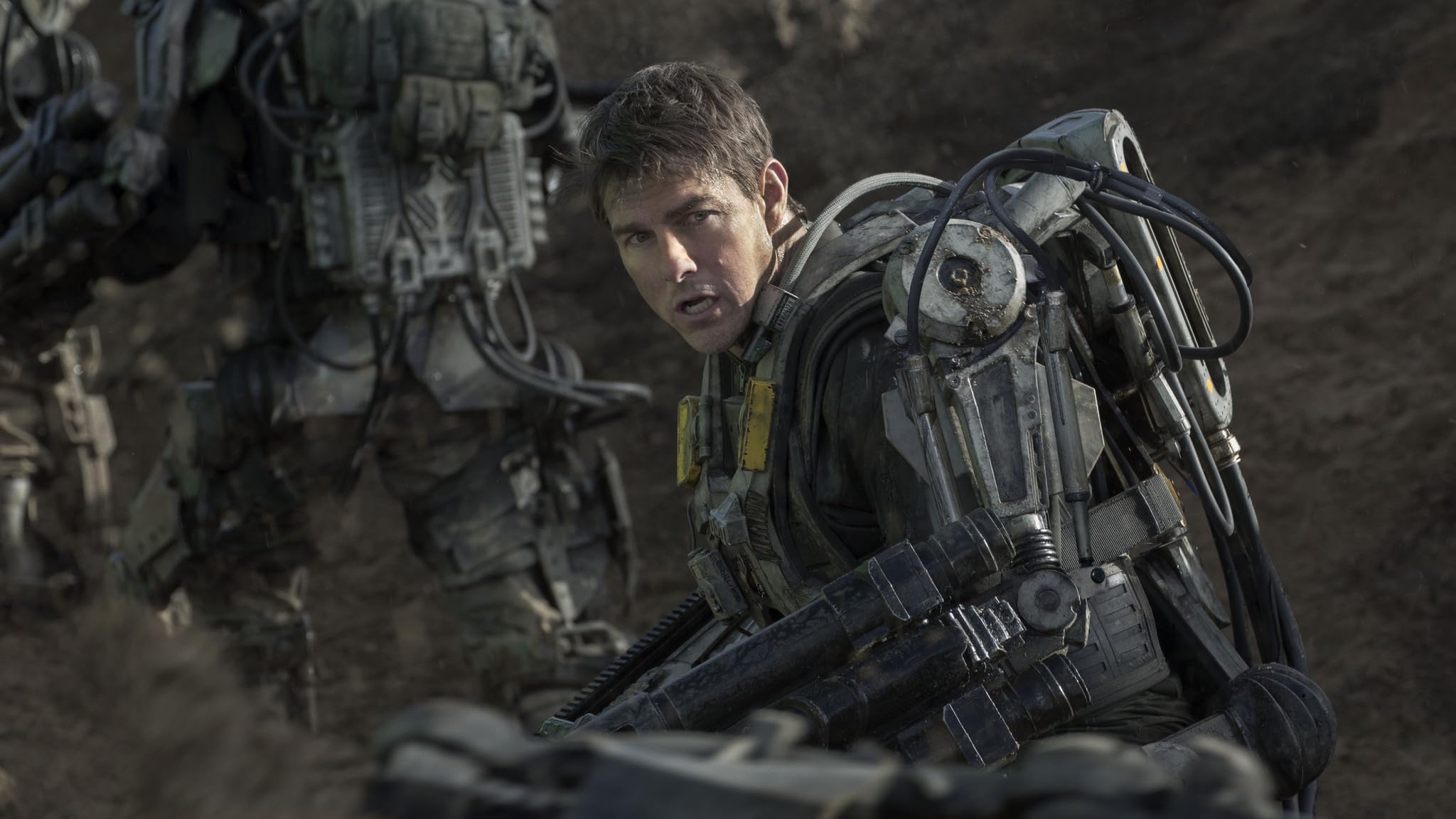
Since 2014, the time-loop concept has proliferated across film and television. Projects like “Palm Springs” and “Russian Doll” have explored the trope through comedic and existential lenses. As a result, the novelty that once defined “Edge of Tomorrow” has diminished.
Therefore, the sequel faces a higher bar for originality. It must expand the mythology rather than simply repeat the loop. Audiences now expect deeper thematic exploration, including questions of agency, memory, and consequence.
However, this saturation also creates opportunity. By leveraging its larger budget and action scale, the sequel can reclaim territory as the genre’s definitive blockbuster expression.
Budget Realities in the Zaslav Era
The financial calculus cannot be ignored. The original film’s $178 million budget would likely exceed $200 million today. Consequently, the sequel represents a significant gamble for a studio that has recently shelved completed projects for tax write-offs.
Zaslav’s leadership has emphasized profitability over volume. Therefore, each tentpole must justify its existence within a leaner, more focused slate. The sequel’s reliance on visual effects, international locations, and A-list talent only amplifies the risk.
However, Cruise’s track record provides a measure of reassurance. His films consistently overperform overseas, particularly in Asia and Europe. As a result, Warner Bros. can reasonably project strong global returns despite domestic uncertainties.
Branding, Legacy, and the Road Ahead
Ultimately, the sequel’s success will hinge on clarity of vision. The original film’s marketing confusion serves as a cautionary tale. Therefore, Warner Bros. must present a unified brand message from the outset.
Moreover, the title itself carries symbolic weight. Whether the studio embraces “Live Die Repeat” or reasserts “Edge of Tomorrow,” the decision will shape audience perception. Consequently, early marketing choices could determine the film’s commercial trajectory.
However, the underlying appeal remains intact. A high-concept premise, anchored by Cruise and Blunt, still holds significant draw. If executed with precision, the sequel could transcend its cult origins and achieve true franchise status.
For now, the project stands as a litmus test. It will measure not only the durability of a beloved sci-fi property, but also the effectiveness of Warner Bros. Discovery’s evolving strategy in a post-streaming, theatrically recalibrated industry.
Featured image: Warner Bros.
S
See More
Source link

