


True luxury in 2026 is no longer about high-end watches or designer suits. Instead, the ultimate status symbol is deep, restorative sleep. While many ambitious men routinely sacrifice rest to get ahead, this habit quietly undermines their physical fitness, stalls gym gains, and diminishes their natural vitality.
Optimising your nightly rest helps reverse much of this damage, improving both your physical performance and facial appearance. Think of quality sleep as an overnight muscle-recovery session and a premium skincare routine that expensive creams cannot match. Looking sharp begins long before you step into the gym or stand in front of the mirror. The physical changes that define a great physique and youthful appearance are built while you sleep. Understanding what happens during these overnight recovery hours reveals why sleep is the foundation of muscle growth, vitality, and long-term health.
The Anabolic Pillow: Sleep Mechanics and Muscle Protein Synthesis
Testosterone, Growth Hormone, and the Muscle Loss Trap
Deep sleep serves as the body’s primary anabolic recovery window. During this slow-wave stage, your body releases large amounts of human growth hormone into the bloodstream to repair damaged muscle fibres and accelerate physical recovery. However, consistently cutting your rest short disrupts this vital process. When your sleep is fragmented or interrupted throughout the night, your body cannot recover efficiently, reducing the benefits of even the most intense gym sessions.
This lack of recovery also contributes to hormonal changes, a relationship highlighted in a landmark study published in The Journal of the American Medical Association (JAMA). Researchers at the University of Chicago found that restricting sleep to just five hours per night for one week reduced daytime testosterone levels by 10 to 15 percent. Such a rapid decline can alter your hormonal profile in ways associated with accelerated ageing, leaving you feeling fatigued and making it more difficult to build lean muscle.
Ultimately, poor sleep creates a destructive cycle that compromises both your long-term health and your fitness goals. When your body lacks adequate time to repair cellular damage, muscle recovery slows, and physical performance suffers. Over time, this decline can limit athletic progress and increase the risk of injury during demanding workouts. To protect your hormonal health and maximise your fitness gains, you must prioritise quality sleep. The quality of your recovery ultimately influences the quality of your physical transformation.
Neuromuscular Fatigue: Why an Exhausted Brain Can’t Bench Press
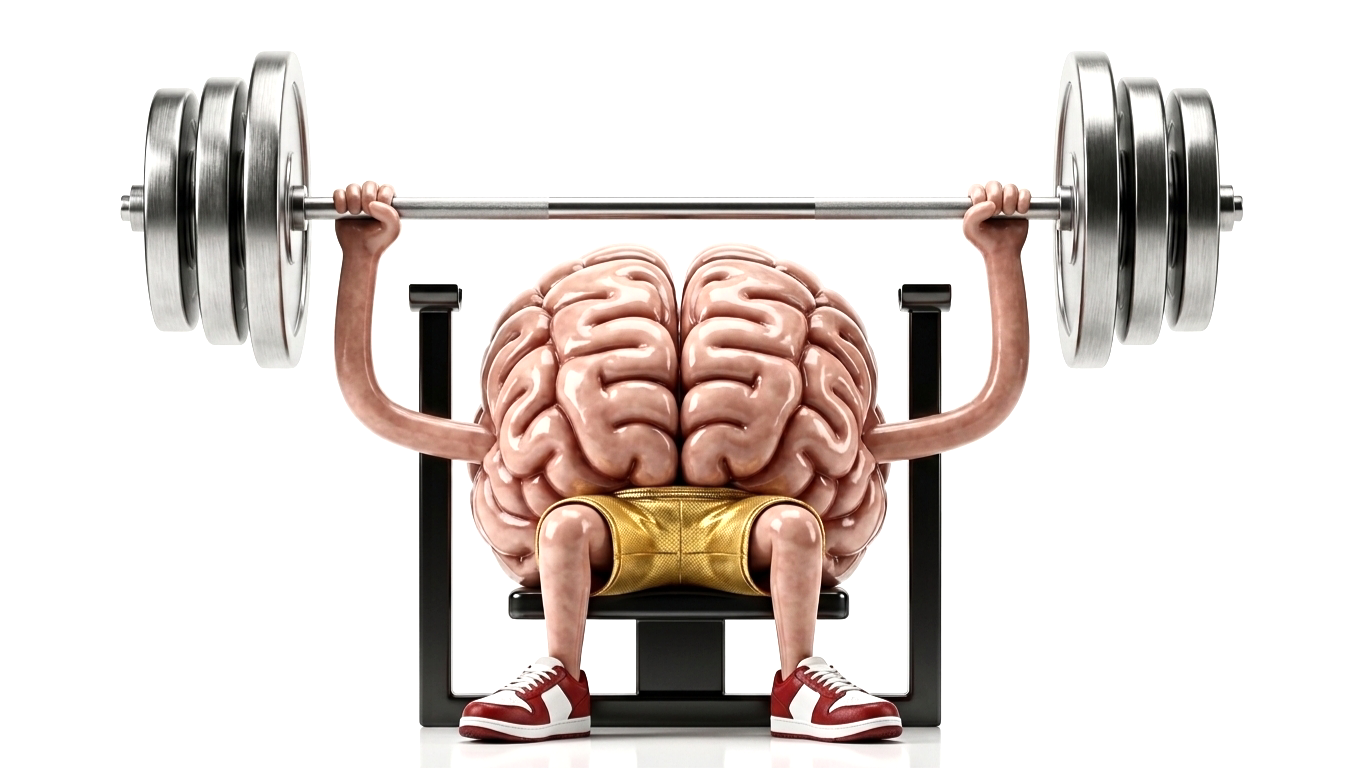
The Mind-Muscle Link
Muscle growth is only half the battle when it comes to athletic performance. Building stronger fibres means little if your brain cannot efficiently activate them. Beyond repairing physical tissue, deep sleep restores the nervous system responsible for generating strength.
Why Sleep Sparks Strength
Physical power depends heavily on the health of your central nervous system. Your brain must send clean, powerful electrical signals to trigger intense muscle contractions. Unfortunately, chronic sleep deprivation impairs these neural pathways and significantly reduces force production. You may feel motivated to train, but your body will struggle to move heavy loads. This neuromuscular fatigue can undermine your performance before you even touch the barbell.
The Problem With Quick Fixes
Many lifters try to mask this neural exhaustion with supplements. They consume large doses of pre-workout formulas and creatine in an attempt to force an energy boost. While these products may provide a temporary lift, they cannot compensate for an under-recovered brain. Your receptors remain less responsive, your reaction times slow, and stimulants ultimately do little more than mask underlying fatigue. True power depends on a well-rested nervous system that can perform efficiently under pressure.
Overcoming Neural Fatigue
You’ve likely experienced days when even your warm-up sets feel unusually heavy. More often than not, that frustration stems from neural fatigue rather than actual muscle weakness. An exhausted brain simply cannot recruit the high-threshold motor units required for demanding compound lifts. As a result, your bench press and squat performance often decline after a poor night’s sleep. To unlock your true physical potential, you must prioritise mental recovery just as seriously as physical training.
Cortisol and Cravings: How Insomnia Rewires Your Body to Store Fat
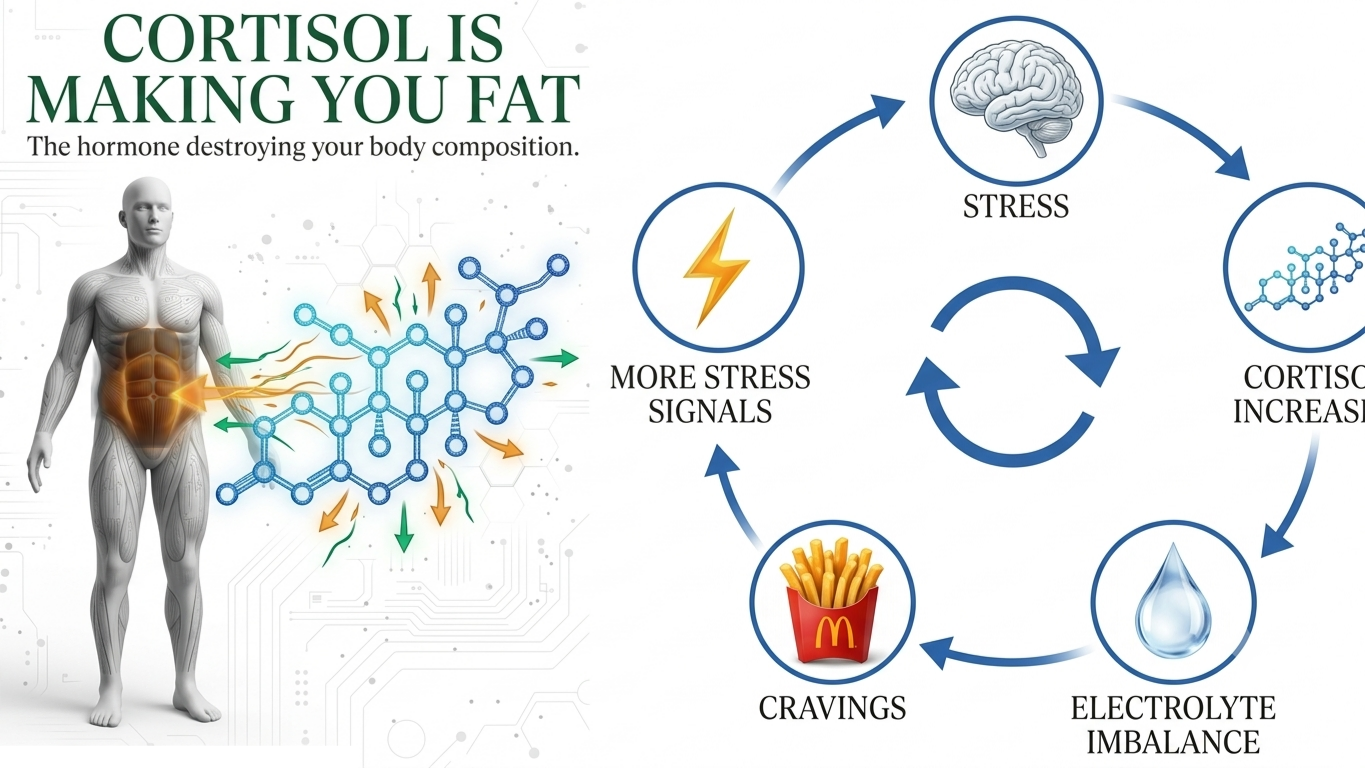
Poor sleep does far more than ruin your performance in the gym; it fundamentally alters how your body manages energy outside of it. While an exhausted nervous system limits your physical strength, disrupted sleep quietly reshapes your metabolism, making it significantly harder to stay lean.
This metabolic disruption can begin after just a single night of poor sleep, triggering a sharp rise in the stress hormone cortisol. Because cortisol signals the body to conserve its energy reserves, your system shifts into a survival state. It begins breaking down lean muscle tissue for fuel while promoting fat storage around the midsection and vital organs—a shift that can leave you feeling soft, sluggish, and anxious.
Compounding the issue, elevated cortisol also disrupts the hormones that regulate appetite. Your body produces more ghrelin, which increases cravings for sugar and refined carbohydrates, while leptin levels decline, reducing feelings of fullness after eating. Together, these hormonal changes make fat loss a much steeper uphill battle, working against your body composition goals from two different directions.
Ultimately, the physiological effects of chronic sleep deprivation extend far beyond afternoon fatigue. They actively work against fat loss while slowing muscle recovery and encouraging muscle breakdown. To interrupt this cycle, prioritise a stable, predictable bedtime routine. Protecting your sleep is one of the most effective ways to support healthy stress hormone levels, maintain a healthy metabolism, and preserve a lean physique.
Embracing the Restorative Mindset for Complete Physical Performance
Mastering sleep is one of the most reliable ways to improve physical performance and everyday function. True progress depends on balancing intense training with equally intentional recovery. Without adequate rest, neither your physique nor your cognitive performance can reach its full potential.
When sleep improves, nearly every system benefits. Energy levels stabilise, strength increases, posture improves, and mental clarity sharpens. By treating sleep as a core pillar of performance rather than an afterthought, you create a stronger foundation for everything else you do.
Commit to consistent, high-quality rest, and the benefits will compound over time, enhancing your physical performance, mental resilience, and overall well-being.
Featured image: Yuliia Kaveshnikova/iStock
See More
Source link

