


CES 2026 is shaping up to be a show about practical upgrades, not flashy experiments. The big themes are already clear: larger on-device AI engines, noticeably better laptop screens, and battery life claims that are starting to feel believable.
Instead of one breakout design stealing the spotlight, this year looks like a coordinated push across the industry. Laptop makers are doubling down on NPUs to make AI feel local and everyday, using OLED and high-refresh displays as instant “wow” factors, and leaning hard into efficiency to justify 20-plus-hour endurance claims.
The challenge for buyers will be separating real progress from clever positioning, and knowing which specs actually matter once the lid is open and the charger is left behind.
What to watch during CES week
- Which brands explain AI in plain language, with real examples people can recognize
- Which laptops pair premium displays with realistic battery expectations
- Which models bring meaningful connectivity upgrades, not just new buzzwords
- Where RTX 50 upgrades actually land, and which machines stay efficiency first
- The fine print: display options, test scenarios, and what configuration the headline specs belong to
The 3 trends shaping CES 2026 laptops
1. Bigger NPUs and the next AI PC spec war
If 2025 was the year laptops started wearing the “AI PC” badge, CES 2026 is where that badge gets competitive. The headline shift is simple: brands are going to talk less about general CPU performance and more about what their NPU can do, how many TOPS it can push, and how many AI features run directly on the device.
Examples we are already seeing:
- Intel Panther Lake mobile (Core Ultra Series 3) is positioned as a CES launch moment, which is exactly the kind of platform drop that triggers a wave of “new gen AI laptop” refreshes.
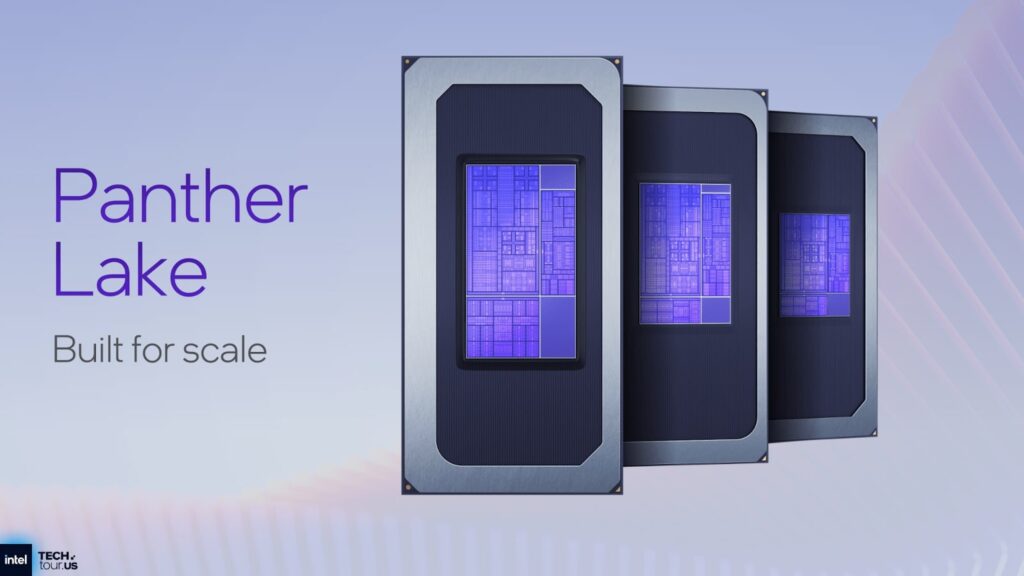
Image Credits: WCCF Tech
- Qualcomm Snapdragon X2 Elite and Extreme are framed around a big NPU headline (up to 80 TOPS), which pushes the “always on, efficient, AI first” laptop narrative even harder.
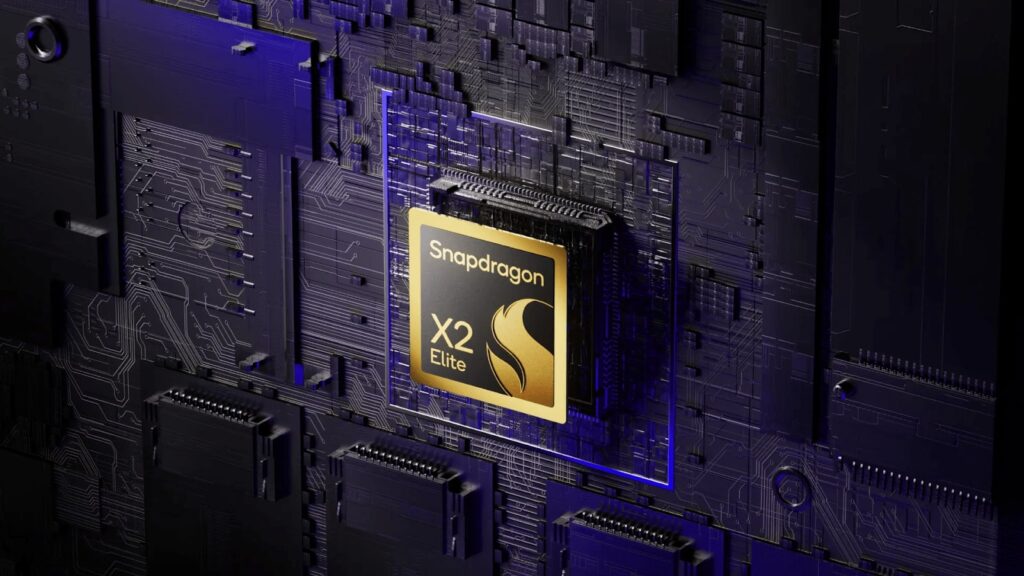
Image Credits: TechReviewer
- OEM messaging is leaning into Windows Copilot+ and on device assistants, with some brands explicitly pitching hybrid approaches like “cloud + on device” AI.
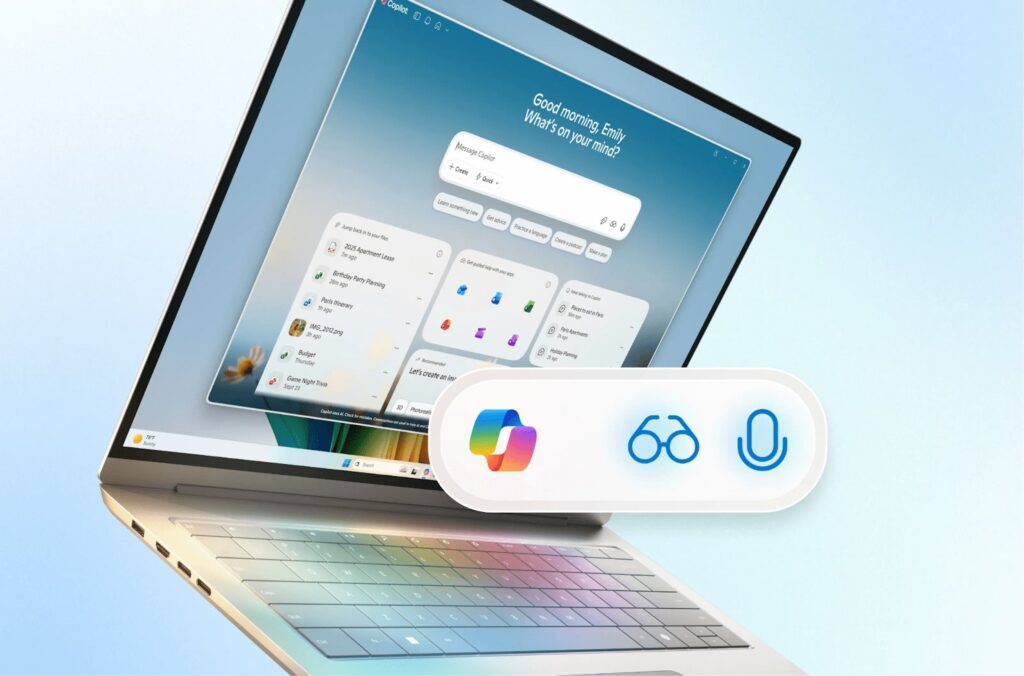
Image Credits: The Verge
Expect a wave of messaging around faster on device creation, smarter background tasks, and real time enhancements in video calls, photo workflows, and productivity. In practice, a lot of machines will feel similar at first glance, so the differentiator becomes the “AI stack” story: the chip, the NPU number, the software layer, and the features that are supposed to make it all feel effortless.
What this means for buyers: you will see more laptops positioned around “everyday AI” and not just premium flagships. And you will see more focus on battery friendly AI, meaning workloads that stay on the NPU instead of hammering the CPU or GPU.
2. Better screens, more premium panels, and higher refresh moving downstream
The display upgrade cycle is accelerating. CES 2026 laptops are expected to lean harder into OLED and AMOLED, and not just as a luxury flex. Higher refresh is becoming part of the default premium checklist, with more 120Hz class panels appearing in thin and light machines.
Examples we are already seeing:
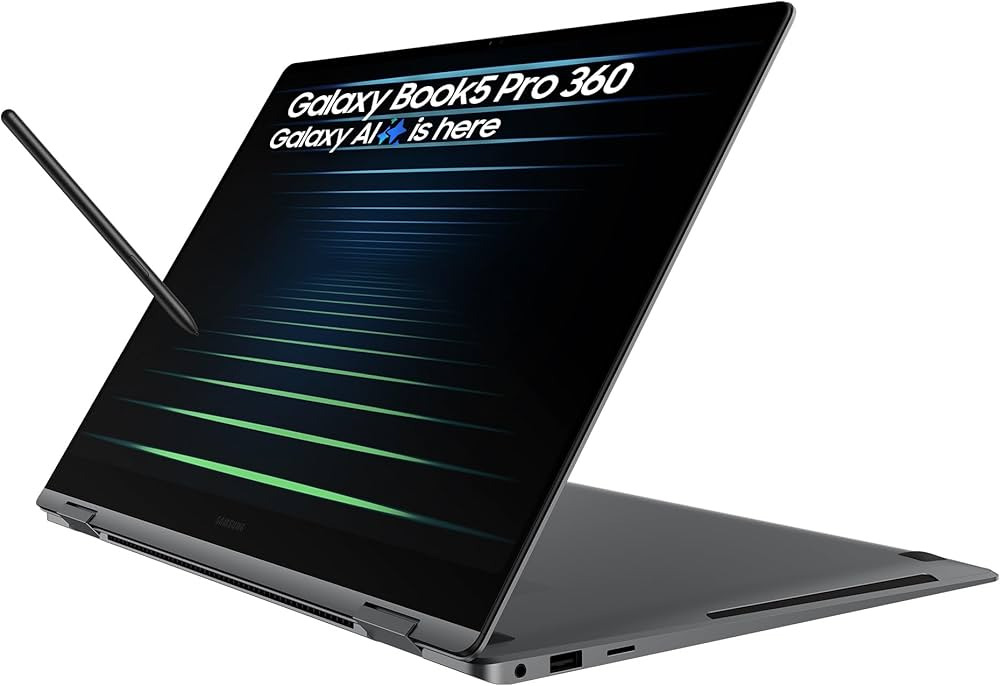
- Samsung Galaxy Book5 Pro 16 pushing an AMOLED 3K 120Hz panel as a centerpiece feature.
- Dell Premium 14 and 16 highlighting optional 4K OLED at 120Hz on both sizes.
- Acer Swift 16 AI calling out a 3K OLED touchscreen as part of its next gen positioning.
LG Gram Pro 16 leaning into an OLED option in the ultra light category.
Resolution is also creeping up in the segments that care about visual quality, with more 3K and 4K options showing up on creator and flagship lines. The bigger story is that laptop brands are treating the screen as the “hero spec” again, because it is the easiest upgrade to feel in five seconds.
What this means for buyers: more laptops that look stunning in a store demo, and more pressure on brands to balance that wow factor with battery life and heat.
3. Longer battery claims, and the tricks behind the numbers
Battery life is back as a front page spec. Expect more laptops at CES 2026 to brag about 20 plus hour class longevity, and to do it with more confidence than the usual marketing fluff. Part of that is platform improvements, but a big part is how aggressively brands are optimizing displays, power profiles, and background workloads.
Examples we are already seeing:
- Samsung Galaxy Book5 Pro 16 claiming 25 hour class battery life.
- Dell Premium 16 pushing up to 27 hours streaming, tied specifically to a power saving 2K panel in that configuration.
- Dell Premium 14 also positioning itself with long streaming claims, which suggests endurance is becoming a core “premium line” promise, not just an ARM laptop talking point.
You will also see battery claims tied to very specific scenarios, like local video playback or streaming, because those are the cleanest benchmarks for huge numbers. Some premium models will pair “all day” endurance with fast charging, while others will go all in on efficiency and lean on power saving panels to stretch runtime.
What this means for buyers: amazing longevity is more achievable than before, but you will want to read the fine print on how those numbers were measured.
What to expect by category
Thin and light AI laptops
This is where CES 2026 will feel the most crowded, because almost every brand has a reason to refresh. The common playbook is simple: slim chassis, a big NPU headline, and a display that looks expensive the second you open the lid.
Examples already in the mix:
- LG Gram Pro 16: OLED, ultralight positioning, and a clear focus on on device plus cloud AI experiences.
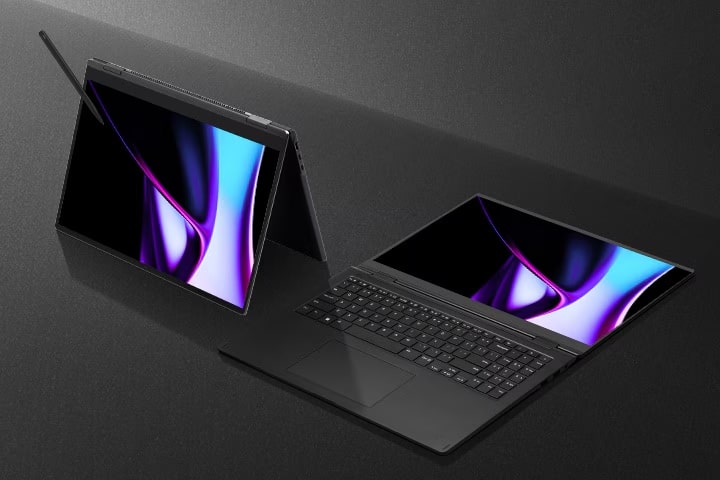
Image Credits: LG
- Acer Swift 16 AI: early Panther Lake positioning with a 16 inch 3K OLED touchscreen, thin and light build, and modern connectivity.

- HP OmniBook 5 series: Snapdragon powered “AI PC” angle with efficiency and long battery life as the core message.

Premium productivity and creator flagships
This category is about “do everything” laptops that want to replace a desktop for a lot of people. Expect more premium builds, more high end screens, and more optional discrete graphics.
Examples:
- Dell Premium 14 and 16: optional 4K OLED at 120Hz, Wi-Fi 7, Thunderbolt 5, and the 16 inch model positioned with optional RTX 50 series graphics.

- The same line also shows how brands will frame endurance: big streaming or playback numbers tied to specific screen configurations.
Closing: CES 2026 is the year laptops get practical upgrades again
CES 2026 is not shaping up like a single “one weird laptop” show. It looks more like a coordinated shift across the whole market, and that is a good thing.
The message from early signals is consistent: bigger on device AI engines, better screens that feel premium the moment you open the lid, and battery life claims that are bold because the underlying efficiency is actually moving forward.
If you are shopping this year, the smartest way to read CES coverage is to treat specs as a story, not a scoreboard.A higher NPU number only matters if it turns into features you will use.
A prettier OLED panel only matters if it still fits your battery and brightness needs.
And a 25 hour claim only matters if you know what settings and scenario it was measured in.

