


In 2026, looking expensive is less about wearing recognizable labels and more about how an outfit comes together. The difference can be as subtle as a sleeve hitting the right point, trousers breaking neatly over a shoe, or a jacket sitting cleanly on the shoulders. When proportions feel right, and every piece looks intentional, even simple clothing can appear remarkably polished and considered.
That shift has made personal style more interesting, too. Instead of relying on logos or head-to-toe designer pieces, modern dressing rewards better textures, thoughtful layering, structured accessories, and silhouettes with character. The result is a quieter kind of luxury that feels personal rather than purchased.
Fortunately, you can create that effect with clothes you already own and a few smarter styling decisions. The trick is knowing which details have the most impact and how to combine them without making the outfit feel forced.
Here are 9 styling tips to make your outfits look expensive in 2026…
#1. Tailor the Clothes You Already Own
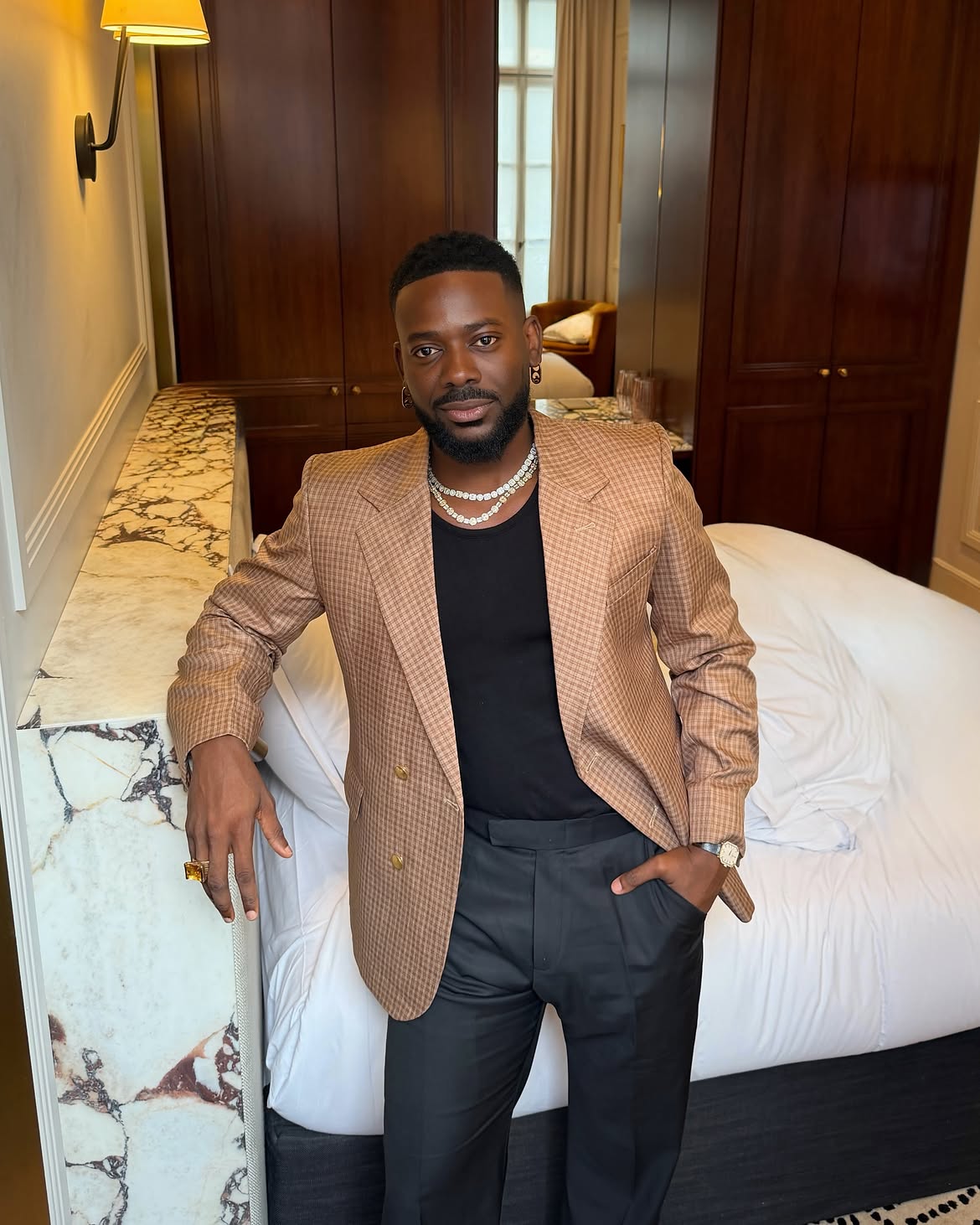
The fastest way to make an outfit look more expensive is to improve its fit. Even well-made clothing loses its impact when sleeves extend too far, or trousers collapse around the ankles. Off-the-rack garments are made for broad sizing categories, not your exact proportions. As a result, small alterations can create the custom appearance normally associated with far more expensive clothing.
Start with the Highest-Impact Alterations
You do not need to rebuild your entire wardrobe at a tailor. Instead, identify the garments you wear most often and examine how they sit on your body. A well-fitted blazer, pair of trousers, or button-down shirt can transform several outfits at once. Therefore, spend your alteration budget on pieces that already have good fabric and construction.
The shoulder is the first place to examine on structured jackets because it controls the garment’s entire silhouette. Ideally, the shoulder seam should sit close to the natural edge of your shoulder without extending dramatically beyond it. Sleeves should also finish around the wrist bone, leaving enough shirt cuff visible beneath a tailored jacket.
Trousers deserve similar attention because excessive fabric around the ankles can make otherwise polished clothing look careless. Depending on the silhouette, the hem should either skim the shoe or create a deliberate break. Avoid accidental pooling around the footwear. A clean hem gives the entire lower half of an outfit a sharper, more deliberate finish.
Know What Tailoring Can and Cannot Fix
Tailoring works best when you start with clothing that already has decent proportions and construction. A tailor can shorten sleeves, adjust trouser hems, refine waistlines, and make modest changes to the shape. However, dramatic alterations can compromise the garment’s original balance. For that reason, buy the closest possible fit before relying on alterations to perfect it.
A simple shirt can benefit enormously from having excess fabric removed through the sides. Likewise, trousers that fit comfortably through the waist may look considerably sharper after their legs receive a subtle taper. These changes do not need to create a skinny silhouette. Instead, they should allow the garment to follow your natural shape without clinging to it.
The same principle applies to outerwear. A coat that overwhelms your frame can make expensive fabric appear ordinary, while a properly proportioned coat creates immediate authority. Before buying something new, therefore, consider whether a tailor could improve an existing piece. Often, the smartest upgrade is already hanging in your wardrobe.
#2. Build the Outfit Around Proportion, Not Labels
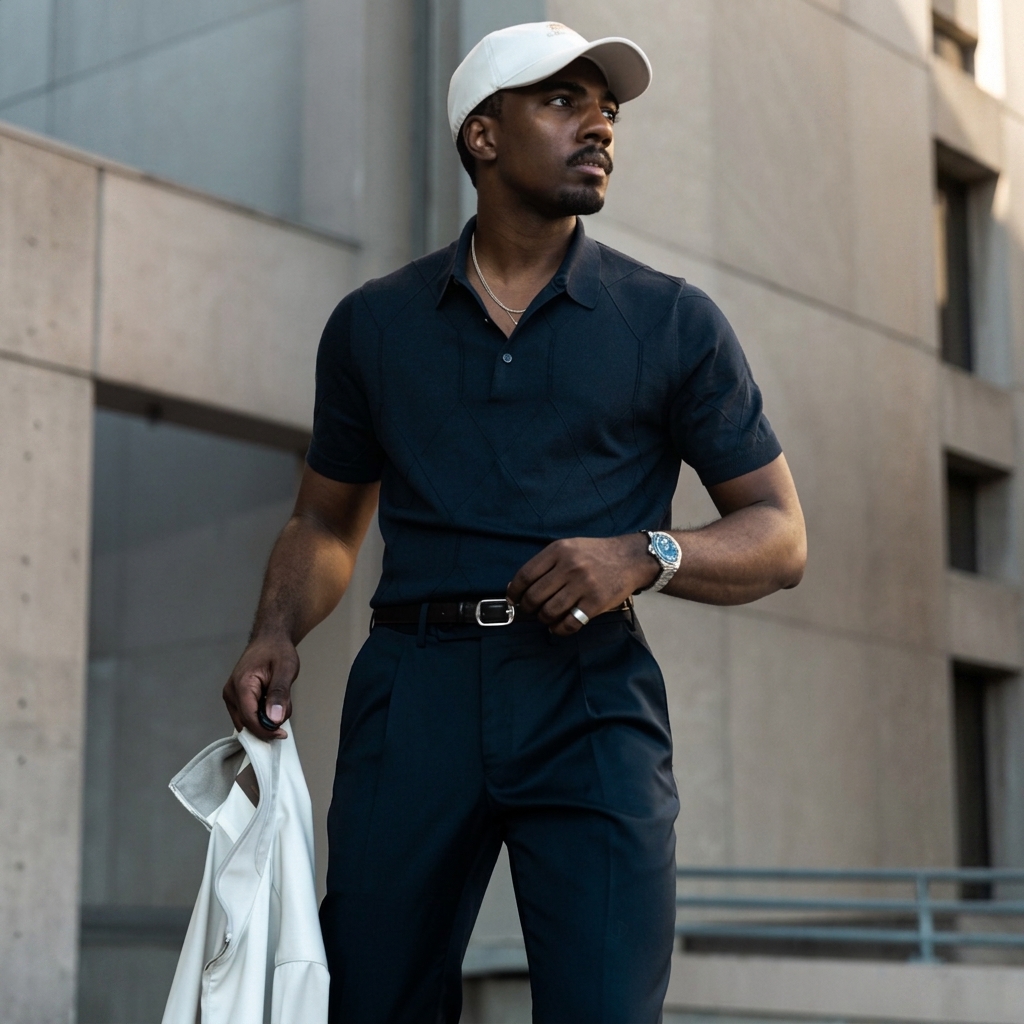
Once your clothes fit properly, the next step is understanding how individual pieces relate to one another. Expensive-looking outfits usually have a deliberate relationship between volume, length, structure, and visual weight. A beautifully made jacket cannot rescue an outfit where every piece competes for attention. Proportion creates harmony, and harmony often reads as sophistication before anyone notices the label.
Learn to Balance Volume
One of the easiest ways to improve proportion is to avoid dressing every part of your body in the same volume. An oversized top with equally oversized trousers can work, but it requires greater control over the silhouette. Otherwise, the outfit can appear shapeless. Pairing a relaxed piece with something more streamlined often creates a cleaner visual balance.
Consider wide-leg trousers with a relatively neat knit, tucked shirt, or cropped jacket. The generous trouser shape becomes the statement while the upper half provides structure. Conversely, an oversized blazer can work beautifully with straight-leg trousers or a slimmer base layer. The goal is not restriction. Instead, create enough contrast for each silhouette to remain visible.
Use the Rule of Thirds
The way clothing divides your body can dramatically influence how polished an outfit appears. A shirt worn untucked with low-rise trousers can create a horizontal division around the middle. A tucked shirt with higher-rise trousers changes that relationship and gives the outfit a longer, more intentional line. Small adjustments can therefore change the entire impression.
This does not mean every outfit needs high-waisted trousers or a tucked shirt. Rather, understand where your visual breaks occur and decide whether they flatter the silhouette. A belt, a cropped jacket, a tucked knit, or a longer coat can each alter those divisions. Consequently, proportion becomes a styling tool rather than a rigid fashion rule.
Create Contrast Between Structured and Relaxed Pieces
Luxury dressing rarely depends on everything looking perfectly formal. In fact, some of the most convincing outfits combine opposing qualities. A structured blazer can feel more contemporary over a relaxed T-shirt, while fluid trousers can gain definition from a sharper jacket. That tension prevents the outfit from looking overly coordinated or as though every item came from the same set.
When choosing proportions, step back and consider the entire silhouette rather than individual garments. Look at the outfit from head to toe and identify where the eye naturally lands. If everything feels equally oversized, fitted, dark, or detailed, introduce contrast. The strongest outfits often feel balanced because nothing is fighting to become the sole focal point.
#3. Make Fabric Do More Work
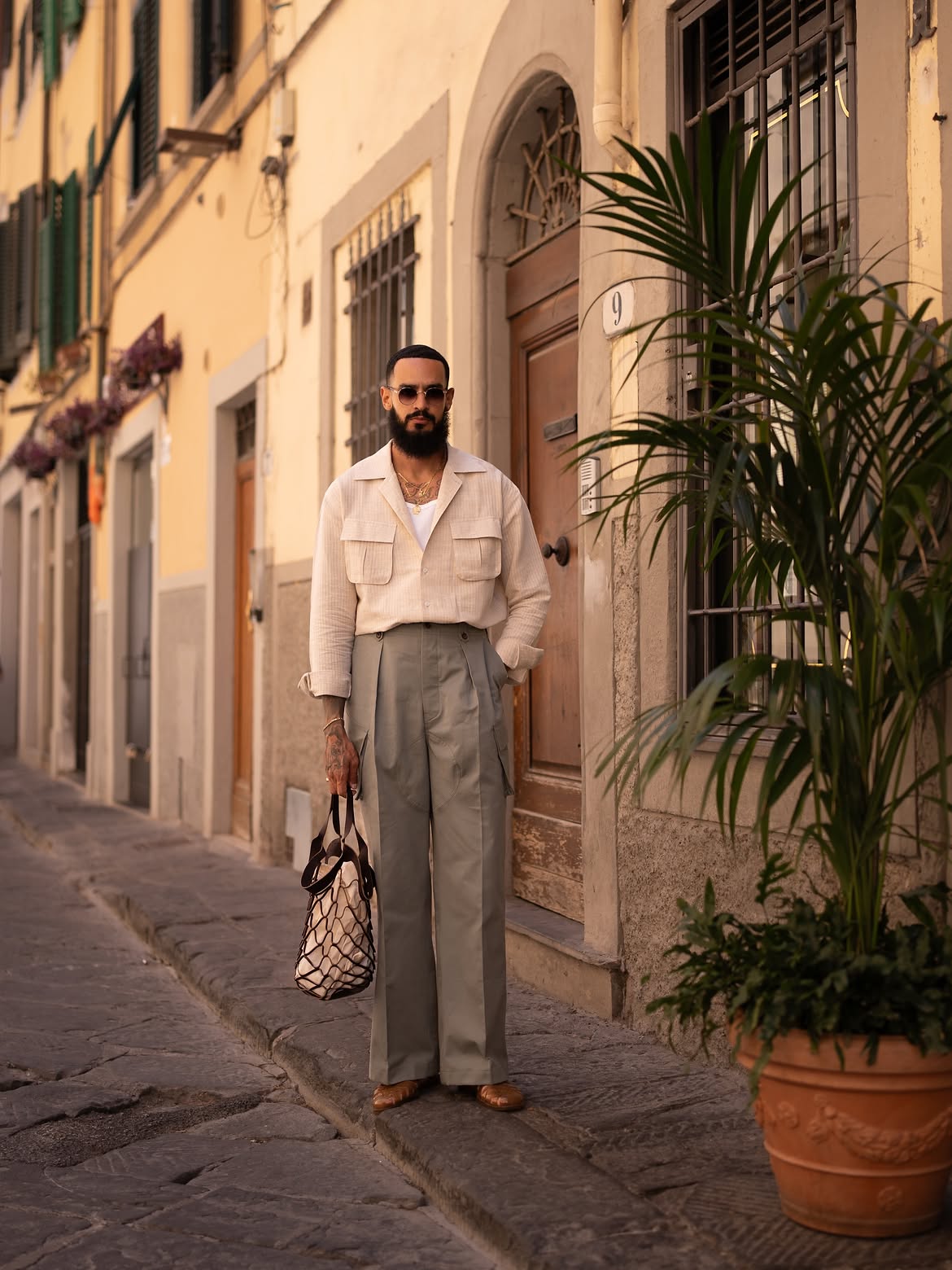
Fabric is one of the quietest ways to make an outfit appear sophisticated. Two garments can share almost identical colors and silhouettes yet look completely different because their surfaces reflect light differently. Wool, suede, cotton, linen, leather, silk, and textured knits each create their own visual language. When combined thoughtfully, those differences give even simple outfits considerably more depth.
Mix Textures Within the Same Color Family
Texture becomes especially powerful when you are dressing monochromatically. An all-black outfit can look flat when every piece has the same finish. Introduce a matte wool trouser, smooth cotton shirt, textured knit, or softly polished leather shoe, and suddenly the same color becomes much more dimensional.
The principle works with lighter palettes, too. Cream trousers can sit beautifully beneath a chunky oatmeal knit and a smooth leather jacket. Similarly, different shades of brown become far more interesting when suede, wool, cotton, and leather appear together. The colors remain restrained, but the textures prevent the outfit from becoming visually lifeless.
Combine Rough and Smooth Textures
Contrast also creates a sense of intention. A rugged suede jacket can look particularly refined against crisp cotton trousers because the opposing textures make each other more noticeable. Likewise, a substantial wool coat can sharpen the appearance of a lightweight knit or smooth leather shoe. These combinations create richness without requiring obvious decoration.
You can also use texture to soften formal clothing. A tailored suit in a smooth worsted wool can feel more relaxed when paired with a textured knit rather than a traditional dress shirt. Conversely, a casual denim outfit can appear elevated beneath a finely woven wool coat. The contrast makes the clothing feel styled rather than simply assembled.
Prioritize Fabric Quality Over Fabric Price
Looking expensive does not require buying the most expensive material available. Instead, pay attention to how a fabric hangs, feels, holds its shape, and responds to light. Natural and blended fabrics can both work well when their weight and construction suit the garment. A simple cotton shirt with excellent structure can look more refined than a heavily branded shirt made from poor material.
Most importantly, examine the fabric in context. Lightweight linen may look beautiful in warm weather, but can become too casual for certain settings. A dense cotton overshirt can provide more structure, while wool brings softness and visual weight. By learning how different fabrics behave, you can build outfits that feel considered without relying on conspicuous luxury.
Edit Before You Leave
Before walking out the door, take a final look at the complete outfit rather than inspecting individual pieces. Ask whether every accessory contributes something useful. If a necklace, scarf, bracelet, or additional layer feels unnecessary, remove it and compare the result.
This final edit can dramatically improve visual clarity. The goal is not minimalism for its own sake. Rather, you want each element to have enough space to register. When several accessories perform the same visual function, keeping the strongest one usually produces a cleaner result.
Develop a Signature Element
Personal style becomes more convincing when an outfit contains something that feels genuinely connected to the wearer. It could be a vintage watch, a particular pair of glasses, a recurring color, distinctive footwear, or a piece of jewelry with personal significance. Such details create individuality without requiring dramatic experimentation.
A signature element also helps prevent your wardrobe from feeling like a collection of disconnected trends. You can experiment with silhouettes and colors while maintaining one recurring visual thread. Over time, that consistency becomes recognizable. More importantly, it makes your clothes feel like an expression of personal taste rather than a response to whatever happens to be fashionable.
Never Sacrifice Comfort for Appearance
There is also a practical reason expensive-looking outfits tend to appear relaxed. When clothing is uncomfortable, the wearer becomes visibly conscious of it. Constantly adjusting a tight jacket, pulling down a short shirt, or struggling with restrictive trousers can make even beautiful clothing look awkward.
Before leaving home, sit down, walk around, raise your arms, and check how everything moves. Clothing should maintain its shape without restricting normal movement. When the fit is right and the outfit feels natural, confidence becomes part of the styling. That ease is difficult to manufacture, and it often provides the final ingredient that makes an outfit feel genuinely sophisticated.
Featured image: GIANLUCA GATTA via @akinfaminu/Instagram
See More
Source link

