


There is something about a truly good vitamin C serum that makes a skincare routine instantly more sophisticated. A few drops in the morning can bring fresh-looking brightness to tired skin, while consistent use may help improve the appearance of dark spots, uneven tone, and lingering marks left behind by breakouts. It has earned a permanent place on bathroom shelves, not simply as another beauty trend, but as one of the most recognizable ingredients for achieving a more radiant-looking complexion.
The appeal becomes even stronger when hyperpigmentation enters the picture. Dark spots can be stubborn, and finding a formula that addresses discoloration without irritating or overwhelming the skin can take some trial and error. Research suggests that topical vitamin C may have pigment-lightening effects, although the available evidence is still limited, and visible results require patience.
Vitamin C is also far from one-size-fits-all. There is pure L-ascorbic acid, oil-soluble derivatives, gentler forms, varying concentrations, and formulas paired with ingredients such as vitamin E, ferulic acid, peptides, niacinamide, and other antioxidants. Your skin type, tolerance, budget, and skincare goals all play a role in finding the right formula.
How Does Vitamin C Help with Hyperpigmentation?

Vitamin C is best known for its antioxidant and brightening properties, but research has also examined its potential to reduce the appearance of pigmentation. A systematic review of clinical studies found evidence that topical vitamin C can lighten treated areas of pigmentation. However, researchers noted that the available evidence remains limited and that longer-term research is needed.
That makes vitamin C better viewed as a consistent brightening step rather than an overnight solution for dark spots. The form of vitamin C matters, too. L-ascorbic acid is the pure form, while derivatives such as tetrahexyldecyl ascorbate and sodium ascorbyl phosphate are often used in formulas designed around stability, texture, or gentler application.
Concentration matters, but a higher percentage isn’t automatically the right choice for every complexion. Skin tolerance, formulation quality, and consistency all deserve attention. From cult classics to clever affordable alternatives, these 22 vitamin C serums bring different approaches to one of skincare’s most beloved brightening ingredients.
Here are 22 vitamin C serums for hyperpigmentation…
#1. SkinCeuticals C E Ferulic
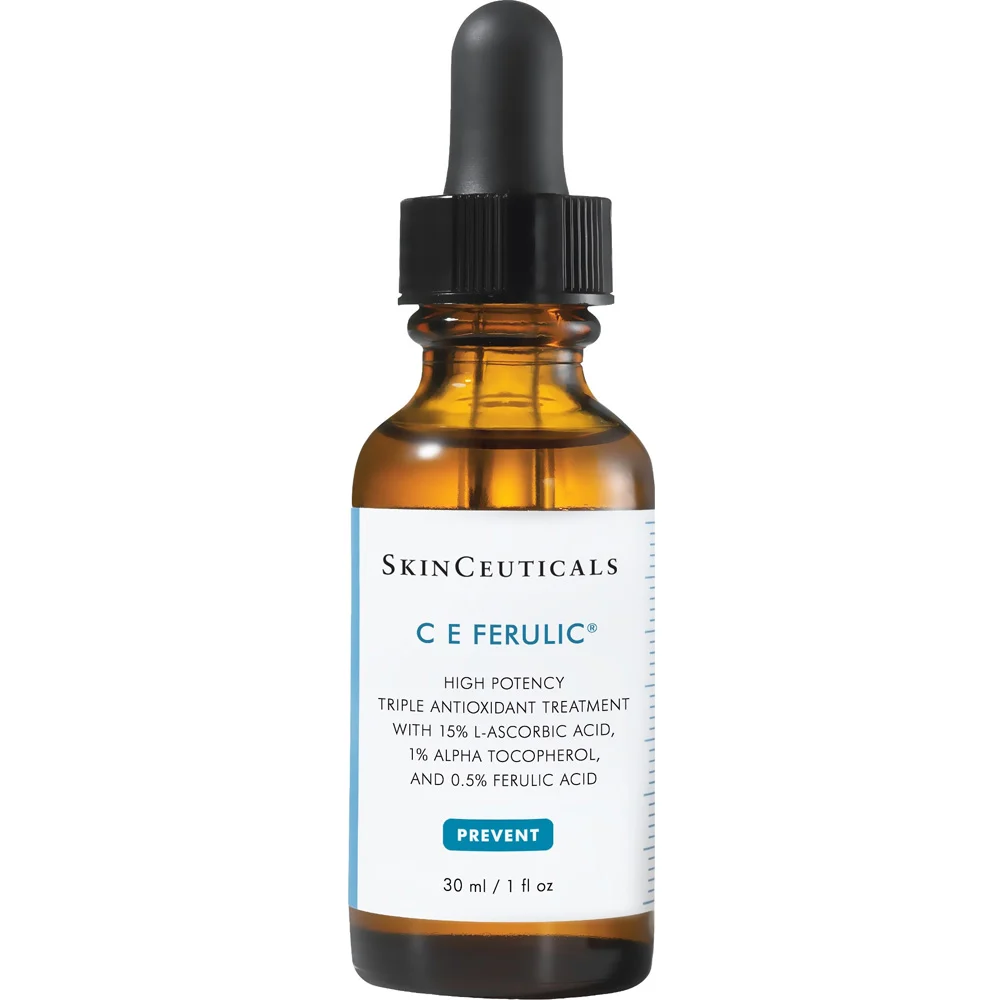
Few vitamin C serums have achieved the beauty-world status of SkinCeuticals C E Ferulic. Its combination of 15% L-ascorbic acid, vitamin E, and ferulic acid has made it one of the most recognizable antioxidant formulas in skincare. The formula is designed to provide antioxidant protection while improving the appearance of dullness, uneven tone, and visible signs of environmental stress. Its reputation has also been reinforced by beauty editors and industry testing, with Allure naming it a standout after testing numerous vitamin C formulas.
Of course, the price is part of the conversation. C E Ferulic sits firmly in the luxury skincare category, especially when there are now countless more affordable vitamin C options available. Still, for someone who wants the classic vitamin C, vitamin E, and ferulic acid combination in a highly established formula, it remains a compelling splurge.
#2. Revision Skincare C+ Correcting Complex 30%
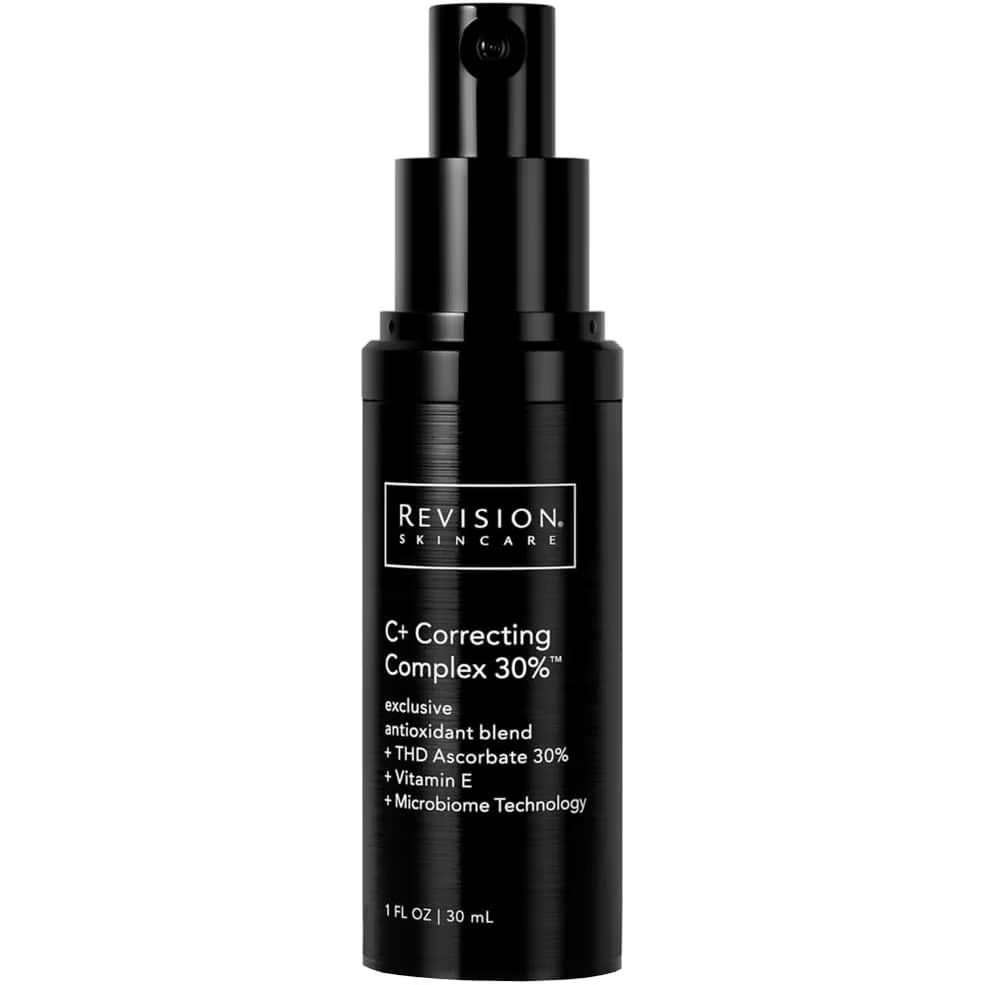
Revision Skincare C+ Correcting Complex 30% takes a more intensive approach to vitamin C. Its high-potency formulation targets visible discoloration and signs of aging, making it particularly interesting for anyone whose main concern is uneven-looking skin. The formula has earned attention from beauty publications for its pigmentation-focused benefits, with Forbes Vetted highlighting it among its top vitamin C recommendations for hyperpigmentation and Allure featuring it for the appearance of acne scars.
Its strength makes it better suited to experienced skincare users than to someone completely new to active ingredients. If your skin tends to react easily, introduce a high-strength vitamin C product gradually rather than assuming that a larger percentage will automatically deliver better results.
#3. Ole Henriksen Banana Bright 15% Vitamin C Dark Spot Serum
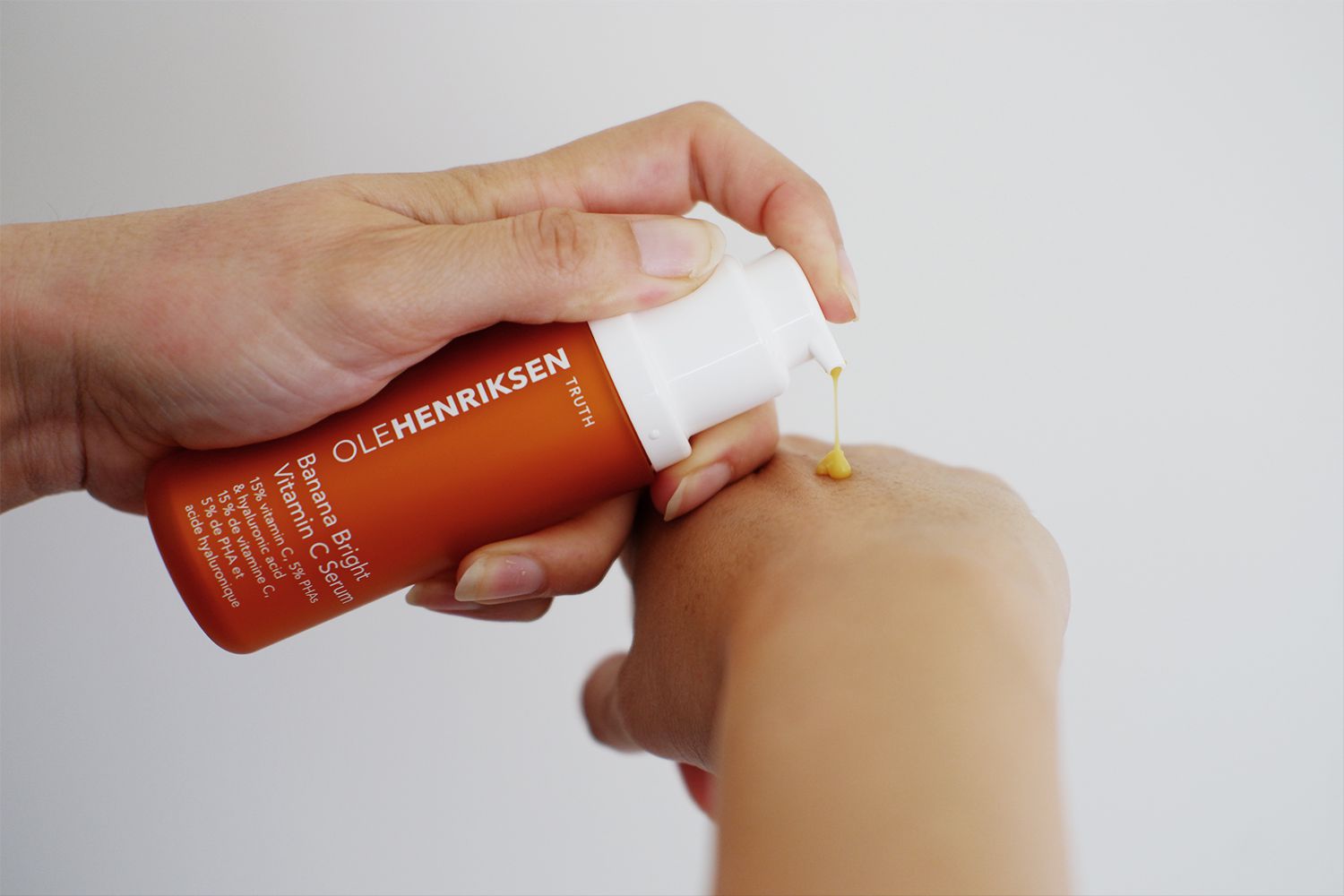
Ole Henriksen’s Banana Bright 15% Vitamin C Dark Spot Serum brings a playful personality to a serious skincare category. With 15% vitamin C, the formula is designed to improve the appearance of dark spots while giving dull-looking skin a more luminous finish.
Its appeal lies in its ability to address more than one complexion concern at a time. Skin can look tired because of uneven tone, lack of radiance, or lingering discoloration, and a brightening serum can become a useful addition to a morning routine. Apply it consistently and follow with sunscreen during the day. If your complexion is sensitive to active ingredients, introduce the serum slowly and monitor how your skin responds.
#4. Paula’s Choice C15 Super Booster
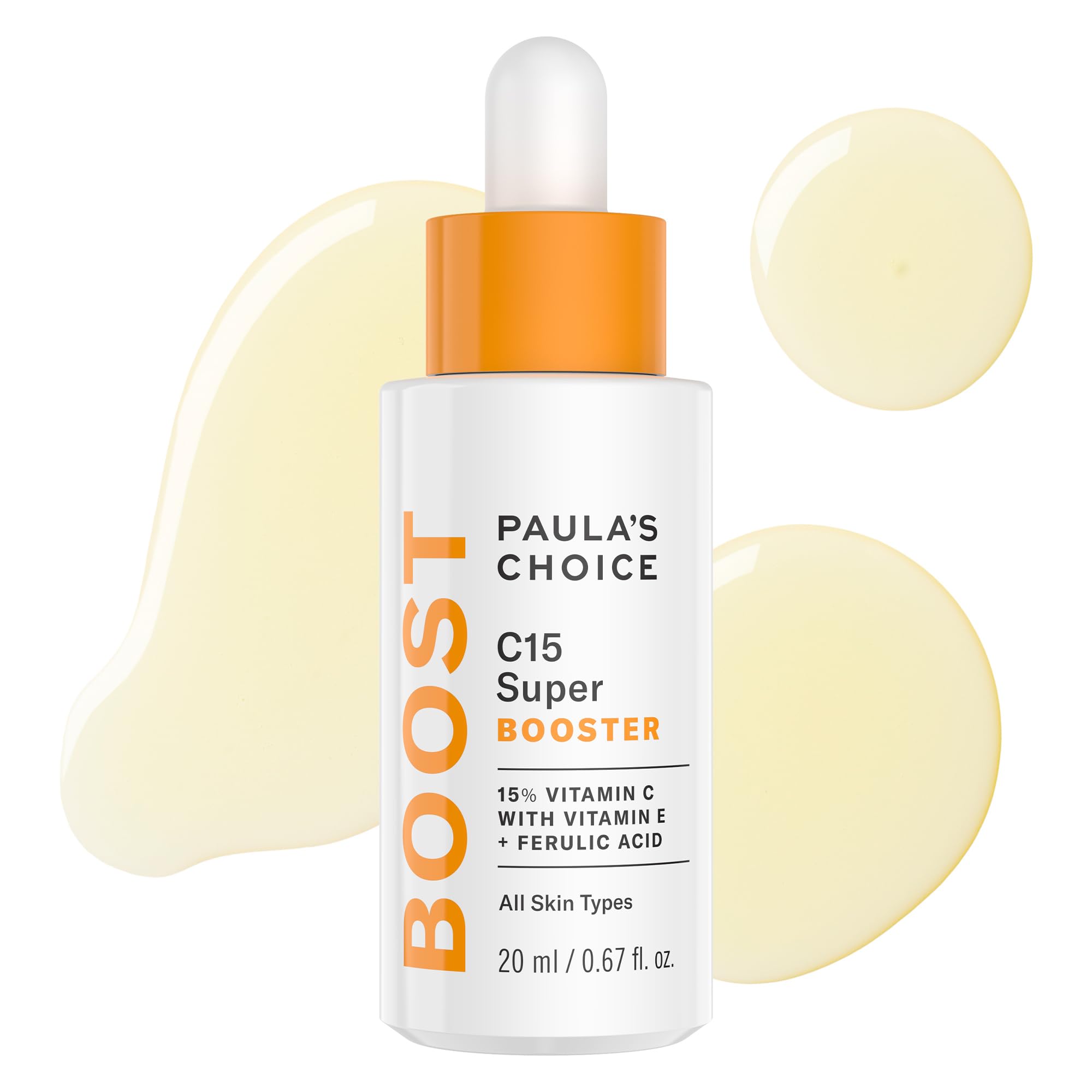
Paula’s Choice C15 Super Booster is a particularly attractive option for anyone who wants a lightweight vitamin C formula with a well-established antioxidant combination. It contains 15% L-ascorbic acid alongside vitamin E and ferulic acid, creating a formula designed to improve the appearance of uneven tone, texture, and visible signs of aging. Allure has also highlighted it as one of its recommendations for dark spots.
The texture is another reason it works so easily in a morning routine. It layers comfortably beneath moisturizer and sunscreen without making skincare feel unnecessarily complicated. You can use it on its own as your vitamin C step or incorporate it into a more comprehensive routine.
How to Use Vitamin C Serum for Dark Spots
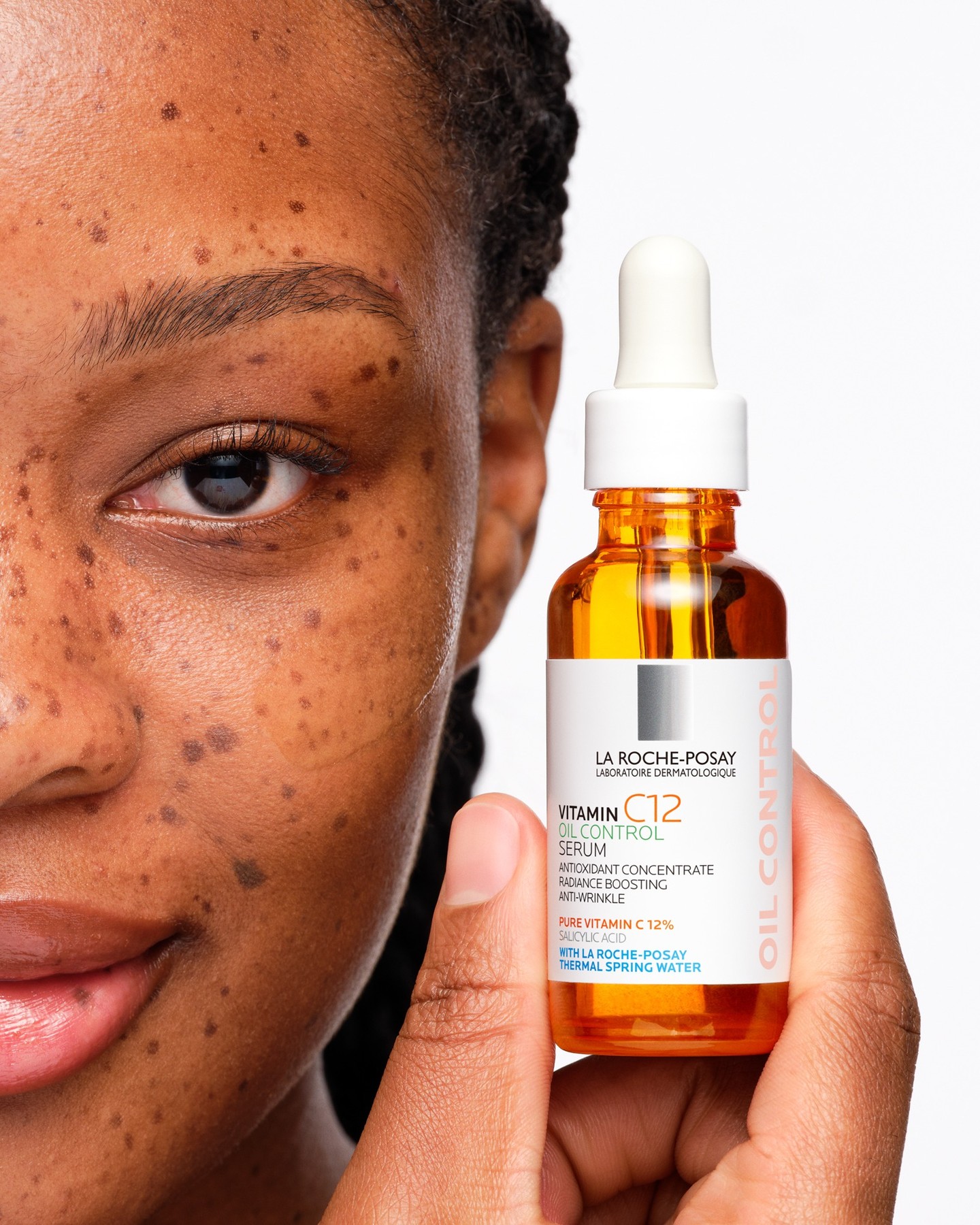
Vitamin C generally fits easily into a morning skincare routine. Start with a gentle cleanser, apply your vitamin C serum to clean, dry skin, then follow with moisturizer if needed. Finish with broad-spectrum sunscreen. That final step is essential. Sun exposure can contribute to pigmentation, so skipping SPF while trying to improve dark spots can work against your skincare efforts.
You also do not need to drench your face in serum. Follow the product’s instructions and use the recommended amount. If you are new to vitamin C, introducing it a few times per week can help you assess your skin’s tolerance. You can increase the frequency if your skin responds well. Always follow the directions for the specific product you are using.
Avoid piling multiple strong acids, retinoids, and brightening treatments onto your skin at once. Excessive irritation can trigger inflammation and potentially worsen post-inflammatory hyperpigmentation.
How Long Does Vitamin C Take to Fade Dark Spots?
Patience is one of the most important parts of any pigmentation routine. Vitamin C is not a filter that instantly erases discoloration. Research suggests that topical vitamin C can help improve pigmentation, but noticeable changes may require consistent use over time.
Give a new serum several weeks of regular use before deciding whether it deserves a permanent place in your routine. Taking progress photos in similar lighting can also make subtle changes easier to notice. If pigmentation is persistent, spreading, rapidly changing, painful, or not improving with over-the-counter skincare, consider seeing a dermatologist. A professional can help determine what is causing the discoloration and recommend treatments suited to your skin.
The Bottom Line
The best vitamin C serum is not necessarily the one with the biggest percentage on the bottle or the highest price tag. What matters more is finding a formula that suits your skin, fits comfortably into your routine, and is easy enough to use consistently. From the iconic SkinCeuticals C E Ferulic and Paula’s Choice C15 Super Booster to accessible picks from e.l.f., L’Oréal Paris, Naturium, and TruSkin, there is no shortage of ways to bring vitamin C into your skincare lineup.
And when hyperpigmentation is the concern, think beyond the serum alone. Consistency, patience, and daily sunscreen are just as important as the product you choose. Give your routine time, keep irritation in check, and let that brighter, coveted glow build gradually.
Featured image: PeopleImages/iStock
See More

