


It’s always a good time to decide to take stock of your finances and set out on achieving your goals. Whether you need a financial do-over or to simply fine-tune your money management skills, there are plenty of great books worthy of a spot on your shelf.
But before you choose the personal finance book that’s best for you, consider these key things:
- Your financial stage — Whether you’re just starting out or trying to rebuild your credit, zero in on a book that addresses the life stage you’re in right now. This increases the odds that the advice will apply to you — not to mention, motivate you.
- Actionable advice — While reading stories about other people’s experiences is interesting, it won’t feel relatable if it’s not accompanied by actionable tips that you can put into practice in your own financial life.
- A credible expert — There are thousands of personal finance books out there and unfortunately, many of them are written by authors with little to no formal education, training or experience in money management. Research the author of your title before you commit to making sure they’ve got the chops to back up their claims. Bonus if you find a book by an expert who also includes advice from other, reputable experts.
These are 15 top finance books that fit the bill, each with its unique approach, takeaways and point of view. Most are available in audio as well as print and some are available via e-readers.
From $18 at Amazon
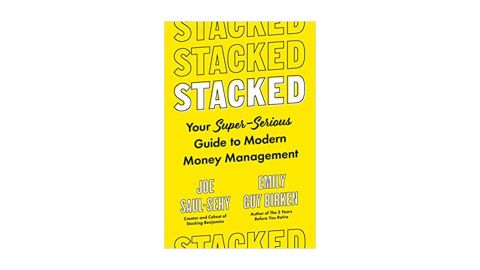
Perfect for college grads, twenty-somethings and anyone who wants to make a financial fresh start, “STACKED” is a hilarious romp through the basics of money management. Saul-Sehy, host of the popular podcast Stacking the Benjamins, and Guy-Birken, a finance coach, suggest creative tips such as drawing your goals rather than writing them down, and unique ways to have sticky conversations about budgeting with your partner. Each chapter ends with a list of personal money milestones to check off your to-do list, so you feel like you’re not just reading about taking control of your money, you’re doing it.
From $18 at Amazon
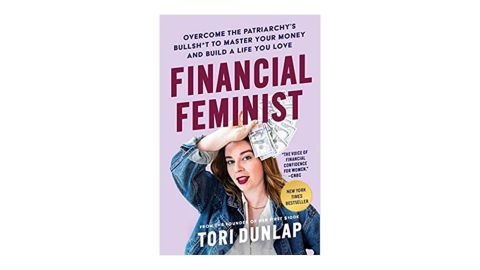
Released in December 2022, “Financial Feminist” is already sitting tight on the NY Times bestseller list. At just 28, Dunlap’s credits include launching Her First $100K, a financial education platform for women, and hosting the popular business podcast that inspired the book, also called the Financial Feminist. In her breakout book, she tackles the reasons why money is a source of anxiety, especially for women, diving deep into the ways women tend to be raised to think and act around money as compared to men. The book works hard to dismantle the feeling of shame that women often feel around the idea of deciding to be rich. Journaling prompts and expert interviews that don’t tiptoe around touchy topics, such as predatory lending practices, round out the reasons people love her approach. One reviewer credited the author for making “paying off debt and setting up a plan for saving realistic, while talking about where your money mindset comes from and how you can change it.”
From $27 at Amazon
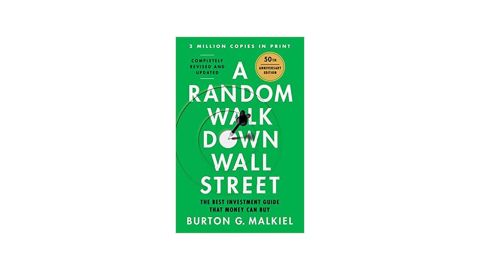
If you’re looking to demystify the concept of investing in the stock market, the recently released 50th-anniversary edition of this book could be perfect for you. It provides a deep dive into investments, specifically Malkiel’s random walk hypothesis, which argues that asset prices typically exhibit signs of a random walk — in other words, no one can expect to outperform market averages on a regular basis. An economics professor, a former director at Vanguard, and a former dean of the Yale School of Management, Malkiel’s musings are best for self-described finance geeks who want to dive deep into investing from soup to nuts.
From $23 at Amazon
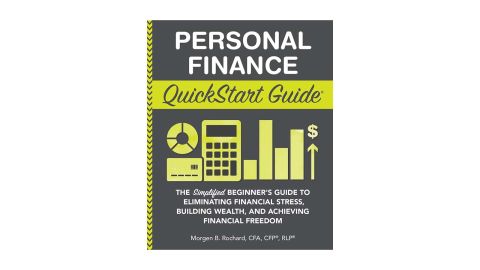
One reviewer called this book the “starting point that will carry you to retirement,” adding that “it’s worth every dollar.” Another said they “gained confidence and assurance in my ability to be financially free.” It’s an ideal choice for beginners trying to find their footing on their quest for long-term financial security. The first half of the book explains how to assess net worth, set goals and identify obstacles, while the second half is focused on making your money work for you. It explains the different types of investments, how inflation impacts your finances and the role that taxes, insurance, debt and more play in our ability to save.
From $16 at Amazon
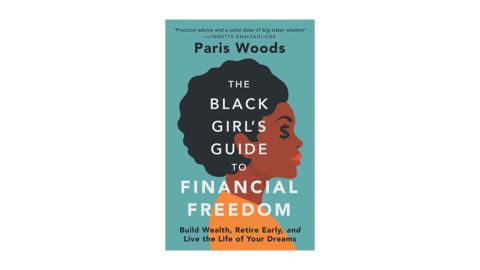
Ideal for beginner money managers, this book educates women on building wealth, retiring early and achieving financial freedom. Author Paris Woods, a first-generation graduate of Harvard University and an educator at some of the country’s top universities, taps into her personal experience to make the concepts more relatable, including how she dealt with student loans, credit scores and her first big purchases. One reviewer said it was one of the most accessible finance books she’d read, adding, “Woods ends each chapter with key learnings, concrete next steps and learning resources to help make large financial goals attainable within the limits of your comfort.”
From $14 at Amazon
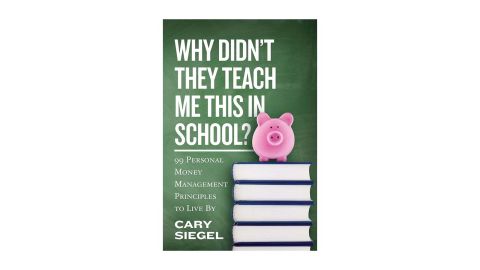
Today’s students are required to learn English, math and science, but when it comes to money management, they often reach adulthood with little to no education. If you’ve got a young adult in your midst, this is the perfect first finance book. Easy to read and focused on eight key principles that emphasize the key money management rules to live by, Siegel shares personal life lessons about budgeting, saving, credit card debt and more. The advice is simple and practical, shared via the lens of the author’s own financial journey. Everything is concise, straightforward and easy to absorb in small increments while riding the train, waiting for your latte or in between classes.
From $13 at Amazon
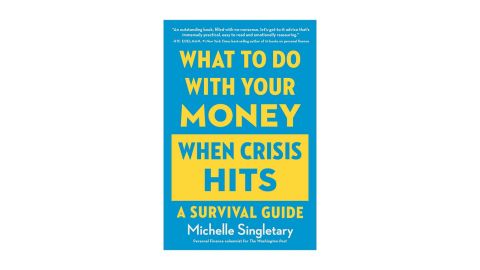
The brains behind the nationally syndicated finance column, “Money Matters,” in The Washington Post, Singletary breaks up this book into sections that make it easy to home in on your personalized obstacles to money management. A big believer in paying necessities, debt and only then everything else, Singletary’s book has been credited for serving a range of readers from those struggling to live within their means to those who’ve managed to squirrel away funds for a rainy day and even retirement.
From $15 at Amazon
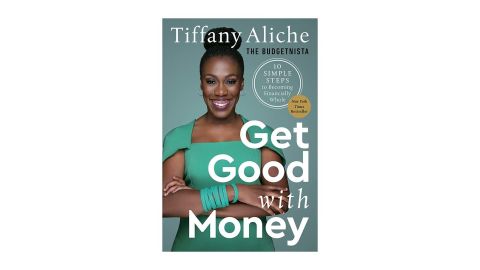
This former New Jersey preschool teacher found herself in dire straits when a recession and a bad investment left her with close to nothing. In “Get Good with Money,” the self-proclaimed “Budgetnista” and host of the top-rated podcast Brown Ambition lays out the 10 steps she took to crawl out of her financial hole, including determining your bare essentials, which she refers to as “getting your noodle on,” creating a system for expenses and identifying whether the problem is that you don’t make enough or you spend too much. There’s also plenty of advice for taking control of your credit score, which charts a path to home ownership and so much more, and how to save for your — and your family’s — future. Her biggest takeaway: Taking care of your financial health is an act of self-care, much like anything else you do for yourself.
From $13 at Amazon
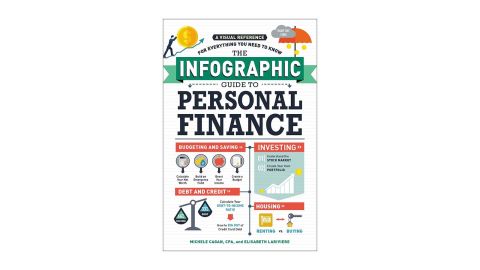
If you’re a visual thinker and learner, you’ll love the plethora of charts and graphics that bring money management to life in “The Infographic Guide to Personal Finance.” This illustrated guide makes it easy to dive into complicated topics, hence it’s a great option for anyone in their 20s and 30s who wants to get their financial life off the ground on the right foot. From how to build emergency funds to how to choose health insurance and taxes, the visual storytelling aims to help you stay within the budget, plan, make solid investments and more.
From $13 at Amazon
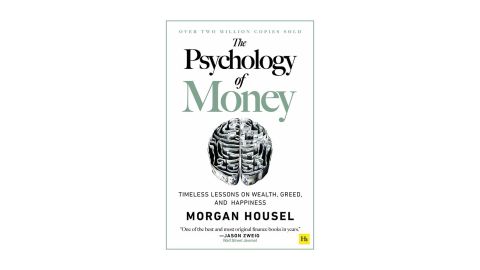
Rather than set up chapters about the different aspects of money management and investing, Housel shares 19 short, relatable stories that shine a light on all the ways people think about money. His argument is that managing money right is less about how much you have or what you know and more about how you behave in your everyday life, exploring the strange ways people think about money and teaching you how to make better sense of one of life’s most important topics. Read it like a novel and discuss it with your friends and family over dinner.
From $6 at Amazon
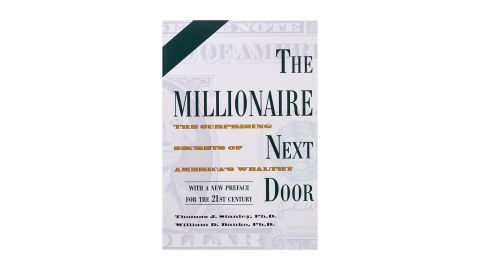
Ever wondered how millionaires become millionaires? How did they grow up? What do they spend their money on? How did they choose their occupations? All these questions and more are answered in this longtime bestseller by researchers who spent a significant amount of time studying the nuances of US households with a net worth of $1 million. Their conclusion: Most millionaires are found in middle- and blue-collar neighborhoods, not Beverly Hills. By focusing on just seven common traits among those who have accumulated wealth, they’re able to show that you don’t need to be born into wealth or make a fortune in salary to become wealthy.
From $16 at Amazon
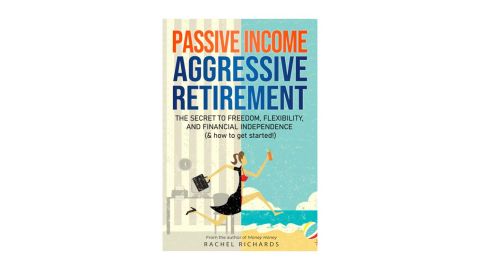
Imagine retiring at 27 with nary a trust fund nor a six-figure salary in sight. That’s Rachel Richards, queen of the trendy catchphrase “passive income stream” and outliner of ways to create said streams without working 80 hours per week, stressing yourself out or worse, driving yourself into debt. Richards homes in on 28 reliable passive income stream models and walks you through each with the help of some of the country’s top finance experts, marking this book as a treasure trove of financial smarts, despite a single name listed as the author. Both entertaining and chock full of valuable insight, one reviewer liked it so much they said, “I read the book over 2 days.” If having maximum flexibility and ditching the proverbial 9-to-5 is your dream, this book’s for you.
From $17 at Amazon
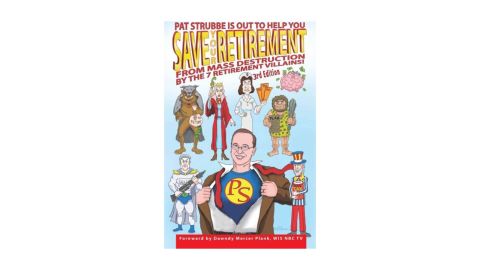
One of the quirkiest personal finance books out there, “Save Your Retirement” features the seven most misunderstood money concepts and turns them into illustrated comic book villains who want to throw you off course. It’s entertaining, easy to digest and perfect for anyone who’s ready to do whatever it takes to set themselves up financially today, tomorrow and beyond. As one reviewer said, “it makes the world of retirement and financial planning accessible and interesting to the average Joe.”
From $8 at Amazon
Experts credit this author for his ability to break down complicated topics into simple, bite-sized pieces, so it’s no wonder this book spent the better part of a decade on the NY Times bestseller list. Now in its 20th-anniversary edition, “Rich Dad, Poor Dad” features dueling perspectives: A friend’s father with humble beginnings who built a lucrative company (aka the “rich dad”), and the author’s own father, a highly educated government employee (the so-called “poor dad”). Each has interesting, relatable lessons to share. Fans love how chapters end with “study sessions” that boil down the most actionable key points.
From $14 at Amazon
When it comes to our personal finances, so much of what we do — and don’t do — is formed out of habit. Whether they’re habits that were modeled to us as children or ones we’ve fallen into, it’s easy to get stuck making the same money mistakes over and over. While not a personal finance book per se, “Atomic Habits” is making waves for its ability to demystify the way we form habits, spending more than three years at the top of the NY Times bestseller list. Clear is an expert on habit formation — what prompts them, why they’re so hard to break and how to create systems that can help you get on track and stay on track. True stories from Olympic gold medalists and real-world business leaders make the book entertaining and easy to read.
Looking for the best overall credit card? Find out which cards CNN Underscored chose as its best credit cards to consider right now.
Get all the latest personal finance deals, news and advice at CNN Underscored Money.

