


Smart homes in 2026 move beyond voice commands and individual gadgets, evolving into intelligent environments that anticipate needs, manage energy, enhance security, personalize comfort, and support health without being asked.As AI shifts the home from reactive to intuitive, daily decisions quietly disappear replaced by systems that understand intent and patterns.Yet beneath the convenience lies a deeper tension about control, ownership, and how much of our lives we’re willing to hand over to the platforms shaping the future of smart homes.

The surprise is how quickly you forget what life was like before. It happens in small ways. One evening you come home late, tired in the untidy sort of way that settles into your shoulders. You drop your bag at the door and pause. The lights are already set to the warm tone you prefer after dark. Music begins to play softly. And for a moment, you feel like someone has been looking after things while you were gone.
Later, you realize what actually happened. The home did not guess. It did not follow a preset routine. It recognized a pattern.
None of this feels like a sci-fi future. It feels ordinary. And that is exactly the point.
By 2026, smart living stops being something you notice and starts being something you rely on. Not as spectacle. Not as novelty. But as infrastructure, the quiet reality shaping the future of smart homes.
When the Home Stops Waiting for Instructions
For most of its short history, the smart home has operated on commands. You speak. It responds. You tap. It acts. Every interaction starts with an explicit instruction.

In 2026, that model breaks.
Instead of waiting for full commands, systems interpret partial intent. People interrupt themselves mid-sentence. They change requests halfway through. They speak casually instead of precisely. Language becomes messy. The system still understands.
This shift is driven by the integration of large language models into home operating systems. Voice assistants stop behaving like isolated tools and begin functioning as intent routers. One request flows across lighting, climate, appliances, screens, energy, and security as a single interpreted action.
A question like “What should I cook tonight?” is no longer a search prompt. It becomes a connected process. The fridge checks available ingredients. The system suggests a meal. The oven preheats. The calendar adjusts for prep time. None of this requires the user to manage each step.
This is not about making things faster. It is about removing coordination work.
At that moment, the most meaningful upgrade in smart living is not what the home can do. It is how much fewer decisions the user has to make in order for it to happen.
What Actually Changes in Daily Life in 2026
For years, smart homes have been defined by features. A new device. A new function. A new app. The change is no longer about what gets added. It is about what quietly disappears from daily effort. Tasks that once required attention, setup, and constant checking begin to run on their own. Energy manages itself. Security filters itself. Climate corrects itself. Supplies reorder with guidance instead of memory. Health adjusts through the environment instead of through screens.
What follows is not a list of futuristic promises. These are the specific areas where daily life changes first, with real products already laying the foundation and 2026 marking the point where they become standard rather than experimental.
Energy Becomes a Financial System, Not a Utility Bill
Energy used to be something you reacted to after it happened. You opened a bill, scanned the number, and adjusted your behavior too late for it to matter.
That relationship breaks when storage and pricing intelligence move into the home. Systems like Tesla Powerwall, Sonnen Home Battery, and EcoFlow PowerOcean already store energy, manage backup loads, and balance consumption across the day. The change in behavior comes when homes respond directly to live grid conditions. Charging, heating water, running appliances, and storing solar energy become price-aware by default.


Image Credits: Tesla, Sonnen Home Battery Source, EcoFlow PowerOcean
The impact is not abstract. Bills stabilize. Outages become interruptions instead of crises. Solar stops feeling like an ideological decision and starts behaving like reliable infrastructure.
Security Shifts from Recording Everything to Understanding Behavior
Classic smart security behaves like an anxious observer. It reacts to everything. A shadow. A passing car. A pet. Over time, people stop trusting the alerts because nothing meaningful stands out anymore.
That changes when cameras stop watching movement and start recognizing patterns. Platforms like Google Nest, Ring with AI detection, Aqara, and Ubiquiti already distinguish people, vehicles, animals, and packages. The next step is contextual awareness. Not just what moved, but whether that movement makes sense right now.

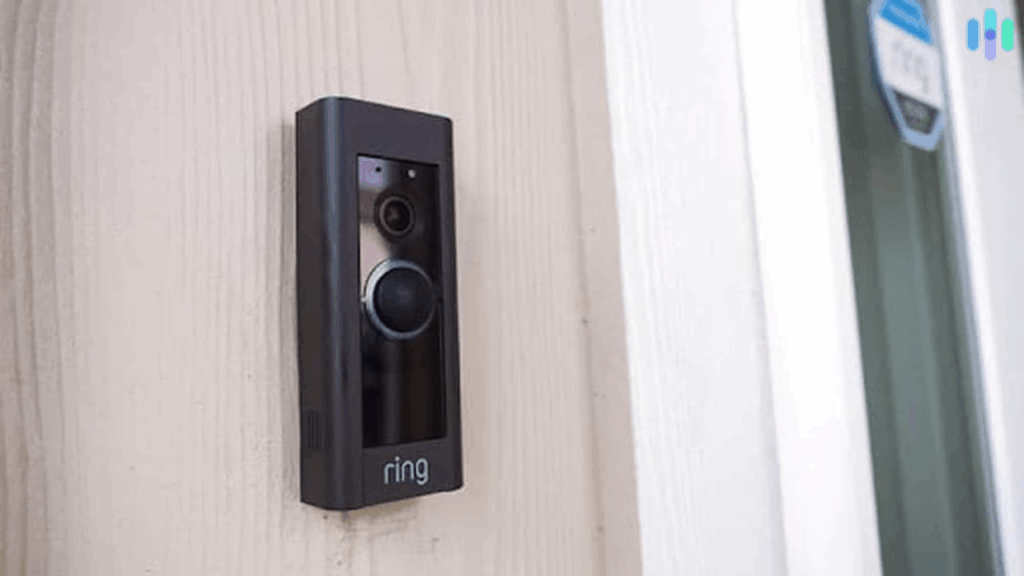
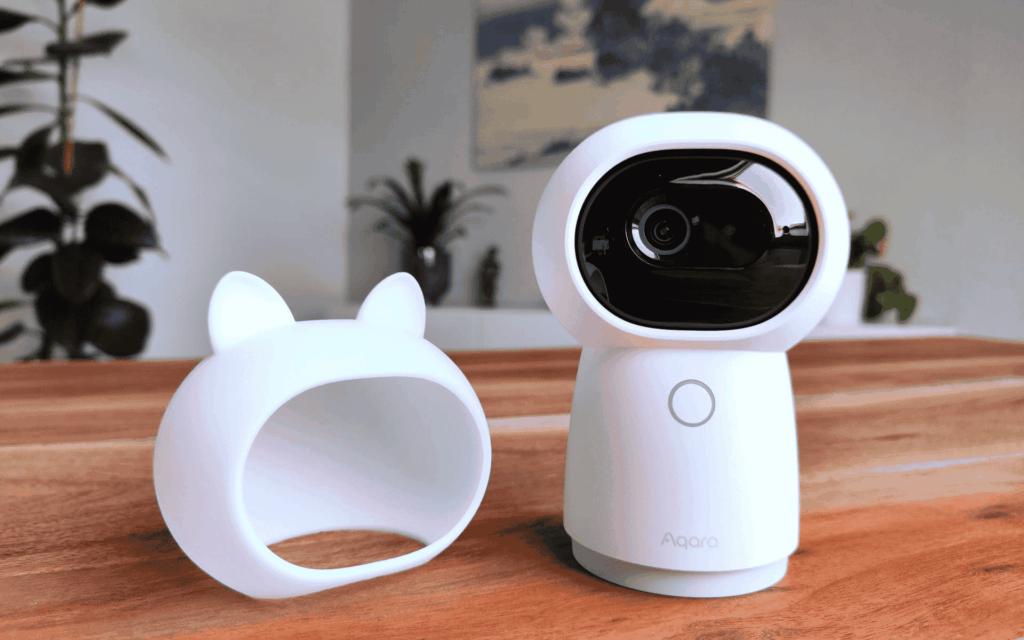

Image Credits: Google Nest Cam, Ring Pro, Aqara, Ubiquiti Protect
The experience becomes calmer. Alerts become rare. And when a notification does appear, it carries weight. Security shifts from background noise to background confidence.
Climate Control Becomes Room-Based Instead of House-Based
One thermostat, one temperature, one compromise. That model has always favored the house over the people inside it.
With room-level control from systems like Ecobee, Tado, Sensibo, and Eve Thermo, temperature stops being a shared argument and starts behaving like a personal setting. The room you occupy adjusts. The rooms you leave rest. Comfort becomes spatial instead of global.
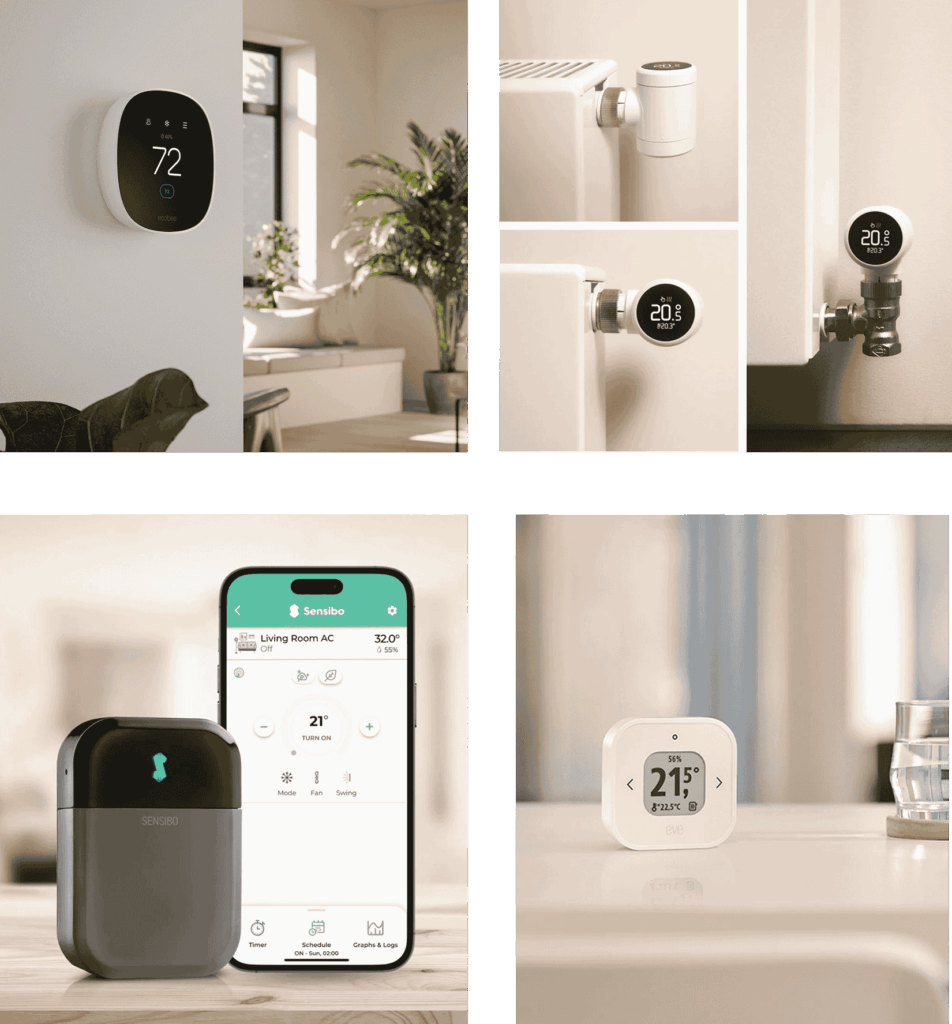
Image Credits: Ecobee , Tado, Sensibo, Eve Thermo
The result is not only lower energy use. It is the disappearance of daily micro-friction. No one needs to negotiate the thermostat anymore. The house stops asking for consensus.
Groceries and Supplies Become Data-Guided Instead of Guess-Based
Most homes still operate on a fragile system of mental notes. Remember the milk. Guess the detergent. Discover what is missing only when it is already gone.
That logic weakens when appliances themselves track real usage. Samsung Family Hub refrigerators, LG ThinQ platforms, and connected washing systems already collect this data. What changes is how it gets used. Instead of showing graphs inside apps, the home begins to surface what actually needs attention.
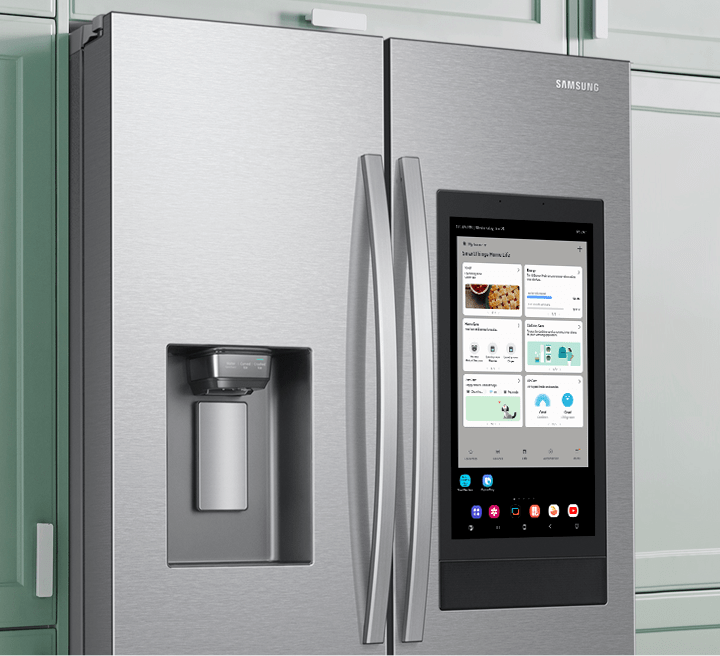

Image Credits: Samsung , LG
Replenishment becomes guided instead of reactive. Panic shopping fades. Waste drops. Stock levels quietly stabilize around real behavior instead of good intentions.
Health Monitoring Moves into the Environment Itself
Health data used to live on bodies and inside apps. You wore it. You checked it. You managed it.
Now it also lives in beds, air systems, and lighting. Withings Sleep Analyzer, Eight Sleep Pod, Dyson air purifiers, and Philips circadian lighting already track sleep quality, breathing patterns, air conditions, and light exposure. The shift is not in what gets measured. It is in who acts on it.

Image Credits: Withings Sleep Analyzer, Eight Sleep Pod, Dyson air purifiers, Philips circadian lighting
The home begins to do the adjusting. Light shifts earlier. Air cleans itself faster. Temperature follows recovery patterns. Health becomes environmental instead of behavioral. You do less. The space does more.
Voice Control Evolves into Intent-Based Control
Early voice assistants trained people to speak like machines. Short commands. Perfect phrases. No interruptions.
That tension fades as language models enter the control layer. With Apple’s new Siri, Google’s Gemini-powered Assistant, and Amazon’s evolving Alexa, people speak naturally again. They pause. They correct themselves. They change intent mid-sentence. The system keeps up.
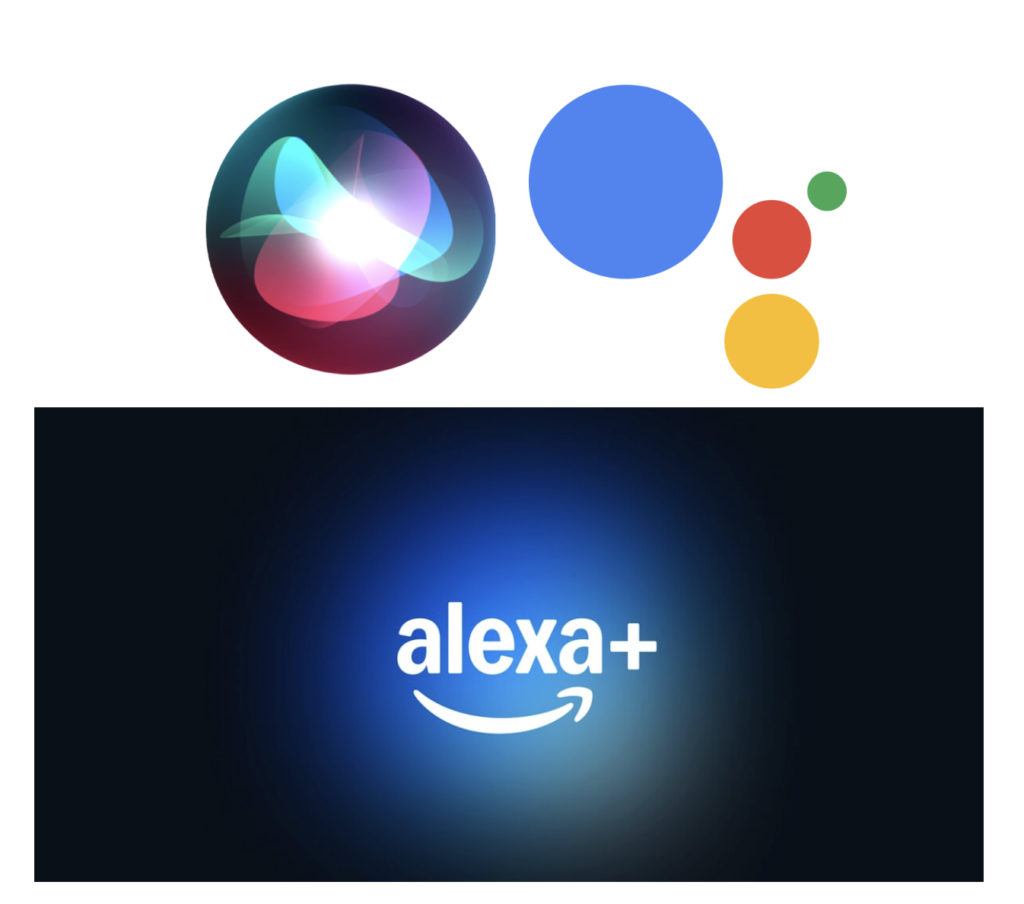
Voice stops being a feature you experiment with and becomes a control surface you rely on. Not for novelty. For coordination.
Where Smart Homes Still Get It Wrong
Every smart home owner eventually meets that moment. You mention you are tired, and the house decides you are done for the day. Lights dim. Music shifts. Climate drops. You were only thinking out loud. The system did exactly what it was trained to do. It just chose the wrong meaning.
This is the fragile edge of intent-based living. The home listens well. It just does not always listen wisely.
Automation can also become the guest that overstays its welcome. A light that insists on turning off while you are still in the room. A thermostat that keeps chasing “optimal comfort” when all you want is to leave things alone. A notification that arrives with perfect logic and terrible timing. None of it breaks the home. It breaks the mood.
And then there is the quiet rebellion.
Some people stop using the automation not because it fails, but because it feels like too much choreography. They leave the switches manual. They turn off half the routines. They choose friction over prediction, not out of nostalgia, but out of certainty. When you flip a switch, nothing is inferred. Nothing is interpreted. It simply obeys.
These moments do not slow the future down. They sharpen it.
They teach designers that intelligence is not about doing more. It is about knowing when to stop. The best smart homes will not be the ones that act all the time. They will be the ones that learn when not to act at all.
Smart homes are getting better at understanding us, but they are still learning when not to act.
But Who Really Controls the Smart Home in 2026?
The question is no longer whether homes are smart. The real question is where control actually lives.
On the surface, control feels personal. You adjust your lighting. You manage access. You choose what runs and when. But behind that layer sits another one that rarely gets attention. Accounts. Cloud services. Subscriptions. Software rules that quietly shape what your home is allowed to do.
Here are a few key pointers that often determine who truly holds the reins:
- Platform dependence: How much of the home’s functionality requires a single vendor’s ecosystem.
- Cloud reliance: Whether critical features stop working without an internet connection.
- Data ownership: Who controls the information generated by devices and automations.
- Feature longevity: Whether updates expand capabilities or remove existing ones.
- Fail-safe behavior: What still works when accounts lapse, servers go down, or services change.
When a home depends on a single platform, control becomes shared by default.
This is not always a problem. Cloud intelligence gives homes the ability to improve without replacing hardware. Systems learn faster. Automation becomes smarter. New features arrive through updates instead of renovations.
But the trade-off is subtle. Ownership shifts from being absolute to being conditional.
Some people will happily accept that exchange. Convenience matters more than control. Others will start asking for systems that continue working even without an always-on connection to a remote service. Local processing. Offline access. Manual control that does not depend on accounts.
This tension is already shaping the next generation of smart homes.
One path treats the home as a managed service that evolves through software. The other treats it as core infrastructure that must always remain under the owner’s control. Most households will live somewhere in between, rarely thinking about the difference until they are forced to.
That is when the question of control stops being theoretical.
The Future of Smart Homes, Rewritten
What began as a collection of gadgets has become something structural. The home is no longer defined by what it does on command. It is defined by what it carries without being asked. Control moves away from screens and settles into behavior.
The proof shows up in ordinary places. Energy stabilizes. Security filters. Climate adapts. Supplies respond to use. Health shapes the environment. Voice becomes practical instead of performative. None of this feels dramatic. It feels normal. That is the point.
At the same time, control shifts beneath the surface. It no longer lives only in the room. It lives in software, services, and systems that decide what persists and what disappears. Some homes become managed platforms. Others remain owner-controlled spaces. Most fall somewhere in between.
This is the real change.
Not smarter devices.
Not louder technology.
But fewer decisions standing between you and your day.
When that friction fades, what remains is not a smart home.
It is simply a better one.

