


If you want to shoot photos or video from the sky, a drone gets you there fast. Nothing beats that first lift-off, when your camera rises above rooftops and trees and the whole scene opens up.
Still, picking one can feel like a chore. Brands flood the market with options. Prices jump. Features blur together. And every few months, a new model shows up with longer flight time, a bigger sensor, or smarter tracking.
DJI rolled out the Mini 5 Pro in September. It brings sharper proximity sensors and a new 1-inch camera sensor, which sounds great on paper. Though, there’s one small detail that might make you think twice. So in my DJI Mini 5 Pro vs. DJI Mini 4 Pro breakdown, I’ll help you figure out which drone makes sense for you.
Related: Winter Olympics 2026 tech guide: Big Air, drones, AI replays, and more
Design and build quality
DJI built the Mini lineup around one magic number: 249 grams. The Mini 4 Pro sticks to that formula, just like the earlier Minis. That weight keeps it in a class with fewer flight rules in many places. In the US, hobby pilots can skip the $5 FAA fee.
The Mini 5 Pro shifts things a bit. DJI lists it at 249 grams, yet some owners say their unit comes in just over 250 grams. That tiny jump can matter. Cross that line and you may face extra rules in certain regions. It’s not a dealbreaker for everyone, but it’s worth a glance before you buy.
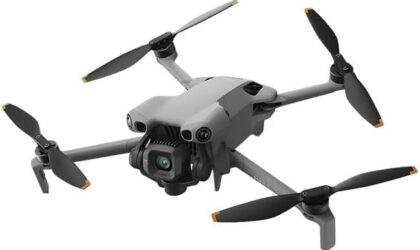
Image Credit: DJI
Camera performance
Here’s where the Mini 5 Pro starts to flex. DJI moves to a 1-inch, 12MP sensor, or 50MP in Quad Bayer terms. That’s a big step up for the Mini line. The Mini 4 Pro runs a 1/1.3-inch CMOS sensor and shoots 4K at 60 fps with HDR, plus 10-bit D-Log M and HLG for rich color.
The larger sensor on the Mini 5 Pro gives you more room to play with light and detail. You’ll notice it in scenes with high contrast or tricky shadows.
DJI also upgrades the gimbal. The Mini 5 Pro supports 225-degree roll rotation and keeps the 9:16 True Vertical Shooting mode. Flip the camera 90 degrees and you get native vertical clips for TikTok or Instagram. No awkward crops. No wasted pixels.
That said, don’t sleep on the Mini 4 Pro. It shoots sharp, vibrant footage right out of the box. If you want that cinematic look, I recommend using a set of ND filters. They help you control shutter speed and keep motion blur smooth when the sun beats down. For photos, you won’t need ND filters unless you shoot in harsh sunlight and need to darken the image without a big shift in your camera settings. Video plays by other rules. If you film up close and want natural motion blur, ND filters make a lot of sense.
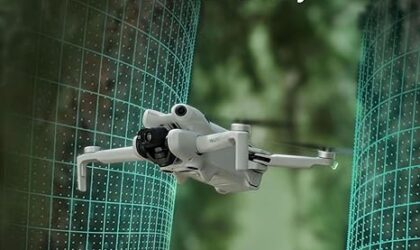
Image Credit: DJI
Flight and safety features
Both drones promise a 20 km range on paper. In real life, most pilots won’t push anywhere near that limit.
The Mini 5 Pro feels steady in the air. Tracking works well. Waypoints run without drama. Hover stays locked in. If you’re new to drones, you’ll feel at home fast. If you’ve flown for years, you’ll spot the extra power right away.
It flies faster than the Mini 4 Pro and handles wind with more confidence. Climb speed doubles, which helps when you need to clear trees or buildings. DJI also refines ActiveTrack 360 for tighter subject lock, and the Mini 5 Pro uses omni sensing plus a front LiDAR sensor to spot obstacles in low light.
The Mini 4 Pro relies on vision sensors and GPS to hold position. It does the job well. Many owners praise its stable hover and smooth control.
Battery life
On paper, the Mini 5 Pro squeezes out a bit more flight time. The standard battery can reach 36 minutes in ideal conditions, compared to 34 minutes on the Mini 4 Pro. Add the Battery Plus and DJI claims up to 52 minutes.
Real life tells a different story. Turn on the camera and expect around 20 minutes with the standard battery. That lines up with what many Mini 4 Pro pilots see, too. Specs look great in a chart, but wind, movement, and camera use eat into that number fast.
Price and availability
DJI Mini 5 Pro
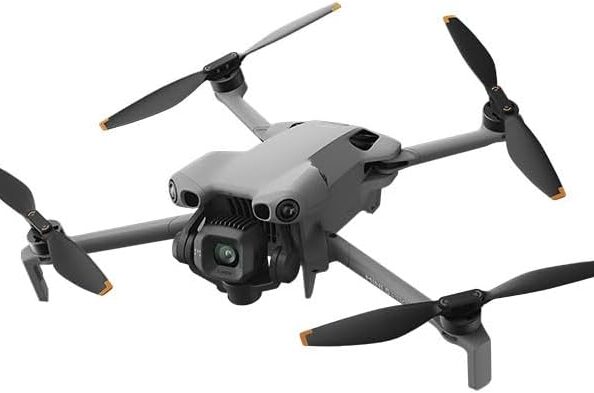
Image Credit: DJI
DJI Mini 4 Pro
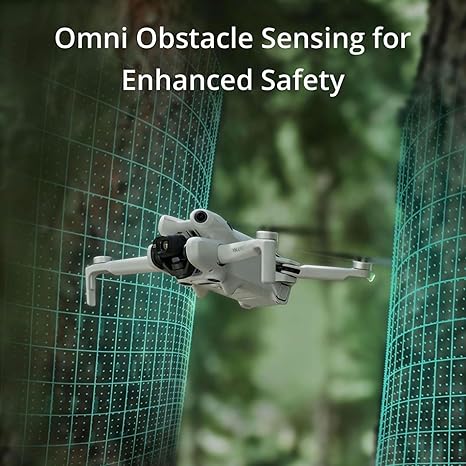
Image Credit: DJI
DJI still dominates the US drone market, but new FCC rules block the next wave of certain models. Drones that hit the market before December 23, 2025 and hold FCC approval can still sell in the US.
The Mini 5 Pro ($759) launched in October and holds approval, so you can still find it on Amazon if you live in the US. The Mini 4 Pro ($759) also remains on sale since it already cleared the FCC.
Parting thoughts
After looking at both drones, here’s what I think. If you care most about image quality, the Mini 5 Pro stands out with its larger 1-inch sensor and improved camera features.
The Mini 4 Pro still holds a lot of value, though. It stays under the 249-gram limit, delivers sharp, vibrant footage and photos for most uses.
Therefore, choosing between them comes down to what you prioritize. If you want the best camera and extra features, the Mini 5 Pro makes sense. If you want a solid, reliable drone without worrying about extra rules, the Mini 4 Pro is a strong option. I think both drones work well—you just have to decide what matters most to you.
Grigor Baklajyan is a copywriter covering technology at Gadget Flow. His contributions include product reviews, buying guides, how-to articles, and more.

