


There used to be a rule about phones. You picked your poison. Want the best camera? Carry a brick of a battery. Want a screen that lasts two days? Live with a sensor that panics after sunset. Every flagship was a deal you made with yourself, a list of things you agreed to give up.
Then 2026 happened, and the deal fell apart.
This is the year phones stopped saying no. Batteries blew past 7000mAh. Camera sensors swelled to a full inch, the kind of glass that used to live inside a proper camera. Screens learned to hide what you are reading from the person next to you. And the smartest software moved off the cloud and onto the chip in your pocket. The result is a class of phones so capable that the hardest part of buying one is admitting you do not need most of what it can do.
Here is who won the year, what makes each one special, and why the phones coming in 2027 might make all of them look quaint.
The flagship that has everything
Start with the obvious one. The Samsung Galaxy S26 Ultra is the phone that shows up when you type “best phone” into your brain.
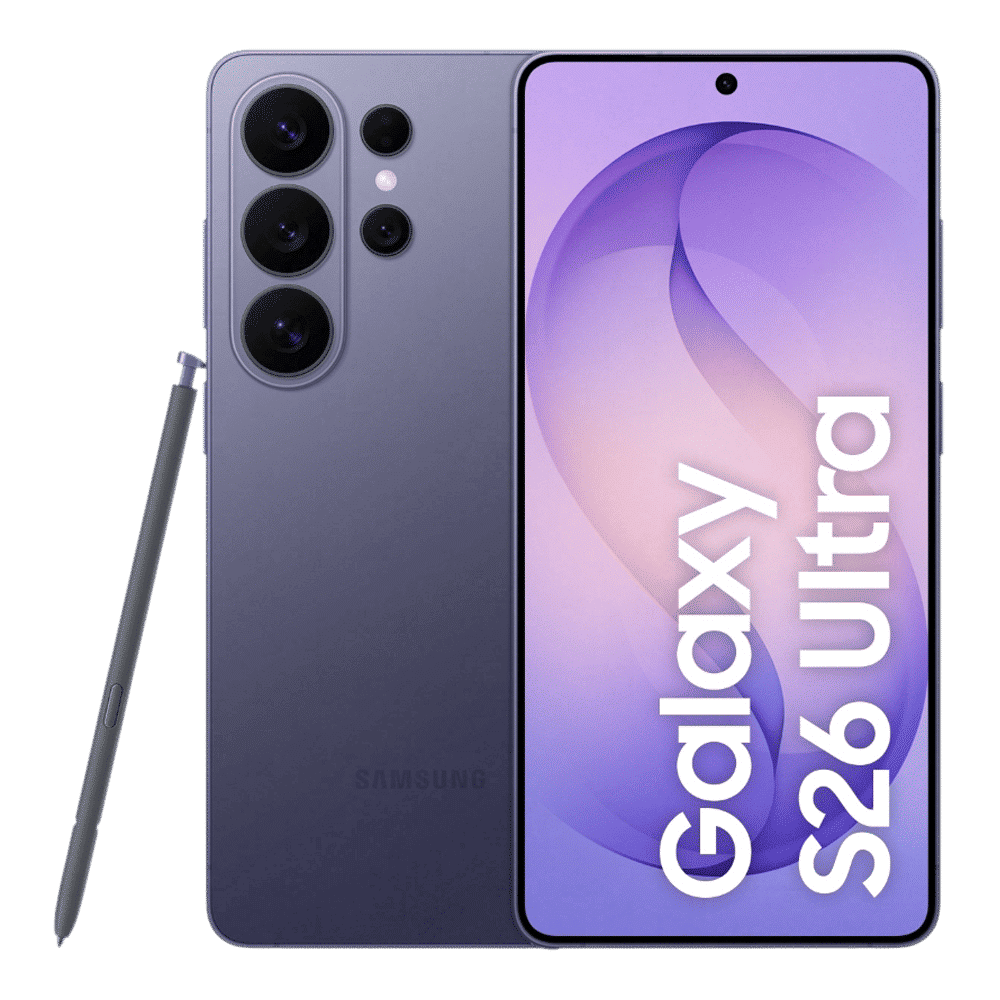
It runs the new Snapdragon 8 Elite Gen5 in the US (a custom version tuned for Galaxy) and a fresh Exynos 2600 in much of the rest of the world. The 6.9-inch screen is a gorgeous QHD+ panel that slides between 1 and 120Hz to save power, and it has a trick none of its rivals can match. Samsung built a Privacy Display straight into the panel. Tilt the phone away and the image dims for anyone trying to peek, so your bank app stays your business on a crowded train. It is the rare hardware feature that feels genuinely new.
The cameras are a four-lens spread led by a 200MP main sensor, backed by a 5x periscope and a 3x telephoto. Image quality is excellent, with cleaner low-light shots than last year. It is not the very best camera of 2026, and we will get to who took that crown, but it is the most flexible. Few phones can frame a wide landscape, a portrait, and a far-off rooftop with this little fuss.
Battery life is the quiet brilliance here. The cell is a modest 4855mAh by 2026 standards, yet clever efficiency squeezes out around 17 hours of real work on a charge. Charging tops out at a leisurely 45W, which is the one place rivals leave Samsung behind.
It launched in February at $1,299 and quickly slid to street prices a few hundred dollars lower. If you want one phone that does everything well and fumbles almost nothing, this is it. You pay for the privilege.
The camera nerd’s dream, and the one that beat it
Now for the phones built around the lens.
The Xiaomi 17 Ultra is what happens when a company decides the camera comes first and the rest of the phone follows.
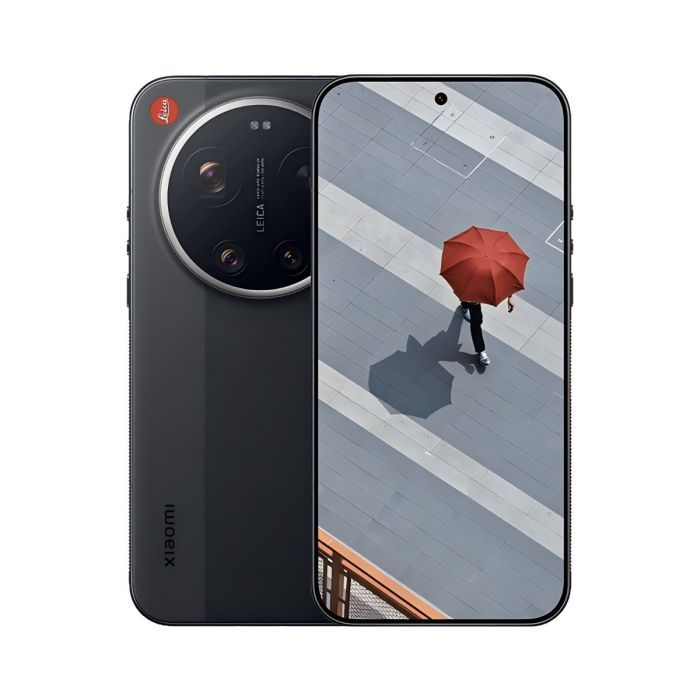
The headline is a 50MP main sensor on a true 1-inch piece of glass, co-engineered with Leica, sitting next to a 200MP periscope telephoto. That is camera hardware that used to require a strap and a separate bag. Photos come out rich and detailed with the natural color tuning Leica fans chase. The score from the testing labs landed near the top of the entire year.
Around that camera, Xiaomi wrapped a serious phone. The 6.9-inch screen hits a blistering 3500 nits at its peak, bright enough to read in direct summer sun. A 6000mAh battery handles two to three days of light use, and 90W charging refills it before your coffee cools. The trade-off is heft. All that sensor and cell make for a chunky phone with a camera bump you will feel in your palm.
It arrived in late February at around 1,499 euros, with spring deals knocking real money off. Buy it if photos are the reason you reach for your phone.
Here is the twist. The camera that topped every chart in 2026 did not belong to Xiaomi or Samsung. It belonged to the Vivo X300 Pro.
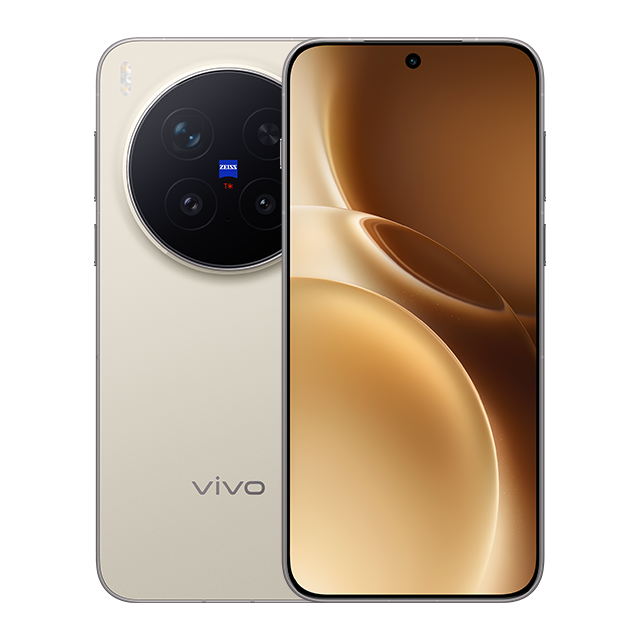
Vivo paired a large Sony main sensor with a 200MP telephoto and walked away with the highest camera score of the year. Stills are stunning, the night mode is among the best anyone has shipped, and the video holds up too. The rest of the phone refuses to coast on the camera’s reputation. There is a 6510mAh battery, 90W charging, a very bright QHD+ screen, and proper IP68 and IP69 water resistance, which means it survives a dunk and a pressure spray.
It costs less than the Samsung and shoots better. The catch is availability, since it sells mainly across Asia and Europe rather than on every US carrier shelf. If you can buy one where you live, it is the photographer’s pick of 2026.
The battery monsters
Somewhere in 2026, phone makers got into a battery measuring contest, and we all won.
The OnePlus 15 is the poster child.
See More

