


It feels incredibly refreshing when a fashion brand simply refuses to rush. Right now, the global fashion industry moves at an exhausting pace. Labels are constantly pressured to release endless collections, compete with social media algorithms, and reinvent their identities every few weeks just to stay relevant. Yet amid all this noise, a quieter, more meaningful shift is taking place. True style is taking its time again. Consumers are beginning to realize that buying cheap, disposable trends no longer delivers genuine connection or lasting satisfaction.
Today, luxury is moving away from the desperate pursuit of overnight fame and short-lived viral moments. A trend may explode on TikTok today and disappear tomorrow, but that is not how lasting legacies are built. Instead, the evolution of high fashion comes from years of craftsmanship, experimentation, and an unwavering belief that clothing should evoke emotion. It is an approach that values the story behind a garment just as much as its appearance on the runway.
Consumers are also moving away from disposable fashion culture in favor of pieces that are timeless and personal. The rise of quiet luxury has accelerated this shift, with shoppers embracing refined tailoring, understated elegance, and craftsmanship over overt branding. Fashion is becoming less about attracting attention and more about expressing identity, a movement reflected across luxury runways and celebrity street style alike.
The Power of Emotional Design
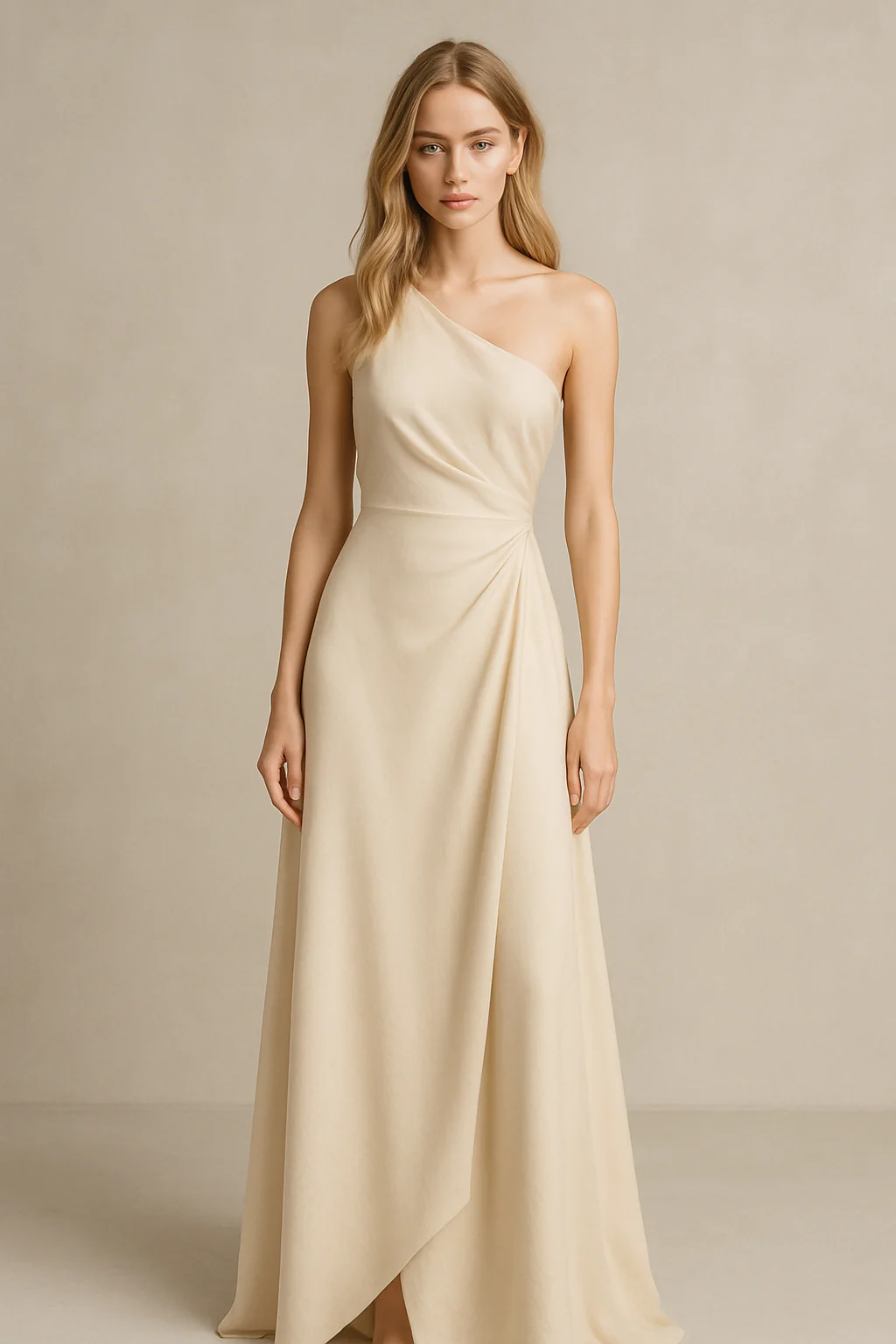
The best garments today are not designed to sit in a crowded wardrobe for a month before being discarded. They are created to become part of your life and your memories. Luxury fashion houses are rediscovering that clothing has a profound influence on how people feel about themselves.
When a designer focuses on sharp tailoring, fluid silhouettes that move naturally with the body, or richly textured fabrics, they are doing more than creating beautiful clothing. They are inviting the wearer to step into a more confident version of themselves. These garments are meant to make an impression while helping tell a personal story.
At the same time, emerging luxury brands are redefining what sustainable growth looks like. Rather than chasing rapid expansion, many are building deliberately, prioritizing emotional connection and artistic consistency. This renewed focus on craftsmanship and emotion is evident in the way modern brands shape their identities. Luxury houses like Rossario George, for example, have cultivated an international following by placing emotional connection at the center of their vision. Rather than rushing growth, the brand has expanded thoughtfully from fashion into beauty, luxury accessories, and haute couture, demonstrating that craftsmanship and the human touch remain powerful differentiators.
This renewed appreciation for craftsmanship is also evident among established luxury houses. Bottega Veneta has strengthened its cultural relevance through understated elegance and refined design rather than prominent logos, while Loewe continues to blur the line between art and fashion with sculptural silhouettes and meticulously crafted leatherwork that feels more cultural than commercial.
The Evolution of Modern Fashion Culture
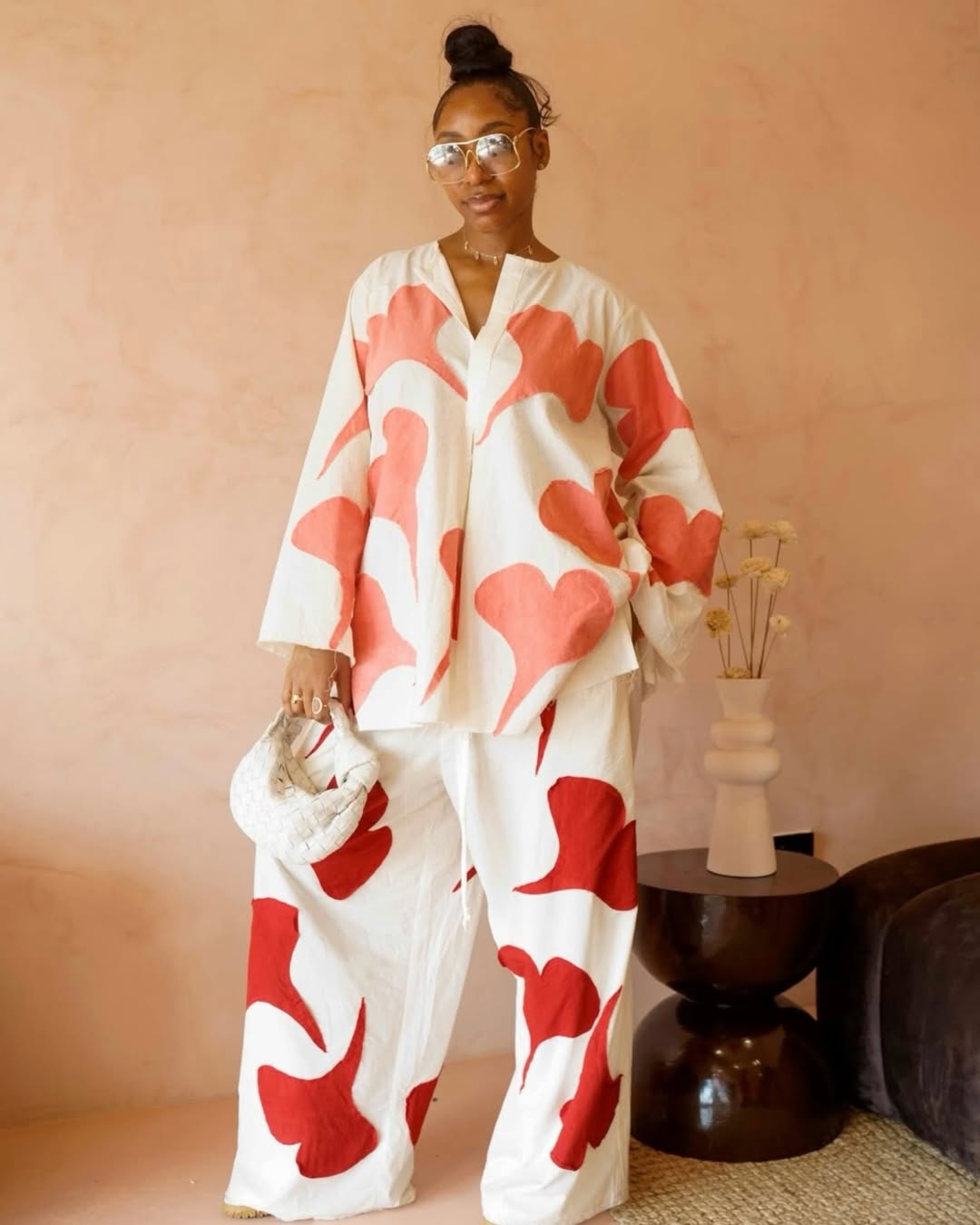
As the definition of luxury evolves, fashion publications and industry writers are also changing the way they discuss style. Fashion journalism is no longer limited to reviewing runway collections or declaring what looks good. Increasingly, it explores craftsmanship, sustainability, heritage, and the stories behind the garments themselves.
Today’s audiences are more informed and curious than ever. They want to know where fabrics originate, how many hours it took to construct a gown, and what inspired the draping of a jacket. That curiosity has forced the industry to rethink what the word exclusive truly means.
True exclusivity lies in the time, care, and artistic dedication invested in creating a piece. At the center of this movement is a welcome return to the people behind the work—artisan tailors, master pattern makers, and independent creatives collaborating across the globe. Behind every beautifully crafted garment are skilled hands and countless hours of labor. This slower, more intentional approach helps preserve the artistry of fashion in an era increasingly shaped by automation.
The rise of intentional luxury has also reshaped the way consumers shop. Instead of buying clothing simply to participate in trend cycles, many are investing in fewer, more meaningful pieces that reflect their lifestyles and values. Luxury is becoming increasingly intertwined with wellness, mindfulness, and intentional living.
Why Intentional Fashion Is the Future
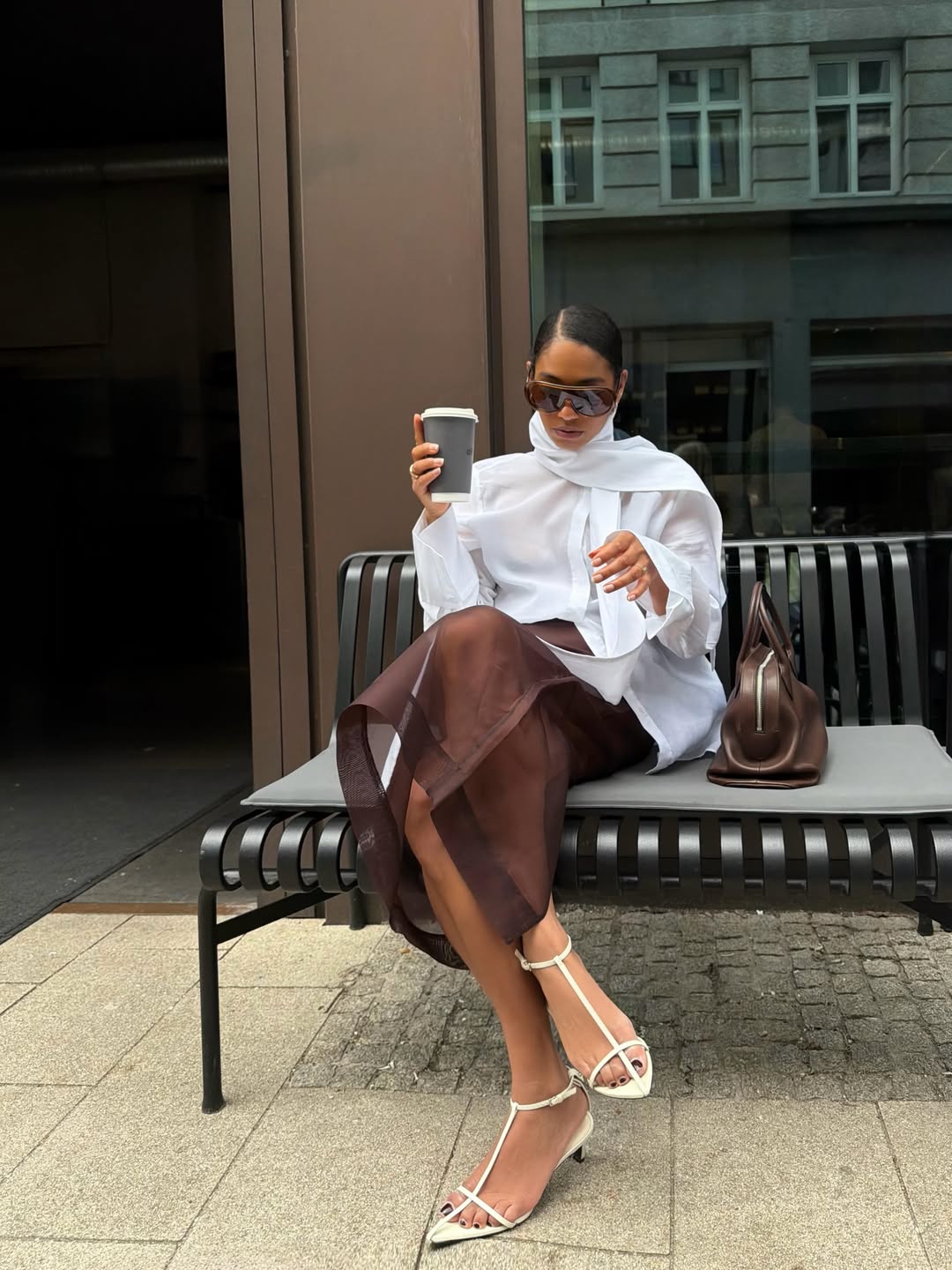
Ultimately, today’s fashion landscape shows that high style no longer needs to conform to outdated definitions of luxury. The industry is creating a new language, one in which craftsmanship matters more than conspicuous wealth, individuality outweighs fleeting internet trends, and fashion remains deeply personal.
In our chaotic and fast-moving world, that slow, intentional care might just be the truest form of luxury there is.
Featured image: @mbalou__camara/Instagram
—Read also


