


Ask any dermatologist, and they’ll tell you that the one part of your skincare routine you should never skip is sunscreen. And despite the reported rise of people skipping on sunscreen in exchange for tanning oil, tanning, and peak UV hours, sunscreen is just as important now as it’s ever been.
“The face is one of the most consistently sun-exposed areas of the body and is often where we first see signs of cumulative UV damage,” says board-certified dermatologist Dmitriy Schwarzburg, MD,.”Daily sunscreen use helps reduce the risk of skin cancer, premature aging, hyperpigmentation, collagen breakdown, and the development of fine lines and wrinkles.” And yes, this applies to cloudy days or days spent indoors—it all adds up over time.
I’m well aware that I can use a standard sunscreen made for my body on my face, but using a face sunscreen specifically gives me a different kind of peace of mind. And over the course of my six-year career in beauty, I know a thing or two about which formulas are well worth the investment. So without further ado, here are the 10 face sunscreens to complete any well-rounded skincare regimen.
The Best Face Sunscreens of 2026
Best Overall: Beauty of Joseon Dayscreen 2-in-1 SPF 30 Moisturizer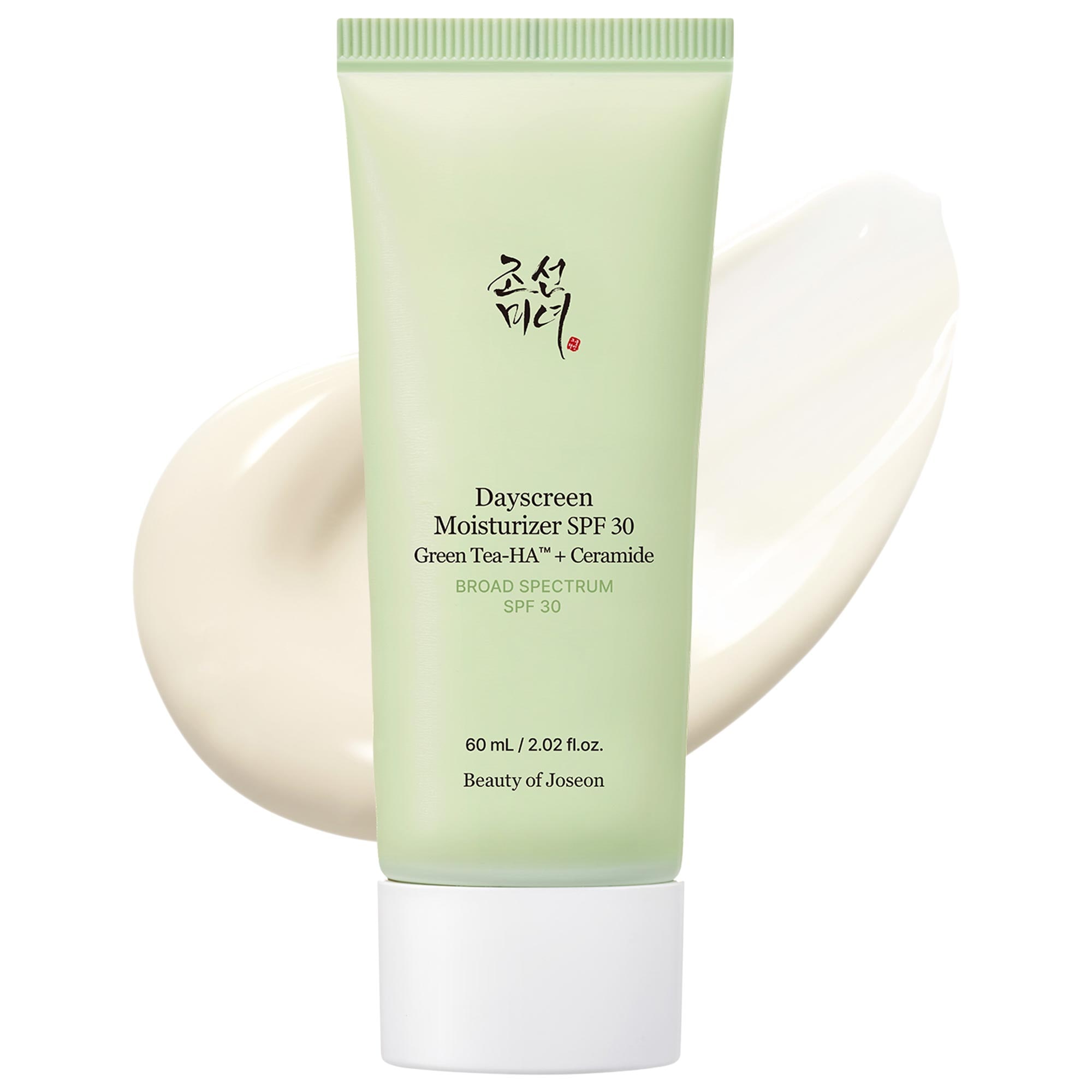
Beauty of Joseon
Dayscreen 2-in-1 SPF 30 Moisturizer With Green Tea-Ha + Ceramides
Assistant beauty editor Sabrina Talbert testing the Beauty of Joseon Dayscreen 2-in-1 SPF 30 Moisturizer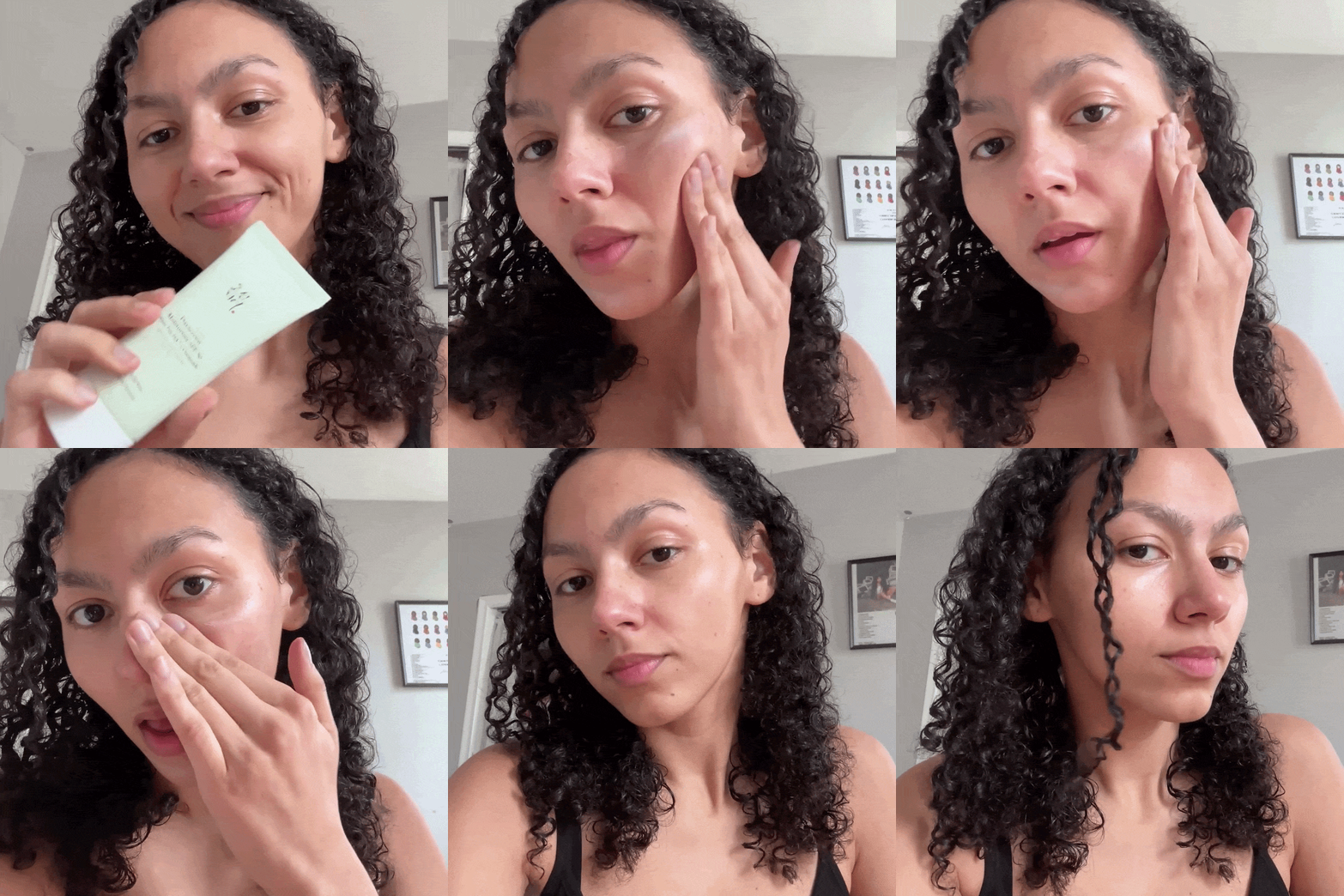
Best for Combination Skin: Lion Pose Unghosted 100% Mineral Sunscreen SPF 42vLion Pose
Unghosted 100% Mineral Sunscreen SPF 42 With Zinc & Squalane
What should people look for in a face sunscreen?
With plenty of options available on the market, there are a few things to keep in mind before making a purchase. Here are some key pointers from our experts:
SPF level: According to the American Academy of Dermatology, it’s recommended to use sunscreen with an SPF level of 30 or higher. “SPF 30 blocks approximately 97% of UVB rays, while SPF 50 blocks about 98%,” says board-certified dermatologist Sejal Shah, MD. She adds that it’s also crucial to select a sunscreen labeled “broad-spectrum,” which means it protects against both UVA and UVB rays.
Skin type: A good sunscreen is one that you’ll be comfortable using every day. That said, it’s important to invest in a product that caters to your skin type. “For acne-prone skin, lighter noncomedogenic formulations are often preferable,” says Schwarzburg. “For sensitive skin, mineral sunscreens containing zinc oxide and titanium dioxide tend to be well tolerated.”
Water resistance: This may go without saying, but if you plan on spending a lot of time swimming or sweating, you’ll want to opt for a water-resistant sunscreen. Just be sure to reapply frequently.
Type: As you saw on our list, there is a wide variety of formula types. There are sticks, gels, serums, creams, etc., so think about what works best for your lifestyle, and go from there. Shah notes that keeping this in mind will also make it easier to stay on top of daily use.
What’s the difference between mineral and chemical sunscreens?
This is one of the more common questions when it comes to sunscreen, but it ultimately comes down to the ingredients and how they function to protect the skin barrier. “Mineral sunscreens, also known as physical sunscreens, create a protective barrier on the skin’s surface that reflects and scatters ultraviolet rays,” says Shah. “Chemical sunscreens, on the other hand, absorb UV radiation and convert it into heat, which is then released from the skin.”
Although one isn’t better than the other, your skin type may be an indicator for which formula is best for you. “Mineral sunscreens are often preferred for sensitive skin because they tend to be less irritating and are less likely to cause stinging around the eyes,” says Schwarzburg. “Meanwhile, chemical sunscreens often offer a lighter texture and greater transparency on the skin making them easier for many people to wear consistently.” With that in mind, that doesn’t mean you can’t wear chemical sunscreen if you have sensitive skin; you may just want to consider patch testing it before fully committing to it.
How often should sunscreen be reapplied?
The general rule of thumb is to reapply sunscreen every two hours if you’re out in the sun. But depending on what your day looks like, you may need to reapply it more or less often. “It should also be reapplied after swimming, sweating, or towel drying,” says Shah. “For people spending most of the day indoors a single morning application may be sufficient if UV exposure is minimal.” She adds that you might also want to throw on another layer if you sit near windows for long period of time, commute, or eat outdoors during the day.
How We Chose
As with all of our buying guides at Who What Wear, we compile our edits based on original testing and expert recommendations. To find the best facial sunscreens, we leaned heavily on firsthand testing and expert insight. We also considered several factors, including type, shade range, fragrance, and key ingredients. We’re aware of how important these factors are for a wide range of needs and preferences, so we made sure to list out all the helpful details. Of course, customer reviews were also kept in mind when creating this list.
Why Trust Who What Wear
Since 2006, Who What Wear has been a digital fashion, beauty, and lifestyle publication and community where people can discover the latest brands, trends, and must-have products to help define and evolve their personal style. Think of Who What Wear as your most trusted style and shopping resource.
Explore More:

