


Black style did not wait for permission to shape global fashion. Instead, it steadily and confidently transformed it through heritage, creativity, and cultural pride. From the symbolic patterns of African textiles to the powerful red-carpet statements worn by icons like Beyoncé, Rihanna, Usher, and Lewis Hamilton, Black creativity has reshaped how the world understands fashion. What began as a cultural expression within communities has evolved into a global force.
Today, that influence is visible across fashion capitals—from Lagos to London, and from Paris to Los Angeles. Designers, stylists, and cultural figures continue to reinterpret tradition through a modern lens. As a result, Black creativity no longer sits at the margins of fashion; it helps define its direction.
Because of this ongoing evolution, Black style has never simply followed fashion history. It has helped create it.
The Cultural Roots of Black Style
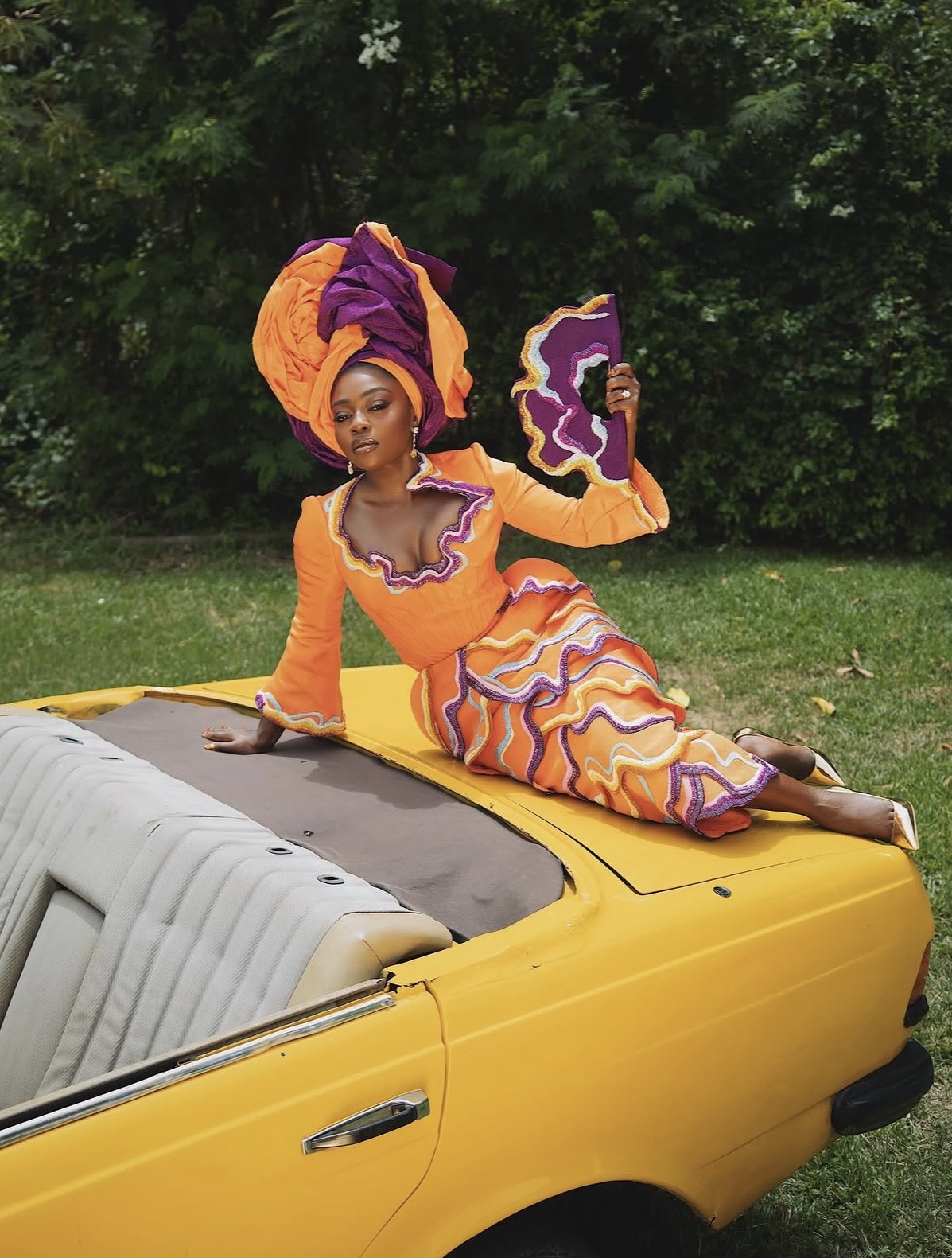
To understand the power of Black fashion today, it is essential to look at its cultural roots. Long before runway shows or fashion weeks existed, clothing in many African societies carried deep meaning. Rather than serving only as decoration, textiles communicated identity, beliefs, and social position within a community.
Fabrics such as Adire, Aso Oke, Ankara, Akwete, and Kente cloth functioned as visual languages. Through patterns, colors, and weaving techniques, these textiles conveyed stories about history, family, and cultural values.
Kente cloth, originating from Ghana, traditionally symbolised royalty, wisdom, and leadership. Its colors and patterns often represented philosophical ideas understood within the community. Meanwhile, Adire, an indigo-dyed textile traditionally produced by Yoruba women in southwestern Nigeria, reflected stories of spirituality, resilience, and everyday life. Similarly, Aso Oke, a thick handwoven fabric commonly worn at Nigerian weddings and royal ceremonies, represents prestige, honor, and craftsmanship.
Because of these traditions, clothing often communicated marital status, family heritage, and social identity. In many ways, garments could be “read” like text. Fabric, therefore, was never merely decorative; it was culture, philosophy, and storytelling woven into cloth.
Today, younger designers continue to reinterpret these textiles, blending them with modern tailoring and contemporary silhouettes. As a result, fabrics that once spoke primarily to local communities now resonate with global audiences.
The Architects: Black Designers Shaping Global Fashion
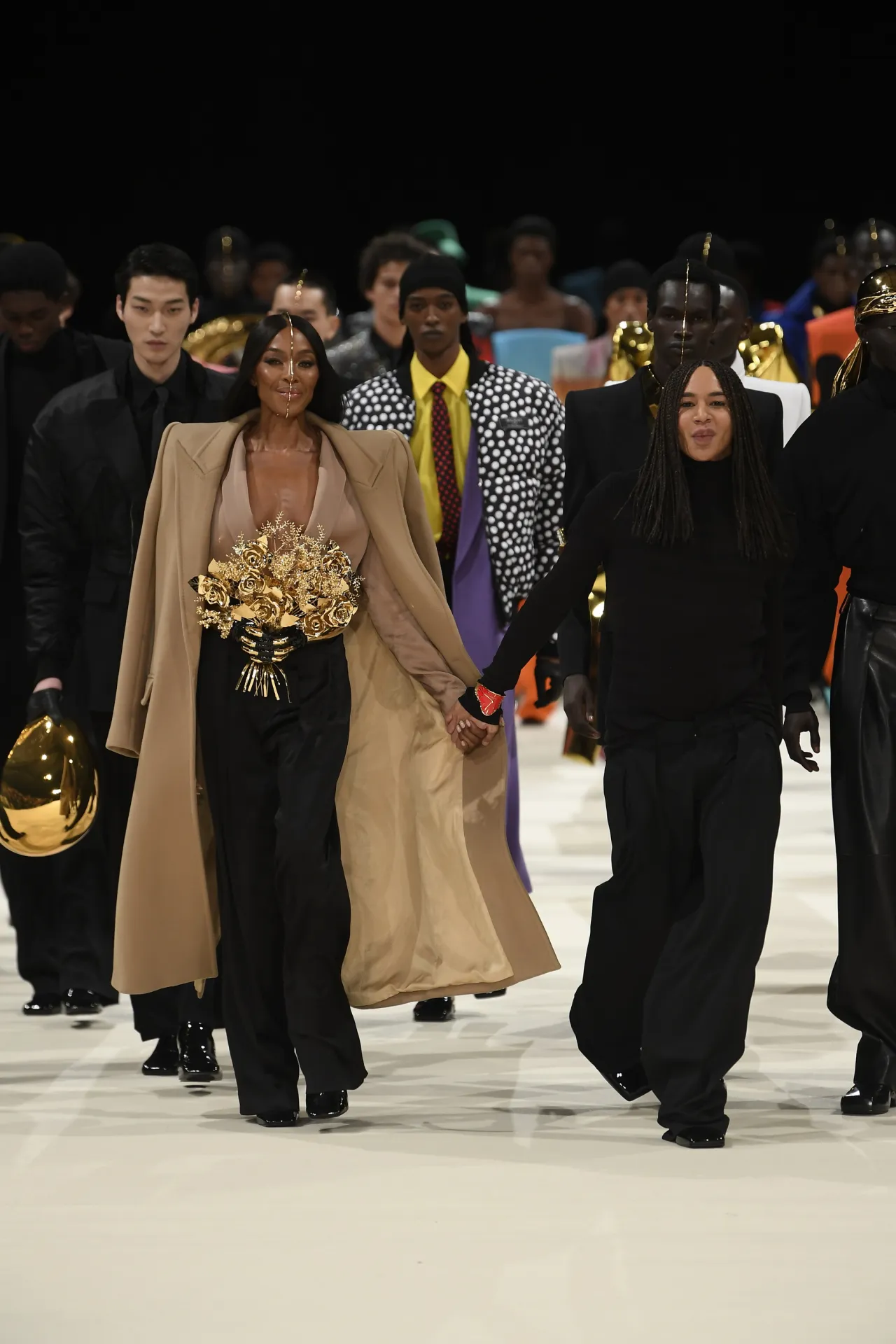
Over time, Black designers have become some of the most innovative voices in fashion. One of the most influential figures was Virgil Abloh, whose work at Off-White and Louis Vuitton reshaped how luxury fashion engages with street culture. By merging music, art, youth culture, and design, he introduced a new creative language that continues to influence the industry.
Before leaving Balmain in 2025, Olivier Rousteing brought bold glamour and expanded representation on the runway, helping redefine modern luxury. Even earlier, Dapper Dan disrupted conventions by remixing luxury logos into culturally expressive streetwear.
At the same time, African designers are gaining increasing global attention. Creatives like Deola Sagoe, Lisa Folawiyo, Thebe Magugu, Veekee James, and Kilentar continue to merge traditional craftsmanship with modern design. Through their work, African textiles are transformed into contemporary garments seen on global runways and red carpets.
For decades, Africa was often treated only as inspiration. Today, however, it increasingly serves as the source of new ideas, creativity, and innovation in global fashion.
The Amplifiers: Celebrities Who Turn Fashion Into Cultural Moments
While designers create the foundation for fashion trends, celebrities help amplify those ideas.
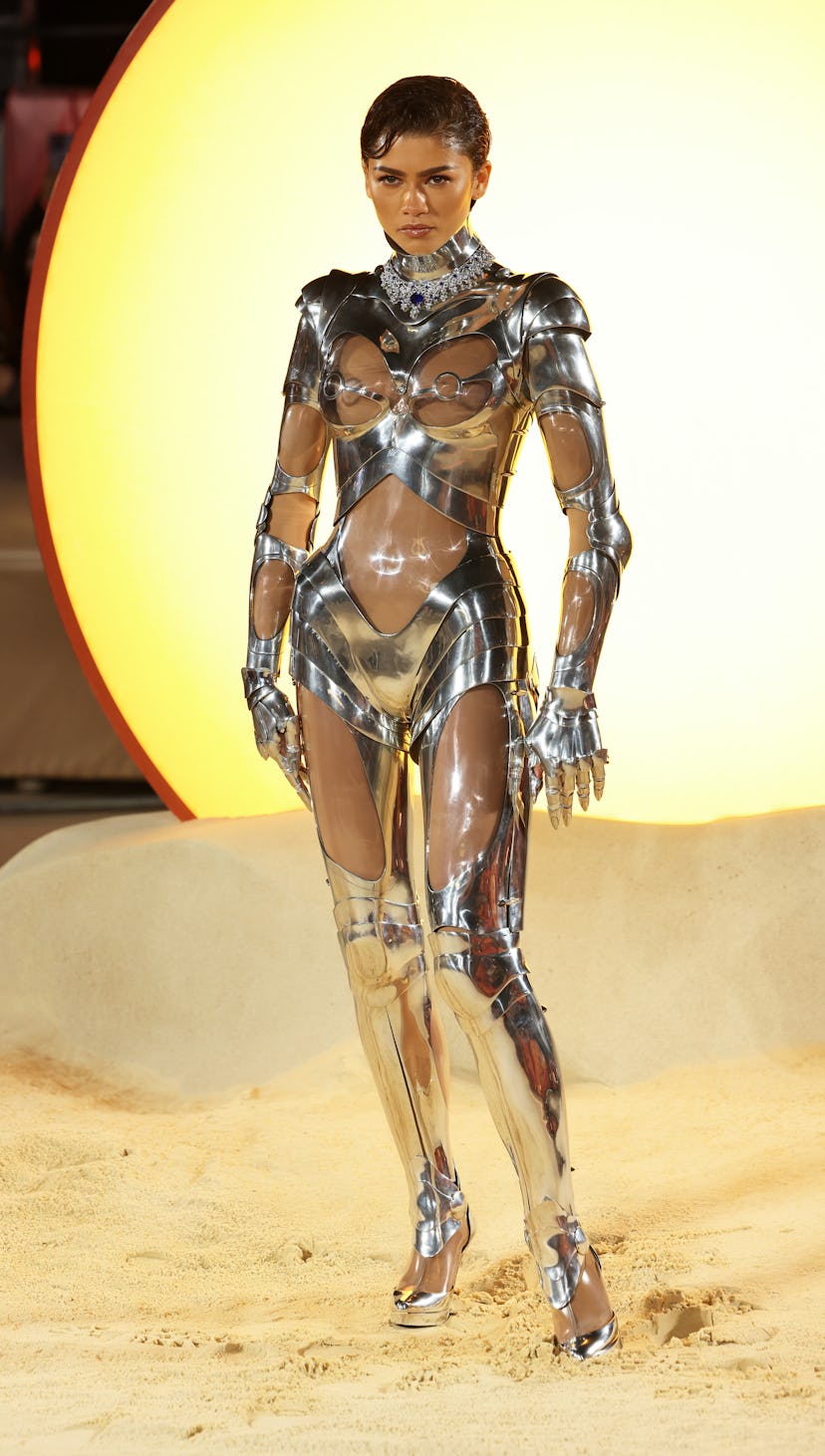
When famous artists and actors appear on red carpets wearing garments by Black designers, those images travel instantly across social media and fashion media. For example, Zendaya has repeatedly turned red carpet appearances into powerful fashion moments. Her futuristic metallic suit at the premiere of Dune: Part Two quickly dominated global fashion headlines. Earlier, her Cinderella-inspired look at the 2019 Met Gala became one of the most viral red carpet moments in recent history.
Beyoncé used fashion to celebrate African creativity in her visual album Black Is King. Through this project, she introduced millions of viewers to African designers and cultural aesthetics.
Rihanna has also created unforgettable Met Gala moments. Her dramatic yellow couture cape in 2015 became one of the most talked-about fashion images of the decade. The gown was the work of Guo Pei, a designer who was already a household name in China but gained global fame after this appearance. By choosing a Chinese couturier for the ‘China: Through the Looking Glass’ theme, Rihanna helped bring traditional Chinese artistry into the modern global spotlight.
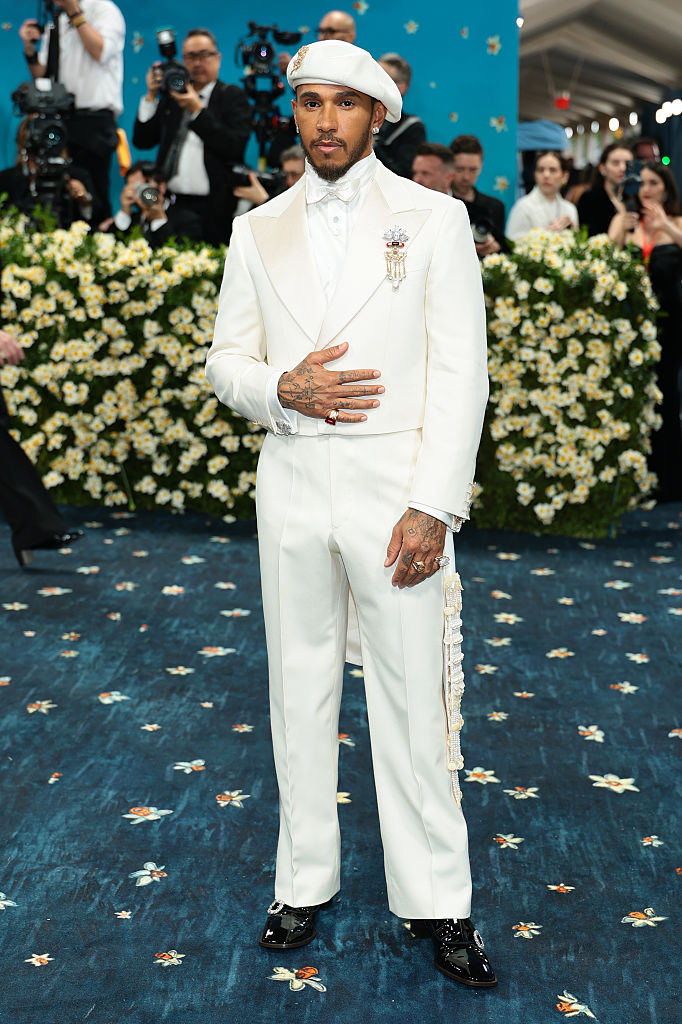
Similarly, Lewis Hamilton has leveraged his global visibility to become one of the most influential figures at the intersection of sport and fashion. Regularly using Formula 1 race weekends as an informal runway, he consistently champions Black designers while pushing the boundaries of masculine style. Through this sustained visibility, Hamilton transforms everyday appearances into cultural statements, expanding the reach of Black fashion and redefining what global luxury and masculinity can look like.
Meanwhile, Colman Domingo has emerged as one of the most compelling figures in contemporary red carpet fashion. His appearances, often defined by rich textures, bold tailoring, and dramatic silhouettes, regularly generate viral moments that position him at the center of global style conversations. Drawing on the tradition of Black dandyism, Domingo’s fashion choices fuse historical elegance with modern theatricality, demonstrating how menswear can function as both personal expression and cultural narrative.
The Masterminds Behind the Looks
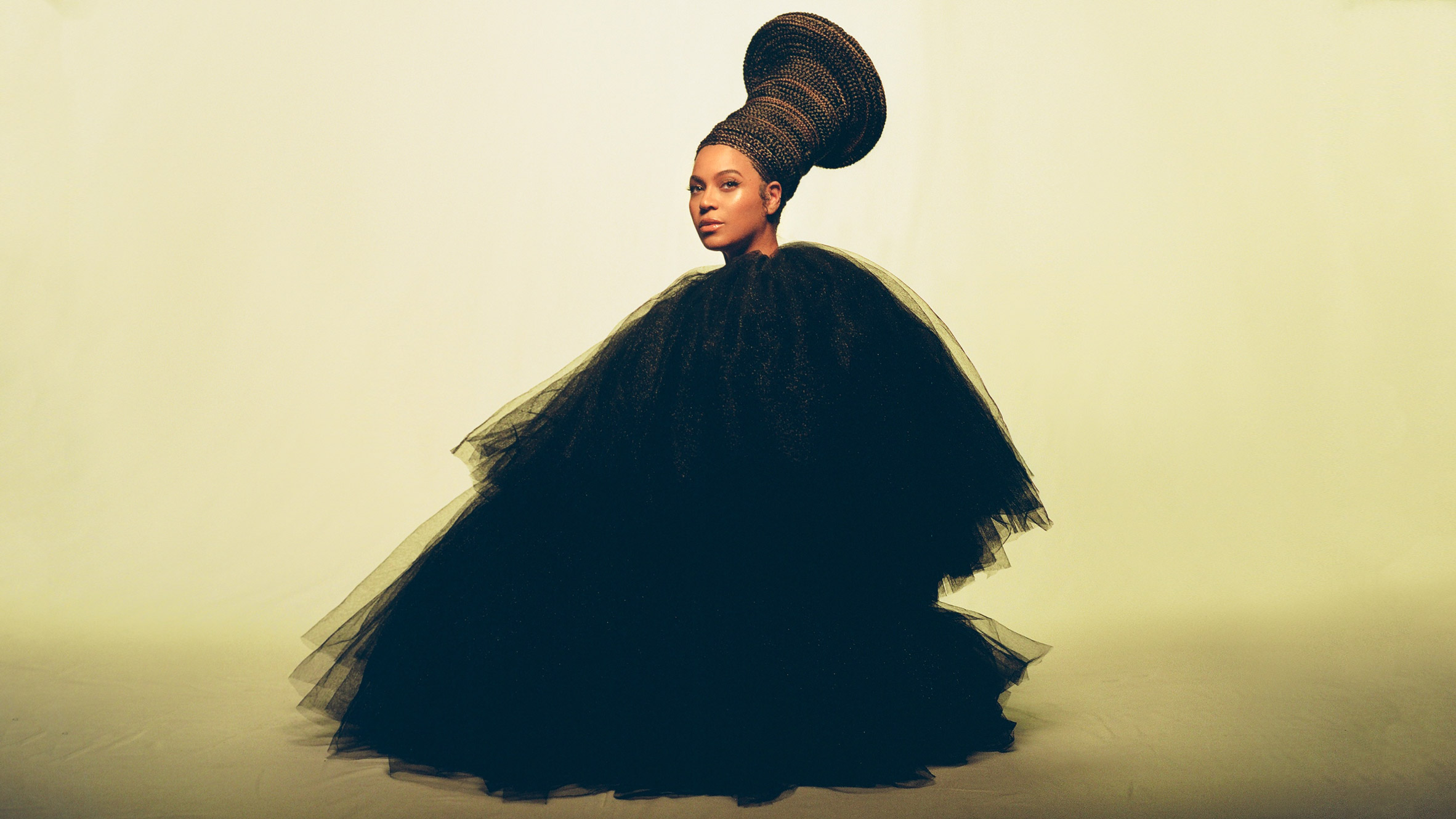
Behind every unforgettable fashion moment, there is usually a stylist shaping the vision. For example, Law Roach has worked closely with Zendaya for many years. Together, they have created some of the most memorable red carpet looks in modern fashion. Similarly, Zerina Akers has helped amplify Black designers through her styling work with Beyoncé.
Stylists play an important role because they connect designers, celebrities, and cultural themes. Through careful garment selection and creative storytelling, they transform fashion into visual narratives that audiences around the world can understand. Because of their influence, stylists often act as curators of fashion history as it unfolds.
The Red Carpet as a Global Runway
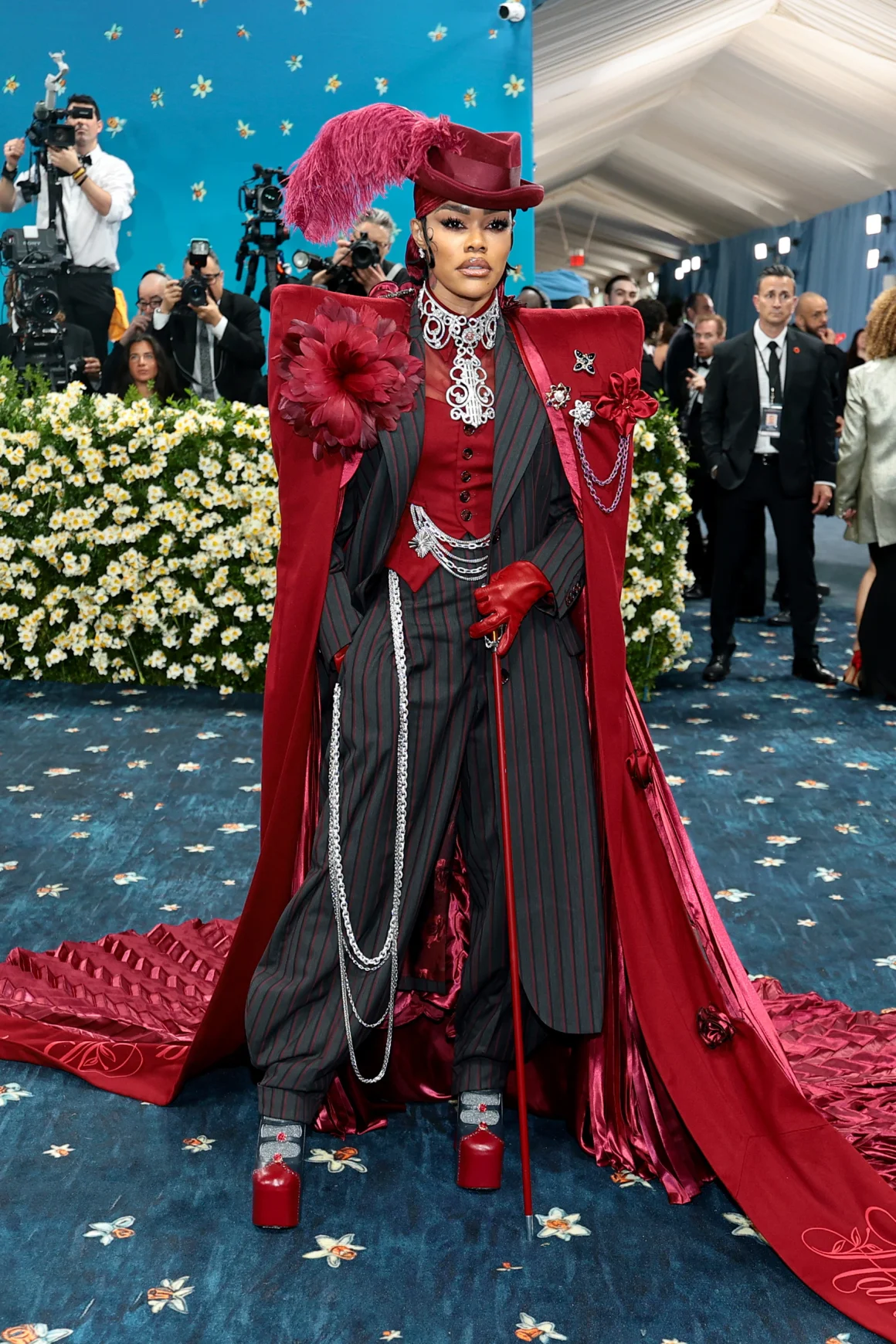
Major events such as the Met Gala and the Academy Awards have effectively become global fashion stages.
Whenever celebrities appear on these red carpets, their outfits are photographed, shared, and discussed across social media platforms within minutes. As a result, a single appearance can inspire designers, influence fashion retailers, and shape future trends.
Festival fashion, editorial shoots, and streetwear aesthetics often mirror the creativity first seen on red carpets. Therefore, the red carpet now functions as a live global runway where fashion ideas spread quickly across the world, and Black talents are leading the charge.
At the same time, Afric
Featured image: Arnold Jerocki/Getty Images

