


Oracle (ORCL 1.86%) has been on a wild ride. The stock hit an all-time high near $346 last September, then lost more than half its value, bottoming around $130 in early April. And while it’s bounced somewhat, it’s still down over 50% from its peak.

Today’s Change
(-1.86%) $-3.32
Current Price
$175.02
Key Data Points
Market Cap
$513B
Day’s Range
$173.37 – $184.50
52wk Range
$121.23 – $345.72
Volume
1.7M
Avg Vol
30M
Gross Margin
64.30%
Dividend Yield
1.12%
But Wall Street remains overwhelmingly bullish. Out of 35 analysts covering the stock, 28 rate it a buy or strong buy. The median price target sits around $260, implying roughly 60% upside from here.
Why Wall Street is so bullish on Oracle
Here’s a snapshot of where the heavy-hitters stand:
| Firm | Rating | Price Target |
|---|---|---|
| Guggenheim | Buy | $400 |
| Mizuho | Outperform | $320 |
| Citi | Buy | $320 |
| UBS | Buy | $280 |
| JPMorgan Chase | Overweight | $210 |
| Bank of America | Buy | $200 |
| RBC Capital | Sector Perform | $160 |
Source: Yahoo! Finance
I think the Street is overly optimistic, but I see why it is. Cloud revenue grew 44% year over year to $8.9 billion last quarter. Oracle’s remaining performance obligations — essentially contracted revenue that hasn’t been recognized yet — hit a staggering $553 billion, up 325% from the prior year.
The company is in the process of transforming itself into an artificial intelligence (AI) infrastructure behemoth, positioning it among the likes of Amazon, Microsoft, and Alphabet‘s Google. And to address concerns over spending, a new CFO, Hilary Maxson, was just brought in from a capital-intensive background. After all, what Oracle is attempting to do is seriously capital-intensive — that’s precisely what concerns me.
Oracle is borrowing like there’s no tomorrow
To fund this build-out, Oracle has taken on debt at a pace that should make any investor uncomfortable.
Total debt has ballooned to $149 billion as of February 2026 — nearly double what it was three years ago. In the first nine months of fiscal 2026, the company issued $43 billion in new bonds in some of the largest corporate debt raises of all time. It plans to raise another roughly $25 billion, this time through selling common stock.
Oracle is spending at a greater clip than it is earning. The company spent $48.2 billion in capital expenditures (capex) over the trailing 12 months. In the same period, it generated only about $23.5 billion in operating cash flow. That’s a free cash flow deficit of $24.7 billion.
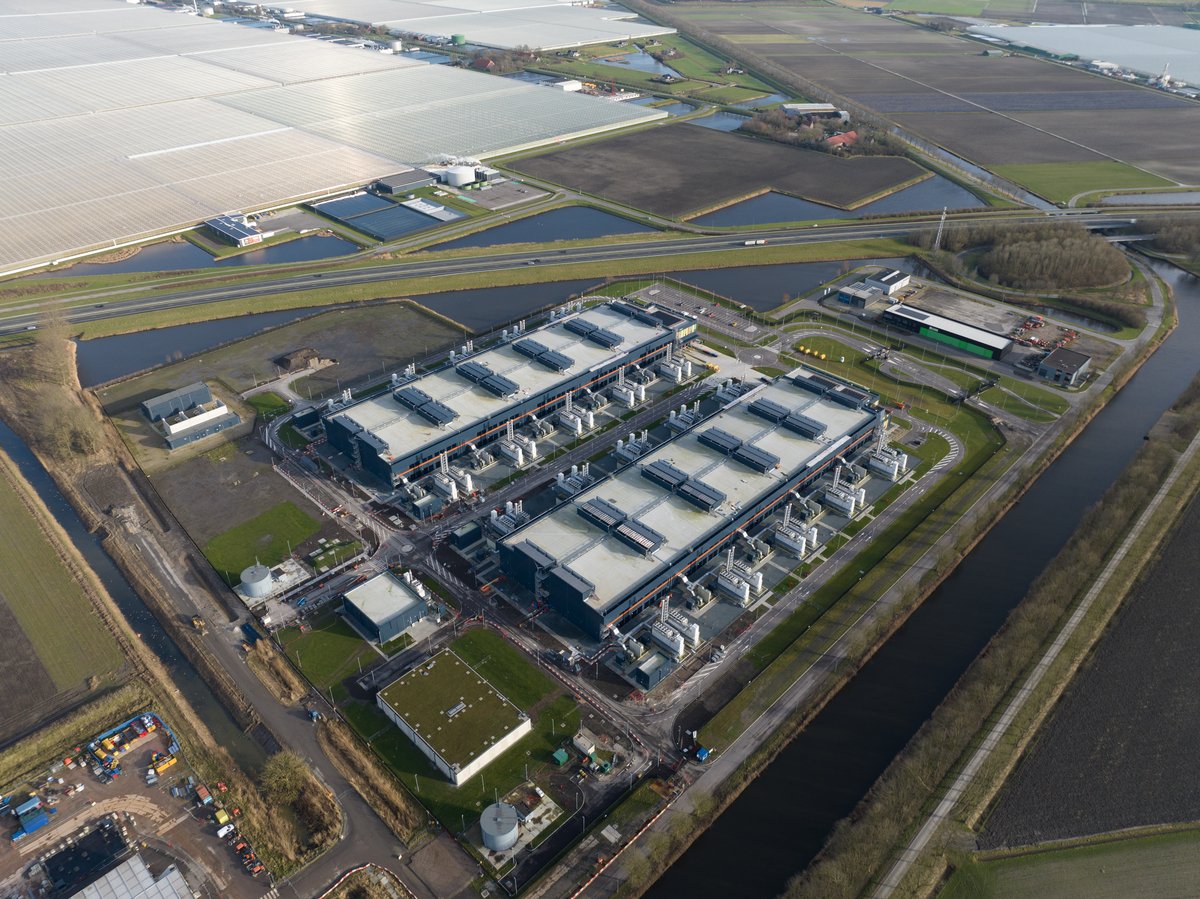
Image source: Getty Images.
I’m far from the only one concerned about the all-out approach. Credit default swaps — essentially insurance that pays out if a borrower defaults — on Oracle debt just hit their highest level since 2008.
Now, obviously, the idea is that this spending will level off. This is capex after all, it’s supposed to be an investment in the future. But I’m not viewing this as your run of the mill capex, it seems to me that the nature of AI data centers means that this capex will end up looking a lot more like an operational expense — that is, I don’t think the spending will cool down nearly as much as is assumed and these capex levels will have to be sustained indefinitely.
The bottom line on Oracle stock
Oracle’s backlog is enormous, and its cloud growth is strong. But the stock’s bull case requires everything to go right: building the data centers on time, avoiding major bottlenecks in securing power, and ensuring that the company’s anchor partner, OpenAI, can actually pay for all the compute it has agreed to purchase.
That last bit is no small matter. OpenAI is burning cash at a mindboggling pace and has already pulled back on some data center investments — likely to make its financials more attractive ahead of a potential IPO.
Long-term investors should stay away from Oracle stock. It’s swinging for the fences with its transformation, and I’m not convinced it can pull it off, despite what Wall Street thinks.

