


It started as a throwaway remark during a conversation about movie theatres. During a Variety and CNN Town Hall in February 2026, Timothée Chalamet was speaking with Matthew McConaughey about the challenges the film industry faces when it comes to keeping audiences in cinemas.
The discussion was going fine — until Chalamet veered into territory he clearly hadn’t thought through. He said he didn’t want to be in the position of championing art forms that felt like they were on life support, and then dropped the line that set everything off: “No one cares about this anymore” — referring directly to ballet and opera. He caught himself, added “all respect to the ballet and opera people out there,” and joked that he’d just lost 14 cents in viewership. The performing arts world did not find it funny.
What followed was swift, sustained, and remarkably organised for a community that Chalamet had just written off as irrelevant. Ballet dancers, opera singers, cultural institutions, and celebrities across the board pushed back — some with sharp words, some with open invitations, and some with pointed humour.
The irony at the centre of it all was impossible to ignore: Chalamet’s own Marty Supreme “Dream Big” promotional campaign had leaned directly on the ballet community, with Misty Copeland — the first African American female principal dancer at the American Ballet Theatre — among the earliest celebrities tapped to wear the film’s iconic jacket. He had used ballet’s cultural credibility to sell his film, then turned around and questioned whether ballet had any cultural credibility left.
What Timothée Chalamet Actually Said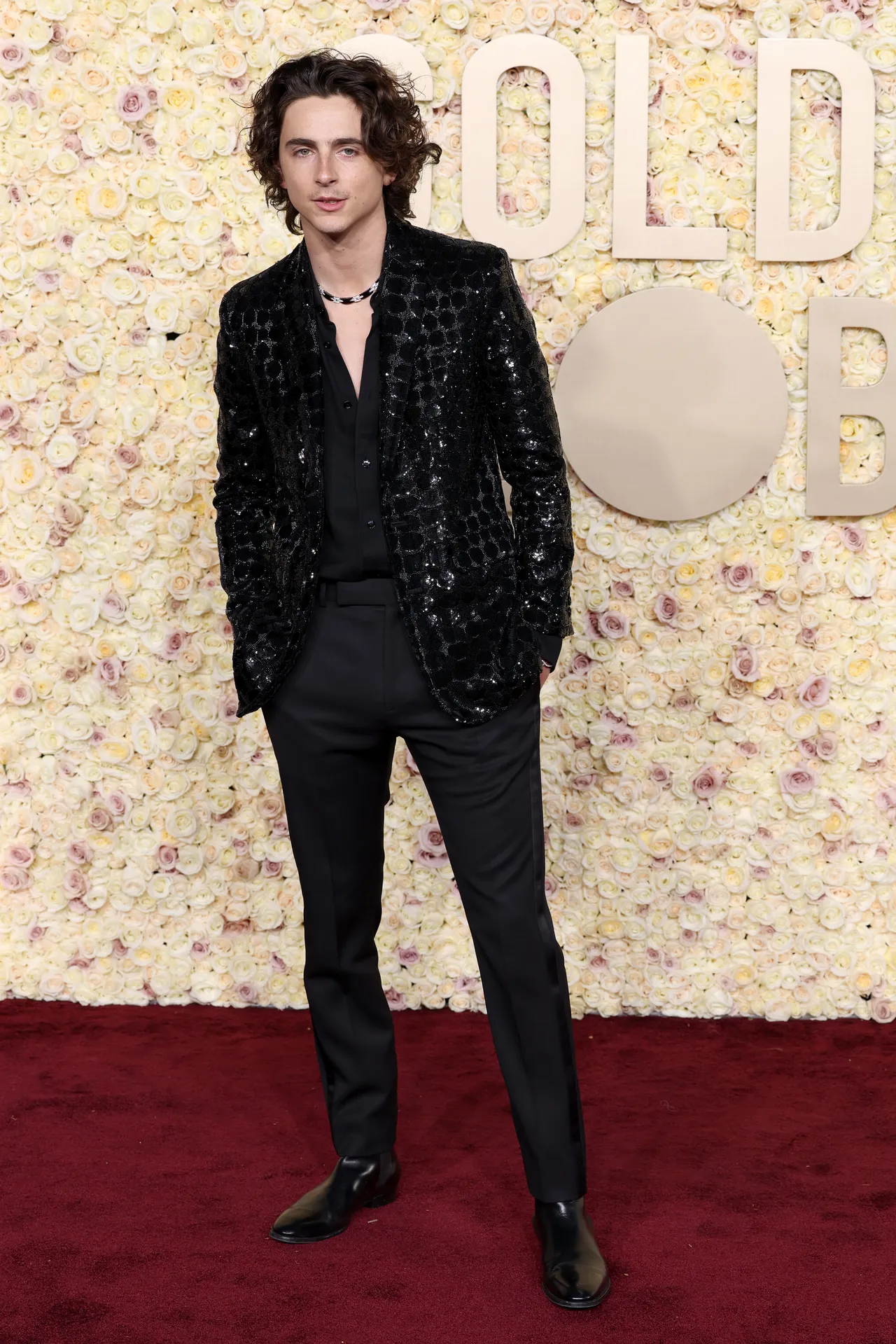
Context matters here, and it’s worth being precise about what Chalamet said and why it landed the way it did. He was making a broader point about audience attention spans and the pressure on the film industry to justify theatrical releases. He said he admired people who championed movie theatres, but also felt that if audiences genuinely wanted to see something — citing “Barbie” and “Oppenheimer” — they would show up regardless.
It was in that moment that he pivoted to ballet and opera as examples of art forms struggling to make that case. His family background makes the comment even more striking — his grandmother, mother, and sister all danced at the New York City Ballet, and he grew up backstage at the Koch Theater. This wasn’t ignorance. It read more like someone who knew the room well enough to take a cheap shot and immediately regret it.
He quickly tried to backtrack, expressing respect for ballet and opera artists while acknowledging he had made an unnecessary remark. But the clip had already taken on a life of its own, and walking it back wasn’t going to be that simple.
10 Of The Best Timothée Chalamet Movies Of All Time


